
Damage Restoration in West Lafayette, IN
- Damage Restoration Services Overview
- Common Damage Restoration Issues in West Lafayette, Indiana
- Neighborhoods We Serve in West Lafayette
- Seasonal Damage Patterns in West Lafayette
- Housing Characteristics & Restoration Considerations
- Environmental Conditions & Damage Implications
- Why Local Experience Matters for Purdue-Area Property Owners
Damage Restoration Services Overview
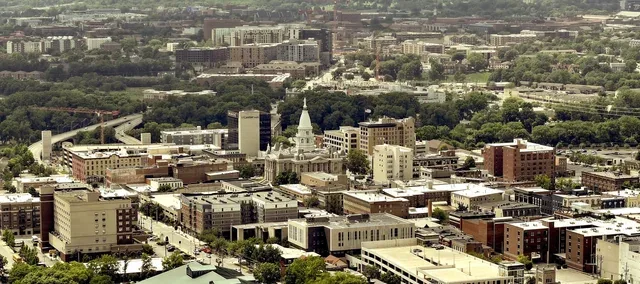
What happens to a West Lafayette home in the hours after a supply line bursts, a basement fills during a Wabash Valley downpour, or a kitchen fire fills every room with soot? Damage spreads - and the clock matters more than almost anything else.
Restoration work in Tippecanoe County covers a connected set of problems, and most properties end up needing more than one service at once.
- Water Damage Restoration - extraction, structural drying, moisture mapping and monitoring of walls, subfloors and cavities
- Flooded Basement - pump-outs, sump failure response, saturated drywall and insulation removal below grade
- Sewage Cleanup - containment, removal of contaminated porous materials, antimicrobial treatment and disinfection
- Fire Damage Restoration - debris removal, structural cleaning, board-up and reconstruction planning
- Smoke Damage Restoration - soot removal from surfaces, HVAC cleaning, odor neutralization and content restoration
- Mold Removal - containment barriers, HEPA filtration, affected material removal and moisture source correction
Benefits for local residents are practical: less material loss, fewer secondary problems like warped hardwood or hidden mold colonies, and clearer documentation for insurance. Local crews who know Purdue-area rentals, older Chauncey Hill homes and newer west-side subdivisions respond faster and diagnose more accurately.
Common Damage Restoration Issues in West Lafayette, Indiana
West Lafayette sits along the Wabash River with a mix of century-old housing stock, student rentals and newer construction. Each brings its own failure points.
Frequent Causes of Damage
- Heavy spring rain overwhelming sump pumps and window wells in below-grade living space
- Frozen and burst supply lines in unheated crawl spaces during January and February cold snaps
- Aging cast iron and clay sewer laterals in older neighborhoods backing up during saturated ground conditions
- Water heater and washing machine hose failures in multi-unit rental properties
- Kitchen fires and unattended cooking in shared student housing
- Space heater and dryer vent fires during winter months
- Roof and flashing leaks after wind events, feeding slow attic mold growth
Warning Signs Worth Acting On
- Musty odor in a basement or closet that returns after airing out
- Tide lines, bubbling paint or soft baseboards along lower walls
- Cupped or crowning hardwood planks near dishwashers and refrigerators
- Gurgling floor drains or slow tub drainage - often the first hint of a sewer issue
- Soot film on windowsills, lampshades or the return-air grille after a small fire
- Persistent smoke odor that intensifies with humidity or when the furnace runs
- Dark staining on ceiling tiles, joists or the underside of subfloor
Ignoring any one of these tends to create the next problem. Untreated water becomes mold; unaddressed soot etches surfaces permanently.
Neighborhoods We Serve in West Lafayette
Crews cover the full West Lafayette footprint and the surrounding Tippecanoe County communities.
- Purdue campus-area rentals, Chauncey Hill and the Village district
- Hills and Dales, Barbarry, Sagamore and Happy Hollow area homes
- West side developments along Cumberland Avenue, Salisbury Street and Kalberer Road
- Klondike, Blackbird Farms and Lindberg Village neighborhoods
- Riverfront and Levee-adjacent properties near the Wabash
- Downtown Lafayette, Highland Park, Vinton and Wea Ridge across the river
Service also extends to Battle Ground, Dayton, Colburn, Buck Creek, Stockwell, Americus, Shadeland, Odell, Clarks Hill, Ash Grove, Wyandot, Pettit, South Raub and Delp. Rural properties on well and septic systems get the same emergency attention as in-town addresses - with added attention to septic backups and outbuilding drying.
Seasonal Damage Patterns in West Lafayette
Indiana weather sets a fairly predictable rhythm for restoration calls.
- December through February: Frozen pipe breaks, ice dam leaks at eaves, and the highest concentration of heating-related fire and smoke damage. Closed-up homes trap smoke odor in fabrics and ductwork.
- March through May: Peak flooded basement season. Snowmelt combined with spring storms saturates soil, raises groundwater and pushes sewer systems past capacity, driving sewage cleanup calls.
- June through August: Humidity above 70 percent makes mold removal the dominant request. Air conditioning condensate lines clog, and storm-driven roof leaks feed attic growth.
- September through November: Move-in and move-out turnover exposes long-hidden water damage in rentals. Furnace startup circulates dormant soot and mold spores, and grilling and fireplace use raise fire risk.
Late-summer and early-fall storm cells often produce a cluster of simultaneous calls across the county, which is why round-the-clock local staffing matters.
Housing Characteristics & Restoration Considerations
West Lafayette housing spans more than a century of building practice, and construction era drives the restoration approach.
Older Homes (pre-1950)
- Plaster-and-lath walls hold moisture longer than drywall and require careful drying rather than fast demolition
- Stone or block foundations with limited waterproofing invite recurring basement seepage
- Balloon framing lets smoke and fire travel vertically between floors
- Possible asbestos in floor tile, pipe wrap and joint compound - testing before removal is standard practice
Mid-Century and Ranch Homes
- Finished basements with paneling and carpet that trap water against the slab
- Cast iron drain lines nearing end of service life, raising sewage backup risk
- Original ductwork that spreads soot and mold spores building-wide
Newer Construction and Campus Rentals
- Tight building envelopes hold humidity, so drying requires dehumidification rather than ventilation alone
- Engineered wood flooring and MDF trim delaminate quickly when wet
- Multi-unit buildings allow water to migrate through shared walls and ceilings into neighboring units
- Crawl space construction on the west side needs vapor barrier inspection after any water event
Each of these details changes what gets dried, what gets removed and how long monitoring continues before rebuild begins.
Environmental Conditions & Damage Implications
Local climate and ground conditions shape nearly every restoration project in the area.
Climate Factors
- Roughly 40 inches of annual precipitation, much of it in concentrated spring and summer events
- Summer dew points that keep indoor relative humidity elevated without mechanical drying
- Freeze-thaw cycling that opens foundation cracks and stresses supply lines
- Wide temperature swings that condense moisture inside wall cavities and attics
Soil and Water Conditions
- Glacial till and silty clay soils drain slowly, holding water against foundation walls after storms
- Proximity to the Wabash River and its tributaries raises the water table in low-lying areas
- Hard water with high mineral content leaves scale that accelerates fixture and water heater failure
- Combined and aging sewer infrastructure in older districts increases backup potential during peak flow
Air Quality Effects
- Regional agricultural dust and pollen load HVAC filters, compounding post-fire particulate cleanup
- Humid air holds smoke odor molecules in porous materials longer, requiring thermal fogging or hydroxyl treatment
- Warm, damp conditions let mold colonize damp drywall within a short window, which is why moisture readings guide every decision
Understanding these conditions prevents the common mistake of declaring a structure dry when hidden materials still hold moisture.
Why Local Experience Matters for Purdue-Area Property Owners
West Lafayette has an unusual property mix - owner-occupied homes sitting next door to rentals housing four or five students, plus fraternity and sorority houses, apartment complexes and small commercial spaces serving campus traffic. Restoration in that environment takes coordination as much as equipment.
What Local Knowledge Changes
- Familiarity with Tippecanoe County permitting and inspection expectations for reconstruction
- Experience documenting losses for landlords, property managers and insurance adjusters simultaneously
- Awareness of which neighborhoods carry asbestos and lead concerns in older materials
- Understanding of campus schedules, so drying and demolition can be timed around move-in weeks, breaks and game days
- Established relationships with local plumbers, electricians and roofers to stop the source before drying begins
How a Typical Project Progresses
- Emergency contact and dispatch, available around the clock every day of the year
- On-site inspection with moisture meters and thermal imaging to map the true extent of damage
- Source control - stopping the leak, capping the line or securing the structure with board-up and tarping
- Extraction, containment or debris removal depending on whether the loss is water, sewage or fire related
- Structural drying with air movers and dehumidifiers, with daily moisture readings recorded
- Cleaning, antimicrobial application, soot removal and odor treatment as the situation requires
- Contents restoration, then reconstruction of removed materials and a final walkthrough
Twenty-five years of work across Lafayette and West Lafayette builds a specific kind of institutional memory - which streets flood first, which subdivisions have chronic sump issues, which older blocks hide surprises behind the plaster. Local technicians, clear communication and accountability at every step are what turn a stressful loss into a manageable process.





