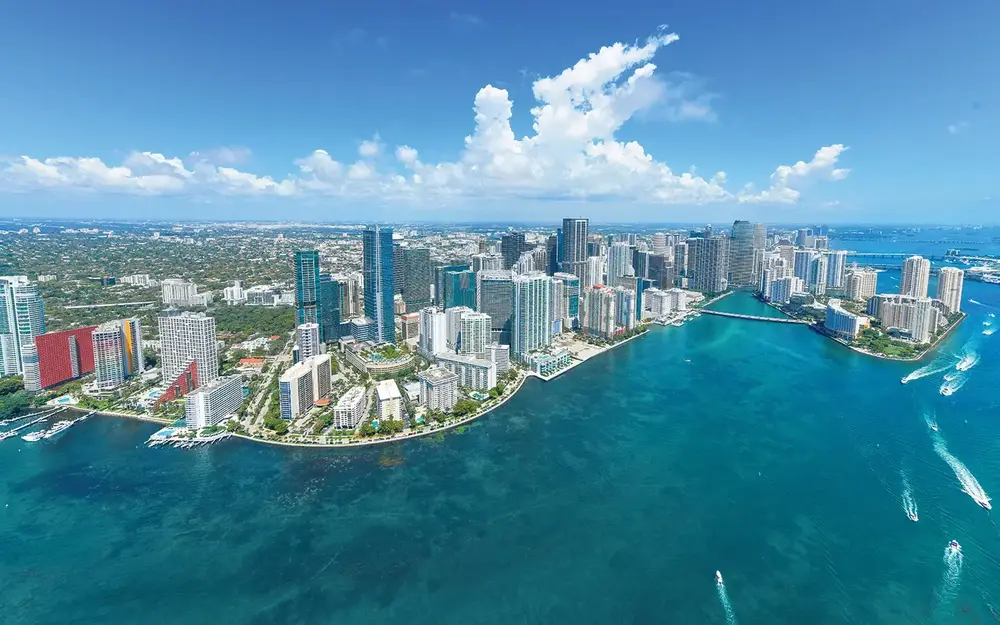
Damage Restoration in Miami-Dade County, FL
- Damage Restoration Services Overview
- Common Damage Restoration Issues in Miami-Dade County, Florida
- Neighborhoods We Serve in Miami-Dade County
- Seasonal Damage Patterns in Miami-Dade County
- Housing Characteristics & Restoration Considerations
- Environmental Conditions & Damage Implications
- Insurance Documentation and Miami-Dade Permitting After a Loss
Damage Restoration Services Overview
You come home to Kendall after a long weekend and hear a faint hiss behind the drywall. The tile floor is cool and slick, the baseboards are dark at the bottom, and a musty smell has already settled into the hallway. In Miami-Dade County, a small leak rarely stays small - humidity does the rest of the damage for you.
Property restoration across the county covers a connected group of services, each addressing a different phase or category of loss:
- Water damage restoration - extraction, structural drying, and moisture mapping after plumbing failures, roof breaches, or storm intrusion
- Flooded basement and below-grade recovery - pump-outs and drying for sub-level parking, elevator pits, storage rooms, and split-level slabs
- Sewage cleanup - Category 3 contamination response after backups, lift station failures, and septic overflows
- Fire damage restoration - debris removal, structural stabilization, and rebuild coordination
- Smoke damage restoration - soot removal from surfaces and HVAC systems plus odor neutralization
- Mold removal - containment, remediation, and correction of the moisture source that fed the colony
Benefits for Miami-Dade residents include faster stabilization of salvageable materials, moisture documentation that supports insurance claims, and repairs sequenced to meet Florida Building Code requirements as enforced by the Miami-Dade County Building Department.
Common Damage Restoration Issues in Miami-Dade County, Florida
South Florida damage patterns look different from the rest of the country. Sitting at sea level on porous limestone, with year-round humidity above 70 percent, the county sees water find its way into buildings from every direction.
Frequent Causes of Loss
- Wind-driven rain forced through window assemblies, sliding door tracks, and tile roof underlayment during tropical systems
- Storm surge and king tide flooding in coastal and low-lying areas, carrying brackish water and silt indoors
- Plumbing failures in aging cast iron and galvanized supply lines common in mid-century housing stock
- Sewer backups when heavy rainfall overwhelms municipal collection systems and lift stations
- HVAC condensate line clogs - a leading and often overlooked cause of ceiling and wall saturation
- Electrical fires from overloaded panels, aging aluminum branch wiring, and generator misuse after outages
Warning Signs Worth Acting On
- Musty or earthy odors that intensify when the air handler cycles on
- Bubbling paint, chalky staining, or separating baseboards along exterior walls
- Tile that sounds hollow when tapped, indicating moisture under the thinset
- Persistent condensation on supply vents or interior walls
- Dark speckling on closet ceilings, behind furniture, or inside cabinets under sinks
- Lingering smoke odor that returns during humid afternoons after a small kitchen fire
Mold colonization can begin within roughly 24 to 48 hours in Miami-Dade conditions, which is why moisture source correction runs alongside drying rather than after it.
Neighborhoods We Serve in Miami-Dade County
Coverage spans all 34 incorporated municipalities plus unincorporated Miami-Dade, from the barrier islands to the agricultural south end.
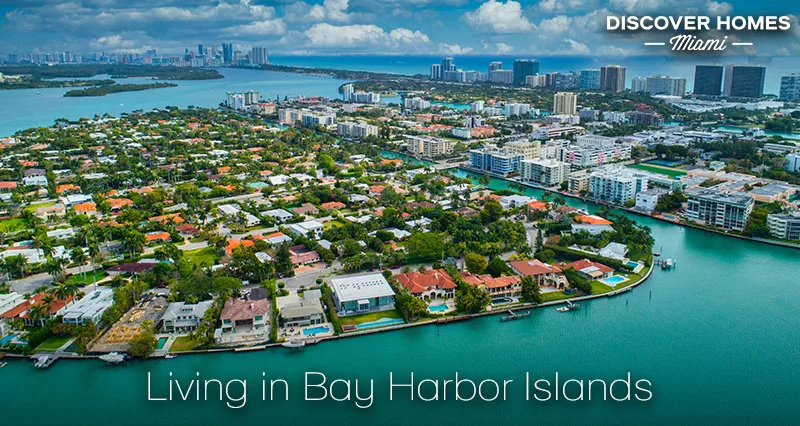
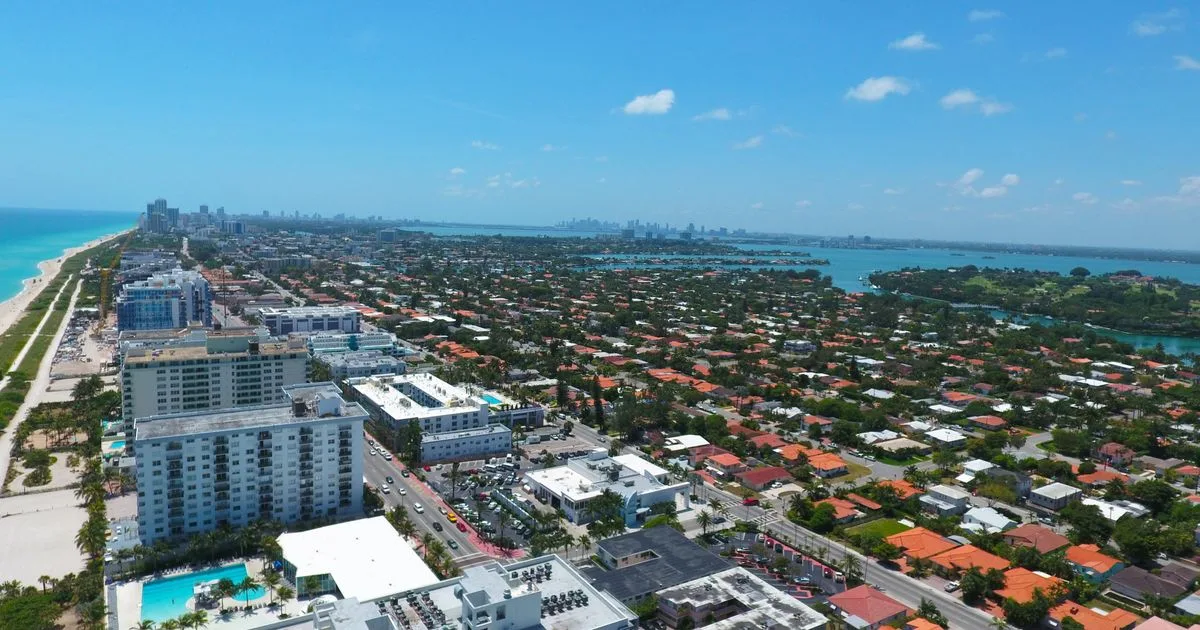
- Coastal and island communities: Miami Beach, South Beach, Surfside, Bal Harbour, Sunny Isles Beach, Key Biscayne, Aventura
- Urban core: Downtown Miami, Brickell, Edgewater, Wynwood, Little Havana, Little Haiti, Overtown
- Established residential areas: Coral Gables, Coconut Grove, Pinecrest, Palmetto Bay, South Miami, Miami Shores, Biscayne Park
- West and northwest: Hialeah, Hialeah Gardens, Doral, Miami Lakes, Miami Springs, Sweetwater, Medley, Opa-locka
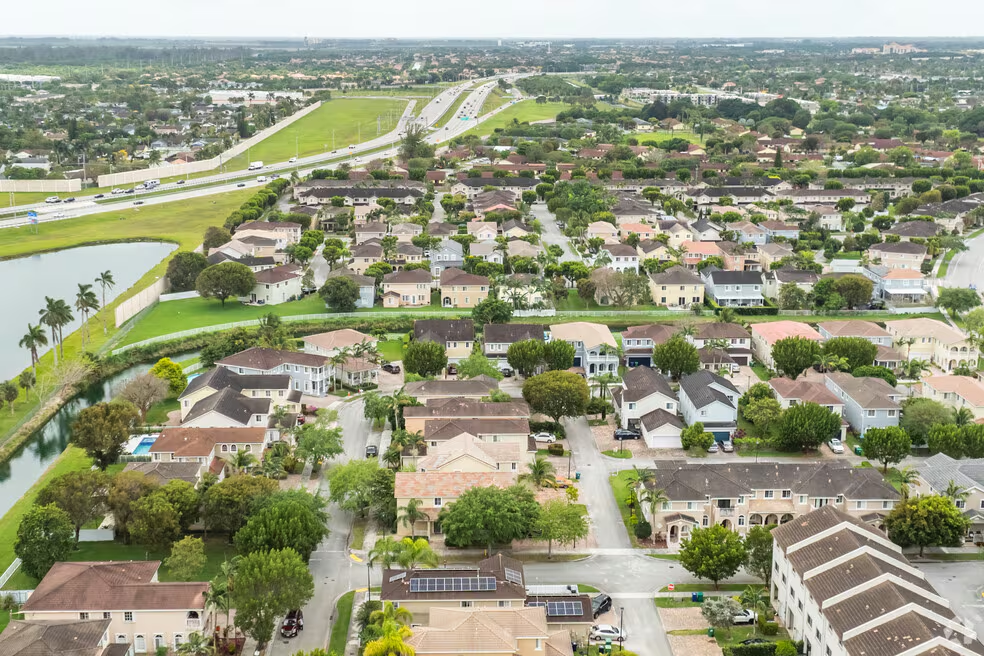
- South county: Kendall, The Hammocks, Cutler Bay, Homestead, Florida City, Redland, Naranja
- North county: North Miami, North Miami Beach, Miami Gardens, El Portal, Golden Glades
Response work also extends into unincorporated pockets such as Westchester, Fontainebleau, Tamiami, Richmond Heights, and Country Walk, along with high-rise condominium properties that require building management coordination and freight elevator access planning.
Seasonal Damage Patterns in Miami-Dade County
Miami's tropical monsoon climate produces predictable seasonal cycles of loss.
- December through April (dry season): Lower humidity makes this the preferred window for mold remediation, contents restoration, and rebuild work. Cooler nights bring more heater and kitchen fire calls, along with holiday cooking and candle-related smoke damage.
- May and June (wet season onset): Daily convective storms expose roof and window vulnerabilities. Condensate line clogs spike as air handlers run continuously. Water intrusion calls climb sharply.
- June through November (hurricane season): Tropical systems drive wind-driven rain, roof breaches, storm surge, and widespread power loss. Generator misuse and candle use contribute to fire and smoke incidents. Sewer surcharges cause Category 3 backups.
- August through October (peak): Highest dew points of the year. Saturated ground and elevated groundwater push moisture into below-grade parking, elevator pits, and slab edges. Mold growth accelerates in any structure that was not dried completely.
- October and November (king tides): Coastal streets in Miami Beach, Shorecrest, and Coconut Grove flood on clear days, sending saltwater into garages and ground-floor units.
Housing Characteristics & Restoration Considerations
Miami-Dade's building stock spans nearly a century, and construction era largely determines how a property responds to water, fire, and mold.
Dominant Construction Types
- Concrete block with stucco (CBS): The regional standard. Block holds moisture in its cells and behind furring strips, so surface dryness is misleading without penetrating meter readings.
- Poured concrete high-rises: Common in Brickell, Sunny Isles, and Aventura. Water migrates laterally through post-tension slabs and travels down multiple floors from a single failure.
- Mid-century frame and masonry hybrids: Found in Miami Shores, Little Havana, and older Hialeah blocks, often with original cast iron drain lines nearing the end of their service life.
- Post-1992 construction: Built to hurricane-strengthened standards, with tighter envelopes that trap interior humidity when drying is incomplete.
How Age and Materials Shape the Work
- Terrazzo and tile over slab conceal moisture beneath the flooring assembly, requiring specialized drying mats rather than air movers alone.
- Homes built before the late 1970s may contain asbestos-bearing materials and lead-based paint, triggering testing before demolition.
- Full basements are rare here, but below-grade parking, storage levels, and sunken sub-slab areas flood readily and demand pump extraction.
- Popcorn ceilings and older insulation absorb smoke odor deeply, often calling for removal instead of surface cleaning.
- Rebuild work in the High-Velocity Hurricane Zone must meet HVHZ product approval requirements for windows, roofing, and attachments.
Environmental Conditions & Damage Implications
The physical environment in Miami-Dade shapes both how damage develops and how restoration must be executed.
Climate and Air
- Average annual rainfall exceeding 60 inches, concentrated in a six-month wet season
- Dew points regularly in the mid-70s, meaning outside air cannot be used for drying during summer months
- Saharan dust events and seasonal pollen that add particulate load to indoor air after smoke or demolition work
- Closed-drying systems with dehumidification are standard, since open-window drying introduces more moisture than it removes
Water and Soil
- Shallow water table: Groundwater sits just a few feet below grade in many areas, driving hydrostatic pressure against slabs and below-grade walls
- Oolitic limestone bedrock: Highly porous, allowing rainfall and tidal water to move quickly through the ground and surface inside structures
- Saltwater intrusion: Coastal flooding leaves chlorides in porous materials that continue to attract moisture and corrode metal fasteners long after drying
- Septic systems in Redland, Palmetto Bay, and unincorporated south county: Elevated groundwater reduces drainfield capacity, increasing backup frequency and Category 3 cleanup needs
These conditions explain why mold remediation in Miami rarely succeeds without permanent moisture control, and why smoke odor tends to reactivate on humid days when residual soot particles absorb ambient moisture.
Insurance Documentation and Miami-Dade Permitting After a Loss
Two administrative realities shape restoration outcomes in Miami-Dade as much as any piece of drying equipment: how a claim is documented and how repairs are permitted. Florida Office of Insurance Regulation data shows more than 130,000 residential water and wind claims filed in the county in the four years after Hurricane Irma, and claims that stall usually stall over missing evidence, not disputed facts.
Documentation That Supports a Claim
- Date-stamped photography of affected areas before any material is removed
- Initial and daily moisture readings for each affected room, logged by material type
- Psychrometric records showing temperature, relative humidity, and grain depression during drying
- Equipment logs identifying air mover and dehumidifier placement and run time
- Water category and class determination consistent with the IICRC S500 standard
- Contents inventory separating salvageable items from non-restorable losses
- Air sampling or surface sampling results when mold remediation is involved
Typical Restoration Sequence
- Emergency contact, safety assessment, and identification of electrical or contamination hazards
- Source control - stopping the leak, tarping the roof, or isolating the sewer line
- Extraction of standing water and removal of unsalvageable porous materials
- Containment and negative air pressure where Category 3 water or mold is present
- Structural drying with dehumidification and daily monitoring to documented dry standard
- Antimicrobial application, soot removal, and odor treatment as the loss type requires
- Clearance verification, then permitted reconstruction through the Miami-Dade County Building Department or the applicable municipal building official
Reconstruction touching roofing, exterior openings, or structural framing falls under High-Velocity Hurricane Zone provisions, which require approved products and inspection sign-offs. Planning that permitting path early keeps the rebuild phase from becoming the longest part of the recovery.