Damage Restoration in Nassau County, FL
- Damage Restoration Services Overview
- Common Damage Restoration Issues in Nassau County, Florida
- Neighborhoods We Serve in Nassau County
- Seasonal Damage Patterns in Nassau County
- Housing Characteristics & Restoration Considerations
- Environmental Conditions & Damage Implications
- Local Restoration Crews vs. National Franchises: What Nassau County Homeowners Should Compare
Damage Restoration Services Overview
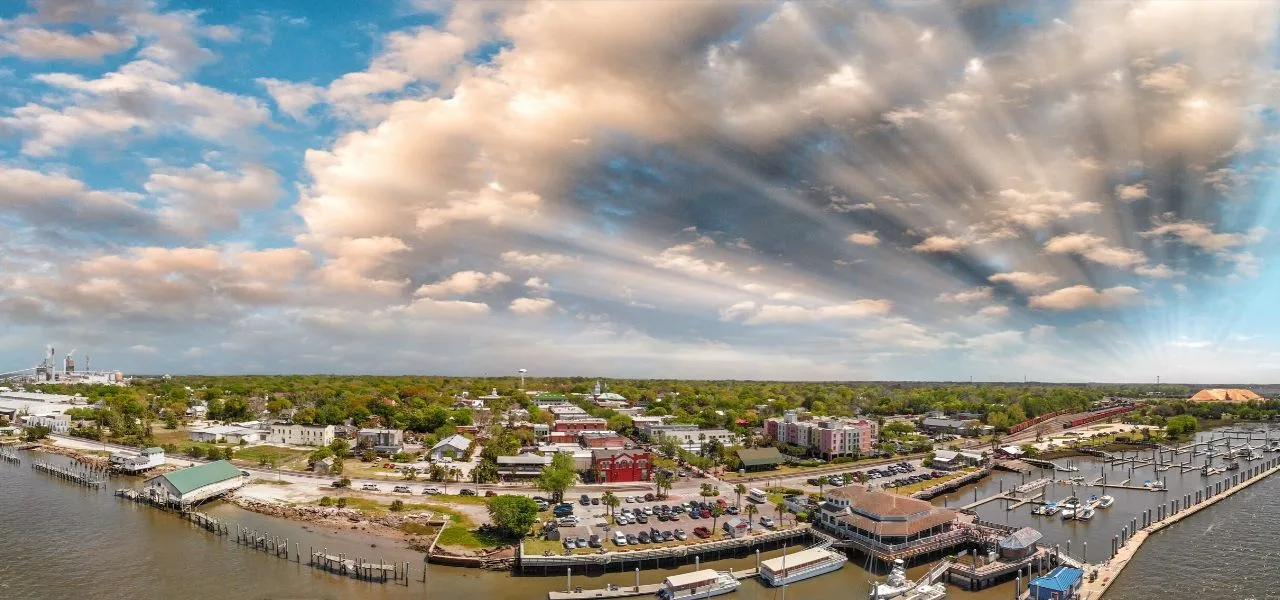
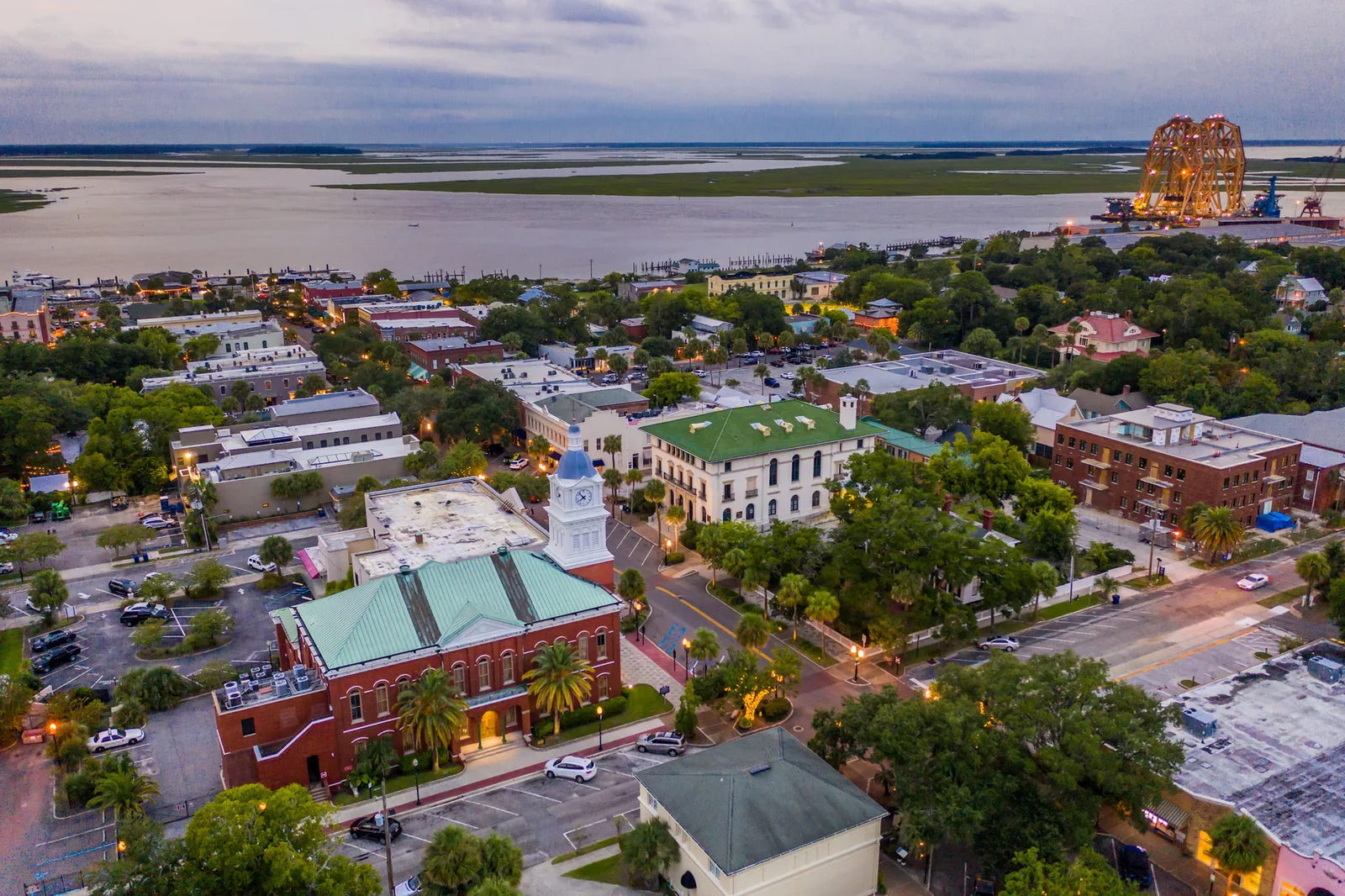
Nassau County sits at Florida's northeast corner, where the Atlantic, the St. Marys River, and miles of tidal marsh shape everything about how property damage happens here. Salt air, high groundwater, and a hurricane season that regularly pushes surge into Amelia Island and the Intracoastal corridor mean local homes face pressures that inland properties never see.
Restoration work in this county calls for crews who understand coastal construction, older Victorian-era housing stock in Fernandina Beach, and newer slab-built subdivisions in Yulee and Callahan.
Services available across Nassau County include:
- Water Damage Restoration - extraction, structural drying, and moisture mapping after pipe failures, roof leaks, appliance overflows, and storm intrusion
- Flooded Basement - pump-out and drying for below-grade areas, crawl spaces, and sunken living areas common in older river-adjacent homes
- Sewage Cleanup - Category 3 water remediation for septic backups, lift station failures, and municipal line surcharges
- Fire Damage Restoration - board-up, debris removal, structural cleaning, and contents recovery
- Smoke Damage Restoration - soot removal, thermal fogging, HVAC decontamination, and odor neutralization
- Mold Removal - containment, HEPA filtration, antimicrobial treatment, and material removal
IICRC-certified specialists respond 24/7, because in Florida humidity, microbial growth can begin within a day or two of a water event.
Common Damage Restoration Issues in Nassau County, Florida
The county's geography drives most of the calls. Low elevation, sandy-over-clay soils, and a subtropical climate combine to keep moisture problems near the top of the list year-round.
Frequent Causes of Damage
- Tropical storm and hurricane wind-driven rain forced under shingles and through soffit vents
- Storm surge and tidal flooding along Amelia Island, Nassauville, and the Intracoastal shoreline
- Septic system saturation during heavy rain in rural Hilliard, Bryceville, and Nassau Village-Ratliff
- Failed water heaters, supply lines, and washing machine hoses in slab-on-grade homes
- Electrical fires traced to aging wiring in mid-century and historic district properties
- Kitchen grease fires and outdoor burn escapes during dry spring months
- Chronic condensation and duct sweating that feeds hidden mold growth
Warning Signs Homeowners Should Watch For
- Musty odors that intensify when the air conditioning cycles on
- Buckling or cupping baseboards, laminate, and hardwood planks
- Discoloration on ceiling drywall near roof valleys or bathroom fans
- Slow drains, gurgling toilets, or wet spots in the yard above a drain field
- Soot filming on windows, air returns, and light-colored walls after a small fire
- Lingering smoke odor weeks after the flames are out - a sign residue remains in porous materials
- Efflorescence or white powder on block walls and crawl space piers
Catching these early keeps a water damage restoration job from becoming a full mold removal project.
Neighborhoods We Serve in Nassau County
Crews cover the entire county, from barrier island beachfront to the rural western pine flats.
- Fernandina Beach - historic downtown, Old Town, and the beachfront condo corridor
- Amelia Island - Amelia Park, Summer Beach, and the Plantation communities
- Yulee - Wildlight, Lofton Oaks, Amelia Concourse, and the SR 200 corridor
- Callahan - downtown, US 1 corridor, and surrounding acreage properties
- Hilliard - town center and nearby St. Marys River communities
- Bryceville - rural residential and well-and-septic properties
- Nassauville and Nassau Village-Ratliff - riverfront and marsh-edge homes
- Italia, Crawford, Boulogne, and Kings Ferry - outlying northern communities
Service also extends into neighboring Duval, Baker, and St. Johns counties, plus the southern Georgia line near St. Marys and Kingsland.
Seasonal Damage Patterns in Nassau County
Damage types shift predictably through the year, and knowing the pattern helps homeowners prepare.
- January - February: Occasional hard freezes crack outdoor spigots and exposed supply lines. Space heater and fireplace fires spike. Sealed-up houses trap humidity, feeding mold.
- March - May: Drier, breezier weather raises brush and outdoor burn fire risk across Callahan, Hilliard, and Bryceville. Smoke damage from regional wildfires can infiltrate homes.
- June - August: Daily thunderstorms bring roof leaks, lightning strikes, and power surge fires. Saturated ground overwhelms septic drain fields, driving sewage cleanup calls.
- September - October: Peak hurricane and tropical storm window. Surge, wind-driven rain, and prolonged outages produce flooded lower levels, crawl space flooding, and widespread water damage restoration needs.
- November - December: Cooler air meets warm interior surfaces, causing condensation in attics and ducts. Holiday cooking and decorative lighting increase fire and smoke incidents.
Mold removal demand never truly pauses here - Nassau County humidity supports growth in every month of the calendar.
Housing Characteristics & Restoration Considerations
Nassau County's building stock spans more than a century, and each era responds differently to water, fire, and microbial damage.
Common Construction Types
- Historic wood-frame homes (late 1800s - 1930s): Concentrated in Fernandina Beach's historic district. Heart pine framing, plaster walls, and ventilated crawl spaces require gentle drying and salvage-focused restoration.
- Mid-century block and frame homes (1950s - 1980s): Found in Callahan, Hilliard, and older Yulee pockets. Original wiring and single-pane windows raise both fire and condensation risk.
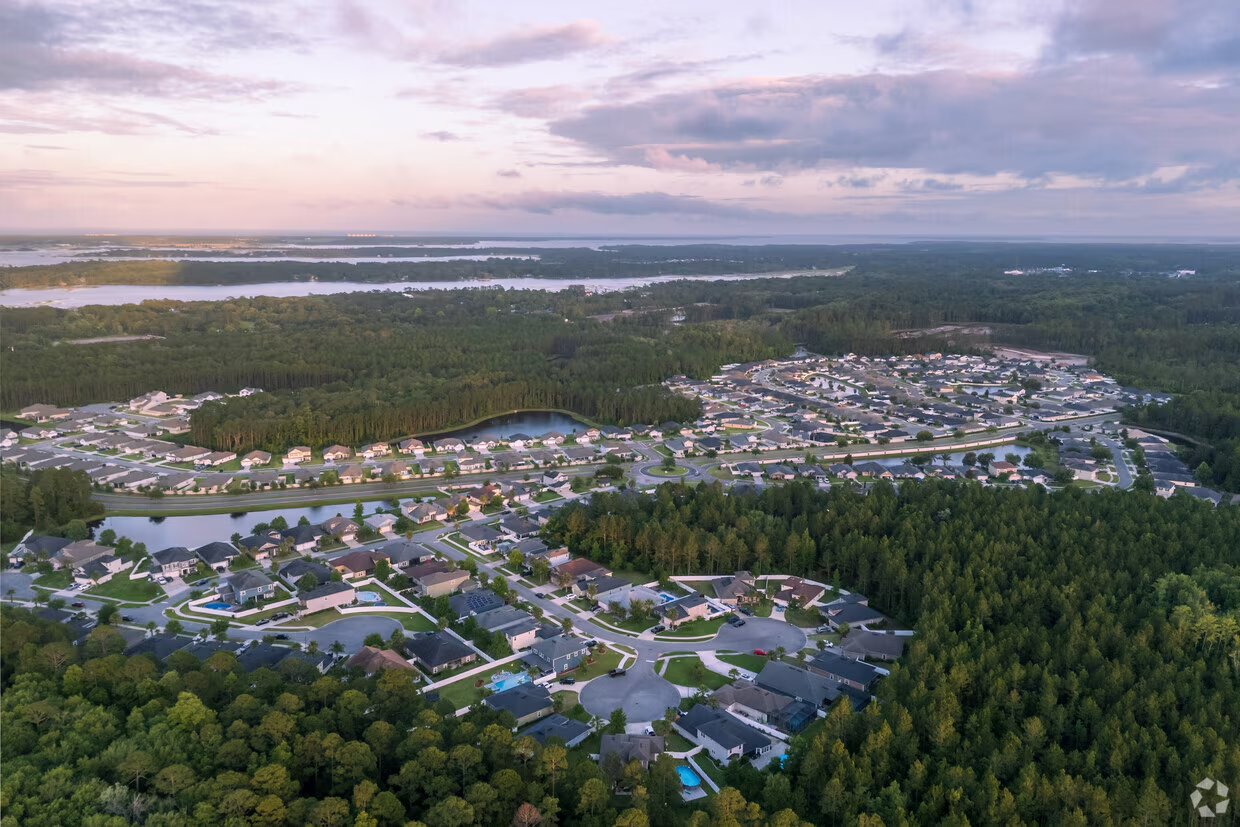
- Slab-on-grade subdivisions (1990s - present): Dominant in Yulee and Wildlight. Water spreads fast across slabs and wicks into drywall and cabinet toe-kicks.
- Elevated coastal and piling homes: Common near the beach and marsh. Underside insulation and ductwork are vulnerable to salt-laden moisture.
- Manufactured and modular housing: Widespread in rural western Nassau. Belly wrap traps water and requires specialized extraction.
How Age Affects the Work
- Pre-1980 homes may contain asbestos-bearing materials or lead paint, requiring testing before demolition
- Plaster and lath dry more slowly than modern drywall and often need extended dehumidification
- Crawl spaces and sunken rooms act as basins during flooding events and demand dedicated pumping
- Newer tight-envelope homes hold moisture longer, making mold removal more likely without prompt drying
- Older ductwork spreads soot and smoke odor throughout a house after even a contained fire
Environmental Conditions & Damage Implications
Local climate and ground conditions directly shape how restoration is planned and executed in Nassau County.
Climate and Humidity
- Relative humidity commonly sits above 70 percent for much of the year
- Annual rainfall exceeds 50 inches, concentrated in summer and early fall
- Warm, damp conditions let mold colonize wet drywall and framing within roughly 24 to 48 hours
- Standard household fans cannot reduce moisture enough - commercial dehumidification is required
Soil, Water, and Elevation
- Sandy surface soils over hardpan and clay layers slow percolation, creating standing water after storms
- Shallow water tables near the marsh and river keep crawl spaces damp long after rain ends
- Large portions of the county sit in FEMA-designated flood zones
- Rural properties on septic and wells face contamination risk when floodwater covers drain fields or well heads
Coastal Air Quality
- Salt aerosol accelerates corrosion of electrical panels, HVAC coils, and fasteners after water intrusion
- Combined salt residue and fire soot become acidic, etching metal and glass if cleaning is delayed
- Pollen and marsh-generated spores add to indoor air burdens, making HEPA filtration standard on mold and smoke jobs
These conditions are why moisture mapping, thermal imaging, and post-remediation verification matter more here than in drier regions.
Local Restoration Crews vs. National Franchises: What Nassau County Homeowners Should Compare
After a storm rolls through Yulee or Fernandina Beach, homeowners get flooded with calls, door knocks, and yard signs. Sorting real capability from marketing takes a few specific questions.
Questions Worth Asking Before Signing Anything
- Where is the crew actually based? Response time matters when water sits on a slab. Ask whether technicians stage locally or drive in after a catastrophe declaration.
- Are technicians IICRC-certified? Certification in water restoration, applied structural drying, and mold remediation signals trained personnel rather than storm-chasing labor.
- Is the company licensed and insured in Florida? Mold remediation requires state licensing, and sewage cleanup involves regulated handling of Category 3 water.
- Who handles the insurance documentation? Moisture logs, photo records, and line-item estimates determine what gets paid.
- What equipment stays on site? Dehumidifier and air mover counts should match the affected square footage, not a generic package.
- Do they monitor daily? Drying without daily readings is guesswork.
Advantages of Locally Staged Response
- Familiarity with Nassau County permitting, historic district requirements, and coastal building rules
- Knowledge of which neighborhoods flood first and which roads close during surge events
- Established relationships with local plumbers, electricians, roofers, and septic contractors
- Faster arrival for emergency board-up and tarping before secondary damage sets in
- Accountability - a local reputation depends on the work holding up after the storm season ends
Red Flags
- Pressure to sign a broad assignment of benefits on the spot
- No written scope of work or moisture documentation
- Vague answers about certification or licensing
- Crews that vanish between demolition and reconstruction
Whether the emergency involves a flooded lower level, a septic backup, soot-coated walls, or hidden mold behind a shower surround, a documented, certified process protects both the structure and the claim.