Damage Restoration in Sumter County, FL
- Damage Restoration Services Overview
- Common Damage Restoration Issues in Sumter County, Florida
- Neighborhoods We Serve in Sumter County
- Seasonal Damage Patterns in Sumter County
- Housing Characteristics & Restoration Considerations
- Environmental Conditions & Damage Implications
- Storm Response, Board-Up and Insurance Documentation in Sumter County
Damage Restoration Services Overview
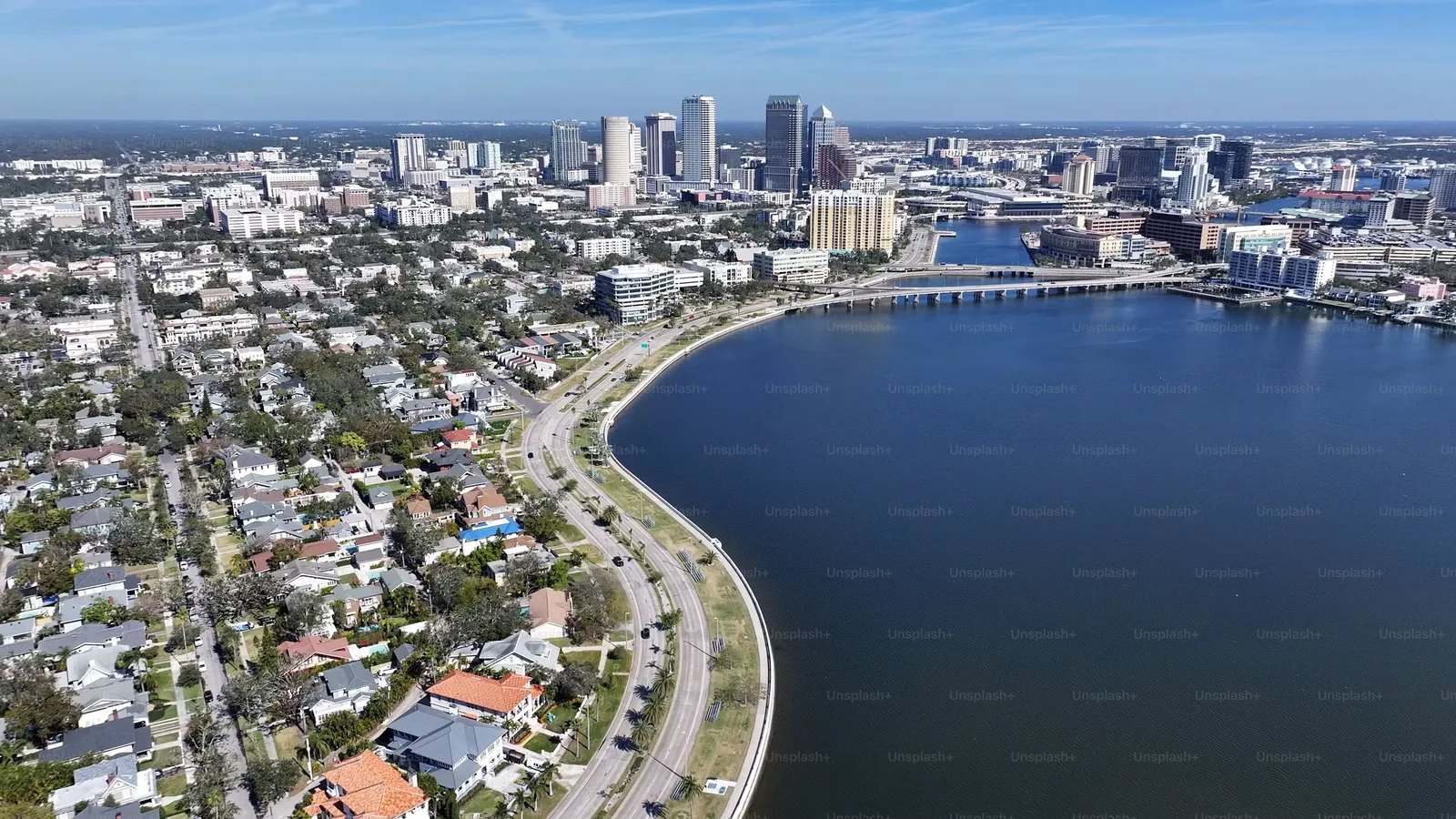
Sumter County sits in one of Florida's fastest-growing residential corridors, yet much of its land remains low-lying pasture and wetland with a water table that can rise within inches of the surface after a heavy summer storm. That combination - rapid construction on soils that drain slowly - explains why restoration calls here spike so sharply between June and October.
Property owners across the county rely on 24/7 emergency response for the full spectrum of damage events, including:
- Water Damage Restoration - extraction, structural drying and moisture mapping after pipe breaks, appliance failures and roof leaks
- Flooded Basement and below-grade cleanup - crawlspaces, sunken garages, elevator pits and partial basements found in older homesteads
- Sewage Cleanup - septic backups, lift station overflows and Category 3 contamination requiring full sanitization
- Fire Damage Restoration - board-up, tarping, debris removal and structural cleaning
- Smoke Damage Restoration - soot removal, odor neutralization and HVAC decontamination
- Mold Removal - containment, air filtration, antimicrobial treatment and removal of porous materials
Benefits for local residents go beyond drying a floor. Fast mitigation limits secondary damage, protects indoor air quality, preserves belongings and produces the moisture logs and photo documentation insurance carriers expect.
Common Damage Restoration Issues in Sumter County, Florida
Local geography drives most losses. Flat terrain, sandy-over-clay soils and afternoon convective storms create standing water that finds its way into structures through slabs, wall penetrations and garage thresholds.
Frequent Causes of Loss
- Tropical storm and hurricane bands pushing wind-driven rain under shingles and around window flashing
- Septic system saturation during prolonged rain, leading to sewage backups in tubs and floor drains
- Failed water heaters, supply lines and refrigerator connectors in homes built during earlier construction booms
- Air conditioning condensate line clogs - a year-round problem in Florida's humidity
- Lightning strikes and electrical faults igniting attic or garage fires
- Grass and brush fires near rural parcels producing widespread smoke intrusion
Warning Signs Worth Acting On
- Musty odor in closets, laundry rooms or near the air handler
- Baseboards that feel soft, or tile grout that stays dark after rain
- Bubbling paint, ceiling stains or nail pops along drywall seams
- Gurgling drains or slow toilets after storms - often an early septic indicator
- Recurring allergy symptoms that ease when residents leave the house
- Persistent smoke smell weeks after a small kitchen or garage fire
Because Florida humidity rarely drops low enough for materials to dry on their own, damage that would self-resolve in a drier climate tends to progress into microbial growth within a couple of days.
Neighborhoods We Serve in Sumter County
Crews cover the entire county, from planned retirement communities to rural acreage and commercial corridors.
- The Villages - villa, courtyard and designer homes on concrete slabs
- Wildwood - established neighborhoods plus newer subdivisions near the turnpike interchange
- Bushnell - the county seat, with historic housing stock and downtown commercial buildings
- Center Hill and Webster - agricultural properties, older frame homes and manufactured housing
- Coleman and Lake Panasoffkee - waterfront and canal-adjacent properties prone to flood exposure
- Sumterville, Oxford and Royal - mixed residential and rural parcels on private wells and septic
Service also extends into neighboring Marion, Lake, Hernando, Citrus and Pasco counties, including Marion Oaks and surrounding communities along the I-75 and Florida's Turnpike corridors.
Seasonal Damage Patterns in Sumter County
Restoration demand shifts predictably through the year, and knowing the pattern helps owners prepare.
- December through February - occasional freeze events crack exposed hose bibs and irrigation lines; space heaters and fireplaces raise fire and smoke damage risk in older homes.
- March through May - the dry season brings brush fire activity across pasture and scrub, driving smoke damage calls even for properties never touched by flame.
- June through September - daily thunderstorms, lightning strikes and saturated ground produce the heaviest volume of water damage, flooded lower levels and septic-related sewage cleanup.
- August through October - peak tropical season, with emergency board-up, roof tarping and large-loss water extraction after named storms.
- October through November - mold removal requests climb as hidden storm moisture from the summer finally shows itself in staining and odor.
Humidity stays high enough year-round that mold growth is never truly seasonal - it simply follows whatever moisture event came before it.
Housing Characteristics & Restoration Considerations
Sumter County housing splits into distinct groups, and each responds differently to water, fire and microbial damage.
Common Construction Types
- Concrete block with stucco on monolithic slab - dominant in newer subdivisions and villa communities; water migrates laterally beneath vinyl plank and tile, hiding under cabinets and behind base trim.
- Wood-frame homes from the mid-20th century - found in Bushnell, Webster and Center Hill; more vulnerable to structural rot and rapid fire spread through open wall cavities.
- Manufactured and modular housing - belly board insulation traps water and demands specialized drying or removal.
- Homes with crawlspaces or partial below-grade areas - older rural properties where standing water and elevated humidity feed persistent mold.
How This Shapes the Work
- Slab construction requires floor-drying mats and cavity injection rather than simple air movement
- Attic-mounted air handlers spread soot and mold spores building-wide unless the system is isolated early
- Blown-in attic insulation absorbs smoke odor and typically needs removal after a fire
- Private septic systems mean sewage cleanup often involves both the interior and drain field assessment
- Aging galvanized or polybutylene supply lines in older homes account for many sudden water losses
Documentation matters as much as equipment. Daily moisture readings, chamber photos and materials inventories keep claims moving and support any repair funding a homeowner may qualify for.
Environmental Conditions & Damage Implications
Central Florida's climate is essentially a year-round incubator for microbial growth, and Sumter County's terrain adds its own complications.
Climate and Air
- Relative humidity frequently exceeds 70 percent, keeping indoor materials near the moisture threshold mold needs
- Long warm seasons accelerate spore germination on drywall paper, carpet backing and cabinet substrates
- Agricultural dust, pollen and seasonal smoke from prescribed burns already stress indoor air quality before a loss occurs
Water and Soil
- Sandy topsoil over clay and limestone means water percolates quickly, then pools where the clay layer blocks it
- Karst geology creates sinkhole potential and irregular groundwater movement near slabs and footings
- A high seasonal water table pushes moisture upward through concrete, causing efflorescence and damp flooring adhesive failure
- Many properties depend on private wells and septic, so contamination events require careful containment and disinfection
- Proximity to the Withlacoochee River and Lake Panasoffkee raises flood exposure for low-lying parcels
What This Means for Restoration
- Dehumidification capacity must be sized for outdoor dew points, not textbook averages
- Drying goals are set against local dry-standard readings taken from unaffected areas of the same building
- Post-fire cleaning must address humidity too, since moisture bonds soot residue to surfaces
Storm Response, Board-Up and Insurance Documentation in Sumter County
When a named storm or a sudden pipe failure hits, the first hours determine how much of a structure can be saved. Round-the-clock crews stage equipment locally so extraction, tarping and stabilization begin before secondary damage sets in.
What Emergency Response Typically Includes
- Safety assessment - electrical hazards, structural concerns and contamination category are identified first.
- Stabilization - emergency board-up of openings, roof tarping and temporary power or containment where needed.
- Extraction and debris removal - standing water pulled with truck-mounted and portable units; unsalvageable materials removed and logged.
- Drying and treatment - air movers, LGR dehumidifiers, HEPA air scrubbers and antimicrobial application as conditions require.
- Monitoring - daily moisture readings until materials reach documented dry standard.
- Reconstruction handoff - drywall, flooring, cabinetry and finish work to return the property to pre-loss condition.
Standards That Guide the Work
- IICRC S500 for water damage restoration and drying verification
- IICRC S520 for mold remediation, containment and clearance practices
- IICRC S700 principles for fire and smoke damage cleaning and odor control
- Category and class determination before any drying plan is written
- Personal protective equipment and negative-pressure containment for sewage and biohazard work
Documentation That Supports Your Claim
- Time-stamped photos of affected areas before and during mitigation
- Moisture maps and psychrometric logs for each drying day
- Equipment placement records and materials inventories
- Line-item scopes prepared in the estimating formats carriers use
- Direct communication with adjusters to reduce back-and-forth for the homeowner
Technicians familiar with local building types, septic systems and storm patterns can move faster because they know where hidden moisture tends to travel in Sumter County homes.