Damage Restoration in Walton County, FL
- Damage Restoration Services Overview
- Common Damage Restoration Issues in Walton County, Florida
- Neighborhoods We Serve in Walton County
- Seasonal Damage Patterns in Walton County
- Housing Characteristics & Restoration Considerations
- Environmental Conditions & Damage Implications
- Storm Response, Documentation and Insurance Coordination in Walton County
Damage Restoration Services Overview
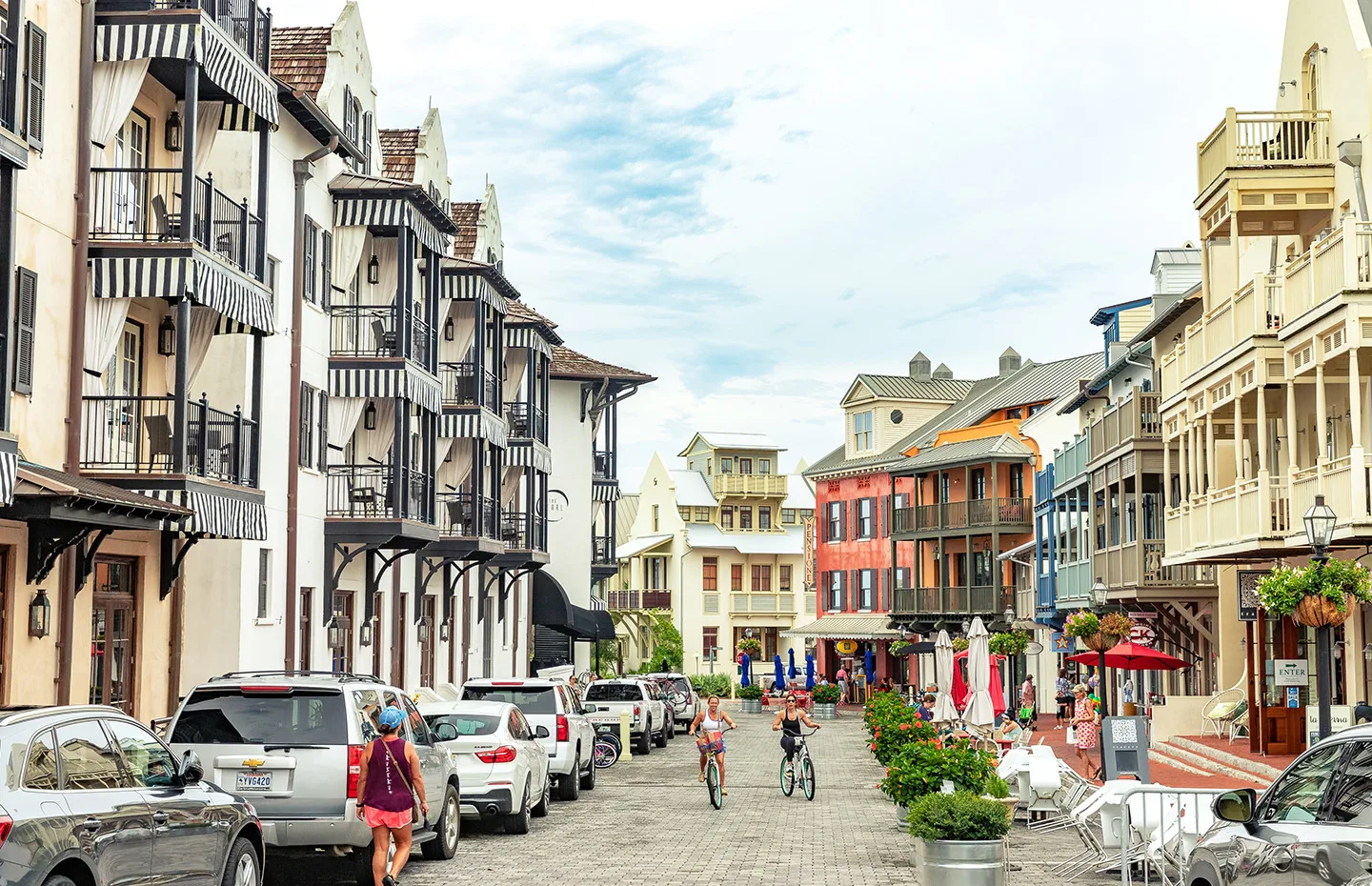
Walton County sits between the Gulf of Mexico and the pine flatwoods of the Choctawhatchee River basin, and that geography shapes nearly every restoration call we take. Salt air, tropical rainfall, high water tables and coastal dune lake hydrology all combine to make moisture the number one enemy of buildings from Miramar Beach to DeFuniak Springs.
First In Restoration handles the full range of property recovery work across the county, including:
- Water Damage Restoration - extraction, structural drying and moisture mapping after pipe failures, roof leaks and storm intrusion
- Flooded Basement - pump-out and drying for below-grade rooms, crawlspaces, sunken garages and elevated-home ground levels
- Sewage Cleanup - removal of Category 3 contamination from septic backups, lift station failures and drain line breaks
- Fire Damage Restoration - board-up, debris removal, structural cleaning and rebuild coordination
- Smoke Damage Restoration - soot removal, odor neutralization and HVAC decontamination after even small kitchen fires
- Mold Removal - containment, remediation and moisture-source correction in a climate that favors fungal growth year-round
Fast response protects framing, drywall, flooring and indoor air quality. It also keeps documentation clean for insurance carriers, which matters in a county where storm claims are common. Call (678) 483-7284 for help.
Common Damage Restoration Issues in Walton County, Florida
Most damage here traces back to water in one form or another - wind-driven rain, tidal surge, groundwater or plumbing failure. Understanding the local triggers helps homeowners catch problems early.
Local Causes We See Most Often
- Tropical systems and squall lines that drive rain under shingles, through soffits and around window flashing
- Storm surge and coastal flooding along the five critically eroded stretches of shoreline totaling roughly 18.8 miles
- High water tables near coastal dune lakes and the Choctawhatchee Bay watershed, which push moisture into slabs and crawlspaces
- Septic system saturation in rural areas around Freeport and Bruce, leading to backups after heavy rain
- HVAC condensate line clogs during long, humid cooling seasons - a leading cause of hidden ceiling and closet water damage
- Electrical and cooking fires in vacation rentals with high turnover and heavy appliance use
- Lightning strikes during the Panhandle's intense summer thunderstorm season
Warning Signs Worth Acting On
- Musty odors in closets, under stairs or near air handlers
- Cupping or darkening at the edges of wood and laminate flooring
- Discolored grout lines, bubbling paint or soft baseboards
- Slow drains, gurgling toilets or wet spots in the drain field
- Soot film on window blinds or a smoke smell that returns when the AC runs
- Recurring allergy symptoms that improve when occupants leave the property
Catching any of these early usually means drying and cleaning instead of demolition and rebuild.
Neighborhoods We Serve in Walton County
Our crews cover the full length of the county, from the beaches to the northern farming communities.
- South Walton beaches: Miramar Beach, Sandestin, Blue Mountain Beach, Grayton Beach, WaterColor, Seaside, Seagrove Beach, Alys Beach, Rosemary Beach and Inlet Beach
- Scenic 30A corridor: Dune Allen, Santa Rosa Beach, Gulf Place, Seacrest and Watersound
- Bay and inland communities: Freeport, Point Washington, Black Creek, Four Mile Village and Choctaw Beach
- North Walton: DeFuniak Springs, Mossy Head, Argyle, Glendale, Paxton, Laurel Hill area and Darlington
- River communities: Bruce, Red Bay and the Choctawhatchee River corridor
We also respond to neighboring parts of Okaloosa and Bay counties when storms affect the region broadly. Condominium associations, short-term rental managers, restaurants and retail properties along U.S. 98 and County Road 30A are regular clients, and we coordinate access with property managers when owners live out of state.
Seasonal Damage Patterns in Walton County
Restoration demand here follows a fairly predictable rhythm tied to Gulf weather.
- January - March: Cold snaps burst exposed pipes and hose bibs, especially in vacant vacation homes. Fire and smoke calls rise with space heater and fireplace use.
- April - May: Spring storm fronts bring wind-driven rain, roof leaks and the first wave of interior water damage as humidity climbs.
- June - August: Daily thunderstorms, lightning strikes and saturated ground drive flooded ground-level rooms, crawlspace water and septic backups. Mold growth accelerates in the heat.
- September - October: Peak hurricane season. Storm surge, tree impacts, roof failures and widespread sewage contamination follow major systems.
- November - December: Holiday cooking and decorative lighting increase kitchen fire and smoke damage calls, while closed-up homes trap moisture and reveal hidden mold.
Mold remediation stays steady all twelve months because Walton County rarely drops below the humidity threshold where fungal growth stops. Scheduling inspections between seasons - late winter and late spring - catches problems before peak storm demand stretches every contractor in the Panhandle.
Housing Characteristics & Restoration Considerations
Walton County housing splits into distinct groups, and each responds to damage differently.
Common Construction Types
- Coastal elevated homes on pilings with enclosed ground-level storage, garages and utility rooms that flood first during surge events
- Slab-on-grade homes throughout Santa Rosa Beach, Freeport and Miramar Beach, where water wicks into wall cavities and stays trapped behind baseboards
- Mid-rise condominiums along the beachfront with shared plumbing stacks that spread water and sewage across multiple units
- Older frame and masonry homes in DeFuniak Springs, including historic properties with plaster walls, wood lath and original heart pine
- Manufactured and modular homes in north Walton with vulnerable underbelly insulation and skirted crawlspaces
How This Affects Restoration Work
- Stucco and hardboard siding trap moisture, so drying often requires cavity access rather than surface airflow
- Spray foam attics can hide roof leaks for months, allowing mold colonies to develop before any visible staining appears
- Historic plaster and original millwork need gentle, controlled drying instead of aggressive demolition
- Condo units require containment that protects hallways, elevators and neighboring owners during sewage or mold work
- Tile over slab may look fine while the underlayment and wall base remain saturated - moisture meters tell the real story
- Post-fire cleanup in tightly sealed newer builds demands full HVAC cleaning, since ductwork distributes soot building-wide
We match equipment and methods to the structure rather than applying a single template to every property.
Environmental Conditions & Damage Implications
The environment around Walton County properties directly influences how damage develops and how it must be corrected.
Climate and Air
- Humid subtropical conditions with relative humidity frequently above 70 percent create ideal mold conditions indoors
- Annual rainfall well above the national average keeps soils saturated for extended periods
- Salt-laden coastal air accelerates corrosion on HVAC coils, fasteners and electrical components after fire or flood exposure
- Smoke odor lingers longer in humid air because soot particles bond readily to moist surfaces
Water and Soil
- Sandy, highly permeable coastal soils drain quickly but offer little resistance to rising groundwater during heavy rain
- Coastal dune lakes and the Choctawhatchee Bay watershed maintain shallow water tables that push moisture up through slabs
- Clay-heavy soils in north Walton hold water against foundations and slow septic drain field recovery
- Shoreline erosion across the county's designated critically eroded stretches reduces natural buffers against surge
What That Means for Your Property
- Drying targets must account for ambient humidity - dehumidification does more work here than air movement alone
- Flood and surge water is treated as contaminated, requiring antimicrobial application and removal of porous materials
- Sewage events in sandy soil can spread laterally, so testing and clearance verification matter
- Post-fire cleaning includes corrosion control to protect metals from salt and acidic soot residue
Storm Response, Documentation and Insurance Coordination in Walton County
After a named storm, Walton County property owners face two problems at once: physical damage and a claims process that moves fast. Clear documentation from the first hour makes the difference between a smooth settlement and months of back-and-forth.
Our Response Sequence
- Initial contact and safety triage - we confirm utilities are safe and advise whether the structure should be occupied
- Emergency mitigation - board-up, tarping, water extraction and pump-out to stop damage from spreading
- Full photo and moisture documentation - room-by-room readings, thermal imaging where useful and labeled photos before any material is removed
- Scope development - a written explanation of what is being dried, what is being removed and why
- Structural drying and cleaning - daily monitoring logs showing humidity and material moisture trending toward dry standard
- Verification and rebuild handoff - clearance confirmation for mold or sewage work, then coordination on reconstruction
Transparency You Should Expect
- Plain-language updates without restoration jargon
- Written scope shared before demolition begins, not after
- Direct communication with your adjuster, with copies sent to you
- Explanation of which items are salvageable and which are not, and the reasoning behind each call
- Support with county and state self-reporting tools that help track community-wide storm impacts
Monitoring official forecasts at www.nhc.noaa.gov before a system arrives gives you time to move valuables, photograph pre-loss conditions and pre-arrange service. When damage does occur, First In Restoration responds across the county at (678) 483-7284 - from beachfront condos to inland homes north of the interstate.