Damage Restoration in Flagler County, FL
- Damage Restoration Services Overview
- Common Damage Restoration Issues in Flagler County, Florida
- Neighborhoods We Serve in Flagler County
- Seasonal Damage Patterns in Flagler County
- Housing Characteristics & Restoration Considerations
- Environmental Conditions & Damage Implications
- Storm Recovery, Coastal Resilience, and What It Means for Property Owners
Damage Restoration Services Overview
Water spreads through a Flagler County home faster than most owners expect. Drywall wicks moisture upward within hours, and in Florida's humidity, microbial growth can begin before the first fan is even plugged in. Acting within the first day - not the first week - changes the entire scope of a project.
Restoration work in this coastal county covers a connected set of services, each addressing a different stage or type of loss:
- Water Damage Restoration - extraction, structural drying, and moisture mapping after pipe breaks, roof leaks, appliance failures, and storm intrusion
- Flooded Basement - pump-out and drying for below-grade rooms, sunken living areas, crawl spaces, and elevated-home understories
- Sewage Cleanup - containment, removal, and disinfection after septic backups, lift station failures, and toilet overflows
- Fire Damage Restoration - debris removal, structural cleaning, board-up, and rebuild coordination
- Smoke Damage Restoration - soot removal from surfaces and contents, odor neutralization, and HVAC decontamination
- Mold Removal - inspection, containment, remediation, and moisture-source correction
The benefit of a single team handling all six is continuity. A fire loss almost always includes water from suppression efforts, and untreated water leads to mold. Handling those phases under one plan prevents gaps where damage quietly worsens behind finished walls.
Common Damage Restoration Issues in Flagler County, Florida
Flagler County sits between the Atlantic and the St. Johns River basin, and both sides of that geography create restoration work. Hurricanes Ian and Nicole accelerated shoreline erosion and compromised dune systems, a reminder of how directly coastal storms translate into interior property damage.
Frequent Causes of Loss
- Wind-driven rain forced past roof edges, soffits, and window frames during tropical systems
- Tidal and stormwater flooding in low-lying areas near the Intracoastal Waterway and Pellicer Creek
- Septic system backups on rural and unincorporated properties after saturated soil conditions
- Aging supply lines, water heaters, and refrigerator connections in homes built during the 1980s-2000s growth waves
- Electrical fires and lightning strikes during the intense summer thunderstorm season
- Kitchen fires that leave heavy protein smoke residue across an entire floor plan
- Condensation and mold in oversized or poorly balanced HVAC systems
Warning Signs Worth Investigating
- Musty odor that intensifies when the air handler cycles on
- Baseboards that feel soft, look swollen, or separate from the wall
- Discolored ceiling rings near roof penetrations or second-floor bathrooms
- Gurgling drains or slow toilets, often the first hint of a septic or sewer problem
- Persistent smoke odor weeks after a small fire, signaling residue in ductwork
- Peeling paint, bubbling wallpaper, or condensation forming on interior walls
Small signs rarely stay small in a humid subtropical climate. A pinhole leak behind a vanity can support colonization across an entire cabinet run in under a week.
Neighborhoods We Serve in Flagler County
Coverage spans the full county, from barrier island properties to inland agricultural parcels.
- Palm Coast - including the C-Section, F-Section, Grand Haven, Indian Trails, Seminole Woods, Palm Harbor, and Matanzas Woods
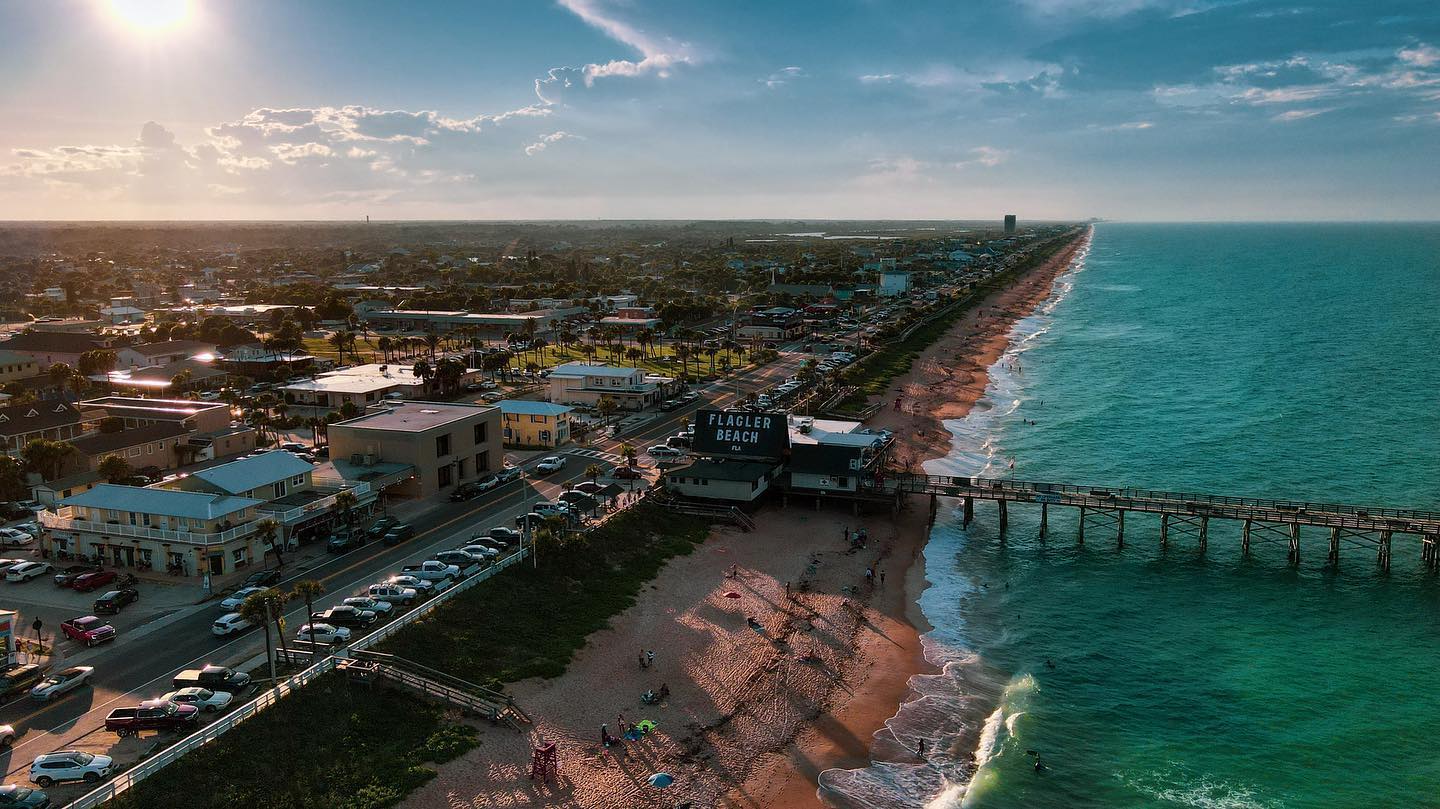
- Flagler Beach - oceanfront blocks, the North 7th Street corridor, and neighborhoods west of A1A
- Bunnell - the county seat, plus Grand Reserve and surrounding rural properties
- Beverly Beach and Painters Hill - narrow coastal strips exposed to surge and dune loss
- Marineland and the Hammock - properties near Varn Park and Malacompra Road
- Espanola, Korona, and Dupont - western unincorporated communities on septic and well systems
- Plantation Bay and Sawmill Branch - communities along the Volusia County line
Response also extends to adjacent portions of St. Johns, Putnam, and Volusia counties when regional storm events stretch local capacity.
Seasonal Damage Patterns in Flagler County
Restoration demand follows the calendar closely here, and knowing the pattern helps owners prepare.
- January - March: Cooler, drier months bring heating-related fires, space heater incidents, and smoke damage. Occasional cold snaps stress plumbing in unconditioned garages and outbuildings.
- April - May: Dry season peaks. Brush and wildfire risk rises across western Flagler, and smoke infiltration through HVAC systems becomes a concern even for homes far from the burn.
- June - August: Daily thunderstorms, lightning strikes, and roof leaks dominate. High dew points push indoor humidity up, and mold calls climb sharply.
- September - October: Peak hurricane months. Surge, wind-driven rain, flooded lower levels, and widespread sewage backups from overwhelmed systems. Fire risk also rises from generator misuse and candle use during outages.
- November - December: Late-season storms like Nicole have proven the season is not over until it is over. Holiday cooking and decorative lighting drive kitchen and electrical fires.
Mold remediation, unlike the others, has no true off-season - it simply follows whatever water event came before it.
Housing Characteristics & Restoration Considerations
Flagler County's housing stock reflects rapid growth, particularly the Palm Coast expansion from the 1970s onward, with heavy construction activity again in the 2000s and 2010s.
Common Construction Types
- Concrete block with stucco (CBS) - dominant across Palm Coast. Block holds moisture and hides it well, so wall cavities need probe meters rather than visual inspection alone.
- Wood-frame homes - common in Flagler Beach and older Bunnell properties, more vulnerable to rot and structural drying challenges.
- Elevated coastal homes - pilings and enclosed ground-level storage that flood readily during surge events.
- Manufactured and modular homes - widespread in western unincorporated areas, where floor decking and belly wrap trap water beneath living space.
- Slab-on-grade construction - the norm countywide, meaning traditional basements are rare and "flooded basement" work usually means crawl spaces, sunken rooms, or ground-level enclosures.
How Construction Shapes the Work
- Post-tension slabs require careful leak detection before any cutting or drilling
- Older homes may contain asbestos-bearing materials or lead paint, requiring testing before demolition after fire or water loss
- Tile over slab traps moisture underneath, often demanding specialized drying mats
- Attic-mounted air handlers spread smoke and mold spores through every supply register
- Septic systems on many rural parcels raise the likelihood of category three water requiring full sewage cleanup protocols
- Popcorn ceilings and textured finishes hold soot tightly and often need replacement rather than cleaning
Environmental Conditions & Damage Implications
The local environment shapes nearly every technical decision made on a restoration job in Flagler County.
Climate and Humidity
- Humid subtropical conditions with relative humidity frequently above 70 percent
- Warm year-round temperatures that keep mold-friendly conditions active in all seasons
- Summer dew points that make open-window drying counterproductive - sealed structures with dehumidification are the standard approach
Soil and Groundwater
- Sandy coastal soils drain quickly but shift, stressing slabs and underground plumbing
- Inland areas with clay and muck layers that hold water and delay site drying
- Shallow water tables across much of the county, which slow crawl space and below-grade drying and can cause hydrostatic seepage
- Saturated soil after major rainfall that overwhelms drain fields and triggers septic backups
Air and Water Quality Factors
- Salt-laden coastal air that accelerates corrosion on electronics, fixtures, and metal framing after any water event
- Well water on rural properties, which may carry sulfur and iron that stain surfaces during flooding
- Wildfire smoke drift during dry season, layering onto existing indoor air quality problems
- Storm floodwater that mixes stormwater, sewage, fuel, and landscaping chemicals - always treated as contaminated
These conditions mean drying targets, containment setups, and antimicrobial applications get adjusted for the property rather than pulled from a generic template. A beachfront home in Painters Hill and a block house in Seminole Woods rarely dry the same way.
Storm Recovery, Coastal Resilience, and What It Means for Property Owners
Flagler County's shoreline recovery has been an ongoing public effort since Hurricanes Ian and Nicole stripped dunes and accelerated erosion. Federal Category G funding supports permanent repair of damaged public infrastructure, and the Flagler Reach 2 beach restoration project - running from North 7th Street in Flagler Beach north to Varn Park - is scheduled to begin in the summer of 2026. That work strengthens the coastline, but it does not protect the interior of any individual home.
What Owners Can Control
- Document the property before storm season with dated photos of every room, roof, and mechanical system
- Keep a written inventory of high-value contents, stored off-site or in the cloud
- Confirm whether the policy covers flood separately from wind and water backup
- Service the HVAC system and check drain pan lines, a common source of hidden water damage
- Have the septic tank inspected and pumped on schedule to reduce backup risk
- Clear gutters, downspouts, and swale drainage before June
- Photograph the condition of dunes, seawalls, and bulkheads on coastal parcels
Steps After a Storm Hits
- Confirm the structure is safe to enter and utilities are shut off where needed
- Photograph and video everything before moving or discarding any material
- Call for emergency mitigation - tarping, board-up, and water extraction come first
- Notify the insurance carrier and open a claim number the same day
- Allow moisture mapping and documented drying rather than assuming surfaces are dry
- Schedule a mold inspection two to three weeks later if any material stayed wet
- Move into reconstruction once readings confirm the structure is genuinely dry
Storm losses in Flagler County rarely stay in one category. Wind opens the envelope, rain follows, contaminated water enters, and mold arrives behind it. Treating the event as a sequence rather than a single incident is what keeps a repair from becoming a rebuild.