Damage Restoration in Hendry County, FL
- Damage Restoration Services Overview
- Common Damage Restoration Issues in Hendry County, Florida
- Neighborhoods We Serve in Hendry County
- Seasonal Damage Patterns in Hendry County
- Housing Characteristics & Restoration Considerations
- Environmental Conditions & Damage Implications
- Rural Septic Failures, Storm Flooding, and the Equipment That Handles Them
Damage Restoration Services Overview
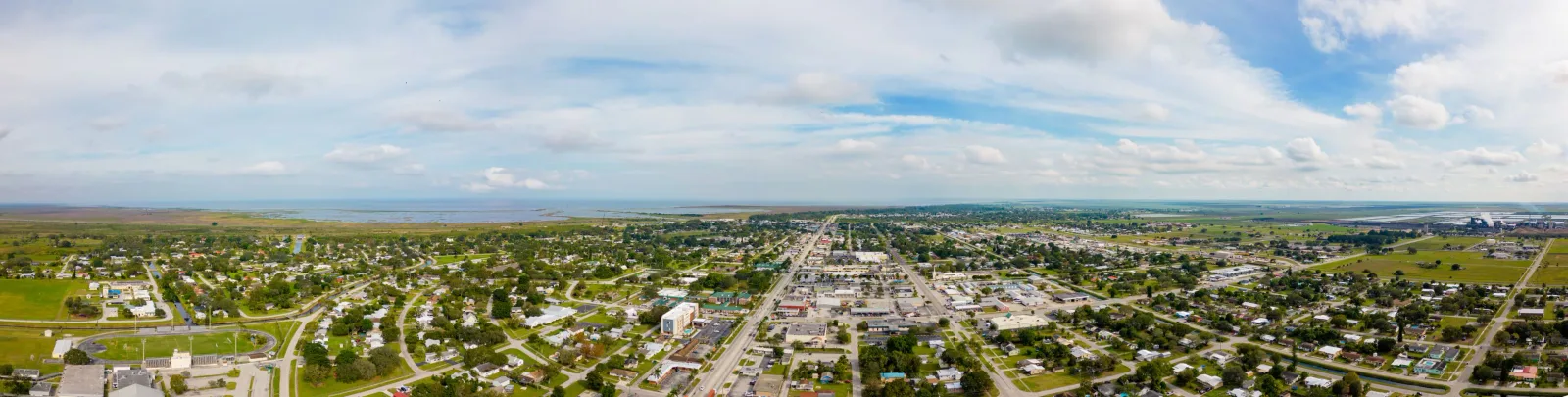
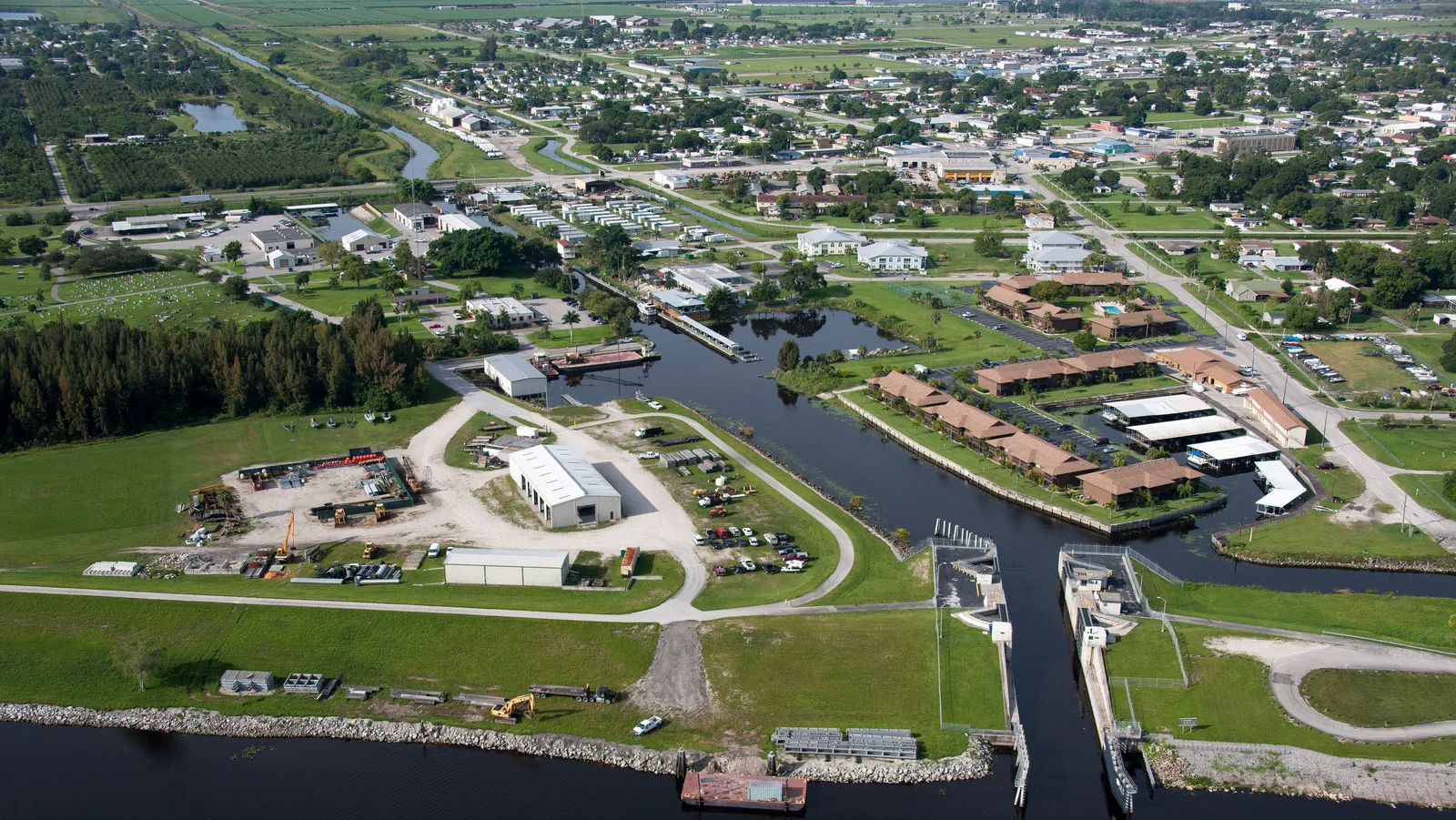
Hendry County sits almost entirely below 30 feet of elevation, and much of its farmland and residential land drains through canals managed by water control districts rather than natural rivers. That engineered drainage is efficient - until a tropical system dumps ten inches of rain in a day and the entire system backs up at once.
When that happens, homes in LaBelle, Clewiston, and the surrounding agricultural communities need more than a shop vac and a box fan. They need certified restoration crews with calibrated moisture meters, LGR dehumidifiers, and antimicrobial protocols.
Services available across Hendry County include:
- Water Damage Restoration - extraction, structural drying, and documented moisture mapping after roof leaks, supply line failures, and storm intrusion
- Flooded Basement - pump-out and drying for below-grade areas, crawlspaces, sunken garages, and slab-recessed rooms common in older properties
- Sewage Cleanup - Category 3 black water remediation for septic backups, lift station overflows, and toilet line failures
- Fire Damage Restoration - emergency board-up, debris removal, structural cleaning, and rebuild coordination
- Smoke Damage Restoration - soot removal, thermal fogging, HEPA air scrubbing, and odor neutralization
- Mold Removal - containment, HEPA filtration, and removal of affected materials under Florida mold remediation licensing
Benefits for residents include faster insurance documentation, reduced secondary damage, and a property returned to pre-loss condition with fewer surprises.
Common Damage Restoration Issues in Hendry County, Florida
Hendry County's mix of agricultural operations, rural homesteads, and small-town residential blocks creates damage patterns you won't see in coastal condo markets. Water arrives from above, below, and sideways.
Primary Causes of Loss
- Tropical rainfall and hurricane bands - wind-driven rain forced past soffits, ridge vents, and aging shingle fields
- Sheet flooding - flat terrain and saturated soils push standing water toward slab foundations and thresholds
- Septic system saturation - drainfields fail when the water table rises, sending waste back into tubs and floor drains
- Well and irrigation line breaks - rural supply lines run long distances and fail without warning
- Electrical fires - older wiring, farm equipment, generator misuse during outages
- Agricultural burning and wildfire smoke - cane field burns and dry-season brush fires push smoke odor into homes through HVAC intakes
Warning Signs Worth Acting On
- Musty odor that intensifies when the air handler cycles on
- Ceiling stains that reappear after being painted over
- Baseboards separating, swelling, or showing dark wicking lines
- Tile that sounds hollow or grout that stays damp days after cleaning
- Gurgling drains or slow flushing after heavy rainfall
- Sooty film on window blinds, lampshades, or return air vents
- Persistent allergy symptoms that improve when occupants leave the house
Water intrusion that appears minor on the surface often extends several feet into wall cavities and under flooring. Moisture meters and thermal imaging find what the eye misses.
Neighborhoods We Serve in Hendry County
Crews respond across the full county footprint, from the Caloosahatchee corridor to the sugar lands near Lake Okeechobee.
- LaBelle - the county seat, including riverfront homes along the Caloosahatchee and historic downtown properties
- Clewiston - "America's Sweetest Town," including neighborhoods near the Herbert Hoover Dike and the sugar mill district
- Harlem - established residential blocks east of Clewiston
- Felda - rural homesteads and agricultural properties in the southwest
- Montura Ranch Estates and Pioneer Plantation - large-lot rural subdivisions with private wells and septic systems
- Port LaBelle - platted residential sections north and south of the river
- Flaghole, Fort Denaud, and Muse - outlying communities along SR 80 and CR 78
Service also extends to neighboring Glades County, Collier County, Lee County, Charlotte County, and DeSoto County, so multi-property owners and property managers can coordinate one response across county lines.
Seasonal Damage Patterns in Hendry County
Restoration demand in Hendry County follows the rain, the heat, and the burn schedule.
Wet Season - June through October
- Daily convective thunderstorms drive roof leaks and window seal failures
- Peak hurricane activity in August and September brings widespread water damage and flooded lower levels
- Rising water tables trigger septic backups and sewage cleanup calls
- Power outages lead to generator-related fire damage and smoke odor
Transition - November
- Hidden moisture from summer storms surfaces as visible mold growth
- Homeowners returning from travel discover long-running slow leaks
Dry Season - December through April
- Brush fire and agricultural burn season increases smoke damage claims
- Holiday cooking, heaters, and candles raise residential fire risk
- Soil shrinkage stresses slab plumbing, producing under-slab leaks
Pre-Season - May
- Rising humidity restarts mold colonization in poorly ventilated spaces
- Best window for roof inspection, drainage clearing, and moisture checks
Housing Characteristics & Restoration Considerations
Housing stock in Hendry County skews older and more varied than in Florida's coastal metros. A single street can hold a 1950s block home, a 1980s frame house, and a recent manufactured home on a raised pad.
Construction Types and What They Mean for Restoration
- Concrete block with stucco (CBS) - block holds moisture in its cores and behind furring strips; drying requires cavity access and targeted airflow rather than surface fans alone
- Wood frame homes - faster to dry but more vulnerable to structural rot and mold growth inside insulated wall cavities
- Manufactured and mobile homes - vinyl-backed gypsum panels and belly wrap trap water beneath the floor; the underbelly usually must be opened and dried separately
- Older homes with crawlspaces or sunken rooms - these function as the county's version of a flooded basement and need pump-out plus dehumidification
- Agricultural outbuildings and barns - metal structures with condensation issues and stored chemicals that complicate cleanup
Age-Related Factors
- Pre-1980 homes may contain asbestos-bearing flooring or joint compound requiring testing before demolition
- Cast iron drain lines in older properties crack and leak, creating repeat sewage cleanup events
- Galvanized supply piping corrodes and fails at joints
- Original single-pane windows and unsealed penetrations allow wind-driven rain intrusion
- Undersized or aging HVAC systems spread smoke residue and mold spores throughout ductwork
Documentation matters here. Photo logs, moisture readings, and material inventories support insurance claims on properties where original construction records no longer exist.
Environmental Conditions & Damage Implications
Hendry County averages more than 50 inches of rain a year, with the bulk falling between June and September. Relative humidity commonly sits above 70 percent for months at a time.
Climate Effects
- Ambient humidity alone can sustain mold growth on damp drywall without any active leak
- Warm temperatures accelerate microbial amplification - visible growth can appear within 24 to 48 hours of water intrusion
- Air conditioning condensate lines clog and overflow, a leading cause of quiet, long-running water damage
Soil and Groundwater
- Sandy and marl soils over a shallow limestone base drain quickly - until saturated, at which point water pools at grade
- High water tables reduce septic drainfield capacity and increase sewage backup risk
- Organic muck soils near the Everglades Agricultural Area retain moisture against foundations
- Groundwater with elevated mineral content leaves staining on porous materials after flooding
Air Quality Considerations
- Seasonal agricultural burning introduces fine particulate that settles into HVAC systems and soft goods
- Smoke residue is acidic and etches metal, glass, and finished surfaces if left untreated
- Rural dust and pollen loads increase filter demand during and after restoration work
These conditions shape every drying plan. Dehumidifier sizing, containment design, and clearance testing all account for the local psychrometric reality rather than a generic national template.
Rural Septic Failures, Storm Flooding, and the Equipment That Handles Them
A large share of Hendry County properties operate on private septic systems and private wells. When a tropical system saturates the ground, drainfields lose the ability to absorb effluent, and Category 3 water enters living space through the lowest fixtures in the home.
This is not a mop-and-bleach situation. Black water carries pathogens, and porous materials it contacts generally cannot be salvaged.
The Response Sequence
- Safety assessment - electrical hazards identified, contaminated zones marked, personal protective equipment deployed
- Containment - negative air pressure established with HEPA-filtered air scrubbers to prevent cross-contamination
- Bulk extraction - truck-mounted and portable extraction units remove standing water and solids
- Controlled demolition - affected drywall, insulation, carpet, pad, and cabinet toe kicks removed and bagged
- Cleaning and antimicrobial application - hard surfaces washed, treated, and rinsed per IICRC S500 and S520 guidance
- Structural drying - LGR dehumidifiers and axial air movers positioned by psychrometric calculation, not guesswork
- Daily monitoring - moisture readings logged at fixed points until documented drying goals are met
- Verification and reconstruction planning - final readings recorded and rebuild scope prepared
Equipment That Makes the Difference
- Thermal imaging cameras - locate moisture behind block walls and above ceilings without exploratory demolition
- Penetrating and non-penetrating moisture meters - confirm actual material moisture content
- Low-grain refrigerant dehumidifiers - pull moisture in the high-humidity conditions typical of South Florida
- Desiccant units - used for dense materials like concrete block and hardwood
- Injectidry systems - dry wall cavities and under-cabinet voids without removing finishes
- HEPA air scrubbers and hydroxyl generators - address airborne spores and smoke odor at the molecular level
Combining rapid arrival with documented, standards-based drying keeps a septic backup or storm flood from turning into a months-long mold remediation project.