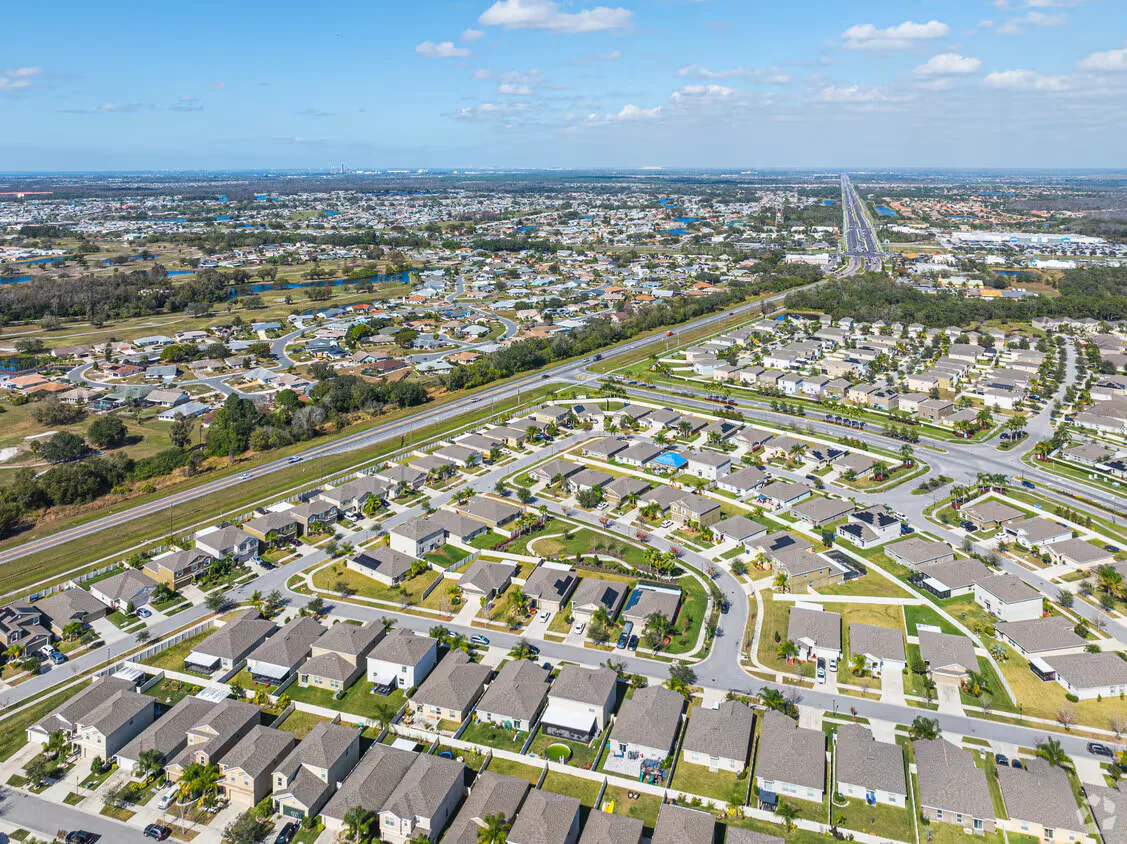
Damage Restoration in Hillsborough, FL
- Damage Restoration Services Overview
- Common Damage Restoration Issues in Hillsborough, Florida
- Neighborhoods We Serve in Hillsborough
- Seasonal Damage Patterns in Hillsborough
- Housing Characteristics & Restoration Considerations
- Environmental Conditions & Damage Implications
- Hurricane and Storm Surge Restoration Expertise
Damage Restoration Services Overview
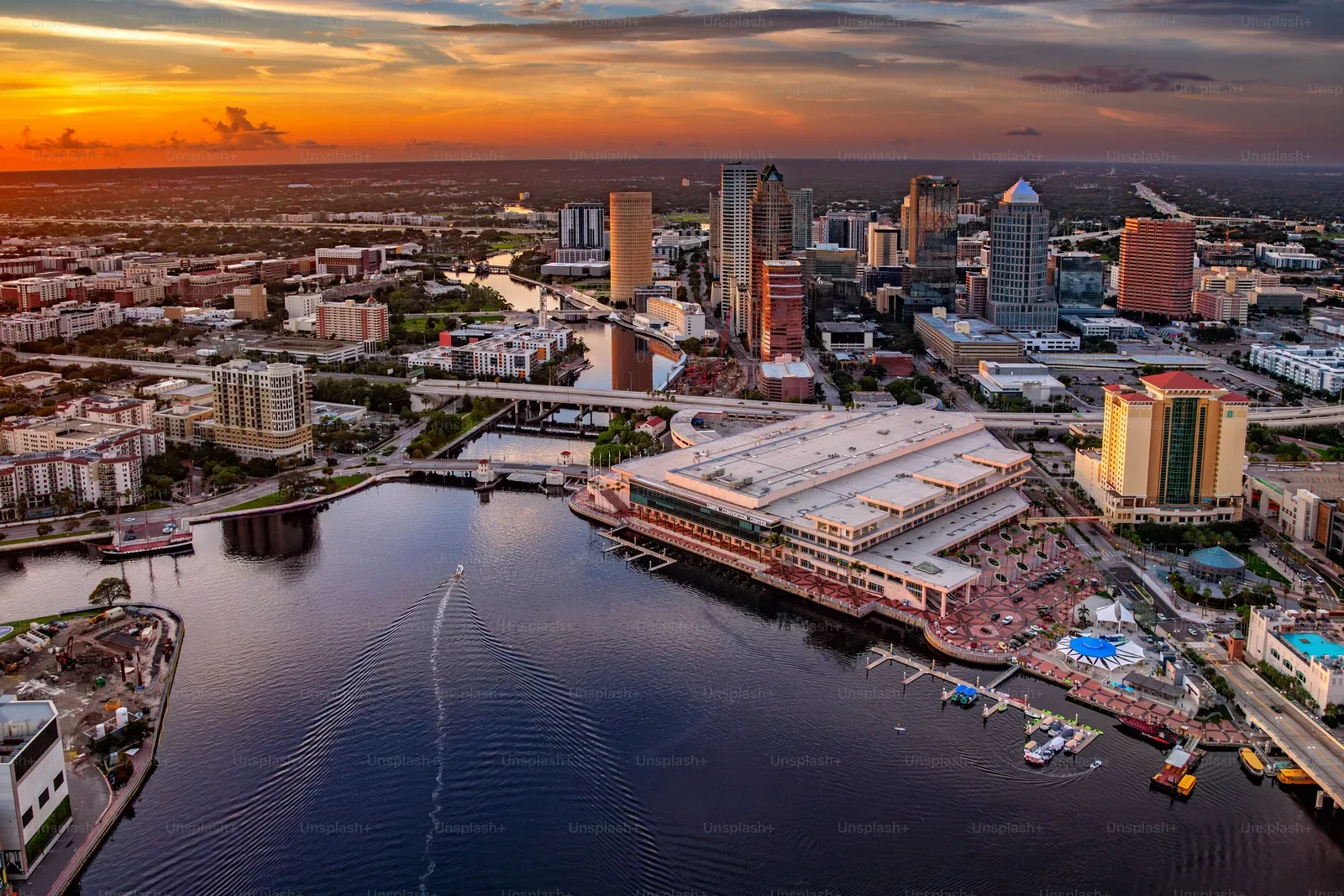
Hillsborough County experiences over 100 days of thunderstorms annually, making it one of Florida's most storm-prone regions. This weather pattern creates unique challenges for property owners who face recurring threats from water intrusion, flooding, and storm-related damage.
Our comprehensive damage restoration services address the full spectrum of property emergencies common to Hillsborough residents:
- Water Damage Restoration - Rapid extraction and drying for burst pipes, roof leaks, and storm flooding
- Flooded Basement - Specialized equipment for below-grade water removal and structural drying
- Sewage Cleanup - Safe remediation of contaminated water with proper sanitization protocols
- Fire Damage Restoration - Complete reconstruction services from minor incidents to major structural damage
- Smoke Damage Restoration - Advanced cleaning techniques for soot removal and odor elimination
- Mold Removal - Professional remediation using containment and air filtration systems
Each service combines rapid response capabilities with advanced restoration technology. Our teams understand how Hillsborough's subtropical climate accelerates damage progression, particularly with water-related incidents that can lead to mold growth within 24-48 hours.
Common Damage Restoration Issues in Hillsborough, Florida
Hillsborough's location in the Tampa Bay watershed creates specific vulnerability patterns that property owners encounter throughout the year. The combination of aging infrastructure, seasonal weather extremes, and coastal proximity generates predictable damage scenarios.
Water damage represents the most frequent restoration need due to several local factors:
- Afternoon thunderstorms with intense rainfall rates exceeding drainage capacity
- Hurricane and tropical storm surge affecting low-lying neighborhoods
- Aging sewer systems that backup during heavy rain events
- Foundation settling in sandy soils causing pipe stress and breaks
Fire and smoke damage incidents often correlate with specific conditions:
- Dry winter months increasing wildfire risk in rural areas
- Electrical storms causing structure fires and power surges
- Older homes with outdated wiring systems prone to electrical fires
- Kitchen fires from high humidity affecting appliance performance
Mold growth accelerates rapidly in Hillsborough's climate, with warning signs including:
- Musty odors in enclosed spaces after rain events
- Visible growth on walls, ceilings, or around windows
- Increased allergy symptoms among household members
- Water stains or discoloration on building materials
Neighborhoods We Serve in Hillsborough
Our restoration teams provide comprehensive coverage throughout Hillsborough County's diverse communities, from urban centers to rural developments. Each neighborhood presents unique restoration challenges based on housing age, elevation, and proximity to water sources.
Primary service areas include:
- Tampa - Historic districts with older homes requiring specialized restoration techniques
- Brandon - Established suburban communities with mature landscaping and drainage concerns
- Riverview - Newer developments built in former agricultural areas with settling issues
- Plant City - Rural properties with well water systems and septic challenges
- Temple Terrace - Mid-century homes near the Hillsborough River with flood exposure
- Valrico - Mixed residential areas with varying construction standards
- Seffner - Agricultural transition zones with unique soil and water table conditions
Seasonal Damage Patterns in Hillsborough
Hillsborough's subtropical climate creates distinct seasonal patterns for different types of property damage. Understanding these cycles helps property owners prepare for peak risk periods and recognize early warning signs.
Summer Season (June - September):
- Peak water damage from daily thunderstorms and tropical weather systems
- Increased sewage backup incidents during heavy rainfall periods
- Higher mold growth rates due to elevated humidity levels
Fall and Winter (October - February):
- Fire damage incidents increase during dry conditions
- Smoke damage from wildfires affecting air quality
- Pipe bursts from rare freeze events damaging unprotected plumbing
Spring (March - May):
- Basement flooding from seasonal water table fluctuations
- Mold discovery in areas with winter moisture accumulation
- Storm damage preparation period before summer weather patterns
Housing Characteristics & Restoration Considerations
Hillsborough County's housing stock reflects decades of growth patterns, with construction methods and materials varying significantly by neighborhood age and development era. These characteristics directly impact restoration approaches and timeline requirements.
Housing age distribution creates specific restoration challenges:
- Pre-1980 Construction - Block and stucco homes requiring specialized water extraction techniques
- 1980s-2000s Development - Frame construction with drywall systems prone to mold growth
- Post-2000 Communities - Modern materials with improved moisture barriers but complex HVAC systems
Foundation types influence restoration complexity:
- Slab-on-grade construction requires surface water removal and dehumidification
- Crawl space foundations need specialized drying equipment and vapor barrier replacement
- Basement areas demand pump systems and structural moisture monitoring
Roofing materials affect fire and water damage patterns:
- Tile roofs resist fire but channel water during storms
- Shingle systems require prompt replacement after fire exposure
- Metal roofing conducts heat during fires but sheds water effectively
HVAC system designs impact smoke and mold distribution throughout structures, requiring comprehensive ductwork cleaning and filtration system upgrades during restoration projects.
Environmental Conditions & Damage Implications
Hillsborough County's environmental conditions create a complex restoration landscape where climate, soil composition, and water sources interact to influence damage patterns and recovery strategies.
Climate factors directly affecting restoration needs:
- Humidity Levels - Average 75% relative humidity accelerates mold growth and complicates drying processes
- Temperature Fluctuations - Daily swings of 20-30 degrees stress building materials and plumbing systems
- Rainfall Intensity - Storm events delivering 2-4 inches per hour overwhelm drainage systems
- Wind Patterns - Gulf moisture creates persistent dampness in enclosed spaces
Soil characteristics impact foundation stability and water management:
- Sandy soils provide rapid drainage but offer minimal structural support
- Clay deposits create water retention and expansion issues
- Organic matter in former agricultural areas affects groundwater chemistry
- Limestone substrata influences well water quality and basement moisture
Water table variations affect restoration approaches:
- Seasonal fluctuations of 2-4 feet impact basement and crawl space conditions
- Storm surge penetration extends miles inland during major weather events
- Aquifer contamination requires specialized filtration during water damage restoration
Air quality considerations influence smoke damage and mold remediation protocols, with pollen counts, industrial emissions, and wildfire smoke creating complex filtration requirements during restoration projects.
Hurricane and Storm Surge Restoration Expertise
Hillsborough County's position along Florida's Gulf Coast places properties directly in the path of tropical weather systems that can generate catastrophic damage requiring specialized restoration approaches. The combination of storm surge, wind damage, and prolonged flooding creates unique challenges that demand immediate response and comprehensive recovery strategies.
Storm surge restoration requires coordinated response across multiple damage categories:
- Saltwater Contamination - Immediate flushing of electrical systems and metal components to prevent corrosion
- Structural Assessment - Foundation and framing inspection for storm damage before restoration begins
- Category 3 Water Removal - Contaminated floodwater extraction using specialized equipment and safety protocols
- Rapid Mold Prevention - Aggressive dehumidification within 24 hours to prevent widespread growth
Wind damage often compounds water intrusion problems:
- Emergency board-up services to secure compromised roof and wall systems
- Tarp installation with proper ventilation to prevent moisture accumulation
- Debris removal coordinated with water extraction operations
- Smoke damage assessment from electrical fires caused by storm surges
Post-storm sewage system failures create additional restoration complexity. Overwhelmed treatment facilities and damaged infrastructure lead to widespread contamination requiring comprehensive cleanup protocols. Our teams coordinate with local utilities to restore safe water access while conducting thorough sanitization of affected areas.
Recovery timelines extend beyond typical restoration projects due to material availability and contractor demand. Our established supply chains and equipment staging areas throughout Hillsborough County enable faster response times when communities face widespread damage from major storm events.