Damage Restoration in Charlotte County, FL
- Damage Restoration Services Overview
- Common Damage Restoration Issues in Charlotte County, Florida
- Neighborhoods We Serve in Charlotte County
- Seasonal Damage Patterns in Charlotte County
- Housing Characteristics & Restoration Considerations
- Environmental Conditions & Damage Implications
- Hurricane Season Readiness and Modern Drying Technology in Charlotte County
Damage Restoration Services Overview
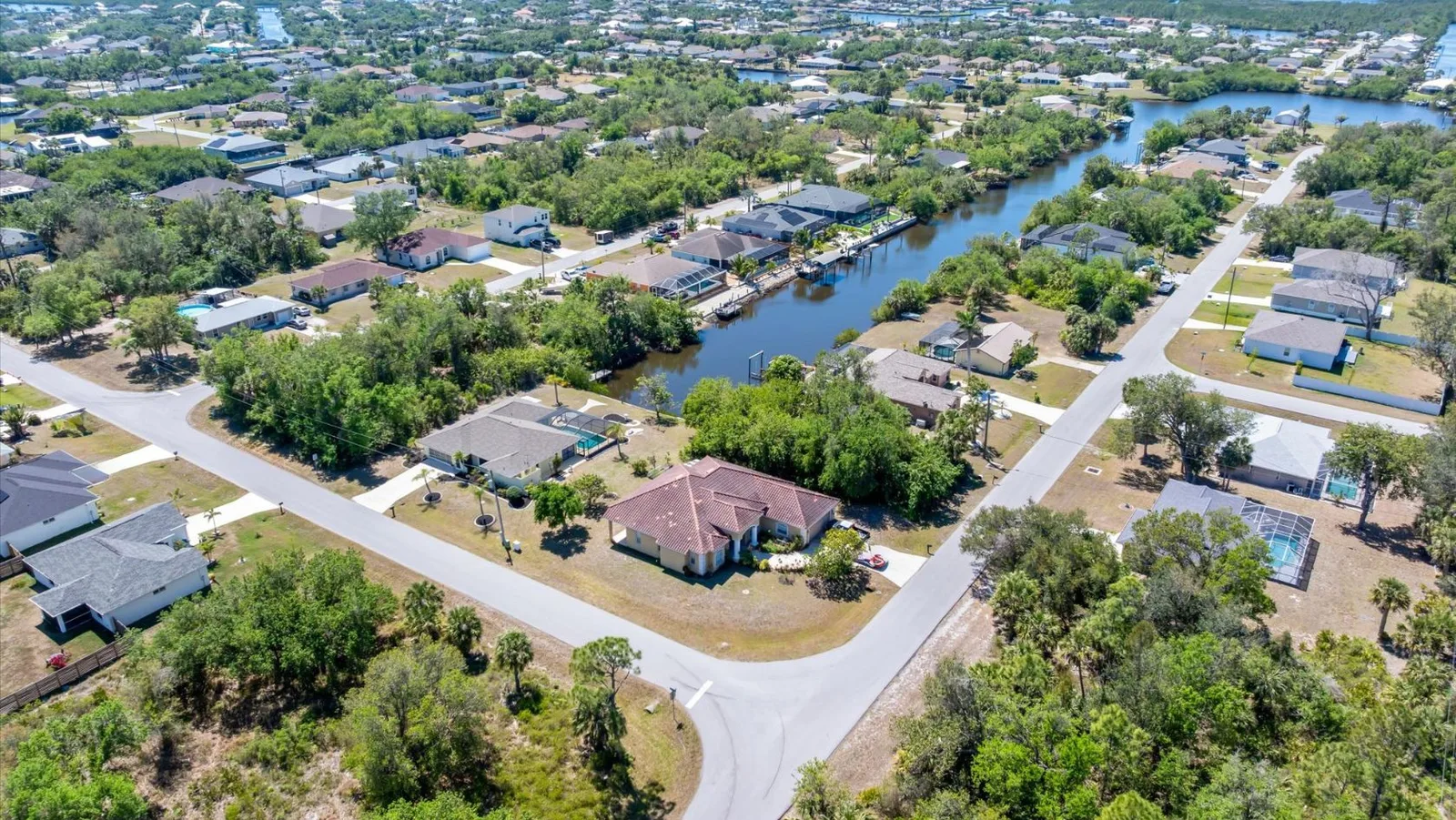
Water spreads through a Charlotte County home in minutes, and microbial growth can begin within a day or two in Southwest Florida's humidity. The speed of the first response usually determines whether flooring, drywall, and cabinetry are dried in place or demolished and rebuilt.
WrightWay Emergency Services answers live 24/7/365 at (941) 379-8669 and dispatches IICRC-certified crews across Port Charlotte, Punta Gorda, Englewood, Rotonda West, and Babcock Ranch for every category of property loss.
- Water Damage Restoration - extraction, structural drying, moisture mapping, and documented daily readings for supply line breaks, roof leaks, and storm intrusion.
- Flooded Basement - pump-out and drying for below-grade rooms, sunken living areas, elevator pits, crawl spaces, and slab-recessed storage found in coastal builds.
- Sewage Cleanup - Category 3 black water removal, contaminated material disposal, and antimicrobial treatment after backups and septic failures.
- Fire Damage Restoration - board-up, debris removal, structural stabilization, and reconstruction under licensed oversight.
- Smoke Damage Restoration - soot removal from framing and HVAC systems, thermal fogging, and odor neutralization.
- Mold Removal - containment, HEPA filtration, controlled removal, and clearance-ready documentation.
Every project is documented for adjusters, property managers, and owners so mitigation, contents handling, and reconstruction stay on one continuous record.
Common Damage Restoration Issues in Charlotte County, Florida
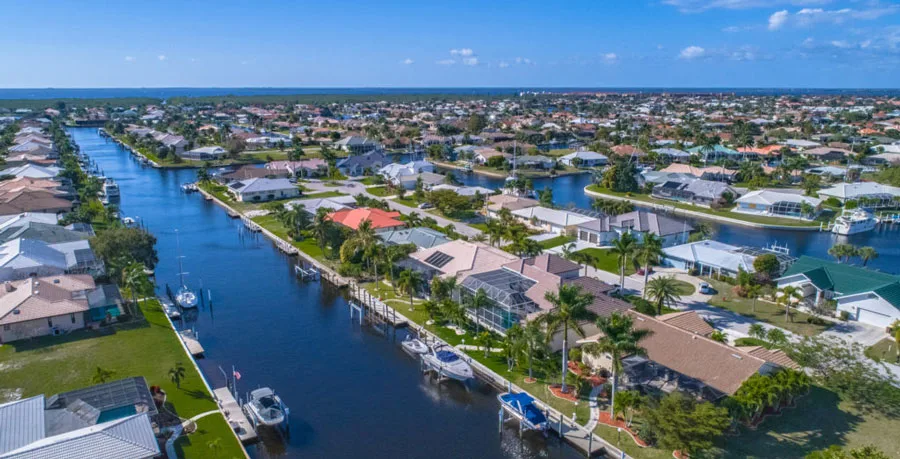
Charlotte Harbor, the Peace River, and thousands of miles of canal frontage put homes here in constant contact with water. Hurricane Ian's 2022 direct hit demonstrated how quickly wind-driven rain, surge, and power loss combine into layered damage that touches every service line.
Local Damage Triggers
- Tropical storm surge pushing brackish harbor water into canal-front and Gulf-access properties.
- Roof and soffit failures from sustained wind, allowing rain into attics and wall cavities.
- Aging cast iron and clay sewer laterals collapsing, causing backups into tubs and floor drains.
- Septic drain field saturation in rural Charlotte County after heavy rainfall.
- Failed water heaters, ice maker lines, and washing machine hoses in seasonal homes left unattended.
- Electrical fires from storm-damaged panels, generator misuse, and lightning strikes during summer convection storms.
- Grease and cooking fires that spread soot through returns and ductwork within minutes.
Warning Signs Worth Acting On
- Musty odor that returns each time the air handler cycles on.
- Baseboards separating, tile grout darkening, or laminate edges swelling.
- Ceiling stains that expand after each rain event.
- Gurgling drains or slow toilets that hint at a main line problem.
- Persistent smoke odor weeks after a small kitchen or lanai fire.
- Condensation on interior vents, indicating high indoor relative humidity.
Snowbird-owned homes are especially vulnerable because a slow leak can run for weeks before anyone notices.
Neighborhoods We Serve in Charlotte County
Crews cover the full county and adjacent Southwest Florida communities, from waterfront estates to inland subdivisions.
- Port Charlotte - canal-front ranch homes, mid-century blocks, and commercial corridors along Tamiami Trail.
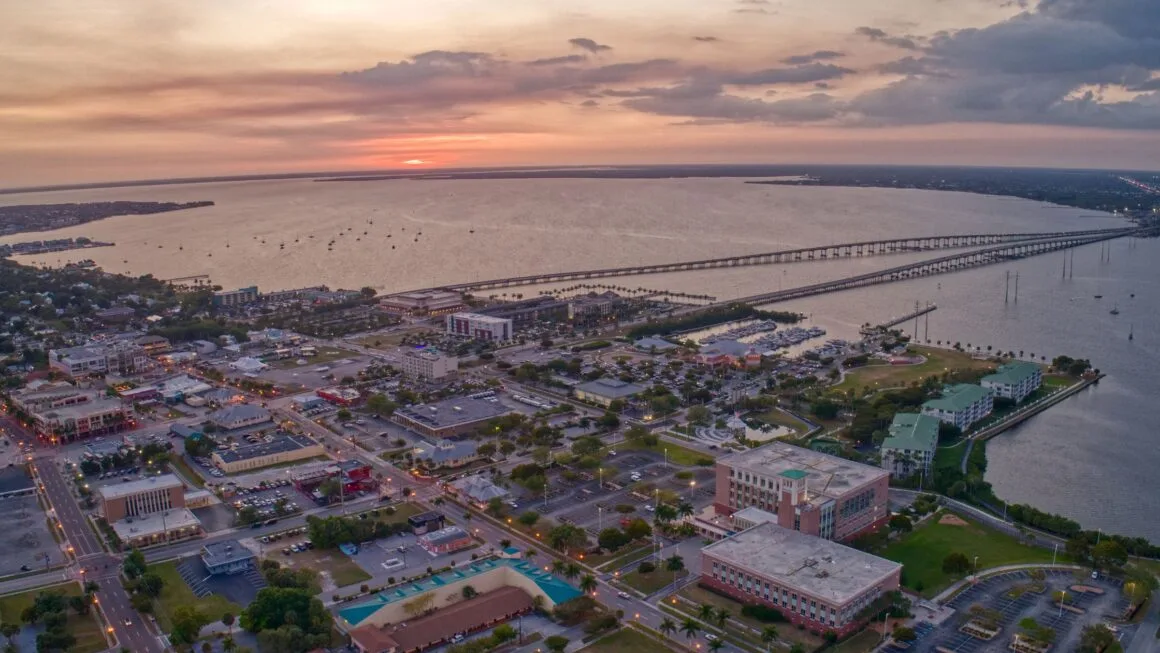
- Punta Gorda and Punta Gorda Isles - historic downtown structures plus sailboat-access waterfront properties.
- Englewood and Manasota Key - beachfront cottages and elevated coastal builds.
- Rotonda West - golf-course communities with slab-on-grade construction.
- Babcock Ranch - newer solar-powered residential and commercial buildings.
- Deep Creek, Harbour Heights, and Charlotte Harbor - established neighborhoods near the Peace River.
- Placida, Cape Haze, and Grove City - coastal properties with high salt exposure.
- El Jobean, Murdock, and South Gulf Cove - mixed residential with canal drainage systems.
Dispatch also extends into Sarasota, Lee, and DeSoto Counties when regional storm events stretch demand.
Seasonal Damage Patterns in Charlotte County
Restoration demand here follows the weather calendar closely, and each season brings a different mix of losses.
- January - March (dry season): Fire and smoke damage rise with heavier cooking, holiday appliance use, and dry brush conditions. Seasonal residents return and discover leaks that ran unnoticed for months.
- April - May: Brush fire risk peaks as rainfall bottoms out. Smoke odor infiltration from regional wildfires affects HVAC systems even in undamaged homes.
- June - August: Daily thunderstorms, lightning strikes, and roof leaks drive water damage calls. Humidity above 80 percent makes mold removal the fastest-growing request.
- September - October: Peak hurricane months. Storm surge, flooded lower levels, sewage backups from overwhelmed lift stations, and widespread power loss create simultaneous multi-service emergencies.
- November - December: Post-storm mold discoveries surface as homeowners open closed-up properties. Reconstruction work from earlier losses continues while heating and appliance fires tick upward.
Sewage cleanup requests cluster after any heavy rain event that saturates septic fields or overloads county collection lines.
Housing Characteristics & Restoration Considerations
Charlotte County's roughly 190,000 residents live in a housing stock that spans 1960s Port Charlotte platted lots through brand-new Babcock Ranch construction. That range changes how each loss is approached.
Common Construction Types
- Concrete block with stucco (CBS): Dominant across Port Charlotte and Punta Gorda. Block holds moisture in the cores and behind furring strips, requiring drilled drying and cavity air movement rather than surface fans.
- Slab-on-grade foundations: Most homes lack true basements, so flooding collects in sunken rooms, garages, and elevator pits - the local equivalent of a flooded basement.
- Wood-frame and elevated coastal builds: Common on Manasota Key and Placida, with enclosed under-structure areas that trap humidity.
- Manufactured and mobile homes: Widespread in older parks. Thin wall assemblies, belly wrap insulation, and limited cavity access make water extraction and mold containment more involved.
- Post-Ian reconstruction: Newer roofs and impact windows perform better, but rushed repairs sometimes sealed damp materials behind finishes.
How Age Affects the Work
- Homes built before 1980 may contain asbestos-bearing floor tile, mastic, or popcorn ceilings that require testing before demolition.
- Cast iron drain lines in mid-century houses fail progressively, leading to repeat sewage cleanup calls until they are relined.
- Original electrical panels raise fire risk and complicate post-fire restoration scope.
- Undersized or oversized HVAC systems leave interior humidity high, feeding mold growth after even minor water intrusion.
Environmental Conditions & Damage Implications
Southwest Florida's climate works against drying. Average annual rainfall exceeds 50 inches, most of it falling between June and September, and outdoor dew points sit near indoor comfort levels for months at a time.
Conditions That Shape Restoration
- High ambient humidity: Open-window drying rarely works. Sealed environments with commercial dehumidification are the reliable route.
- Sandy, high-water-table soil: Rainwater and surge drain slowly, keeping slabs and footers damp long after the storm passes.
- Brackish harbor and canal water: Flood water carrying salt, silt, and biological contaminants is treated as Category 3, which changes disposal, cleaning, and clearance procedures.
- Salt air corrosion: Coastal exposure attacks fasteners, HVAC coils, and electrical components, accelerating hidden failures that later become water losses.
- Seasonal smoke and pollen loads: Dry-season brush fires and heavy spring pollen leave residues that complicate post-fire air quality work and duct cleaning.
- Warm year-round temperatures: Mold colonizes organic material quickly, so containment goes up early rather than after testing confirms growth.
These factors also affect sewage cleanup. Warm, saturated soil accelerates bacterial activity, so contaminated porous materials are removed rather than cleaned, and remaining surfaces receive antimicrobial application followed by verified drying to target moisture content.
Hurricane Season Readiness and Modern Drying Technology in Charlotte County
Ian's landfall made one lesson permanent for Charlotte County property owners: response time and documentation quality determine outcomes. When thousands of claims open at once, the properties with early moisture mapping and daily logged readings move through the process with far less friction.
Equipment and Methods Used On-Site
- Thermal imaging cameras to locate moisture behind block walls, above ceilings, and under cabinet toe kicks without opening finishes.
- Penetrating and non-invasive moisture meters for tracking documented drying progress against dry standards.
- Low-grain refrigerant and desiccant dehumidifiers matched to Florida's high dew points.
- Injectidry and negative-air cavity systems for drying wall assemblies, hardwood, and block cores in place.
- Truck-mounted and portable extraction units for high-volume removal after surge or a flooded lower level.
- HEPA air scrubbers and negative pressure containment for mold removal and post-fire particulate control.
- Hydroxyl generators, ozone, and thermal fogging for smoke odor neutralization in structures and contents.
- Ultrasonic contents cleaning for salvageable soot-affected personal property.
Steps to Take Before the Next Storm
- Photograph every room, roof plane, and mechanical system while conditions are normal.
- Confirm flood coverage separately from your standard policy and note your deductibles.
- Clear canal-side drains, gutters, and downspouts before June.
- Service the HVAC system and consider a whole-home dehumidifier for humidity control.
- Install water sensors near heaters, laundry hookups, and under sinks - especially in seasonal homes.
- Save (941) 379-8669 so live dispatch is one tap away when water is moving.
From the first extraction pass through licensed reconstruction, one certified team carries the file so nothing is lost between mitigation and rebuild.