
Damage Restoration in Punta Gorda, FL
- Damage Restoration Services Overview
- Common Damage Restoration Issues in Punta Gorda, Florida
- Neighborhoods We Serve in Punta Gorda
- Seasonal Damage Patterns in Punta Gorda
- Housing Characteristics & Restoration Considerations
- Environmental Conditions & Damage Implications
- Hurricane and Storm Surge Recovery for Charlotte Harbor Properties
Damage Restoration Services Overview
Water spreads through drywall, baseboards, and subflooring within minutes - and in Punta Gorda's humid coastal climate, microbial growth can follow in a day or two. Fast, methodical response is the difference between drying a room and rebuilding it.
Restoration teams serving Charlotte County handle the full spectrum of property emergencies, from a slow supply-line leak in a Burnt Store condo to full structural cleanup after a hurricane surge.
- Water Damage Restoration - extraction, structural drying, moisture mapping, and repair after burst pipes, appliance failures, and roof leaks
- Flooded Basement & Below-Grade Cleanup - pump-out and drying for basements, sunken living areas, crawlspaces, elevator pits, and ground-level slabs
- Sewage Cleanup - Category 3 water removal, biohazard disinfection, and safe disposal of contaminated materials after septic or municipal backups
- Fire Damage Restoration - board-up, debris removal, soot cleaning, contents recovery, and reconstruction
- Smoke Damage Restoration - odor neutralization, HVAC duct cleaning, and treatment of surfaces affected by protein, wet, or dry smoke residue
- Mold Removal - inspection, containment barriers, HEPA filtration, antimicrobial treatment, and material replacement
Key benefits for local property owners include documented moisture readings for insurance claims, IICRC-trained technicians, and coordination between mitigation and rebuild so the property is restored under one plan rather than a patchwork of contractors.
Common Damage Restoration Issues in Punta Gorda, Florida
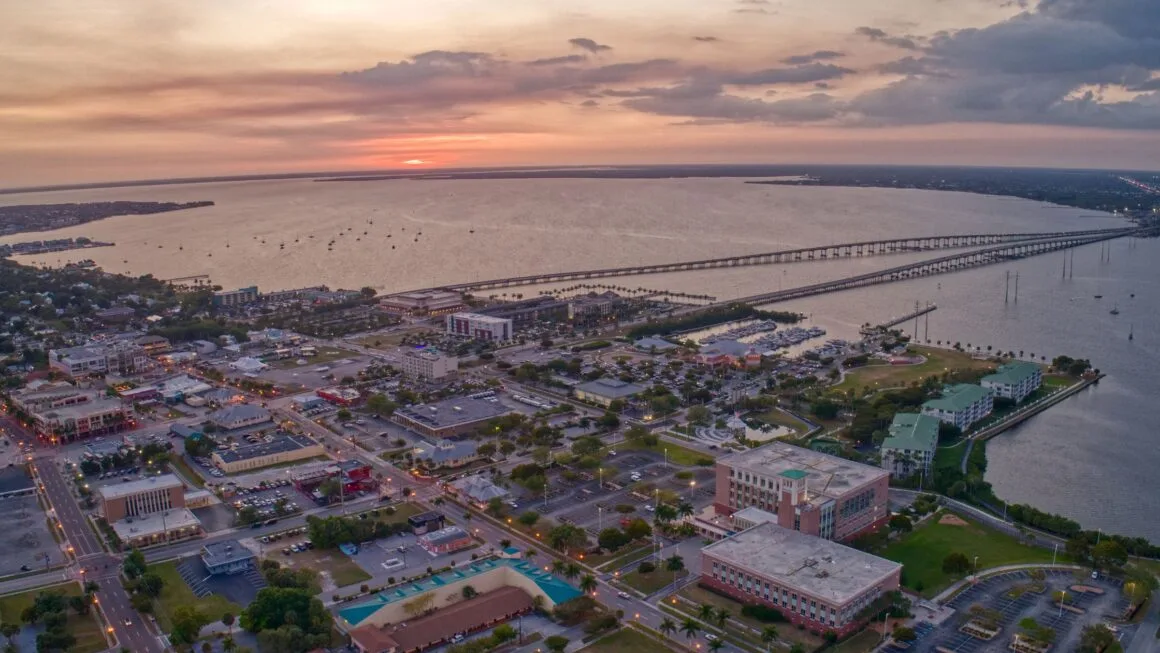
Punta Gorda sits at the mouth of the Peace River on Charlotte Harbor - a location that delivers beautiful water views and a demanding set of moisture challenges. Storm surge, wind-driven rain, and near-constant humidity all shape the type of damage seen here.
Frequent Causes of Damage Locally
- Hurricane and tropical storm damage: roof uplift, torn soffits, and wind-driven rain saturating attic insulation
- Storm surge and tidal flooding in canal-front neighborhoods along Charlotte Harbor and Alligator Creek
- Aging polybutylene or copper supply lines failing in homes built before the 1990s
- Air conditioner condensate line clogs - a leading cause of ceiling and closet water damage in Florida
- Septic system saturation and municipal sewer backups after heavy rainfall
- Electrical fires from surge damage, older panels, and lightning strikes during summer storms
- Kitchen grease fires that spread greasy protein smoke residue through open floor plans
Warning Signs Worth Acting On
- Musty or earthy odor that intensifies when the AC cycles on
- Discolored rings or bubbling paint on ceilings beneath the air handler
- Cupping or darkening at the edges of laminate and engineered wood planks
- Gurgling drains or slow toilets - often the first sign of a sewer line issue
- Soot streaks above outlets, doorways, or on the AC filter after a small fire
- Allergy-like symptoms that improve when occupants leave the building
Because saltwater intrusion corrodes fasteners and wiring, coastal flood losses often need deeper inspection than freshwater events.
Neighborhoods We Serve in Punta Gorda
Service covers the city and the wider Charlotte County area, including waterfront communities, deed-restricted developments, and downtown commercial blocks.
- Punta Gorda Isles (PGI) - canal-front homes with seawalls and sailboat access
- Burnt Store Isles and Burnt Store Marina - golf and boating communities near the Lee County line
- Historic District and downtown - older wood-frame cottages, shops, and restaurants near Fishermen's Village
- Deep Creek and Harbour Heights - established residential areas east of I-75
- Charlotte Harbor, Charlotte Park, and Solana
- Babcock Ranch and Tropical Gulf Acres - newer construction and rural parcels
Nearby coverage extends to Port Charlotte, North Port, Englewood, Placida, Rotonda West, Cape Coral, and Fort Myers - useful when a regional storm stretches restoration capacity across Southwest Florida.
Seasonal Damage Patterns in Punta Gorda
Restoration demand in Charlotte County follows a predictable annual rhythm shaped by the wet season, hurricane season, and the winter influx of seasonal residents.
- January - March (dry season): Cooler, drier air. Peak season for fire and smoke damage from cooking, outdoor grills, and electrical faults. Snowbirds returning to shuttered homes often discover mold and long-running leaks that developed while the property sat unoccupied.
- April - May: Brush and wildfire risk rises inland as vegetation dries out, bringing smoke odor complaints and ash infiltration through HVAC systems. A good window for plumbing inspections before rains arrive.
- June - August: Daily thunderstorms, lightning strikes, and heavy downpours. Roof leaks, flooded ground-level rooms, AC condensate overflows, and sewage backups spike as saturated soils overwhelm septic drainfields.
- September - October: Statistical peak of hurricane season. Storm surge, wind damage, tarping, board-up, and large-loss water extraction dominate. Mold calls surge two to four weeks after any major storm.
- November - December: Cleanup and rebuild work continues from storm season, alongside holiday-related kitchen fires and candle incidents.
Housing Characteristics & Restoration Considerations
Punta Gorda's housing stock is a mix of mid-century cottages, 1970s-1990s canal homes, and post-Hurricane Charley reconstruction built to modern wind codes. Each era responds differently to water, fire, and mold.
Common Construction Types
- Concrete block with stucco (CBS): Dominant local build. Block resists rot but traps moisture behind furring strips and vinyl-backed insulation, creating hidden mold cavities.
- Slab-on-grade foundations: True basements are rare, so "flooded basement" work here typically means sunken living rooms, garages, crawlspaces, and ground-floor units where water has nowhere to drain.
- Wood-frame historic homes: Downtown properties with original heart pine and plaster need gentler drying and specialty soot cleaning to preserve materials.
- Elevated and stilt homes: Waterfront builds where flood water hits enclosures, storage rooms, and utility lines below the living space.
- Manufactured and modular homes: Vulnerable to wind, with paper-faced panels and ducts under the floor that hold contamination after sewage or flood events.
How This Shapes the Work
- Post-2004 homes with tight envelopes dry slower without controlled dehumidification
- Popcorn and textured ceilings in older properties may require asbestos testing before demolition
- Tile over slab often hides saturated mortar beds that need injection drying
- Attic-mounted air handlers spread smoke and mold spores building-wide if not isolated early
Environmental Conditions & Damage Implications
Charlotte County's subtropical climate keeps outdoor humidity high nearly year-round, with a summer wet season delivering the bulk of annual rainfall. That baseline moisture changes how every loss is handled.
Climate and Air
- Relative humidity frequently above 70 percent, meaning open windows and box fans make drying worse, not better
- Warm temperatures accelerate mold colonization on cellulose materials such as drywall paper, cabinet backs, and carpet pad
- Summer lightning is a routine ignition source for attic and electrical fires
- Pollen, ash from prescribed burns, and post-storm dust load HVAC systems and complicate smoke odor removal
Water and Soil
- Brackish harbor and canal water carries bacteria and salt - flood intrusion is treated as contaminated, not clean
- High water tables limit soil absorption, so yards and low-lying slabs stay saturated for days after heavy rain
- Sandy soils over marl and clay layers drain unevenly, pushing groundwater against foundations and into garages
- Septic drainfields in outlying areas back up when the water table rises, producing indoor sewage events
- Hard, mineral-rich water contributes to pinhole leaks and water heater failures
Salt residue left behind after surge flooding continues corroding metal and drawing moisture from the air, which is why hard surfaces are rinsed and neutralized rather than simply dried.
Hurricane and Storm Surge Recovery for Charlotte Harbor Properties
Punta Gorda has lived through Charley and Ian, and residents know that the storm itself is only the opening act. The weeks afterward determine whether a home is dried and rebuilt or gutted a second time because moisture was missed.
What Storm Response Looks Like
- Emergency stabilization - roof tarping, window board-up, and removal of downed debris blocking access
- Safety assessment - checking for compromised electrical panels, gas lines, and structural movement before entry
- Bulk water removal - truck-mounted extraction and submersible pumps for standing water in garages, lanais, and ground-floor rooms
- Contaminated material removal - flood cut of wet drywall, saturated insulation, and carpet pad exposed to surge water
- Antimicrobial application and controlled drying - air movers with commercial dehumidifiers, monitored daily with moisture meters
- Mold prevention verification - confirming materials reach dry standard before any rebuild begins
- Reconstruction - drywall, trim, flooring, cabinetry, and paint
Preparation That Reduces Loss
- Photograph every room and store the images off-site before storm season
- Keep flood policy details separate from your homeowners policy - wind and flood coverage differ
- Clear AC condensate lines and gutters before June
- Install a backwater valve if your property sits low relative to the sewer main
- Elevate water heaters, electronics, and stored documents in garages and ground-floor storage
- Know where your main water shutoff and breaker panel are located
Local crews familiar with Charlotte County permitting, seasonal residency patterns, and post-storm inspection requirements can move a claim forward while out-of-area contractors are still finding the address.





