
Damage Restoration in Port Charlotte, FL
- Damage Restoration Services Overview
- Common Damage Restoration Issues in Port Charlotte, Florida
- Neighborhoods We Serve in Port Charlotte
- Seasonal Damage Patterns in Port Charlotte
- Housing Characteristics & Restoration Considerations
- Environmental Conditions & Damage Implications
- 24/7 Hurricane and Emergency Response in Charlotte County
Damage Restoration Services Overview
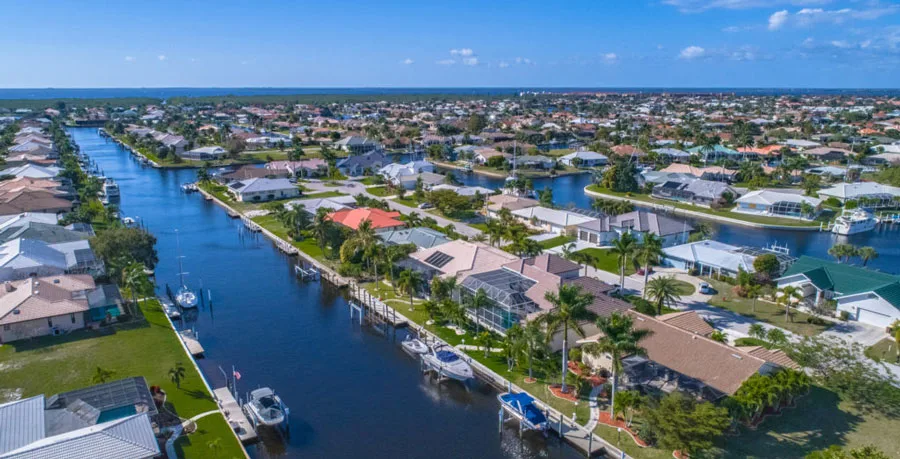
It is 2 a.m. in July, a supply line under the kitchen sink lets go, and by the time you notice the sound, water has spread across the tile and wicked into the baseboards and cabinet bases. In Port Charlotte, that scenario plays out year-round - along with roof leaks during afternoon storms, sewer backups after heavy rain, and kitchen fires that leave smoke residue in every room.
Property owners here rely on a full range of restoration work rather than a single fix, because damage rarely stays in one category. Water becomes mold. Fire brings smoke and the water used to extinguish it.
- Water damage restoration - extraction, structural drying, moisture mapping, and repair of affected materials
- Flooded basement and below-grade cleanup - pump-out and drying for sunken rooms, crawl spaces, and lower-level storage areas
- Sewage cleanup - removal of contaminated material, antimicrobial treatment, and sanitizing of affected surfaces
- Fire damage restoration - stabilization, debris removal, structural cleaning, and reconstruction
- Smoke damage restoration - soot removal, odor neutralization, HVAC cleaning, and contents care
- Mold removal - containment, source correction, affected material removal, and air management
The benefit of addressing all of these under one coordinated response is simple: fewer handoffs, faster drying, and less secondary damage to your Port Charlotte home or business.
Common Damage Restoration Issues in Port Charlotte, Florida
Charlotte County sits in a subtropical zone with a high water table, sandy soil, and a hurricane season that runs from June through November. That combination creates a distinct set of restoration problems.
What Causes the Most Damage Locally
- Wind-driven rain forced under shingles, through soffits, and around window flanges during tropical systems
- Storm surge and canal flooding along the waterfront sections of the Peace River and Charlotte Harbor
- Aging cast iron and clay sewer lines in older sections, which crack and back up under heavy flow
- Failed water heaters, washing machine hoses, and PEX or copper supply lines
- AC condensate line clogs - a top cause of hidden ceiling and wall saturation during humid months
- Electrical and kitchen fires, plus dryer vent fires in homes with long or lint-packed duct runs
Warning Signs Worth Acting On
- Musty odor in a closet, laundry room, or near an air handler closet
- Discolored rings or soft spots on drywall ceilings under a bathroom or roof valley
- Tile that sounds hollow underfoot or grout lines that darken and stay dark
- Gurgling drains or slow toilets - often the first hint of a sewer line problem
- Lingering smoke odor that returns when the AC cycles on, indicating soot in the ductwork
- Baseboards separating from the wall or paint bubbling near the floor line
Catching any of these early keeps a drying job from becoming a demolition and mold remediation project.
Neighborhoods We Serve in Port Charlotte
Response coverage extends across Port Charlotte and the surrounding Charlotte County communities, including waterfront, deed-restricted, and older platted areas.
- Deep Creek - established homes with mature landscaping and roof-adjacent tree issues
- Port Charlotte Village and Harbour Heights
- South Gulf Cove and the canal districts along the Myakka side
- Charlotte Harbor and El Jobean - waterfront exposure to surge and wind-driven rain
- Murdock and the Kings Highway corridor - mixed commercial and residential
- Gulf Cove, Grassy Point, and Sandhill
Nearby service also reaches Punta Gorda, North Port, Englewood, Rotonda West, and the Fort Myers corridor. Knowing local street layouts, canal access points, and which neighborhoods lose power first after a storm shortens arrival times when every hour of standing water matters.
Seasonal Damage Patterns in Port Charlotte
Restoration demand in Southwest Florida follows a predictable rhythm, and knowing it helps homeowners plan inspections and maintenance.
- December - February (dry season): Lower humidity, but seasonal residents return to find slow leaks that ran unnoticed for weeks. Mold discovered behind furniture and inside closed-up homes is common. Cooler nights bring more space heater and cooking fire calls.
- March - May: Brush and yard-debris fires increase during dry conditions, along with smoke intrusion into homes. A good window for roof inspections and AC condensate line service ahead of storm season.
- June - August: Daily thunderstorms drive roof leaks, ceiling saturation, and lightning-related fires. Humidity above 80% accelerates mold growth in as little as a day or two after water exposure.
- September - October: Peak tropical activity. Flooded lower levels, storm surge intrusion, sewer backups from overwhelmed systems, and widespread structural drying needs.
- November: Post-storm mold discovery season. Damage from earlier hurricanes surfaces as odors, staining, and air quality complaints.
Scheduling preventive checks before June is the single most effective step for reducing storm-season restoration costs.
Housing Characteristics & Restoration Considerations
Port Charlotte grew heavily from the 1960s through the 1980s, with continued construction through the 2000s and post-hurricane rebuilding since. That mix means restoration crews encounter very different building assemblies from street to street.
Common Construction Types
- Concrete block with stucco (CBS) - the dominant style; block holds moisture and requires careful drying behind furring strips and drywall
- Slab-on-grade foundations - most homes have no true basement, so water spreads laterally across the slab and under flooring rather than draining down
- Sunken living rooms, converted lanais, and lower-level additions - these act as collection points and often need the same pump-out approach as a flooded basement
- Terrazzo, tile over slab, and engineered flooring - each responds differently to trapped moisture
- Manufactured and mobile homes in several parks - vulnerable to wind, water intrusion, and rapid mold growth in belly insulation
How Age Affects Restoration Work
- Older homes may contain asbestos-bearing materials or lead paint, requiring testing before demolition
- Original cast iron drain lines crack with age, making sewage cleanup more likely in pre-1985 properties
- Aluminum wiring and dated electrical panels raise fire risk and complicate post-fire rebuilds
- Ductwork routed through hot attics collects condensation, feeding mold and holding smoke odor
- Older roof decking absorbs water quickly, so leaks travel farther before they show
Documenting these details up front helps with insurance claims and prevents surprises mid-project.
Environmental Conditions & Damage Implications
The local environment works against drying and in favor of microbial growth, which shapes every step of a restoration plan here.
Climate and Humidity
- Average relative humidity often exceeds 75%, and summer dew points sit in the low to mid 70s
- Open-window drying rarely works - dehumidification equipment must do the heavy lifting
- Warm indoor temperatures let mold colonize damp drywall and carpet padding quickly
- Homes left closed with the AC set high during summer months develop condensation and surface mold on walls and furniture
Soil, Water Table, and Drainage
- Sandy, fast-draining soil sits over a shallow water table, so ground saturates quickly during multi-day rain
- Extensive canal networks mean flood water may carry brackish content, silt, and organic material
- Slab edges and stem walls can wick moisture upward, creating chronic damp spots that mimic plumbing leaks
- Septic systems in outlying areas back up when the water table rises, driving sewage cleanup calls
Air Quality Impacts
- Salt-laden coastal air accelerates corrosion on electronics and metal after fire or water events
- Smoke residue bonds to surfaces faster in humid air, making prompt cleaning important
- Dry-season brush smoke and pollen can worsen indoor air issues already elevated by mold spores
Because of these conditions, drying targets, containment, and post-remediation verification carry more weight in Port Charlotte than they might in a drier climate.
24/7 Hurricane and Emergency Response in Charlotte County
After a tropical system passes, the clock starts immediately. Standing water, saturated insulation, and contaminated flood water create conditions where mold can establish within 24 to 48 hours, and where sewage exposure poses health risks to anyone entering the property.
What Fast Response Prevents
- Secondary mold growth in wall cavities, cabinets, and under flooring
- Permanent warping of framing, doors, and trim
- Spread of contaminated water into unaffected rooms
- Soot etching into glass, chrome, and appliance finishes after a fire
- Loss of salvageable contents, documents, and keepsakes
How an Emergency Call Typically Unfolds
- Immediate contact and triage - crews gather details on water source, affected areas, and safety hazards before dispatch
- Site safety and stabilization - power isolation, board-up, roof tarping, and hazard identification
- Water extraction or debris removal - truck-mounted extraction, pumping of flooded lower levels, and removal of unsalvageable material
- Moisture mapping and documentation - meters and thermal imaging locate hidden saturation behind block walls and under tile
- Drying and dehumidification - air movers and commercial dehumidifiers run with daily readings logged
- Cleaning and treatment - antimicrobial application, soot removal, odor neutralization, and duct cleaning as needed
- Reconstruction - drywall, flooring, cabinetry, and paint to return the property to pre-loss condition
Working With Your Insurance
- Photo and moisture documentation collected from the first visit forward
- Detailed scope notes that align with adjuster expectations
- Direct communication with carriers to reduce back-and-forth for the property owner
Keeping a restoration contact saved in your phone before storm season means one call instead of a scramble through a list of unfamiliar numbers when Port Charlotte crews are in highest demand.





