
Damage Restoration in Palm Coast, FL
- Damage Restoration Services Overview
- Common Damage Restoration Issues in Palm Coast, Florida
- Neighborhoods We Serve in Palm Coast
- Seasonal Damage Patterns in Palm Coast
- Housing Characteristics & Restoration Considerations
- Environmental Conditions & Damage Implications
- Storm Season Preparation and Insurance Claim Support in Flagler County
Damage Restoration Services Overview
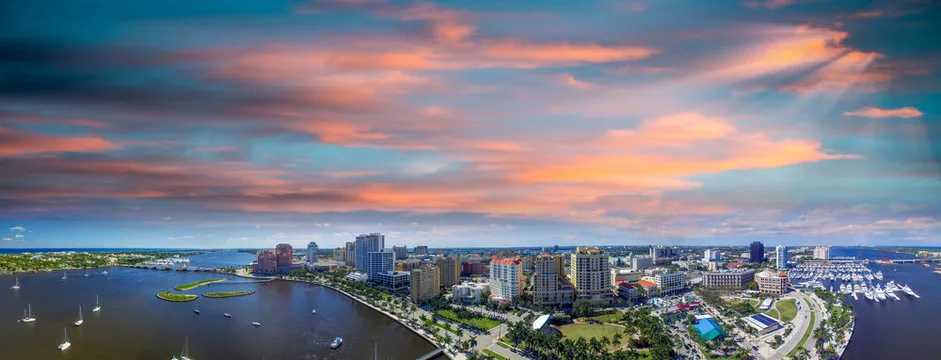
Palm Coast sits on a stretch of Flagler County coastline where average annual humidity hovers near 75 percent - a level high enough that untreated moisture inside a wall cavity can support mold growth within 24 to 48 hours. That single detail shapes how restoration work is handled here, from a burst supply line in Grand Haven to a lightning-sparked attic fire off Belle Terre Parkway.
Property owners across the city rely on a full range of recovery services, each addressing a different type of loss:
- Water Damage Restoration - extraction, structural drying, and dehumidification after pipe failures, roof leaks, and storm intrusion
- Flooded Basement - recovery for below-grade areas, sunken garages, crawl spaces, and lower-level living space
- Sewage Cleanup - removal of contaminated water, disinfection, and safe disposal of affected porous materials
- Fire Damage Restoration - debris removal, soot cleaning, structural stabilization, and content recovery
- Smoke Damage Restoration - odor neutralization, HVAC cleaning, and treatment of residue on surfaces far from the burn area
- Mold Removal - containment, air filtration, material removal, and correcting the moisture source
The benefits of acting quickly are practical: reduced repair scope, protection of framing and drywall, healthier indoor air, and documentation that supports an insurance claim.
Common Damage Restoration Issues in Palm Coast, Florida
Local geography drives most losses. Palm Coast's saltwater canals, low elevation, sandy soil, and subtropical storm season create conditions that few inland Florida cities face at the same intensity.
Frequent Causes of Loss
- Tropical storm and hurricane rainfall overwhelming gutters, soffits, and roof penetrations
- Storm surge and canal backflow pushing water into ground-floor rooms near the Intracoastal
- Aging polybutylene and CPVC supply lines failing behind walls in older homes
- Water heater and washing machine hose ruptures in garages and utility closets
- Municipal sewer backups after heavy rain, sending contaminated water into tubs and floor drains
- Lightning strikes - Flagler County sits inside Florida's active lightning belt - igniting attic and roofline fires
- Kitchen grease fires and electrical faults in older panels
- Air conditioning condensate line clogs dripping steadily into ceilings and closets
Warning Signs Worth Investigating
- A musty smell that intensifies when the air conditioning cycles on
- Bubbling paint, cupped laminate, or dark staining along baseboards
- Tile that sounds hollow underfoot, suggesting trapped moisture in the slab
- Sewer gas odors near drains or a gurgling toilet
- Soot film on the interior side of window glass or return-air vents
- A smoke odor that returns on humid days weeks after a fire
- Visible growth on closet walls, behind furniture, or under sinks
Because slab-on-grade construction dominates here, water tends to spread laterally beneath flooring rather than draining away, which is why moisture mapping matters so much locally.
Neighborhoods We Serve in Palm Coast
Coverage extends across every lettered section of the city as well as surrounding Flagler County communities.
- Palm Harbor - canal-front homes with docks and saltwater exposure
- Grand Haven - gated golf community along the Intracoastal Waterway
- Cypress Knoll and Pine Grove - established interior neighborhoods with mature tree canopy
- Indian Trails and Belle Terre - dense residential sections near Belle Terre Parkway
- Matanzas Woods and Seminole Woods - newer construction on the city's outer edges
- Quail Hollow, Lehigh Woods, and Pine Lakes
- Hammock Dunes and the Palm Coast oceanfront - high-rise and coastal properties along A1A
Service also reaches Flagler Beach, Bunnell, Beverly Beach, Marineland, the Hammock, Espanola, and nearby stretches of Ormond Beach and St. Augustine South. Crews are familiar with local access points, bridge crossings over the Intracoastal, and the drive times between coastal and inland sections after a storm.
Seasonal Damage Patterns in Palm Coast
Restoration demand shifts predictably through the year, and knowing the pattern helps homeowners prepare.
- January - March: Cool, drier months bring space heater and fireplace fires, plus smoke damage from improperly vented chimneys. Occasional freezes stress exposed irrigation and outdoor plumbing.
- April - May: Dry season peaks. Brush fire risk rises in Flagler County's pine flatwoods, and smoke infiltration through HVAC systems becomes a concern even for homes miles from a burn.
- June - August: Daily thunderstorms arrive. Lightning fires, roof leaks, condensate overflow, and rapid mold growth in closed-up vacation homes all spike.
- September - October: The heart of hurricane season. Wind-driven rain, storm surge, flooded lower levels, and sewage backups after saturated systems overflow.
- November - December: Post-storm mold surfaces in homes dried incompletely months earlier. Holiday cooking fires and overloaded circuits add fire and smoke calls.
Humidity stays elevated year-round, so mold remediation never fully drops off the calendar in Palm Coast.
Housing Characteristics & Restoration Considerations
Palm Coast grew from a 1970s ITT-planned development into one of Florida's fastest-expanding cities, so the housing stock spans roughly five decades. That range affects how each loss is handled.
Common Construction Types
- Concrete block with stucco exterior - the regional standard, durable in wind but prone to trapping moisture between block and interior furring strips
- Slab-on-grade foundations - water migrates sideways under tile and vinyl plank rather than draining down
- Wood-frame second stories on two-story homes, where saturated framing needs targeted drying
- Truss-framed attics with blown insulation - insulation absorbs water and soot readily and often requires removal
- Sunken garages and below-grade bonus rooms in canal-side homes, functioning much like a flooded basement
Age-Related Factors
- Homes from the 1970s and 1980s may contain polybutylene plumbing, cast-iron drain lines, and outdated electrical panels
- Pre-1990 properties can include asbestos-containing floor tile or popcorn ceilings, requiring testing before demolition
- Older cast-iron sewer laterals crack and collapse, producing recurring backups that call for cleanup and line repair
- Newer subdivisions in Matanzas Woods and Seminole Woods use tighter envelopes that hold humidity when ventilation is inadequate
Restoration plans are built around these specifics - a block wall with wet insulation behind furring needs a different drying approach than a frame wall, and moisture readings guide whether material is dried in place or removed.
Environmental Conditions & Damage Implications
The local environment influences nearly every stage of a restoration project.
Climate and Air
- Humid subtropical conditions with roughly 50 inches of annual rainfall
- Summer dew points frequently in the low to mid 70s, slowing natural evaporation
- Salt-laden coastal air that accelerates corrosion on fasteners, HVAC coils, and electronics after a fire
- Seasonal pollen and brush-fire smoke that compound indoor air quality issues in already-affected homes
Water and Soil
- A shallow water table across much of the city keeps slabs and crawl spaces damp
- Sandy, fast-draining soil that also allows water to move quickly toward foundations during downpours
- Saltwater canals connected to the Intracoastal, meaning flood water may carry brackish contaminants
- Well water in outlying Flagler County areas with high iron and sulfur content, staining materials during extraction
What This Means for Recovery
- Dehumidification carries more of the workload than air movement alone, and equipment often runs longer than in drier climates
- Mold containment is set up early rather than as an afterthought
- Salt residue from surge water must be rinsed and neutralized to prevent ongoing corrosion
- Sewage-affected porous materials are removed rather than cleaned, given how fast bacteria multiply in warm conditions
- Smoke odor bonds tightly to surfaces in humid air, so thermal fogging or hydroxyl treatment is frequently needed
Storm Season Preparation and Insurance Claim Support in Flagler County
Palm Coast homeowners have watched Matthew, Irma, Ian, and Nicole push water into neighborhoods that had never flooded before. Preparation and clear documentation make the recovery far smoother.
Before Storm Season
- Photograph every room, including inside closets and under sinks, and store the images off-site
- Clear soffit vents, gutters, and downspouts of pine needles and oak debris
- Flush the air conditioning condensate line and confirm the drain pan float switch works
- Test any sump or transfer pump serving a sunken garage or lower level
- Review your policy for flood exclusions - standard homeowners coverage does not include rising water, and Flagler County sits partly within mapped flood zones
- Trim limbs overhanging the roof and secure loose fascia
Immediately After a Loss
- Shut off water or power at the source when it is safe to do so
- Avoid walking through standing water that may contain sewage or hidden electrical hazards
- Photograph conditions before moving anything, then move undamaged contents to a dry area
- Call for professional extraction rather than waiting for the material to dry on its own - trapped moisture under tile rarely evaporates in Palm Coast humidity
Working With Your Insurer
Certified technicians document moisture readings, humidity levels, and daily drying progress, creating a record that adjusters expect to see. Photos of affected materials, an itemized scope, and psychrometric logs help claims move forward without repeated site visits. Many Palm Coast providers bill the carrier directly and coordinate with adjusters, which spares homeowners from managing paperwork while their property is torn open.
Emergency response operates around the clock, because a Tuesday night pipe break and a Sunday morning sewer backup carry the same urgency.





