
Damage Restoration in Miramar Beach, FL
- Damage Restoration Services Overview
- Common Damage Restoration Issues in Miramar Beach, Florida
- Neighborhoods We Serve in Miramar Beach
- Seasonal Damage Patterns in Miramar Beach
- Housing Characteristics & Restoration Considerations
- Environmental Conditions & Damage Implications
- Vacation Rentals, Condo Associations & Rapid Response on the Emerald Coast
Damage Restoration Services Overview
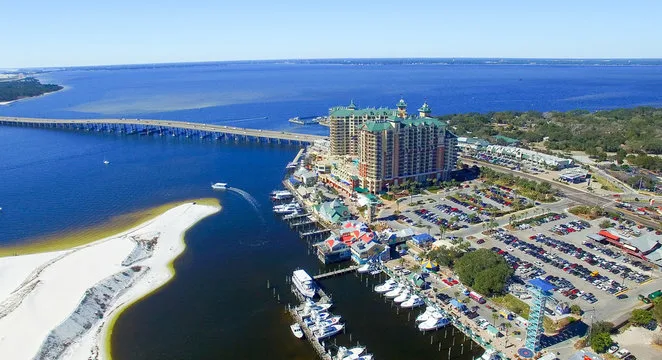
Miramar Beach sits on a narrow strip of sand between the Gulf of Mexico and Choctawhatchee Bay, and that coastal position shapes nearly every restoration call in the 32550 area. Salt air, a high water table, tropical humidity, and hurricane-season rainfall combine to make moisture the single largest threat to homes and condos here - followed closely by the fire and smoke risks that come with dense multi-family construction and heavy seasonal rental turnover.
Local property owners rely on a full range of restoration work, including:
- Water Damage Restoration - extraction, structural drying, and moisture mapping after pipe failures, roof leaks, and storm intrusion
- Flooded Basement service - for the below-grade garages, sunken storage rooms, elevator pits, and lower-level slabs common in beachfront buildings
- Sewage Cleanup - containment and sanitizing after backups, lift station failures, and septic surcharges
- Fire Damage Restoration - structural cleaning, soot removal, content pack-out, and rebuild coordination
- Smoke Damage Restoration - odor neutralization and HVAC decontamination after even small kitchen or grill fires
- Mold Removal - containment, remediation, and humidity correction in a climate where spores never truly go dormant
Fast response matters. IICRC-certified crews working around the clock keep small losses from becoming gut renovations, protect rental income, and give homeowners documentation their insurance carriers accept.
Common Damage Restoration Issues in Miramar Beach, Florida
The causes of property damage along Scenic Gulf Drive and the 98 corridor tend to repeat themselves year after year.
Frequent Local Triggers
- Wind-driven rain forcing water past sliding doors, balcony thresholds, and window flashing during tropical systems
- Storm surge and bay backflow pushing brackish water into ground-floor units and below-grade parking
- Supply line and water heater failures in vacant rental units that go undiscovered for days
- Condensate line clogs from HVAC systems running nearly year-round
- Sewage backups when heavy rain overwhelms lift stations or older lateral lines root-intrude
- Grease fires and unattended cooking in short-term rental kitchens
- Grill and outdoor fire pit incidents on wooden decks and balconies
- Lightning strikes during summer thunderstorm season causing attic and electrical fires
Warning Signs Worth Acting On
- A musty or earthy smell that intensifies when the air handler cycles on
- Baseboards that feel soft, or tile grout that stays darker in one area
- Bubbling or blistering paint on exterior-facing walls after a storm
- Gurgling drains or slow toilets in more than one fixture at the same time
- Yellow-brown staining on ceilings beneath upstairs bathrooms or roof penetrations
- Persistent smoke odor returning on humid days after a small fire was cleaned up
- Allergy symptoms that ease when occupants leave the property
Any of these signals warrants moisture testing before finishes are replaced - covering wet material simply relocates the problem.
Neighborhoods We Serve in Miramar Beach
Restoration crews cover the full stretch of west Walton County and the surrounding Emerald Coast communities.
- Scenic Gulf Drive corridor - high-rise condos, beachfront towers, and older Gulf-front cottages
- Sandestin Golf and Beach Resort - Baytowne Wharf, Burnt Pine, Beach Side, and Bayside villages
- Frangista Beach and Seascape - mixed single-family and resort condominium properties
- Tops'l and Dune Allen approaches along the eastern edge
- Village of Baytowne, Grand Sandestin, and Luau multi-story buildings
- Emerald Bay, Regatta Bay, and Kelly Plantation in the neighboring Destin corridor
- Santa Rosa Beach, Blue Mountain Beach, and the 30A communities just east
- Destin, Fort Walton Beach, Niceville, and Freeport for surrounding-area response
Property managers, HOA boards, and vacation rental companies throughout these areas coordinate with restoration teams for after-hours access, common-area losses, and multi-unit water migration.
Seasonal Damage Patterns in Miramar Beach
Winter (December - February)
- Occasional hard freezes crack exposed supply lines, hose bibs, and unconditioned pipe runs
- Heating equipment, fireplaces, and space heaters drive a rise in fire and smoke calls
- Vacant seasonal properties mean leaks run unnoticed for extended periods
Spring (March - May)
- Frontal storm systems bring wind-driven rain and roof intrusion
- Rising humidity restarts mold growth in units closed up over winter
- Spring break rental turnover exposes overloaded plumbing and drain backups
Summer (June - August)
- Daily thunderstorms and lightning strikes trigger attic fires and surge damage
- Peak HVAC runtime causes condensate overflow and ceiling water damage
- Grill fires on decks and balconies increase with outdoor entertaining
Hurricane Season Peak (August - October)
- Storm surge flooding of ground floors, garages, and below-grade spaces
- Sewage backups when lift stations lose power or systems surcharge
- Widespread mold growth in the humid days following a power outage
Late Fall (November)
- Post-storm mold discovery as repairs open up walls
- Holiday cooking fires and smoke odor cleanup
Housing Characteristics & Restoration Considerations
Miramar Beach housing skews newer than much of Florida, with heavy construction from the 1980s through the 2010s and continued infill building today. That mix creates distinct restoration challenges.
Common Construction Types
- Mid- and high-rise condominiums - post-tension concrete slabs, shared plumbing stacks, and shafts that let water travel several floors before it is noticed
- Stucco and concrete block single-family homes - vulnerable to trapped moisture behind cladding when flashing fails
- Elevated coastal homes on pilings - with enclosed ground-level storage and garages that act as de facto basements
- Wood-frame resort townhomes and villas - shared walls that allow smoke odor and moisture to migrate between units
- Older Gulf-front cottages - original plumbing, minimal vapor barriers, and outdated electrical service
How Construction Affects the Work
- Slab-on-grade floors require specialized mat drying and cavity injection rather than simple air movement
- Concrete block walls hold moisture far longer than framing, so drying schedules extend accordingly
- Below-grade and ground-level enclosures need pumping, sanitizing, and flood-cut evaluation after surge or sewage intrusion
- Multi-unit buildings demand containment and negative air so mold spores and soot do not spread through corridors
- Shared HVAC and duct systems need cleaning after smoke events to stop odor from recirculating
- Tightly built modern homes trap humidity, making dehumidification as important as extraction
Documenting moisture readings room by room also supports condo association and insurance claims where responsibility is split between owner and building.
Environmental Conditions & Damage Implications
The environment along this stretch of the Emerald Coast works against building materials in ways inland properties never experience.
Climate and Humidity
- Relative humidity commonly sits above 70 percent for much of the year
- Annual rainfall exceeds 60 inches in many years, concentrated in summer downpours
- Warm temperatures mean mold can colonize damp drywall within a day or two
- Dew point swings cause condensation on cool interior surfaces and inside wall cavities
Soil, Water Table, and Drainage
- Sandy, highly permeable soils drain quickly but shift and settle around foundations
- A shallow water table near the Gulf and Choctawhatchee Bay limits how far water can percolate away
- Low-lying parcels and dune swales collect runoff during intense rain events
- Brackish groundwater intrusion introduces salts that keep materials damp and corrode fasteners
Air and Water Quality Factors
- Salt-laden air accelerates corrosion of HVAC coils, electrical components, and metal framing
- Storm and surge water is treated as contaminated - it may carry sewage, fuel, and bacteria
- Sandy sediment left behind after flooding must be removed before drying can succeed
- Smoke residue bonds more aggressively to surfaces in humid conditions, making prompt cleaning important
These realities push restoration plans toward aggressive dehumidification, antimicrobial application, and post-drying verification rather than surface-level cleanup.
Vacation Rentals, Condo Associations & Rapid Response on the Emerald Coast
Miramar Beach has one of the highest concentrations of short-term rental and second-home property in Northwest Florida. A water loss here is rarely just a homeowner problem - it involves guests, management companies, HOA boards, and multiple insurance policies at once.
Why Speed Matters in Rental-Heavy Areas
- Unoccupied weeks allow leaks to saturate subfloor and adjacent units before anyone notices
- Every day out of service costs booking revenue during peak season
- Mold can establish before the next guest arrives, creating health complaints and cancellations
- Smoke odor lingering in furnishings generates reviews that follow a property for years
How a Multi-Unit Loss Is Handled
- Emergency contact and dispatch - crews respond 24/7, including holidays and storm periods
- Source containment and safety check - water shutoff, electrical isolation, and hazard assessment
- Moisture mapping across affected and adjacent units using meters and thermal imaging
- Extraction and removal of unsalvageable materials, with containment barriers in shared corridors
- Structural drying with commercial dehumidifiers and air movers sized to concrete and block assemblies
- Sanitizing and antimicrobial treatment, especially after sewage or surge water intrusion
- Soot and odor treatment for fire losses, including duct cleaning and content handling
- Daily monitoring with documented readings until drying goals are met
- Reconstruction coordination so flooring, drywall, and finishes are restored
What Owners and Managers Can Do Ahead of Time
- Install water sensors near water heaters, washer boxes, and under sinks in unoccupied units
- Schedule condensate line flushing before summer heat arrives
- Keep HVAC set to control humidity - not simply off - during vacant periods
- Photograph unit condition and keep an updated inventory for claims
- Post emergency shutoff locations where cleaning crews and guests can find them
For emergency service in Miramar Beach and west Walton County, call (850) 267-0746 or (844) 725-6298.





