
Damage Restoration in Fernandina Beach, FL
- Damage Restoration Services Overview
- Common Damage Restoration Issues in Fernandina Beach, Florida
- Neighborhoods We Serve in Fernandina Beach
- Seasonal Damage Patterns in Fernandina Beach
- Housing Characteristics & Restoration Considerations
- Environmental Conditions & Damage Implications
- Protecting Historic Amelia Island Properties During Restoration
Damage Restoration Services Overview
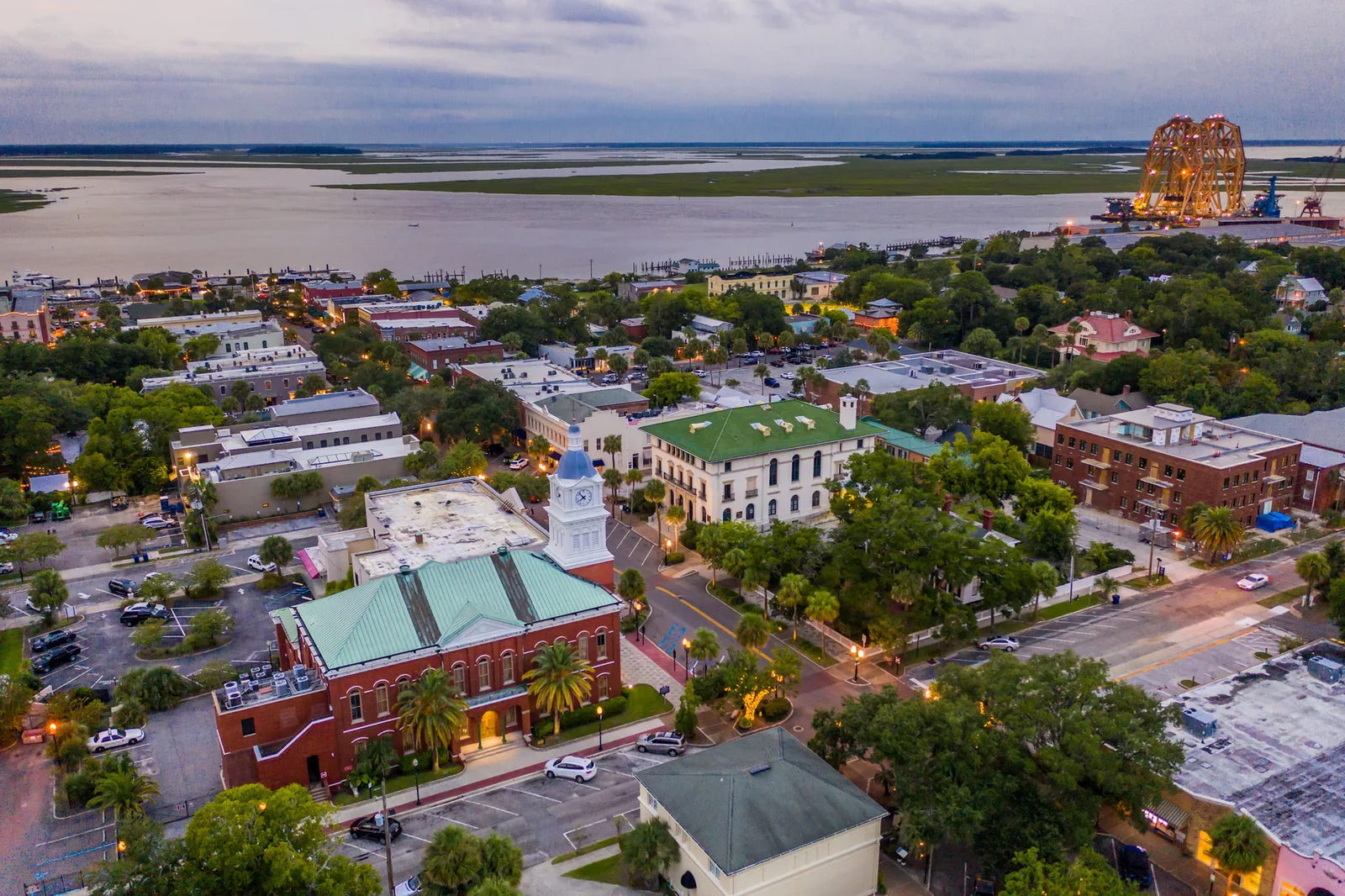
You come home from a weekend on the beach and hear water running behind the drywall. A supply line under the guest bath let go hours ago, and now the hallway carpet squishes underfoot. On Amelia Island, that scenario turns into a mold problem faster than almost anywhere else in Florida, because the salt air and humidity never really let a structure dry out on its own.
Restoration work in Fernandina Beach covers a wide range of emergencies, and most properties eventually face at least one:
- Water Damage Restoration - burst supply lines, roof leaks, appliance failures, and storm-driven rain intrusion
- Flooded Basement - below-grade rooms, crawl spaces, sunken garages, and elevator pits that collect groundwater
- Sewage Cleanup - backed-up mains, lift station failures, septic saturation, and contaminated Category 3 water
- Fire Damage Restoration - kitchen fires, electrical faults, and structural burns in older heart-pine framing
- Smoke Damage Restoration - soot films, protein residues, and odor trapped in plaster, ductwork, and textiles
- Mold Removal - hidden colonies behind baseboards, in wall cavities, and inside HVAC systems
The benefit of acting quickly is straightforward: contained damage costs less to repair, salvages more original material, and keeps indoor air breathable for your family or staff.
Common Damage Restoration Issues in Fernandina Beach, Florida
Being an island community shapes nearly every loss we respond to. Salt-laden air corrodes fasteners, flashing, and HVAC coils, so small failures start earlier here than they would twenty miles inland.
Local Causes We See Repeatedly
- Tropical systems and nor'easters pushing wind-driven rain past window flashing and under shingle edges
- High water table near the marsh side and the Amelia River, saturating crawl spaces and slab perimeters
- Aging cast iron and clay sewer laterals in the historic district, prone to root intrusion and backups
- Corroded water heater fittings and washing machine hoses degraded by salt air
- Knob-and-tube remnants or overloaded circuits in Victorian-era homes contributing to electrical fires
- Undersized or oversized HVAC systems that cool without dehumidifying, feeding mold growth
Warning Signs Worth Investigating
- A musty odor that returns whenever the air handler cycles on
- Cupping or crowning hardwood, especially near exterior walls and doorways
- Peeling paint, chalky stains, or bubbled wallpaper on plaster
- Slow drains, gurgling toilets, or standing water near cleanouts
- Yellow-brown ceiling rings that expand after each rain event
- Persistent smoke odor weeks after a small kitchen fire, signaling soot inside ducts
- Condensation on supply registers or interior window glass
Any one of these deserves a moisture reading before it becomes a full remediation project.
Neighborhoods We Serve in Fernandina Beach
Crews cover the full length of Amelia Island and the mainland corridor along A1A and Highway 200.
- Historic Downtown & Silk Stocking District - Victorian and Queen Anne homes with plaster, heart pine, and original millwork
- Old Town Fernandina - riverfront lots with high groundwater and older utility lines
- North Beach and Main Beach - oceanfront condos and cottages exposed to salt spray
- Amelia Park - newer traditional neighborhood construction with slab foundations
- The Villages of Amelia and Ocean Village - mixed single-family and townhome communities
- Amelia Island Plantation, Summer Beach, and Sadler Ranch
- Yulee, Nassauville, O'Neil, and Amelia Concourse corridor on the mainland
Response times stay short because technicians stage equipment on both sides of the Shave Bridge, which matters during storm events when island access is limited.
Seasonal Damage Patterns in Fernandina Beach
Restoration demand here follows a predictable rhythm shaped by heat, humidity, and hurricane season.
- January - March: Cold snaps stress plumbing on exterior walls and in unconditioned crawl spaces. Space heater and fireplace use drives a seasonal rise in fire and smoke damage calls.
- April - May: Mild, drier weeks are the best window for mold inspections, duct cleaning, and crawl space encapsulation before humidity climbs.
- June - August: Daily thunderstorms and dew points in the mid-70s push mold growth into overdrive. Flooded crawl spaces, condensate line clogs, and AC overflow losses peak.
- September - October: Peak tropical season. Storm surge, wind-driven rain, roof breaches, sewage backups from overwhelmed systems, and widespread water damage cluster here.
- November - December: Holiday cooking fires, candles, and decorative lighting increase kitchen and electrical fire calls. Cooler air also reveals hidden moisture as condensation appears on walls.
Mold never truly has an off-season on the island - it simply slows in the driest weeks of spring.
Housing Characteristics & Restoration Considerations
Fernandina Beach housing stock spans nearly 150 years, and each era responds to water and fire differently.
Historic Homes (1870s - 1930s)
- Heart pine framing and flooring that absorbs moisture slowly and releases it even slower
- Lath-and-plaster walls that hold soot and smoke odor deep in the substrate
- Brick pier foundations with open crawl spaces exposed to ground moisture
- Original wavy glass, trim, and staircases worth salvaging rather than replacing
Mid-Century and 1970s - 1990s Homes
- Concrete block with stucco, where trapped moisture migrates behind interior furring strips
- Slab-on-grade construction that wicks groundwater upward into flooring adhesives
- Aging galvanized or polybutylene supply lines prone to sudden failure
Modern Coastal Construction (2000s - Present)
- Elevated pilings with enclosed ground-level storage, garages, and utility rooms that flood first
- Tighter building envelopes that trap humidity when ventilation is inadequate
- Engineered flooring and MDF trim that swell irreversibly after brief water exposure
True basements are rare on the island, but below-grade and ground-level enclosures behave the same way during a flood. Drying strategy changes with each: historic plaster may be saved with controlled dehumidification, while saturated drywall and insulation almost always require removal to prevent mold behind the wall.
Environmental Conditions & Damage Implications
Amelia Island's environment works against drying and in favor of microbial growth almost year-round.
Climate and Humidity
- Relative humidity frequently sits above 70 percent, slowing evaporation from wet materials
- Warm temperatures allow mold colonies to establish within roughly 24 to 48 hours of wetting
- Open windows during "nice" weather often introduce more moisture than they remove
Salt Air and Air Quality
- Chlorides accelerate rust on fasteners, ductwork, electrical panels, and HVAC coils
- After a fire, salt residue combines with acidic soot to speed corrosion on metal and glass
- Prompt soot removal protects appliances, fixtures, and wiring from permanent pitting
Water Table and Soil
- Sandy, fast-draining soils sit above a shallow water table, so heavy rain saturates rather than percolates
- Marsh-adjacent properties experience tidal influence on groundwater levels
- Sewer and septic systems in saturated soil back up more readily, creating Category 3 contamination
What This Means for Restoration
- Extended dehumidification periods with documented moisture mapping, not guesswork
- Antimicrobial application on all affected framing and substrates
- Containment barriers with negative air pressure during mold and sewage work
- HVAC evaluation on nearly every loss, since ducts move spores and odor building-wide
Protecting Historic Amelia Island Properties During Restoration
Restoring a Victorian on South 7th Street is not the same job as drying a 2015 build in Amelia Park. Original materials are irreplaceable, and aggressive demolition destroys value that no amount of new construction recovers.
A Detail-Oriented Approach
- Document before touching anything. Photographs, moisture maps, thermal imaging, and material inventories establish what existed and what condition it was in.
- Identify the water category and source. Clean supply water, gray water from appliances, and sewage each demand different protocols and protective equipment.
- Contain the work area. Poly barriers, zippered entries, and negative air machines keep spores and soot out of unaffected rooms.
- Extract and stabilize. Standing water comes out first, followed by strategic material removal only where saturation is unrecoverable.
- Dry with monitoring. Air movers and low-grain refrigerant dehumidifiers run with daily readings logged against drying goals.
- Address odor and residue. Soot is removed by type - dry, wet, or protein - using methods matched to plaster, brick, and painted wood.
- Verify before rebuild. Clearance readings and, when appropriate, third-party testing confirm the space is dry and clean.
Preservation Practices That Matter Locally
- Salvaging heart pine flooring through controlled drying instead of automatic replacement
- Cleaning rather than replacing original plaster where the substrate remains sound
- Matching profiles on damaged millwork, casings, and porch details
- Coordinating with the city's historic district review process when exterior repairs are needed
- Treating crawl spaces and attics as part of the drying envelope, not afterthoughts
Thoroughness pays off on this island. Moisture left behind a baseboard in June becomes a mold claim by August - so the goal is always to finish the drying, not just the visible cleanup.





