
Damage Restoration in Naranja, FL
- Damage Restoration Services Overview
- Common Damage Restoration Issues in Naranja, Florida
- Neighborhoods We Serve in Naranja
- Seasonal Damage Patterns in Naranja
- Housing Characteristics & Restoration Considerations
- Environmental Conditions & Damage Implications
- Hurricane Season Preparation and Post-Storm Restoration in Naranja
Damage Restoration Services Overview
When water pushes across a tile floor at midnight or smoke settles into every soft surface in a Naranja home, the first relief comes from knowing trained help is already on the way. Restoration work follows a defined technical process - documentation, containment, extraction, drying, cleaning, and reconstruction - carried out by crews who follow IICRC standards and Florida licensing requirements.
Homeowners and business operators across Naranja rely on a connected set of services:
- Water Damage Restoration - extraction, structural drying, and moisture mapping after supply line breaks, roof leaks, or storm intrusion
- Flooded Basement service - pump-out and drying for below-grade rooms, crawl spaces, sunken garages, and slab-level utility areas
- Sewage Cleanup - removal of Category 3 contaminated water, disposal of porous materials, and antimicrobial treatment
- Fire Damage Restoration - debris removal, structural stabilization, soot cleaning, and contents recovery
- Smoke Damage Restoration - odor neutralization, HVAC decontamination, and surface-specific residue cleaning
- Mold Removal - containment, HEPA filtration, affected material removal, and humidity correction
The benefit is practical: faster drying limits secondary damage, thorough cleaning protects indoor air quality, and detailed documentation supports insurance claims from the first day of the loss.
Common Damage Restoration Issues in Naranja, Florida
Naranja sits in south Miami-Dade, where subtropical humidity, hurricane exposure, and a high water table shape nearly every loss we respond to.
Frequent Causes of Damage
- Roof system failures - wind-lifted shingles, aged membrane roofs, and failed flashing that channel Category 2 water into attics and wall cavities
- Tropical storm surge and heavy rainfall overwhelming yard drainage and door thresholds
- Aging galvanized or CPVC supply lines and failing water heaters in older homes
- Backed-up sanitary lines and septic systems saturated during the wet season
- Air conditioning condensate line clogs - a year-round source of hidden ceiling and drywall saturation
- Electrical fires from outdated panels, plus kitchen fires that spread smoke through open floor plans
Warning Signs Worth Acting On
- Musty odor in closets, along baseboards, or near AC air handlers
- Bubbling paint, cupped flooring, or discolored ceiling seams
- Indoor humidity that stays above 60 percent even with the AC running
- Gurgling drains or slow toilets, often the first hint of a sewage backup
- Soot film on windows, lampshades, or vent registers after a small fire
- Allergy symptoms that ease when occupants leave the property
Because warm, humid air accelerates microbial growth, water intrusions in Naranja can progress toward mold conditions far faster than in drier climates - which is why moisture readings, not appearance alone, guide the work.
Neighborhoods We Serve in Naranja
Crews respond throughout Naranja and the surrounding south Miami-Dade communities, covering single-family neighborhoods, mobile home parks, agricultural properties, and commercial corridors.
- Central Naranja along Naranja Drive and the SW 268th Street corridor
- Leisure City and the neighborhoods bordering US-1 and Krome Avenue
- Homestead, including Keys Gate and the older downtown districts
- Princeton, Goulds, and the farming areas west of the Turnpike
- Florida City and properties near the Card Sound and Card Sound Road approaches
- Redland and Silver Palm, where large lots and well systems are common
- Cutler Bay and Palmetto Bay to the north
Knowing these areas matters. Coastal-side properties face surge and wind-driven rain; inland Redland parcels contend with well water, septic systems, and limestone-rich soil. Response planning, equipment staging, and drying strategy shift accordingly.
Seasonal Damage Patterns in Naranja
South Florida's calendar creates predictable cycles of restoration work.
- January - March (dry season): Lower humidity favors deep drying and mold remediation projects. Fire and smoke calls rise slightly with space heater and cooking incidents during cool snaps.
- April - May: Rising heat pushes AC systems hard. Condensate overflow, clogged drain lines, and air handler leaks generate steady water damage calls.
- June - August: Daily thunderstorms and the opening of hurricane season bring roof leaks, flooded ground-level rooms, and saturated crawl spaces. Sewage backups increase as saturated soils stress septic drain fields.
- September - October (peak storm months): Tropical systems drive large-loss water intrusion, wind-damaged roofs, and post-storm mold outbreaks once power and AC are restored.
- November - December: Mold discovered from summer intrusions surfaces during holiday cleaning. Candle, fryer, and electrical fires produce smoke damage restoration work.
Post-storm mold growth is the pattern most often underestimated - visible problems commonly appear weeks after the rain stops.
Housing Characteristics & Restoration Considerations
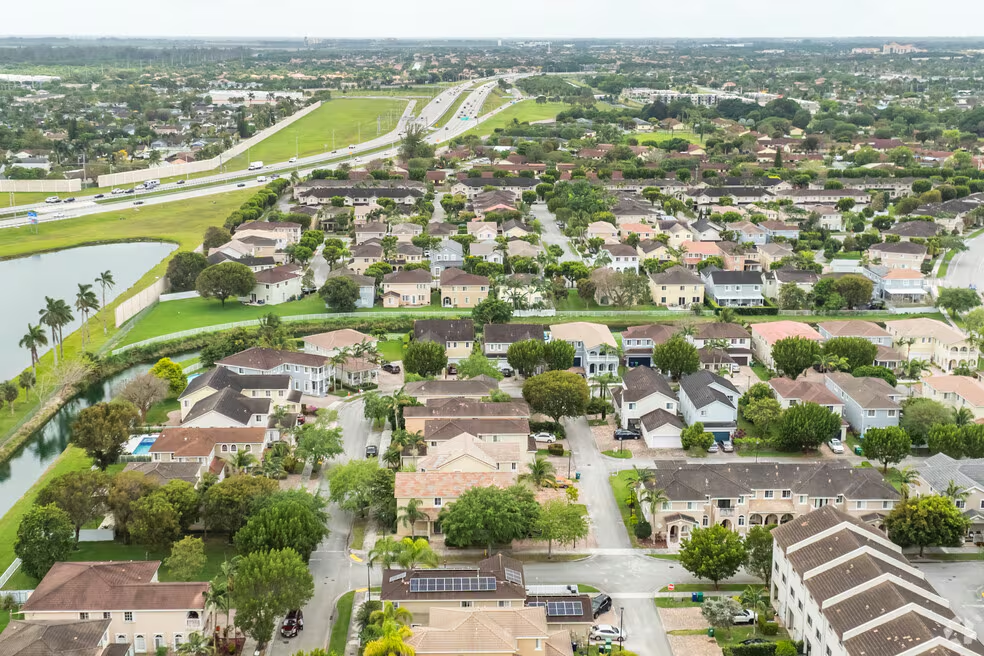
Naranja's housing stock is a mix built largely between the 1950s and the post-Hurricane Andrew rebuilding boom of the 1990s and 2000s, with newer subdivisions added since.
Common Construction Types
- Concrete block with stucco (CBS) - the dominant residential build in south Miami-Dade
- Wood-frame additions, Florida rooms, and enclosed carports
- Manufactured and mobile homes in established parks
- Slab-on-grade foundations, with basements rare and below-grade spaces limited to sunken rooms, garages, and crawl areas
- Flat or low-slope membrane roofs on commercial buildings and some homes
How Construction Shapes the Work
- CBS walls hold moisture inside the block core and behind furring strips - drying requires cavity ventilation and penetrating moisture meters, not surface readings
- Slab foundations wick groundwater upward, affecting flooring adhesives and baseboards after any intrusion
- Older homes may contain asbestos-bearing floor tile or popcorn ceilings, requiring testing before demolition
- Terrazzo and tile floors survive water well, but subfloor and wall systems still need controlled drying
- Manufactured homes have tight belly wraps that trap water, complicating flooded floor cavities
- Attic-mounted air handlers spread smoke residue and mold spores building-wide unless ductwork is cleaned
Restoration plans account for these variables so drying is verified with data rather than assumed complete.
Environmental Conditions & Damage Implications
Naranja's environment influences every phase of restoration, from extraction to clearance testing.
Climate and Humidity
- Subtropical climate with average annual rainfall well above 55 inches, concentrated May through October
- Outdoor relative humidity often exceeds 80 percent, making unconditioned outside air useless for drying
- Warm temperatures accelerate microbial amplification on wet cellulose materials within a short window
Soil, Water Table, and Groundwater
- Oolitic limestone bedrock sits close to the surface with thin, sandy marl soils above it
- Shallow water table means standing water lingers after heavy rain and can seep into sunken slabs
- Porous limestone allows surface contamination to move quickly - a factor when sewage cleanup involves outdoor spillage
- Septic systems in outlying areas struggle when the water table rises, increasing backup risk
Air Quality Effects
- Agricultural dust, salt-laden coastal air, and seasonal Saharan dust add particulate load indoors
- Smoke residues bond aggressively to surfaces in humid air, requiring solvent-appropriate cleaning rather than dry wiping
- Elevated indoor moisture keeps mold spores viable long after visible growth is removed
Effective work here relies on closed-drying systems, commercial dehumidification, HEPA air scrubbing, and moisture verification before rebuild begins.
Hurricane Season Preparation and Post-Storm Restoration in Naranja
Naranja sits in one of Florida's most storm-exposed corridors. Hurricane Andrew's 1992 landfall reshaped the area, and every season since has reinforced how much outcome depends on preparation and how quickly restoration begins after the wind stops.
Before the Storm
- Have the roof inspected annually - focus on flashing, membrane seams, and fastener condition, since roof failures are the leading water intrusion path
- Clear gutters, yard drains, and swale areas so runoff moves away from the slab
- Photograph interior rooms, contents, and mechanical equipment for claim documentation
- Move stored items off garage and sunken-room floors onto shelving
- Confirm shutters or impact glazing are functional and hardware is on hand
- Service the septic system and clear sanitary cleanouts to reduce backup risk
After the Storm
- Treat all floodwater as contaminated - storm surge and street runoff carry sewage, fuel, and agricultural chemicals
- Restore power and air conditioning as soon as it is safe; stagnant humid air drives mold growth within days
- Document damage before removing anything, including standing water depth lines on walls
- Watch for delayed indicators - ceiling stains, warped trim, and musty odor often appear a week or more later
- Keep receipts for tarps, board-up, and emergency mitigation for the insurance file
Post-storm response typically progresses from emergency board-up and tarping, to water extraction and controlled drying, then sewage decontamination where needed, mold containment and remediation, and finally reconstruction. Crews familiar with south Miami-Dade code requirements, CBS construction, and permitting through Miami-Dade County keep that sequence moving without avoidable delays - which is what shortens the distance between a damaged house and a livable home again.





