
Damage Restoration in Surfside, FL
- Damage Restoration Services Overview
- Common Damage Restoration Issues in Surfside, Florida
- Neighborhoods We Serve in Surfside
- Seasonal Damage Patterns in Surfside
- Housing Characteristics & Restoration Considerations
- Environmental Conditions & Damage Implications
- Condo Associations, Insurance Documentation, and Clear Communication in Surfside
Damage Restoration Services Overview
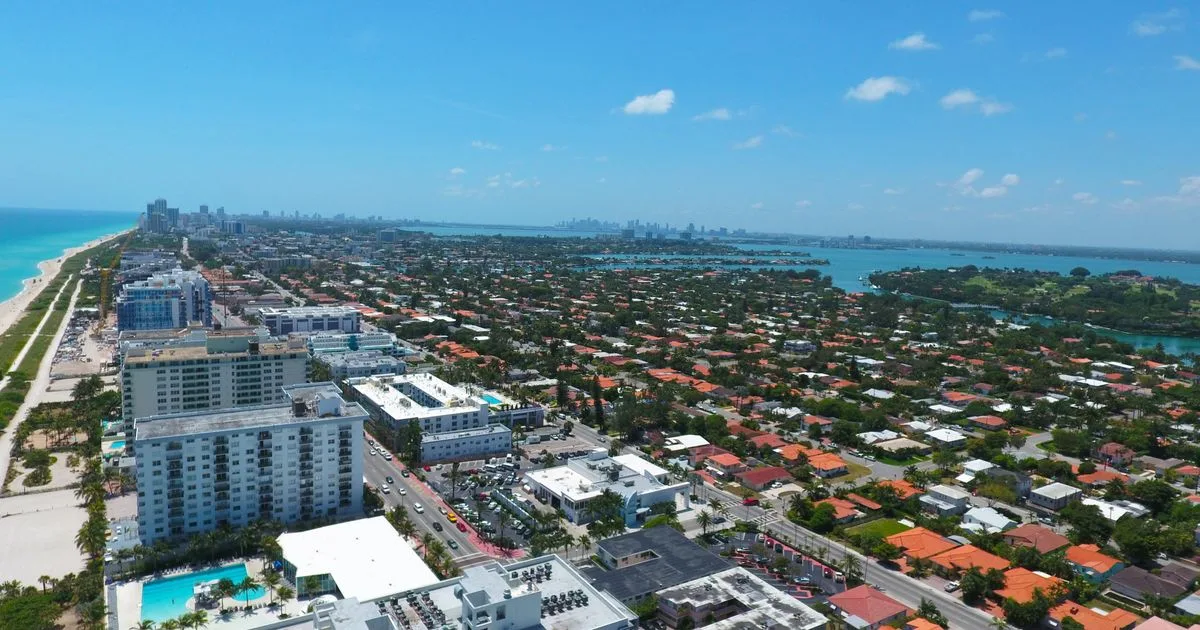
Surfside sits on a narrow barrier island between the Atlantic Ocean and the Intracoastal Waterway, and that location shapes nearly every restoration project in the 33154 area. Salt air, a high water table, and year-round humidity mean small leaks turn into large problems faster here than almost anywhere else in Miami-Dade.
Property owners along Collins Avenue, Harding Avenue, and the residential streets west of Byron rely on a full range of restoration work:
- Water Damage Restoration - extraction, structural drying, and moisture mapping after supply line breaks, roof leaks, and A/C overflows
- Flooded Basement - below-grade parking levels, storage rooms, elevator pits, and sub-grade utility vaults that collect groundwater and storm runoff
- Sewage Cleanup - sanitation of backups from aging lateral lines, lift station failures, and stack blockages in older condo buildings
- Fire Damage Restoration - debris removal, structural cleaning, and rebuilding after kitchen, electrical, and appliance fires
- Smoke Damage Restoration - odor neutralization and soot removal from units affected by fires in neighboring apartments
- Mold Removal - containment, controlled removal, and air scrubbing under Florida licensing standards
The benefit of coordinated service is simple: one team documents the loss, controls the moisture, and keeps the secondary damage from spreading through shared walls and ceiling cavities.
Common Damage Restoration Issues in Surfside, Florida
Most damage calls in Surfside trace back to three sources - water intrusion from above, water intrusion from below, and mechanical failures inside the building envelope.
Frequent Causes
- Air handler condensate line clogs that overflow into drywall and ceiling cavities
- Failed washing machine hoses, water heaters, and angle stops in units built decades ago
- Wind-driven rain penetrating window seals, sliding door tracks, and balcony thresholds
- Roof and parapet leaks on flat-roofed mid-rise buildings
- Sewer backups tied to root intrusion, grease buildup, and saltwater corrosion of older cast iron
- Kitchen grease fires and electrical panel faults in units with original wiring
- Smoke migration through shared plumbing chases and hallway pressure differences
Warning Signs to Watch For
- Musty odor near closets, baseboards, or A/C returns - often the first sign of hidden mold
- Bubbled or discolored paint on ceilings below upper-floor bathrooms
- Warped baseboards, buckling wood flooring, or lifting tile grout
- Slow drains on multiple fixtures at once, which points to a main line problem rather than a single clog
- Cool, damp spots on drywall that feel different from surrounding surfaces
- Persistent soot film on vents or the smell of smoke after a nearby fire
Seasonally, the heaviest volume comes during the summer and fall storm months, but mold calls arrive year-round because indoor humidity rarely drops.
Neighborhoods We Serve in Surfside
Coverage spans the entire town of Surfside and the surrounding barrier island communities, including:
- Oceanfront condominium towers along Collins Avenue
- The Harding Avenue business corridor and adjacent mixed-use buildings
- Single-family residential blocks between Byron Avenue and Biscayne Bay
- Bal Harbour and Bay Harbor Islands
- Indian Creek Village and Surfside's western waterfront homes
- North Bay Village, Miami Beach, and North Miami Beach
- Aventura, Sunny Isles Beach, and Golden Beach
Working across the 33154 zip code and neighboring islands means familiarity with local building department requirements, condo association access rules, and the logistics of moving equipment into buildings with limited loading areas and restricted elevator access. That local knowledge shortens setup time when every hour of standing water counts.
Seasonal Damage Patterns in Surfside
Late Spring (May - June)
- Rainy season begins, bringing roof and window leak calls
- A/C systems run continuously, increasing condensate line failures
- Mold growth accelerates as indoor humidity climbs
Summer and Early Fall (July - October)
- Peak hurricane and tropical storm activity drives flooding of ground-level and below-grade spaces
- King tides push groundwater up, saturating sub-grade parking and storage areas
- Sewage backups spike when heavy rain overwhelms drainage and lift stations
- Power surges after outages contribute to electrical fires and smoke damage
Late Fall and Winter (November - February)
- Drier air helps, but hidden moisture from storm season surfaces as visible mold
- Holiday cooking and seasonal decorations raise kitchen fire frequency
- Seasonal residents return to find leaks that ran unnoticed for months in closed-up units
Spring (March - April)
- Ideal window for moisture inspections, duct cleaning, and preventive repairs
- Plumbing and roof assessments before the next rainy season begins
Housing Characteristics & Restoration Considerations
Surfside's building stock is a mix of mid-century oceanfront condominiums, post-war single-family homes, and newer luxury towers. Each construction type responds differently to water and fire.
Common Construction Features
- Concrete block and poured concrete structures with stucco exteriors
- Terrazzo, tile, and hardwood over concrete slabs
- Flat or low-slope roofs with membrane systems
- Original cast iron drain lines in many buildings from the 1950s through 1970s
- Impact windows retrofitted into older openings, sometimes with imperfect seals
How Construction Affects Restoration
- Concrete holds moisture. Slabs and block walls release water slowly, so drying takes longer and requires monitoring rather than guesswork.
- Shared walls spread damage. A leak in one condo unit travels laterally into neighboring units and vertically through chases - containment matters early.
- Few true basements exist. The high water table means below-grade spaces are limited to parking decks, mechanical rooms, and elevator pits, all of which need pumping and sanitation rather than standard drying.
- Aging drain lines increase sewage risk. Corroded cast iron can fail without warning, sending contaminated water into finished spaces.
- Smoke travels through ductwork. Central A/C systems in multi-unit buildings distribute odor far from the origin, requiring duct cleaning and air scrubbing.
Documenting pre-existing conditions in older buildings also protects owners during insurance and association discussions.
Environmental Conditions & Damage Implications
The local environment works against dry buildings almost every day of the year. Understanding those conditions changes how a restoration project is planned.
Climate and Air
- Relative humidity frequently sits above 70 percent, keeping materials near the threshold for microbial growth
- Salt-laden air corrodes metal fasteners, HVAC coils, and electrical components
- Warm temperatures speed mold colonization - visible growth can appear within a couple of days on damp drywall
- Poor ventilation in tightly sealed, air-conditioned units traps moisture and smoke odor
Water and Soil
- Porous limestone bedrock allows groundwater to rise quickly during heavy rain and high tides
- Sandy coastal soil drains fast at the surface but offers little buffer against tidal influence
- Saltwater intrusion contributes to pipe corrosion and accelerates deterioration of sub-grade structures
- Storm surge and street flooding can introduce contaminated water into ground-floor spaces
What This Means for Your Property
- Dehumidification is as important as extraction - removing standing water alone leaves materials wet
- Category classification of water matters, since flood and backup water carry pathogens requiring full sanitation
- Post-fire cleaning must address humidity too, because moisture bonds soot residue to surfaces and worsens odor
- Mold containment prevents spores from riding air currents into unaffected rooms
Condo Associations, Insurance Documentation, and Clear Communication in Surfside
A large share of Surfside properties are governed by condominium associations, which adds a layer to every restoration project. Knowing where unit-owner responsibility ends and association responsibility begins prevents delays while water sits in the wall.
How Multi-Unit Projects Typically Proceed
- Emergency contact and access. Coordination with building management or security for after-hours entry, elevator use, and equipment staging.
- Source identification. Determining whether the loss originated in a common element - a riser, roof, or main stack - or inside the unit.
- Moisture mapping and documentation. Thermal imaging, meter readings, and photos of every affected area before work begins.
- Containment setup. Poly barriers and negative air machines to stop cross-contamination into hallways and adjacent units.
- Controlled removal and drying. Only saturated, unsalvageable materials come out, with daily readings logged.
- Clearance and reporting. Final moisture logs and, for mold projects, independent post-remediation verification where required.
What Transparent Service Looks Like
- A written scope explaining what will be removed, dried, cleaned, or replaced - and why
- Photo documentation shared with both the owner and the association
- Daily moisture readings so progress is measurable rather than assumed
- Plain explanations of insurance terminology, including how category and class of water loss affect coverage
- Direct communication with adjusters, property managers, and building engineers
- Clear notice before any change in scope
Florida requires separate licensing for mold assessment and mold remediation, and keeping those roles independent protects the property owner. Ask who is performing the clearance testing before remediation starts.
Whether the call involves a flooded parking level after a storm, a sewage backup on the ground floor, or smoke residue drifting from a neighboring unit, the goal stays the same - stabilize conditions quickly, document thoroughly, and keep everyone informed from the first hour forward.





