
Damage Restoration in Bay Harbor Islands, FL
- Damage Restoration Services Overview
- Common Damage Restoration Issues in Bay Harbor Islands, Florida
- Neighborhoods We Serve in Bay Harbor Islands
- Seasonal Damage Patterns in Bay Harbor Islands
- Housing Characteristics & Restoration Considerations
- Environmental Conditions & Damage Implications
- Flood Ordinance Compliance and Insurance Documentation for Island Properties
Damage Restoration Services Overview
Water spreads through a Bay Harbor Islands home within minutes, and porous materials like drywall, cabinetry, and subfloor begin absorbing moisture almost immediately. Mold colonies can establish themselves in a day or two under South Florida humidity, which is why the first hours after a loss shape the entire outcome of a restoration project.
Our restoration teams handle the full spectrum of property damage across the 33154 ZIP code and neighboring Miami, Miami Beach, and Bal Harbour communities:
- Water Damage Restoration - extraction, structural drying, moisture mapping, and controlled dehumidification for plumbing failures, roof leaks, and storm intrusion.
- Flooded Basement - pump-out and drying for below-grade storage areas, elevator pits, parking levels, and sub-grade utility rooms common to island buildings.
- Sewage Cleanup - Category 3 water handling, contaminated material removal, and antimicrobial treatment after backups or lift station failures.
- Fire Damage Restoration - stabilization, debris removal, structural cleaning, and reconstruction coordination.
- Smoke Damage Restoration - soot removal from surfaces and HVAC systems, thermal fogging, and odor neutralization.
- Mold Removal - containment, HEPA filtration, affected material removal, and moisture source correction.
The benefit for residents is straightforward: faster drying means fewer materials removed, lower reconstruction scope, and a cleaner path through the insurance claim process.
Common Damage Restoration Issues in Bay Harbor Islands, Florida
Life on two small islands in Biscayne Bay creates damage patterns you rarely see inland. Elevation is low, groundwater sits close to the surface, and salt air accelerates the breakdown of building components.
Local Causes We Respond To Most
- Tidal and king tide flooding pushing bay water into ground-floor units, garages, and sub-grade parking.
- Hurricane and tropical storm rainfall overwhelming flat roofs, scuppers, and window seals on mid-century multifamily buildings.
- Aging cast iron and galvanized plumbing in older duplexes and apartment buildings, leading to slow leaks behind walls.
- Sanitary sewer backups when heavy rain infiltrates the collection system and pressurizes lateral lines.
- Air conditioning condensate line clogs - one of the single most frequent causes of ceiling and closet water damage in South Florida.
- Electrical and kitchen fires in units with original wiring or heavily used appliances, followed by smoke migration through shared corridors and ductwork.
Warning Signs Worth Acting On
- Musty odor in closets, under sinks, or near air handler closets
- Bubbling paint, warped baseboards, or tile that sounds hollow underfoot
- Rust staining or efflorescence on concrete block walls
- Recurring allergy symptoms that improve when you leave the property
- Persistent smoke odor that returns on humid days after a small fire
- Gurgling drains or slow floor drains before a full sewage backup
Catching any of these early usually keeps a repair contained to one room instead of an entire floor.
Neighborhoods We Serve in Bay Harbor Islands
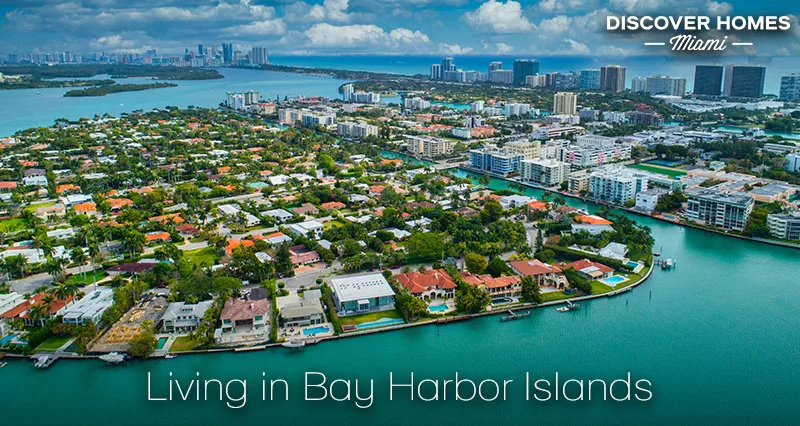
Coverage spans both the residential East Island and the mixed-use West Island, plus the surrounding barrier island communities connected by the Broad Causeway and Kane Concourse.
- East Island - single-family homes along the Bay Harbor waterfront canals and interior residential streets
- West Island - condominium buildings, apartment complexes, and commercial properties along Kane Concourse and 96th Street
- Bal Harbour and Bal Harbour Village - luxury high-rises and shopping district properties
- Surfside - low-rise condominiums and beachfront residences
- Indian Creek Village and Miami Beach - waterfront estates and North Beach neighborhoods
- North Miami, Aventura, and Sunny Isles Beach - surrounding mainland and coastal communities within the 33154 service radius
Crews stage equipment locally so causeway traffic and bridge openings do not delay an emergency water extraction call.
Seasonal Damage Patterns in Bay Harbor Islands
Damage calls follow a predictable rhythm here, and knowing the calendar helps property owners plan inspections before problems start.
- January - March (dry season): Lower humidity makes this the ideal window for mold removal, duct cleaning, and smoke odor remediation. Plumbing leaks still occur, but ambient drying conditions favor faster structural dry-out.
- April - May: Rising temperatures push air conditioning systems back into heavy use. Condensate overflow calls climb sharply, along with first signs of hidden mold from winter leaks.
- June - August: Peak wet season. Daily thunderstorms, roof intrusion, flooded ground-floor units, and sewer backups dominate. Mold growth accelerates as indoor humidity climbs.
- September - October: Hurricane peak combined with king tides. Expect the highest volume of flooded basement and sub-grade parking calls, storm-driven water damage, and post-storm generator and candle-related fire damage.
- November - December: Storm-season damage surfaces as mold. Holiday cooking and decorative lighting drive a seasonal uptick in kitchen fires and smoke damage restoration requests.
Housing Characteristics & Restoration Considerations
Bay Harbor Islands has one of the densest concentrations of mid-century modern architecture in Miami-Dade, with much of the housing stock built between the 1940s and 1970s alongside newer luxury redevelopment.
Construction Types and What They Mean for Restoration
- Concrete block stucco (CBS) walls: Block absorbs and holds water. Drying requires injection systems, negative-pressure cavity drying, and moisture readings taken at multiple depths - surface readings alone are misleading.
- Terrazzo and tile over concrete slab: Water travels laterally under flooring and wicks into wall base. Non-invasive moisture meters and thermal imaging locate the true perimeter of a loss.
- Flat and low-slope roofs: Ponding water and failed membrane seams cause ceiling saturation that often reveals itself far from the actual entry point.
- Mid-century plaster and lath ceilings: Hold smoke residue deep in porous surfaces, requiring specialized cleaning agents rather than simple wipe-down.
- Older multifamily buildings: Shared plumbing stacks and common ductwork spread both water and smoke odor between units, so scoping must include neighboring spaces.
- Sub-grade parking, elevator pits, and mechanical rooms: These function as the local equivalent of basements and are the first areas to flood during tidal surge.
Local Code Factor
The Town of Bay Harbor Islands enforces a flood damage prevention ordinance. When a building is determined to be substantially damaged, it must be brought up to current flood-resistant construction standards. That affects repair scope, elevation of mechanical equipment, and material selection - our documentation is prepared with those requirements in mind so rebuild plans move through review without surprises.
Environmental Conditions & Damage Implications
The island environment works against drying and in favor of microbial growth almost year-round, which changes how restoration is executed here compared to drier climates.
- Relative humidity: Frequently above 70 percent. Open-window drying does not work. Closed-drying systems with LGR dehumidifiers and controlled airflow are required to pull moisture out of block and wood framing.
- Average annual rainfall: Roughly 60 inches, concentrated in a six-month wet season, driving repeat roof and window intrusion.
- Salt air exposure: Corrodes HVAC coils, fasteners, electrical panels, and rebar. Salt-contaminated water damage requires rinsing and neutralizing, not just drying.
- High water table and sandy fill soil: Limits below-grade drainage and allows hydrostatic pressure to push moisture through slabs and foundation walls.
- Brackish bay water intrusion: Classified as contaminated. Materials contacted by tidal floodwater are handled under Category 3 protocols, similar to sewage cleanup.
- Warm year-round temperatures: Combined with humidity, this creates ideal conditions for mold species like Aspergillus, Penicillium, and Chaetomium to colonize within 24 to 48 hours.
Fire losses carry an added complication. Humid air keeps acidic soot particles reactive longer, so corrosion of metals, electronics, and finishes progresses quickly. That is why smoke damage restoration here begins with pre-cleaning and corrosion inhibitors before full surface cleaning and odor treatment.
Flood Ordinance Compliance and Insurance Documentation for Island Properties
Restoring a property in Bay Harbor Islands involves more than drying and rebuilding. Because the town sits within a designated flood zone and enforces a flood damage prevention ordinance, the documentation created during the first days of a loss directly affects what the rebuild is allowed to look like.
How the Process Works
- Emergency response and safety assessment - power and gas evaluation, structural stability check, and containment of contaminated areas.
- Moisture mapping and photographic documentation - thermal imaging, meter readings, and room-by-room records that establish the true extent of damage.
- Water extraction and material classification - clean, gray, and black water are handled under separate protocols, with tidal and sewage-contacted materials removed rather than dried.
- Structural drying with daily monitoring - equipment placement is adjusted based on documented readings until materials reach dry standard.
- Damage valuation support - itemized scope prepared so owners and adjusters can evaluate whether the loss meets the substantial damage threshold.
- Remediation and reconstruction planning - mold clearance, smoke odor verification, and rebuild specifications aligned with current flood-resistant construction standards.
Standards We Work To
- IICRC S500 for water damage restoration and structural drying
- IICRC S520 for mold remediation, containment, and clearance
- IICRC S700 for fire and smoke damage restoration
- Florida licensing requirements for mold assessment and remediation, including independent third-party clearance testing
- Miami-Dade County and Town of Bay Harbor Islands permitting requirements for reconstruction
The benefit to owners is a single, defensible record of the loss. When flood ordinance review, condominium association requirements, and an insurance carrier all need answers, consistent documentation from day one prevents disputes, reduces delays, and keeps the property moving toward occupancy.





