
Damage Restoration in Palm Springs North, FL
- Damage Restoration Services Overview
- Common Damage Restoration Issues in Palm Springs North, Florida
- Neighborhoods We Serve in Palm Springs North
- Seasonal Damage Patterns in Palm Springs North
- Housing Characteristics & Restoration Considerations
- Environmental Conditions & Damage Implications
- Hurricane Season Readiness and 24/7 Emergency Response in Palm Springs North
Damage Restoration Services Overview
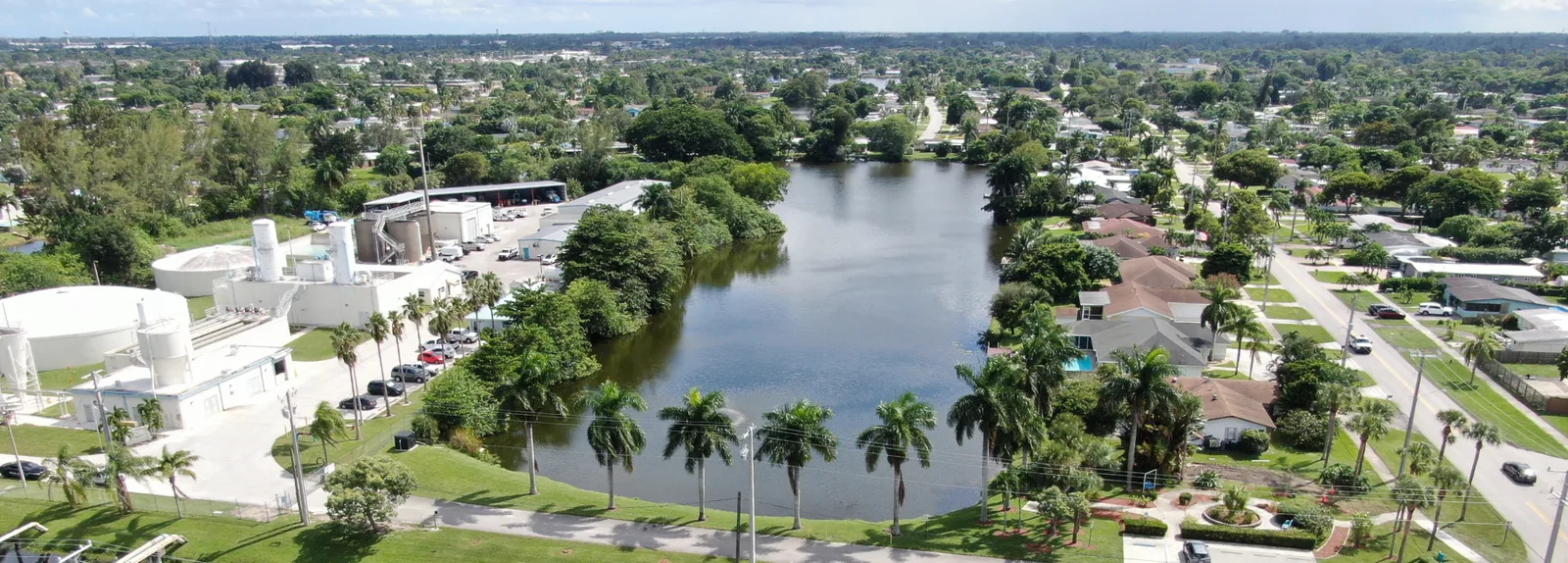
Palm Springs North sits in northwest Miami-Dade County, where flat terrain, a high water table, and subtropical humidity shape nearly every restoration project. Homes here rarely have traditional below-grade basements, but sunken garages, converted Florida rooms, slab-on-grade foundations, and low-lying yards behave much the same way when water arrives quickly.
Property owners in the 33015 and 33018 areas rely on a full range of restoration work, including:
- Water damage restoration - emergency extraction, moisture mapping, and structural drying after plumbing failures, roof leaks, and storm intrusion
- Flooded basement and lower-level recovery - pump-out and drying for sunken living areas, garages, storage rooms, and slab-level utility spaces
- Sewage cleanup - safe removal of contaminated water from backed-up drains, septic issues, and overwhelmed municipal lines
- Fire damage restoration - structural cleanup, debris removal, content handling, and rebuild coordination
- Smoke damage restoration - soot removal, HVAC cleaning, and odor neutralization throughout affected rooms
- Mold removal - inspection, containment, remediation, and moisture-source correction
Fast response matters most in South Florida. Warm indoor temperatures and steady humidity allow microbial growth to begin within a day or two, so early extraction and controlled drying protect drywall, cabinetry, flooring, and indoor air quality before secondary problems take hold.
Common Damage Restoration Issues in Palm Springs North, Florida
Local damage patterns follow a predictable rhythm tied to weather, aging infrastructure, and dense residential development along Palm Springs North's canal-adjacent streets.
Frequent Causes of Loss
- Tropical downpours and hurricane bands that overwhelm gutters, flat roofs, and yard drainage
- Aging cast iron and galvanized supply lines in homes built decades ago
- Failed water heaters, washing machine hoses, and refrigerator supply lines
- Air conditioning condensate line clogs - one of the single most common indoor water sources in Miami-Dade
- Sewer backups when heavy rain infiltrates and overloads collection lines
- Electrical faults, kitchen fires, and outdoor grill incidents that spread smoke through central HVAC systems
Warning Signs Worth Acting On
- Musty odors near closets, baseboards, or air handler closets
- Bubbling paint, softened drywall, or discolored ceiling seams
- Tile that sounds hollow or grout lines that darken and stay damp
- Warped baseboards and separating laminate planks near exterior walls
- Gurgling drains or slow toilets, often the first hint of a sewer line problem
- Soot film on vent registers or lingering smoke odor that returns when the AC cycles
Because concrete block and slab construction hides moisture behind finishes, visual inspection alone is rarely enough. Thermal imaging and penetrating moisture meters identify wet cavities before mold colonies appear on the surface.
Neighborhoods We Serve in Palm Springs North
Coverage spans the full Palm Springs North community and the surrounding northwest Miami-Dade corridor.
- Palm Springs North core neighborhoods along NW 67th Avenue and Miami Lakes Drive
- Country Club and Miami Lakes borders
- Hialeah Gardens and West Hialeah residential blocks
- Country Lakes, Palm Springs Estates, and nearby single-family subdivisions
- Townhome and villa communities near Ludlam Road and the Palmetto Expressway
- Adjacent service reach into Miami Gardens, Opa-locka, Carol City, and Doral
- Broward County neighbors including Miramar, Pembroke Pines, and Coral Springs
HOA-governed communities are common throughout the area, and shared walls in townhome rows mean a single supply line failure often affects multiple units. Restoration crews familiar with local association requirements coordinate access, document shared-wall damage, and keep property managers informed as drying progresses.
Seasonal Damage Patterns in Palm Springs North
South Florida's calendar drives the type of restoration work that dominates each stretch of the year.
- January through March (dry season): Lower humidity brings fewer flooding calls, but plumbing repairs, remodeling accidents, and holiday-season kitchen fires still generate water and smoke losses. A good window for mold inspections and preventive moisture checks.
- April and May: Rising temperatures push air conditioners into constant use. Condensate overflow, clogged drain pans, and rusted air handler bases produce hidden water damage inside closets and ceilings.
- June through August: Daily thunderstorms and the opening of hurricane season bring roof leaks, yard flooding, sunken-garage water intrusion, and sewer backups. Mold growth accelerates fastest during these months.
- September and October: Peak storm activity. Wind-driven rain, power outages, and prolonged humidity cause the heaviest volume of flooded lower levels and post-storm mold remediation.
- November and December: Cooler weather reduces flood calls while holiday cooking, candles, and decorative lighting increase fire and smoke damage incidents.
Housing Characteristics & Restoration Considerations
Palm Springs North developed largely through mid-century and later suburban expansion, producing a housing stock with recognizable restoration challenges.
Typical Construction Features
- Concrete block and stucco exterior walls over monolithic concrete slabs
- Wood or metal truss roof framing with barrel tile, flat tile, or shingle coverings
- Terrazzo, ceramic tile, and later vinyl or laminate flooring installed directly on slab
- Interior partition walls of drywall on furring strips attached to block
- Central HVAC systems with air handlers in interior closets or garages
- Older cast iron drain lines in homes from earlier development phases
How Construction Shapes the Work
- Furring strip cavities trap moisture between block and drywall, requiring targeted drying or controlled removal rather than surface fans alone
- Slab foundations mean water spreads laterally under flooring, so tile and adhesive layers often need moisture testing before reinstallation
- Sunken garages and Florida rooms act as the local equivalent of a basement, collecting storm runoff that must be pumped and sanitized
- Cast iron drain failures introduce sewage contamination beneath slabs, requiring antimicrobial treatment and coordination with plumbers
- Shared attics in townhomes allow smoke and soot to travel between units after a fire
- Older popcorn ceilings and floor adhesives may require testing before demolition begins
Documenting materials and moisture readings from the start supports accurate insurance claims and helps determine what can be dried in place versus what needs replacement.
Environmental Conditions & Damage Implications
The environment around Palm Springs North works against drying and in favor of mold, which shapes every stage of restoration.
Climate and Moisture
- Relative humidity frequently sits between 70 and 90 percent, slowing evaporation without dehumidification equipment
- Annual rainfall exceeds 55 inches, concentrated in the wet season
- Warm year-round temperatures keep indoor conditions inside the range where mold spores thrive
- Tropical systems can deliver several inches of rain in a single afternoon
Ground and Water Conditions
- Porous limestone bedrock and a shallow water table limit how quickly soil absorbs runoff
- Sandy fill over rock allows water to migrate toward slab edges and sunken areas
- Nearby canals and drainage systems can rise during sustained storms, backing water toward low-lying properties
- Municipal sewer lines under heavy rain load are more likely to back up into ground-floor fixtures
Practical Effects on Restoration
- Open-window drying is ineffective here - sealed containment with commercial dehumidifiers is standard
- Mold containment barriers and negative air machines prevent spore spread during remediation
- Sewage losses are treated as contaminated water, requiring removal of porous materials and full disinfection
- Fire and smoke jobs need HVAC cleaning because humid air holds odor compounds longer
- Post-drying verification readings confirm materials reached dry standard before rebuilding
Hurricane Season Readiness and 24/7 Emergency Response in Palm Springs North
Storm preparation and rapid response make the difference between a contained loss and a whole-home rebuild. Palm Springs North homes sit inland from the coast, so wind-driven rain, roof intrusion, and drainage overload cause more damage than storm surge - and those problems often surface hours after the weather clears.
Before the Season Starts
- Have the roof inspected for lifted tiles, failed sealant, and worn flashing at vents and skylights
- Clear gutters, downspouts, and yard drains so runoff moves away from the slab
- Flush the AC condensate line and confirm the drain pan and float switch work
- Replace rubber washing machine and water heater hoses with braided stainless steel
- Photograph rooms, appliances, and stored belongings for insurance documentation
- Locate and label the main water shutoff so anyone in the household can close it
What Happens When You Call
- Immediate dispatch - crews respond around the clock, including during and after storm events
- Safety assessment - electrical hazards, contamination category, and structural stability are evaluated first
- Extraction and stabilization - submersible pumps and truck-mounted units remove standing water from garages, sunken rooms, and living areas
- Containment and cleaning - contaminated materials are removed, surfaces disinfected, and soot or smoke residue addressed by material type
- Structural drying - air movers and dehumidifiers run under daily moisture monitoring until readings meet dry standard
- Remediation and repair - mold treatment, odor neutralization, and reconstruction bring the property back to pre-loss condition
Steps to Take While Waiting
- Shut off the water supply if the source is a plumbing failure
- Avoid contact with sewage-contaminated water and keep pets and children away
- Move furniture and electronics to dry areas if it is safe to do so
- Take photos and short videos of standing water and damaged contents
- Do not run the HVAC system after a fire, since it circulates soot and odor
Documentation gathered on site supports the insurance process, and detailed moisture logs give adjusters the evidence they need to approve necessary drying and rebuild work.





