
Damage Restoration in Alexandria, IN
- Damage Restoration Services Overview
- Common Damage Restoration Issues in Alexandria, Indiana
- Neighborhoods We Serve in Alexandria
- Seasonal Damage Patterns in Alexandria
- Housing Characteristics & Restoration Considerations
- Environmental Conditions & Damage Implications
- Emergency Response and the First 24 Hours in Alexandria
Damage Restoration Services Overview
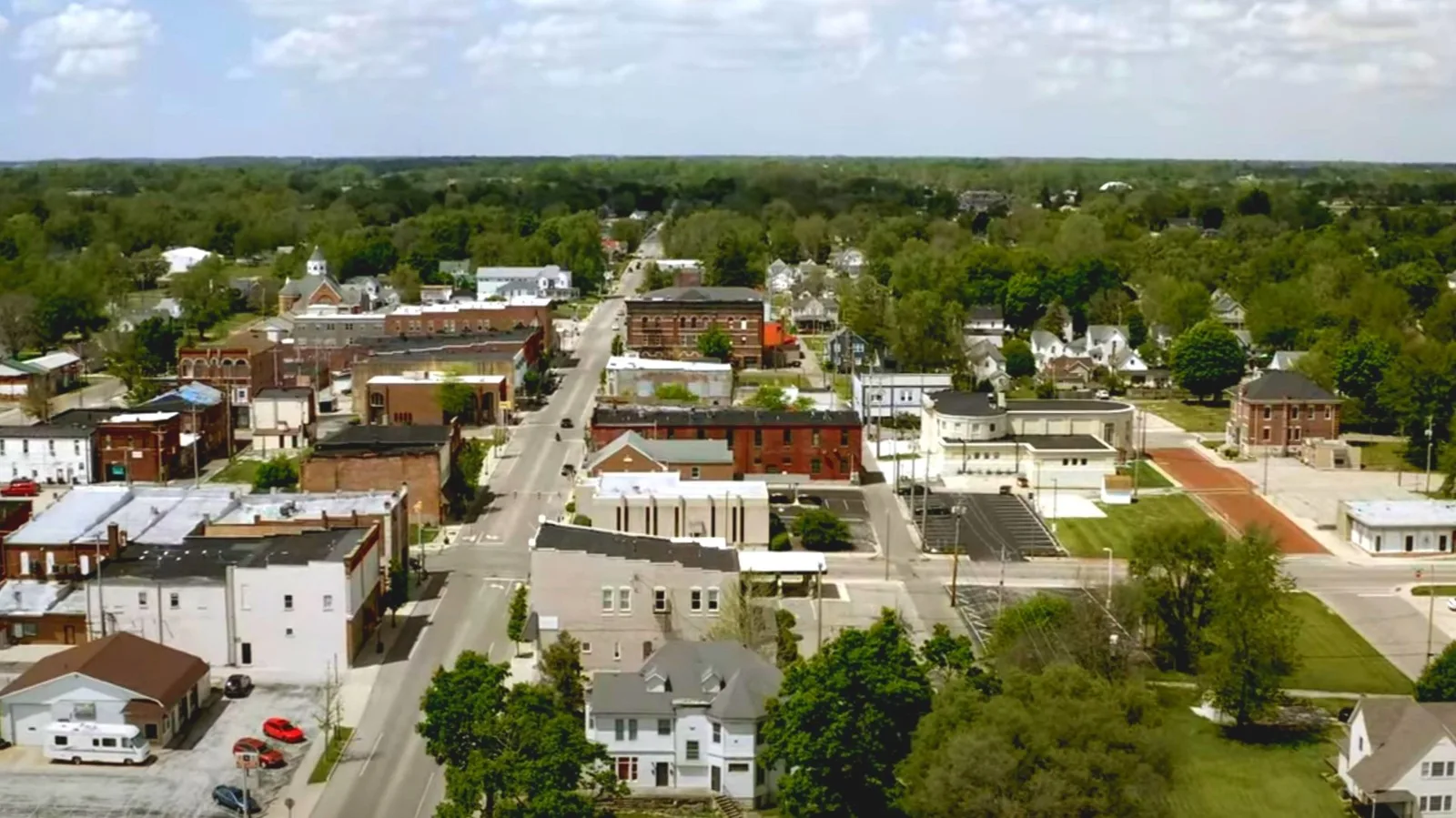
Water that sits for a few extra hours can turn into a problem that lasts for years. Saturated framing warps, drywall wicks moisture upward, adhesives release, and mold colonies establish themselves inside wall cavities where no one can see them. The same holds true after a fire - acidic smoke residues keep etching metal, glass, and finishes long after the flames are out.
Alexandria homeowners have access to a full range of mitigation and rebuild services, each designed to stop that progression early:
- Water Damage Restoration - extraction, moisture mapping, structural drying, and monitoring until materials return to dry standard
- Flooded Basement Cleanup - pump-out, contents handling, sump and drainage evaluation, and dehumidification of below-grade spaces
- Sewage Cleanup - removal of contaminated materials, antimicrobial treatment, and disinfection after Category 3 backups
- Fire Damage Restoration - debris removal, structural stabilization, soot cleaning, and reconstruction
- Smoke Damage Restoration - odor neutralization, HVAC decontamination, and surface-specific residue removal
- Mold Removal - containment, HEPA filtration, affected material removal, and moisture source correction
The benefit for Madison County residents is straightforward: faster drying means fewer materials torn out, lower rebuild scope, and a cleaner insurance claim backed by documented readings.
Common Damage Restoration Issues in Alexandria, Indiana
Alexandria sits in the flat, clay-heavy farmland of central Indiana near Pipe Creek, where poor surface drainage and older municipal infrastructure shape most of the calls restoration crews receive.
Frequent Causes of Loss
- Heavy spring rain overwhelming yard grade and window wells, sending water into basements
- Combined or aging sanitary lines backing up through floor drains and basement toilets
- Sump pump failure during storm-related power outages
- Frozen and burst supply lines in unheated crawl spaces and older additions
- Failed water heaters, washing machine hoses, and supply valves in finished basements
- Kitchen fires, chimney and wood stove fires, and electrical faults in older wiring
- Chronic humidity in crawl spaces feeding mold growth under first-floor joists
Warning Signs Worth Acting On
- A musty odor that intensifies when the furnace or air conditioning cycles on
- Tide lines, efflorescence, or chalky white residue on basement block walls
- Baseboards separating from the wall or floor tiles lifting at seams
- Sewer gas smell near floor drains, even between backup events
- Soot filming on window glass or yellowing on ceilings after a small fire
- Persistent smoke odor returning on humid days despite cleaning
- Unexplained allergy or asthma flare-ups that ease when you leave home
Small leaks rarely stay small in this soil and climate. Standing moisture in a clay-bound basement has nowhere to drain, so it evaporates into the living space and feeds mold on paper-faced drywall.
Neighborhoods We Serve in Alexandria
Crews respond throughout the city limits and into the surrounding townships of Madison County.
- Downtown Alexandria - Harrison Street, Church Street, and the older commercial blocks with shared walls and basement storage
- North Side neighborhoods near Alexandria-Monroe High School and Beulah Park
- South Side and Berry Street corridor homes along the older residential grid
- Monroe Township rural properties on well and septic systems
- SR 28 and SR 9 corridors including outlying farmsteads and acreage homes
Service extends to nearby communities including Anderson, Elwood, Summitville, Orestes, Frankton, Gaston, and Fairmount. Rural addresses with septic systems and private wells often need a different sewage cleanup approach than city-sewer properties, and technicians plan for that before arrival.
Seasonal Damage Patterns in Alexandria
Winter (December - February)
- Burst pipes in crawl spaces, garages, and exterior walls during hard freezes
- Ice dams forcing meltwater under shingles and into upper ceilings
- Peak season for furnace, space heater, fireplace, and chimney fires
- Smoke odor trapped indoors by sealed windows and recirculating HVAC
Spring (March - May)
- Highest volume of flooded basements as snowmelt meets saturated clay soil
- Sump pump overload and sewer backups during multi-day rain events
- Storm damage from severe weather that opens roofs to water intrusion
Summer (June - August)
- Mold growth accelerating in humid basements and crawl spaces
- Condensation damage from oversized or failing air conditioning systems
- Lightning strikes causing attic and electrical fires
Fall (September - November)
- Clogged gutters and downspouts pushing water against foundations
- Hidden slow leaks discovered when heating season begins
- Early heating equipment malfunctions producing puffback soot throughout the home
Housing Characteristics & Restoration Considerations
Alexandria's housing stock skews older than the national average, with a large share of homes built during the gas boom era and the post-war decades. That age drives most restoration decisions.
Common Construction Types
- Early 1900s frame homes - balloon framing, plaster over wood lath, and unlined chimneys
- 1940s - 1970s ranches - poured or block foundations, hardwood over subfloor, original cast iron drains
- 1980s - present builds - drywall, engineered flooring, and finished basement living space
- Rural farmhouses - stone or block cellars, crawl spaces, and additions built in stages
How Age Affects the Work
- Balloon framing lets water and smoke travel vertically between floors, so inspection has to extend well past the visible damage.
- Plaster and lath holds moisture far longer than drywall and needs longer drying cycles with targeted airflow.
- Cast iron and clay sewer laterals crack and root-intrude, making repeat sewage backups likely without line repair.
- Pre-1980 materials may contain asbestos in floor tile, mastic, or pipe wrap - testing precedes demolition.
- Finished basements with carpet, paneling, and framed walls hide saturation behind vapor-trapping surfaces.
- Knob-and-tube or aluminum wiring raises fire risk and complicates rebuild permitting.
Documenting these conditions up front keeps insurance scopes accurate and prevents surprise costs mid-project.
Environmental Conditions & Damage Implications
Central Indiana's humid continental climate creates a wide annual swing that stresses building materials from both directions.
Climate Factors
- Roughly 40 inches of annual precipitation, concentrated in spring and early summer
- Summer dew points regularly in the upper 60s and low 70s, pushing indoor humidity well above safe levels
- Winter temperatures dropping into single digits, freezing exposed plumbing
- Freeze-thaw cycling that widens cracks in block and poured foundation walls
Soil and Groundwater
- Glacial till with heavy clay content drains slowly and holds water against foundations
- Flat topography around Pipe Creek limits natural runoff away from structures
- Seasonally high water tables raise hydrostatic pressure on basement floors and cove joints
- Expansive clay shifts with moisture content, opening entry points at wall penetrations
What It Means for Restoration
- Dehumidification must be sized for the region's moisture load, not just square footage
- Basements often need vapor barrier and drainage correction, or water simply returns
- Mold remediation without humidity control is a temporary fix at best
- Rural properties on private wells need water testing after any sewage contamination event
- Smoke odor lingers longer in humid conditions because residues reactivate as moisture rises
Emergency Response and the First 24 Hours in Alexandria
What happens in the first day after a loss shapes everything that follows. Materials that stay wet past roughly 48 hours generally have to come out rather than be dried in place, and mold spores begin colonizing organic surfaces in that same window.
What to Do Before Crews Arrive
- Stop the source if you can safely reach a shutoff valve or main breaker.
- Keep everyone out of standing water where electrical hazards or sewage may be present.
- Photograph and video every affected room and item before moving anything.
- Move undamaged contents, rugs, and furniture to a dry area on an upper level.
- Notify your insurance carrier and open a claim number.
- Leave fire-damaged surfaces alone - improper wiping drives soot deeper into finishes.
What the Response Team Handles
- Safety assessment, including structural stability and air quality screening
- Water category classification - clean, gray, or black - which dictates disposal rules
- Extraction with truck-mounted or portable units, then controlled demolition where needed
- Placement of air movers, dehumidifiers, and HEPA scrubbers with daily moisture logs
- Containment barriers and negative air pressure for mold and sewage work
- Antimicrobial application on contaminated surfaces and framing
- Thermal fogging, hydroxyl, or ozone treatment for persistent smoke odor
- Documentation packaged for the adjuster, including readings and photo logs
Why Local Response Time Matters
Alexandria sits far enough from major metro crews that dispatch distance affects arrival. Teams familiar with Madison County's sewer layout, clay soils, and older housing stock arrive knowing what they will likely find - which shortens the assessment phase and gets drying equipment running sooner.
Round-the-clock availability matters most for sewage and flooding events, which rarely happen during business hours.





