
Damage Restoration in Marion, IN
- Damage Restoration Services Overview
- Common Damage Restoration Issues in Marion, Indiana
- Neighborhoods We Serve in Marion
- Seasonal Damage Patterns in Marion
- Housing Characteristics & Restoration Considerations
- Environmental Conditions & Damage Implications
- Storm Response and Sewer Backup Readiness in Grant County
Damage Restoration Services Overview
You head downstairs to grab a storage bin and your sock soaks through. The carpet pad squishes, a musty smell hangs in the air, and the water line on the drywall tells you this did not happen an hour ago. In Marion, that scene plays out after spring downpours, frozen supply lines, and backed-up floor drains more often than most homeowners expect.
Restoration work covers far more than pumping out water. A single event often triggers several problems at once - saturated framing, contaminated flooring, and hidden microbial growth behind baseboards.
- Water Damage Restoration - extraction, structural drying, moisture mapping, and monitoring until materials return to dry standards.
- Flooded Basement - pump-out, content handling, sanitizing of slab and block walls, and drying of below-grade spaces.
- Sewage Cleanup - removal of contaminated materials, disinfection, and safe disposal following category three water protocols.
- Fire Damage Restoration - debris removal, soot cleaning, structural stabilization, and content recovery.
- Smoke Damage Restoration - odor neutralization, HVAC cleaning, and treatment of surfaces smoke reached but flames never touched.
- Mold Removal - containment, controlled removal of affected materials, and correction of the moisture source.
The benefit for Marion residents is simple: faster drying means fewer materials lost, less mold risk, and a smoother insurance process.
Common Damage Restoration Issues in Marion, Indiana
Marion sits along the Mississinewa River, and low-lying ground plus aging infrastructure creates a predictable set of problems. Homes near river-adjoining green spaces see basement humidity spikes that have nothing to do with a leak - the soil simply stays saturated and moisture migrates through block walls.
Frequent Causes We Respond To
- Storm bursts overwhelming downspouts and window wells in Shady Hills-style subdivisions
- Creek and river backwater pushing into crawlspaces and sub-grade utility rooms
- Sanitary sewer backups when heavy rain overloads combined lines
- Failed sump pumps during power outages from storms like the April 2, 2025 wind line
- Burst or split supply lines during hard January freezes
- Lightning strikes and electrical faults igniting attic and wall fires
- Kitchen grease fires that spread smoke through every duct in the house
Warning Signs Worth Acting On
- Musty odor in a crawlspace or basement that returns after every rain
- Efflorescence - white chalky residue - on block foundation walls
- Bubbling paint, cupping hardwood, or soft spots in subfloor
- Slow floor drains or gurgling toilets, both early sewage backup indicators
- Persistent smoke odor that reappears on humid days after a small fire
- Allergy-like symptoms that improve when you leave the house
Ranch-style homes across Marion are especially prone to crawlspace mold after wet springs, since shallow vented crawls trap humid air against wood framing.
Neighborhoods We Serve in Marion
Response covers the full city and the surrounding Grant County communities, including rural properties on well and septic systems.
- Downtown Marion and the historic courthouse district
- Shady Hills and nearby subdivision pockets prone to early summer seepage
- North Marion neighborhoods along the Mississinewa corridor
- West Marion and the Indiana Wesleyan University area
- South Marion residential streets and rental properties
- Neighborhoods bordering Matter Park and river-adjoining green space
- Surrounding areas: Gas City, Jonesboro, Upland, Sweetser, Fairmount, Van Buren, Converse, and rural Grant County
Knowing which streets sit on clay-heavy lots and which blocks share older sewer laterals shapes how crews approach each call - from where they stage equipment to whether a backup is likely to recur.
Seasonal Damage Patterns in Marion
Winter (December - February)
- Frozen and burst supply lines in unheated crawlspaces and exterior walls
- Ice damming pushing meltwater under shingles into ceilings
- Heating equipment, space heater, and fireplace fires with heavy smoke spread
Spring (March - May)
- April rainfall pressing on the most common water intrusion points - window wells, cove joints, wall penetrations
- Snowmelt plus saturated clay soil raising hydrostatic pressure on basement walls
- Sewer backups when volume exceeds line capacity
- Crawlspace mold colonies establishing after wet spring stretches
Summer (June - August)
- Fast storm bursts flooding basements in minutes
- Lightning-related structure fires and surge damage to sump systems
- Peak humidity feeding mold growth on any material still holding moisture
- AC condensate line clogs soaking closets and ceilings
Fall (September - November)
- Clogged gutters directing roof runoff against foundations
- First-use furnace and chimney fires producing soot throughout ductwork
- Ideal window for waterproofing checks before winter
Housing Characteristics & Restoration Considerations
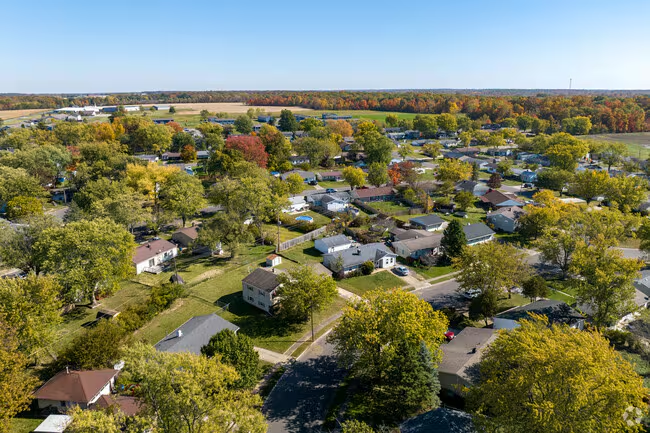
Marion's housing stock reflects its industrial history. Many homes date to the early and mid-twentieth century, built with locally available materials and practical construction choices that still influence how water and smoke travel today.
Common Construction Types
- Pre-1940 two-story homes - plaster over wood lath, balloon framing, stone or brick foundations
- Postwar bungalows and Cape Cods - poured or block basements, hardwood over plank subfloor
- 1960s-1980s ranch homes - slab or shallow vented crawlspace, low-clearance ductwork
- Newer builds and manufactured housing - engineered lumber, OSB sheathing, sealed crawls
How Age Affects the Restoration Approach
- Balloon framing creates open wall cavities that carry smoke and moisture from basement to attic, so drying and odor work must extend beyond the visible damage zone.
- Plaster and lath holds water differently than drywall and often needs targeted cavity drying rather than immediate removal.
- Block foundations wick groundwater through mortar joints, requiring wall drying systems in addition to surface extraction.
- Pre-1980 materials may contain asbestos or lead, so testing precedes demolition on older properties.
- Low crawlspaces in ranch homes limit equipment access, calling for compact dehumidification and vapor barrier replacement.
- Older cast iron and clay sewer laterals crack and root-intrude, making repeat sewage backups likely without line inspection.
Environmental Conditions & Damage Implications
Grant County sits on glacial till with substantial clay content. Clay drains slowly, swells when wet, and holds water against foundation walls long after the rain stops.
Local Conditions That Drive Damage
- Clay-heavy soil - slow percolation, high hydrostatic pressure, recurring basement seepage
- Flat to gently rolling terrain - standing water pools near foundations instead of running off
- Mississinewa River and feeder creeks - elevated groundwater tables in adjacent neighborhoods
- Humid continental climate - summer dew points that keep indoor humidity above mold-safe levels
- Hard water with iron content - staining on flooded surfaces and mineral buildup in plumbing that contributes to leaks
- Freeze-thaw cycling - mortar cracking and foundation gaps that widen each winter
What This Means for Each Service
- Water and flooded basement projects require dehumidification sized for high ambient humidity, not just the spilled volume.
- Mold removal must pair material removal with humidity control - typically keeping below-grade spaces under 50 percent relative humidity.
- Sewage cleanup near the river demands careful assessment of whether groundwater or a sewer line is the source, since remedies differ.
- Fire and smoke work in humid conditions can drive acidic soot deeper into porous surfaces, making prompt cleaning important for metal and stone finishes.
- Crawlspace encapsulation and vapor barriers often prevent the next call entirely.
Storm Response and Sewer Backup Readiness in Grant County
The April 2, 2025 severe storm line taught a lot of Marion homeowners the same lesson at once: wind and water arrive together, and power fails right when the sump pump matters most. Crews fielded calls for roof breaches, saturated ceilings, and basements filling within an hour of the outage.
Why Local Knowledge Changes the Outcome
- Familiarity with which Marion neighborhoods sit on shared older laterals prone to backup
- Understanding how river-adjacent lots hold groundwater weeks after storms end
- Experience with Grant County housing stock - plaster, block walls, shallow crawls
- Working relationships with local plumbers, electricians, and roofing contractors for source repair
- Documentation habits that match what regional insurance adjusters expect
Steps to Take Before the Next Storm
- Test the sump pump quarterly and add a battery or water-powered backup.
- Install a backwater valve if your home has ever seen a sewer backup.
- Extend downspouts at least six feet from the foundation and re-grade low spots.
- Clear window wells and add covers on below-grade windows.
- Move stored items off basement floors onto shelving or pallets.
- Photograph finished basement areas and valuable contents for your records.
- Have chimneys, dryer vents, and furnace equipment inspected before heating season.
What Happens When You Call
- Emergency contact and dispatch, available around the clock.
- On-site assessment with moisture meters, thermal imaging, and source identification.
- Water extraction or debris removal, followed by containment where contamination or mold is present.
- Structural drying with air movers and dehumidifiers, monitored with daily readings.
- Cleaning, deodorizing, and antimicrobial treatment of affected surfaces.
- Reconstruction coordination and full documentation for your claim.
Marion homes carry a lot of history in their framing. Restoration done with that history in mind protects the structure and keeps repeat damage from becoming a yearly routine.





