
Damage Restoration in Gas City, IN
- Damage Restoration Services Overview
- Common Damage Restoration Issues in Gas City, Indiana
- Neighborhoods We Serve in Gas City
- Seasonal Damage Patterns in Gas City
- Housing Characteristics & Restoration Considerations
- Environmental Conditions & Damage Implications
- From Emergency Call to Final Repair: How Restoration Works in Gas City
Damage Restoration Services Overview
It's a Tuesday night in March. A sump pump quits during a heavy rain, and by morning there's four inches of water across the basement floor - soaking carpet padding, drywall, and boxes of family photos.
That scenario plays out across Gas City every storm season. Fast response separates a manageable cleanup from a gutted basement and a mold problem that spreads through the framing.
Restoration crews answer 24/7 at (765) 517-7678 and cover Gas City and the wider Grant County area with a full range of emergency and repair services:
- Water damage restoration - rapid extraction, structural drying, moisture monitoring, and rebuild of damaged materials
- Flooded basement cleanup - pump-out, sump and drain evaluation, dehumidification, and content handling
- Sewage cleanup - removal of contaminated water and porous materials, antimicrobial treatment, and sanitizing
- Fire damage restoration - debris removal, board-up, structural cleaning, and reconstruction
- Smoke damage restoration - soot removal from surfaces and HVAC systems, odor neutralization, and air scrubbing
- Mold removal - containment, controlled removal, humidity correction, and post-work verification
Free estimates and warranties are offered on repair work, including dry-rot, water, and pest-related structural damage. One team manages the job from the first extraction hose to the final coat of paint.
Common Damage Restoration Issues in Gas City, Indiana
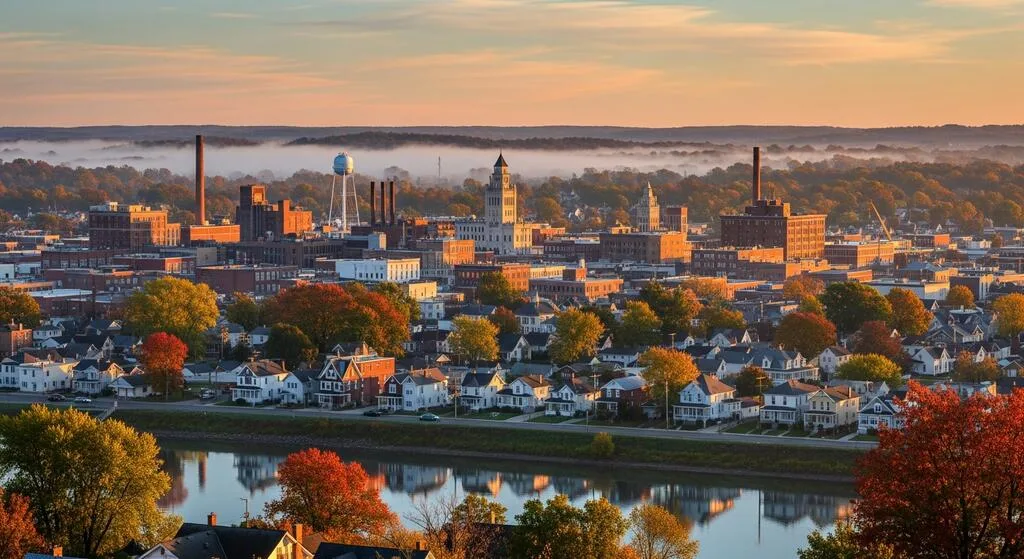
Gas City sits in the flat glacial plain of central Indiana, near the Mississinewa River corridor. Flat ground drains slowly, and clay-heavy soil holds water against foundation walls long after the rain stops.
Frequent Causes of Damage
- Spring thunderstorms overwhelming sump pumps and downspout systems
- Groundwater pressure pushing through block foundation walls and cove joints
- Aging clay sewer laterals cracking, allowing root intrusion and backups
- Frozen or burst supply lines in unheated crawl spaces and garages
- Water heater and washing machine hose failures on upper floors
- Storm damage to roofing that lets water travel into attics and ceilings
- Kitchen fires, space heaters, and wood stoves during cold months
- Chimney and flue issues that push smoke into living areas
Warning Signs Homeowners Should Watch For
- A musty smell in the basement or near return air vents
- Efflorescence - white chalky residue - on block foundation walls
- Floor tile lifting, baseboards swelling, or drywall darkening near the floor line
- Slow floor drains or gurgling from toilets when the washer discharges
- Staining on ceilings after wind-driven rain
- Soot film on window glass, lampshades, or HVAC filters after a small fire
- Allergy-like symptoms that improve when you leave the house
Any of these signs warrants an inspection. Moisture meters and thermal imaging find water hidden inside wall cavities before mold takes hold.
Neighborhoods We Serve in Gas City
Crews cover the entire 46933 ZIP code and the surrounding Grant County communities.
- Downtown Gas City and the East Main Street corridor
- Residential streets north and south of South Broadway
- Neighborhoods bordering Gas City Park and Wildlife Habitat
- Homes along the I-69 and State Road 22 corridors
- Older housing stock near the former industrial district
- Rural properties on well and septic systems outside city limits
Nearby service areas include Jonesboro, Marion, Upland, Fairmount, Van Buren, Matthews, Sweetser, and Swayzee. Response time to most Gas City addresses is short, which matters when standing water is soaking into subfloor and framing.
Local roofing damage inspection partners operate within a mile of the city center, so storm-related roof and interior water work can move forward together rather than in separate stages.
Seasonal Damage Patterns in Gas City
Winter (December - February)
- Frozen and burst pipes in crawl spaces, exterior walls, and vacant properties
- Ice dams forcing meltwater under shingles and into ceilings
- Heating-related fires from furnaces, space heaters, and fireplaces
- Smoke and soot damage that spreads quickly through closed-up houses
Spring (March - May)
- Peak season for flooded basements as saturated clay soil sheds runoff
- Sump pump failures and power outages during severe storms
- Sewer backups when municipal lines run at capacity
- Roof and siding damage from high winds and hail
Summer (June - August)
- High humidity feeding mold growth in basements and crawl spaces
- Air conditioning condensate line clogs causing hidden ceiling leaks
- Fast-moving storms with heavy short-duration rainfall
Fall (September - November)
- Clogged gutters from leaf fall redirecting water to the foundation
- First heating cycles revealing chimney and furnace problems
- Mold discovered during seasonal cleaning and storage swaps
Housing Characteristics & Restoration Considerations
Gas City's housing reflects its history as a gas-boom town and later manufacturing center. Many homes date to the early and mid 1900s, with newer subdivisions added on the outskirts.
Common Construction Types
- Early 1900s frame homes with balloon framing and plaster walls
- Post-war ranches with poured or block basements
- Mid-century homes with crawl spaces and limited vapor barriers
- 1980s-2000s subdivisions with finished basements and vinyl siding
- Manufactured homes on perimeter lots
How Age Affects Restoration Work
- Balloon framing creates open wall cavities that let fire, smoke, and water travel between floors - drying and soot cleaning must reach into those chases.
- Plaster and lath holds moisture far longer than drywall and needs different drying strategy and equipment placement.
- Block foundations retain water inside the cores, requiring targeted drying rather than surface-only dehumidification.
- Older sewer laterals made of clay or cast iron raise the odds of sewage backup and contaminated water categories.
- Finished basements mean carpet, padding, paneling, and insulation that often must come out to save the framing behind them.
- Homes built before 1980 may contain asbestos-bearing materials or lead paint, which changes demolition procedure.
- Crawl spaces without vapor barriers become mold reservoirs that push spores and odor into the living space.
Structural repairs cover dry-rot, water, and pest damage - sill plates, rim joists, and subfloor sections that failed long before the current emergency. Estimates are free and repair work carries a warranty.
Environmental Conditions & Damage Implications
Central Indiana's humid continental climate creates a wide seasonal swing that stresses buildings and encourages microbial growth.
Climate and Moisture
- Roughly 40 inches of annual precipitation, heaviest from April through July
- Summer dew points that regularly push indoor humidity above the 60 percent mold threshold
- Winter freeze-thaw cycles that crack foundation mortar and open new water paths
- Snowmelt combined with early spring rain that saturates already-full soil
Soil and Groundwater
- Glacial till with heavy clay content drains slowly and expands when wet
- Expanding clay presses against basement walls, worsening cracks and seepage
- Shallow water tables near the Mississinewa River keep foundation soil damp
- Flat terrain limits natural runoff, so grading and downspout extensions matter
Air Quality and Indoor Health
- Agricultural dust and pollen loads increase HVAC filter fouling
- Smoke particulate from a fire bonds to cold surfaces and lingers in ductwork
- Sewage backups introduce bacteria that require full antimicrobial treatment, not rinsing
- Tightly sealed modern homes trap humidity and odor without mechanical ventilation
These conditions shape the work plan. Drying targets are set with local humidity in mind, air scrubbers and HEPA filtration run during demolition, and moisture readings are logged daily until materials reach a stable dry standard rather than simply looking dry.
From Emergency Call to Final Repair: How Restoration Works in Gas City
Most homeowners have never managed a restoration project before. Knowing the sequence removes a lot of stress at three in the morning.
The Restoration Process
- Emergency call - phones are answered 24/7 at (765) 517-7678, with guidance on shutting off water or power before crews arrive.
- Inspection and documentation - moisture mapping, thermal imaging, photos, and category classification of the water or contamination.
- Stabilization - extraction, pump-out, board-up, roof tarping, or containment barriers to stop further loss.
- Removal - saturated carpet, padding, insulation, and unsalvageable drywall come out; sewage-affected porous materials are always removed.
- Cleaning and treatment - antimicrobial application, soot removal, duct cleaning, and odor neutralization with air scrubbers.
- Structural drying - air movers and dehumidifiers positioned by cavity type, with daily readings recorded until targets are met.
- Repair and rebuild - framing, subfloor, drywall, trim, paint, and flooring restored to pre-loss condition.
- Final walkthrough - verification readings, warranty paperwork, and documentation for your insurance file.
Why a Single Team Matters
- No gap between drying and rebuild where mold can start growing again
- One point of contact instead of coordinating separate mitigation and repair contractors
- Documentation stays consistent throughout the claim
- Structural issues found during demolition - dry-rot, pest damage, failed sill plates - get corrected before walls close up
- Roof and exterior damage can be inspected alongside interior water work
Free estimates are provided before work begins, and repairs are backed by a warranty. Whether it's a sewage backup in an older Gas City home, mold behind finished basement paneling, or smoke damage after a kitchen fire, the goal is the same - a dry, clean, structurally sound house you can live in without worrying about what's behind the drywall.





