Damage Restoration in Dodge County, WI
- Damage Restoration Services Overview
- Common Damage Restoration Issues in Dodge County, Wisconsin
- Neighborhoods We Serve in Dodge County
- Seasonal Damage Patterns in Dodge County
- Housing Characteristics & Restoration Considerations
- Environmental Conditions & Damage Implications
- Storm Response and Insurance Documentation for Dodge County Homeowners
Damage Restoration Services Overview
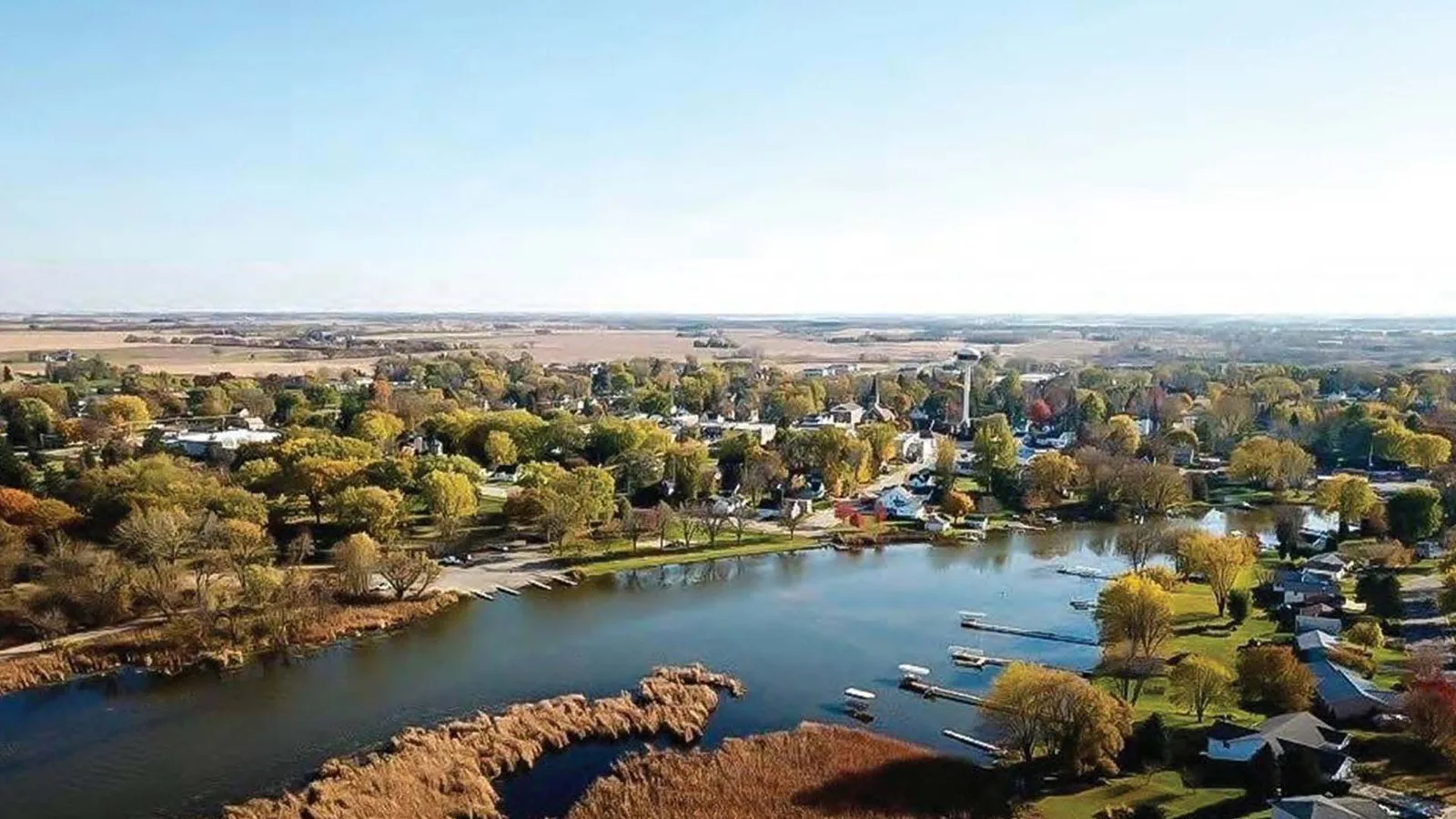
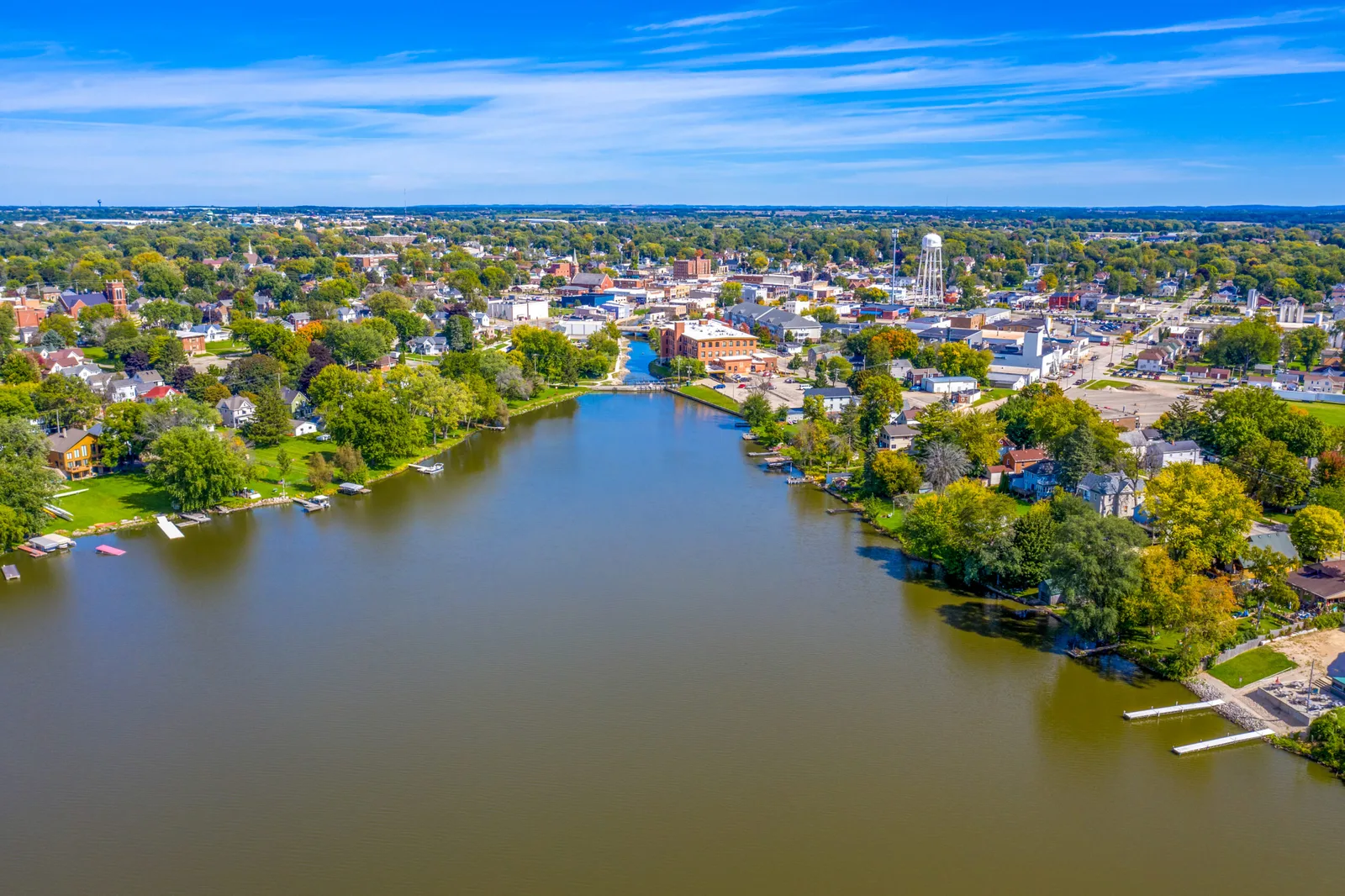
Dodge County sits where the Rock River, the Horicon Marsh and miles of farmland meet older small-town housing stock. That combination creates restoration challenges you won't find in newer suburban developments - high water tables, aging clay sewer laterals, fieldstone basements and homes heated by wood, propane and older furnaces.
Our Dodge County teams understand regional water damage patterns, from seasonal flood risks to the plumbing failures common in local home styles. Call (833) 824-0699 for immediate response.
Services available across the county include:
- Water Damage Restoration - extraction, structural drying and moisture mapping after burst pipes, appliance failures and storm intrusion
- Flooded Basement Cleanup - pump-out, content removal and drying for stone, block and poured foundations
- Sewage Cleanup - biohazard-rated removal and disinfection after backups, septic failures and lateral line collapses
- Fire Damage Restoration - structural stabilization, debris removal and rebuild coordination
- Smoke Damage Restoration - soot removal, thermal fogging, HVAC cleaning and odor neutralization
- Mold Removal - containment, HEPA filtration, material removal and antimicrobial treatment
Benefits for local homeowners include faster drying before secondary mold growth begins, documentation that supports insurance claims, and crews who know how Dodge County building styles hold moisture.
Common Damage Restoration Issues in Dodge County, Wisconsin
Storms remain the single largest driver of emergency calls. Severe systems have hit Horicon, Lomira and Beaver Dam especially hard, tearing roofing material loose and letting water travel down wall cavities into finished basements.
Frequent local causes of damage:
- Hail and wind roof damage - lifted shingles and punctured flashing that leak weeks after the storm passes
- Spring snowmelt and Rock River rise - saturated soil pushing groundwater through foundation joints
- Frozen and burst supply lines - common in uninsulated crawl spaces and older farmhouse additions
- Sump pump failure - overwhelmed or power-lost pumps during heavy rain events
- Sewer and septic backups - clay laterals with root intrusion in older Beaver Dam and Waupun neighborhoods
- Heating-related fires - wood stoves, space heaters and aging furnaces during long winters
- Kitchen grease fires - the leading cause of smoke damage in residential structures
Warning signs worth acting on quickly:
- Musty odors in basements or near baseboards, even when surfaces feel dry
- Efflorescence - white chalky residue - on block or stone foundation walls
- Buckled flooring, tide lines on drywall or peeling paint near the floor
- Gurgling floor drains or slow basement fixtures signaling a lateral problem
- Lingering smoke odor that returns on humid days after a small fire
- Visible mold at rim joists, behind furniture or inside HVAC return vents
Neighborhoods We Serve in Dodge County
Crews respond throughout the county and into neighboring communities. Coverage includes:
- Beaver Dam - lakefront homes, older near-downtown housing and newer east-side subdivisions
- Watertown (Dodge County side) - historic homes with stone basements near the Rock River
- Horicon and Mayville - properties bordering the Horicon Marsh with elevated groundwater
- Waupun - century-old housing stock and clay sewer laterals
- Juneau, Hartford-area outskirts, Hustisford, Lomira and Iron Ridge
- Randolph, Fox Lake, Reeseville, Clyman, Neosho and Brownsville
- Rural townships - farmsteads, outbuildings and septic-served homes throughout the county
We also reach adjacent portions of Washington, Jefferson, Columbia and Fond du Lac counties when regional storm events stretch local resources.
Seasonal Damage Patterns in Dodge County
Restoration demand in south-central Wisconsin follows a predictable rhythm.
- December - February: Frozen and burst pipes peak, along with furnace, wood stove and space heater fires. Ice dams push meltwater under shingles into attics and ceilings.
- March - April: Snowmelt combined with still-frozen ground sends water toward foundations. Flooded basements and sump failures dominate call volume.
- May - June: Severe thunderstorm season brings hail, wind-driven rain and roof breaches. Sewer backups rise when heavy rain overwhelms municipal systems.
- July - August: Humidity above 70 percent fuels mold growth in basements and crawl spaces. Air conditioning condensate line clogs cause hidden ceiling and wall damage.
- September - October: Harvest-season equipment and outbuilding fires increase. Falling leaves clog gutters and downspouts, redirecting water at the foundation.
- November: First hard freezes catch unwinterized hose bibs, seasonal cabins and rural pump houses.
Post-storm mold calls typically arrive 10 to 21 days after the weather event - which is why fast drying after any intrusion matters.
Housing Characteristics & Restoration Considerations
Dodge County housing skews older than the Wisconsin average, with a large share of homes built before 1970 and many pre-1940 farmhouses and village properties still in daily use. Construction type directly shapes the restoration approach.
Common Building Types and Their Vulnerabilities
- Pre-1940 farmhouses: Fieldstone or rubble foundations that wick moisture; balloon framing that lets smoke and fire travel vertically between floors
- 1950s - 1970s ranches: Concrete block basements prone to seepage at mortar joints; original cast iron drain lines nearing end of life
- Mid-century additions: Shallow crawl spaces with minimal vapor barrier, a frequent source of chronic mold
- 1990s - present subdivisions: Finished basements with carpet, drywall and framed walls that trap water behind the surface
- Rural properties: Private wells and septic systems requiring specialized sewage cleanup and water testing
How This Affects the Work
- Plaster and lath in older homes holds water longer than drywall and needs extended drying with targeted airflow
- Stone foundations require moisture meters and thermal imaging rather than surface inspection alone
- Homes built before 1980 may contain asbestos or lead-based materials, so testing precedes demolition
- Balloon-framed walls need cavity drying and soot inspection well above the visible damage line
- Finished basements usually require flood-cut drywall removal and carpet pad disposal after Category 2 or 3 water
Environmental Conditions & Damage Implications
Dodge County's climate and geology work against drying homes. Understanding those conditions shapes every restoration plan.
Climate
- Roughly 33 - 35 inches of annual precipitation, much of it in intense spring and summer storms
- Summer dew points regularly in the upper 60s, slowing evaporation and accelerating mold colonization
- Winter lows well below zero, driving pipe freeze risk and heating-appliance fire hazards
- Roughly 40 inches of average annual snowfall feeding spring melt runoff
Soil and Groundwater
- Heavy glacial till and clay-rich soils that drain slowly and exert hydrostatic pressure on foundation walls
- Elevated water tables near the Horicon Marsh, Beaver Dam Lake, Fox Lake and the Rock River corridor
- Shallow bedrock in portions of the county limiting deep drainage options
Water Quality
- Hard, mineral-heavy well and municipal water that stresses supply lines, water heaters and appliance hoses
- Agricultural runoff concerns that make contaminated floodwater a health issue requiring Category 3 protocols
- Private septic systems that can surcharge during saturated ground conditions
Restoration Implications
Dehumidification loads run higher here than in drier regions, so LGR dehumidifiers and containment are standard rather than optional. Any water contacting soil, septic or floodwater is treated as contaminated, with removal of porous materials and full antimicrobial application. Smoke residues also bind more aggressively in humid conditions, requiring HEPA filtration and hydroxyl or ozone treatment rather than surface cleaning alone.
Storm Response and Insurance Documentation for Dodge County Homeowners
When a line of severe storms rolls across the county, hundreds of properties can be affected in a single night. Horicon, Lomira and Beaver Dam have all taken direct hits, and demand for qualified crews spikes immediately.
What to Do in the First 24 Hours
- Shut off electricity to affected areas if water has reached outlets, panels or appliances
- Stop the source where safely possible - main water valve, roof tarping, sump backup power
- Photograph and video everything before moving items, including serial numbers on damaged appliances
- Call your restoration provider and your insurance carrier the same day
- Move undamaged contents to a dry, secure area to limit further loss
- Avoid entering standing water that may contain sewage or agricultural runoff
Why Documentation Matters
- Moisture readings - daily logs prove drying progress and justify equipment days
- Thermal imaging - shows hidden water behind stone foundations and plaster walls
- Scope of loss - itemized inventories of damaged contents, flooring and structural materials
- Air quality data - spore counts supporting mold remediation claims
- Cause-of-loss narrative - distinguishing sudden pipe failure from long-term seepage, which affects coverage
Coordinating Roof and Structural Repairs
Water damage that begins with hail or wind damage often requires roofing work before interior drying can finish. Local contractors handle hail storm roof repair and wind damage repair in Dodge County - one option is Kingdom Roofing at 920-404-5760. Sequencing matters: tarp and dry-in first, dry the structure second, rebuild third.
Mold prevention is the reason speed pays off. In Wisconsin's summer humidity, colonies can establish within 24 to 48 hours of a water event, turning a straightforward drying job into full containment and remediation.