Damage Restoration in La Crosse, WI
- Damage Restoration Services Overview
- Common Damage Restoration Issues in La Crosse, Wisconsin
- Neighborhoods We Serve in La Crosse
- Seasonal Damage Patterns in La Crosse
- Housing Characteristics & Restoration Considerations
- Environmental Conditions & Damage Implications
- Mississippi River Flood Zone Restoration Expertise
Damage Restoration Services Overview
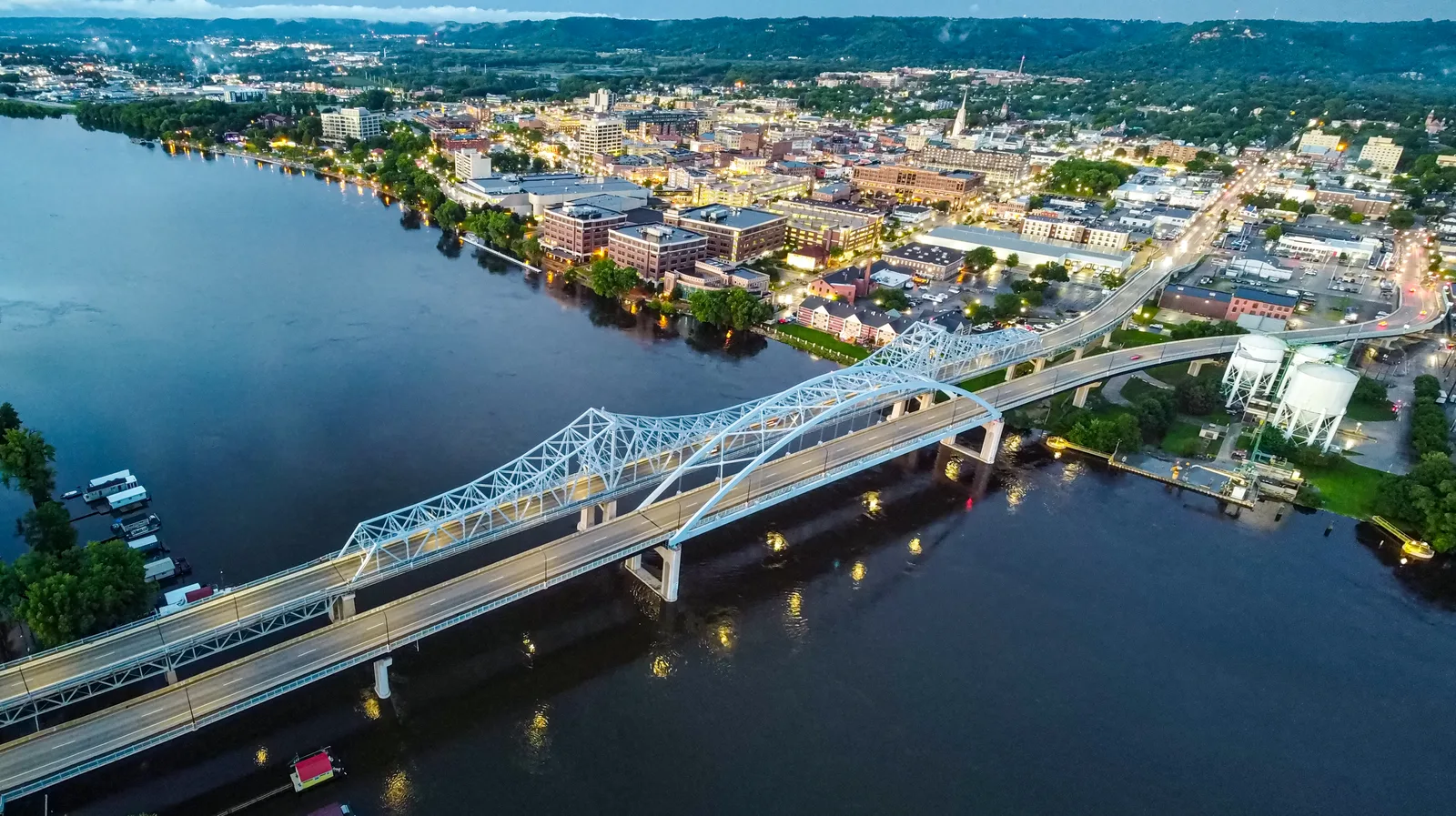
Delaying damage restoration in La Crosse can lead to devastating long-term consequences that extend far beyond initial property damage. Water damage can weaken structural foundations, while untreated mold growth poses serious health risks to your family. Fire and smoke damage continues to corrode materials weeks after the initial incident, and sewage contamination creates hazardous living conditions that worsen with time.
Our comprehensive damage restoration services address every type of emergency La Crosse residents face:
- Water Damage Restoration - Complete moisture extraction and structural drying
- Flooded Basement - Specialized basement water removal and waterproofing solutions
- Sewage Cleanup - Safe removal of contaminated water and sanitization
- Fire Damage Restoration - Structural repairs and content restoration
- Smoke Damage Restoration - Odor elimination and surface cleaning
- Mold Removal - Professional remediation and prevention strategies
These services work together to restore your property completely while protecting your family's health and safety. Quick response times and professional expertise prevent minor incidents from becoming major disasters that could cost thousands more in repairs.
Common Damage Restoration Issues in La Crosse, Wisconsin
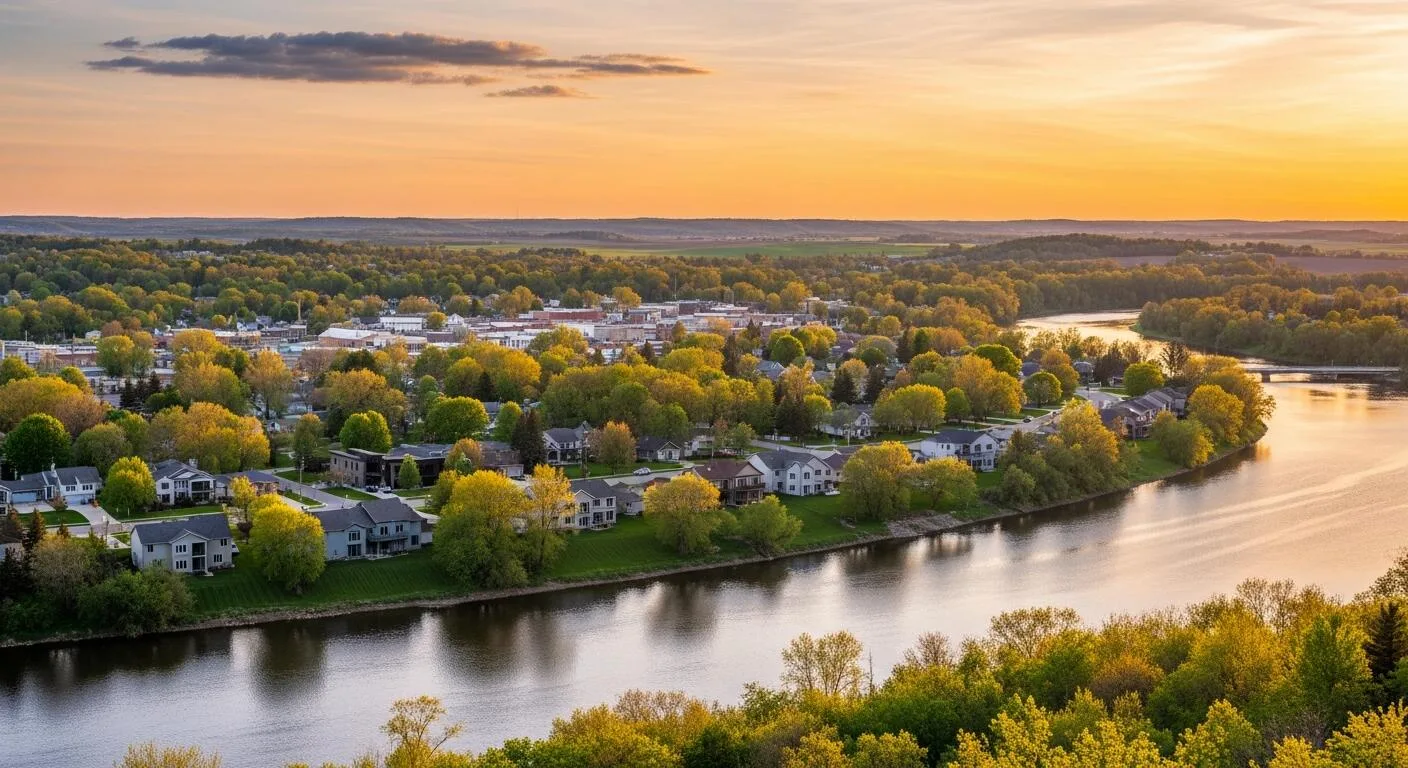
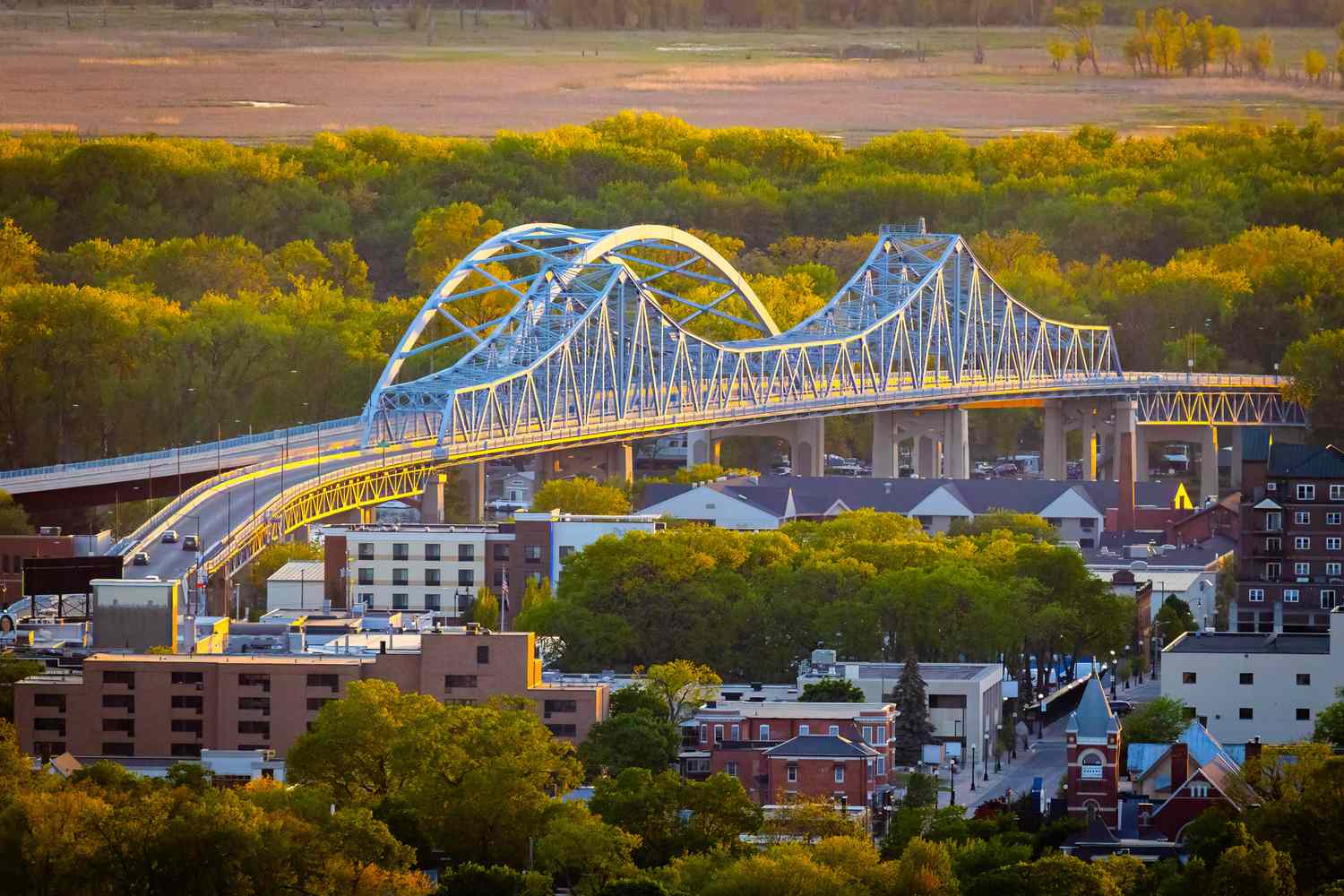
La Crosse's location along the Mississippi River creates unique challenges for property owners. The city's proximity to multiple waterways increases flood risks, particularly during spring snowmelt and heavy rainfall periods.
Most frequently encountered damage types include:
- Basement flooding from groundwater seepage and storm runoff
- Burst pipes during Wisconsin's harsh winter freeze-thaw cycles
- Sewage backups from overwhelmed municipal systems during heavy rains
- Ice dam water damage affecting rooflines and upper floors
- Mold growth in humid basements and poorly ventilated areas
- Fire damage from heating system malfunctions and electrical issues
Warning signs requiring immediate attention:
- Musty odors indicating hidden mold growth
- Discolored walls or ceilings from water infiltration
- Standing water in basements or crawl spaces
- Persistent smoke smells after fire incidents
- Warped flooring or bubbling paint
- Unusual increases in utility bills suggesting hidden leaks
Early detection and professional intervention prevent these common issues from escalating into major restoration projects that disrupt your daily life for weeks or months.
Neighborhoods We Serve in La Crosse
Our damage restoration services cover all La Crosse neighborhoods and surrounding communities. We respond quickly to emergencies throughout the greater La Crosse area.
Primary service areas include:
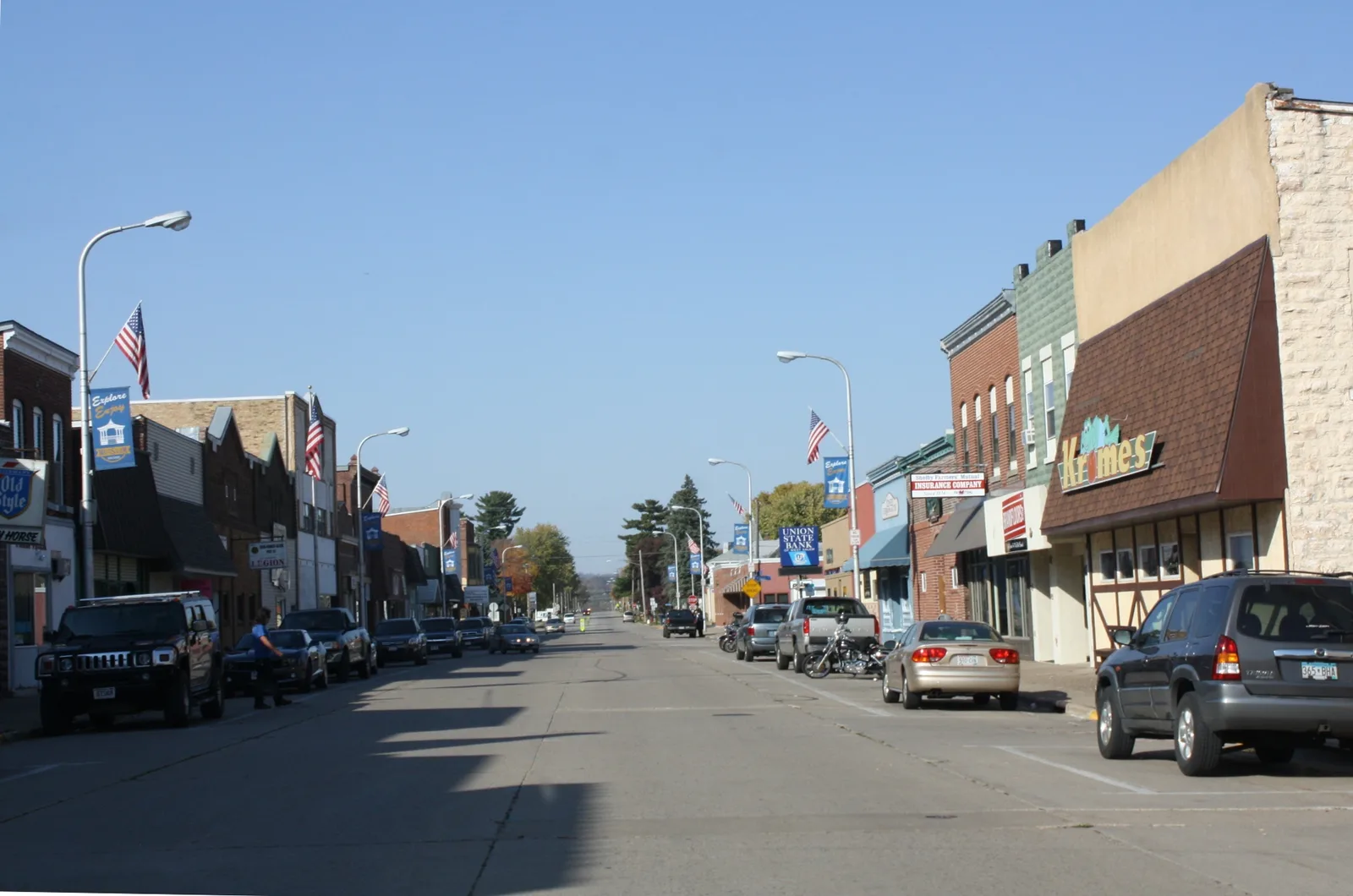
- Downtown La Crosse - Historic buildings requiring specialized restoration techniques
- French Island - Flood-prone areas needing rapid water damage response
- Onalaska - Newer developments with modern restoration needs
- Holmen - Residential communities requiring comprehensive services
- West Salem - Rural properties with unique access challenges
- Bangor - Agricultural areas affected by seasonal flooding
- Rockland - Older homes requiring careful restoration approaches
We maintain rapid response capabilities across Vernon County and Monroe County, ensuring professional restoration services reach every property owner when disaster strikes.
Seasonal Damage Patterns in La Crosse
La Crosse experiences distinct seasonal damage patterns that property owners should anticipate throughout the year.
Spring (March-May): Peak season for water damage restoration and flooded basements as snowmelt combines with spring rains. Mississippi River flooding affects low-lying areas, while ice dams cause roof damage as temperatures fluctuate.
Summer (June-August): Severe thunderstorms bring flash flooding and lightning-related fire damage. High humidity levels accelerate mold growth in basements and poorly ventilated spaces. Air conditioning failures can cause water damage in commercial buildings.
Fall (September-November): Heating system startups often reveal fire hazards requiring smoke damage restoration. Falling leaves clog gutters, leading to water infiltration and potential mold issues.
Winter (December-February): Frozen pipes create major water damage incidents when they burst. House fires increase due to heating equipment malfunctions and holiday decorations. Ice dams form on roofs, causing interior water damage when they melt.
Understanding these patterns helps property owners prepare for seasonal risks and respond quickly when damage occurs.
Housing Characteristics & Restoration Considerations
La Crosse's diverse housing stock presents unique restoration challenges based on construction era and building materials. The city features a mix of historic homes dating to the late 1800s alongside modern developments built within the last two decades.
Older homes (pre-1950) commonly require:
- Specialized fire damage restoration for plaster walls and hardwood floors
- Careful water damage treatment to preserve original architectural features
- Enhanced mold removal in basements with stone foundations
- Updated sewage cleanup protocols for outdated plumbing systems
Modern construction (1980s-present) typically involves:
- Rapid water damage restoration using advanced drying equipment
- Smoke damage restoration for synthetic materials and finishes
- Basement flooding solutions for finished lower levels
- Mold prevention strategies in energy-efficient, tightly sealed homes
Ranch-style homes dominate many neighborhoods, while split-level designs are common in areas developed during the 1960s-70s. Two-story colonials and Victorian-era homes in historic districts require restoration techniques that preserve their character while meeting modern safety standards. Each architectural style demands specific approaches to water extraction, structural drying, and material replacement.
Environmental Conditions & Damage Implications
La Crosse's continental climate creates specific environmental conditions that directly impact damage restoration needs. The city experiences hot, humid summers with average temperatures reaching 84°F and cold winters dropping to 8°F, creating extreme temperature swings that stress building materials.
Key environmental factors affecting restoration:
- High humidity levels (70-80% in summer) accelerate mold growth after water damage
- Clay-rich soil retains moisture, increasing basement flooding risks
- Mississippi River proximity elevates groundwater levels during flood seasons
- Frequent freeze-thaw cycles cause pipe bursts and foundation settling
Annual precipitation averaging 32 inches, combined with spring snowmelt, creates peak periods for water damage incidents. The region's air quality generally remains good, but smoke damage from wildfires in neighboring states occasionally affects indoor air quality.
Soil conditions in La Crosse include:
- Poorly draining clay soils that channel water toward foundations
- Sandy areas near the river that allow rapid water infiltration
- Limestone bedrock that creates underground water channels
- Steep terrain that increases runoff during heavy rainfall
These environmental factors require restoration professionals to use specialized equipment and techniques for effective moisture control, mold prevention, and structural protection throughout the restoration process.
Mississippi River Flood Zone Restoration Expertise
La Crosse's position in the Mississippi River floodplain requires specialized restoration expertise that addresses both immediate damage and long-term flood resilience. Properties in designated flood zones face unique challenges that standard restoration approaches cannot adequately address.
Our flood zone restoration process includes:
- Rapid water extraction using truck-mounted equipment capable of handling large volumes
- Contamination assessment to determine if flood water contains sewage or chemical pollutants
- Structural moisture mapping to identify hidden water infiltration in walls and subfloors
- Advanced dehumidification systems designed for high-moisture environments
- Mold prevention protocols that account for prolonged exposure to moisture
Flood-damaged properties often experience multiple restoration needs simultaneously. River flooding typically brings contaminated water requiring sewage cleanup protocols, while prolonged moisture exposure leads to extensive mold growth. Fire damage can occur when electrical systems fail during flooding, and smoke damage may result from emergency heating sources used during evacuation periods.
Properties near Copeland Avenue and other low-lying areas require particular attention to:
- Foundation waterproofing to prevent future water infiltration
- Basement restoration using flood-resistant materials and techniques
- HVAC system replacement with units designed for flood-prone areas
- Electrical system elevation above potential flood levels
- Comprehensive documentation for insurance claims and FEMA assistance
Our restoration teams understand federal flood recovery requirements and work directly with insurance adjusters to expedite the claims process while maintaining the highest quality standards for all restoration work.