Damage Restoration in Wood County, WI
- Damage Restoration Services Overview
- Common Damage Restoration Issues in Wood County, Wisconsin
- Neighborhoods We Serve in Wood County
- Seasonal Damage Patterns in Wood County
- Housing Characteristics & Restoration Considerations
- Environmental Conditions & Damage Implications
- Insurance Documentation and the Mitigation-to-Rebuild Process
Damage Restoration Services Overview
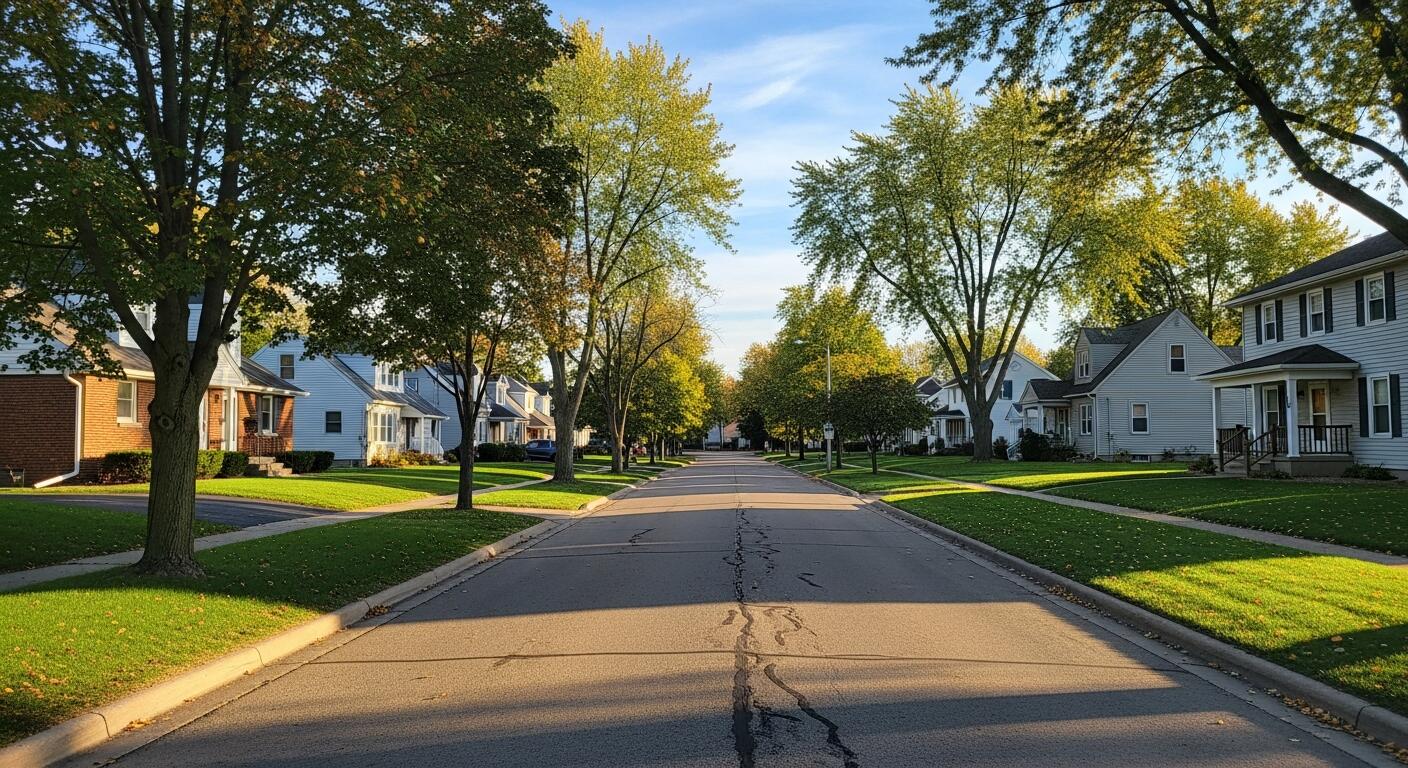
Wood County sits at the heart of Wisconsin's cranberry country, where more marshland, dikes, and managed water systems surround homes than in almost any other county in the state. That abundance of surface water, combined with a Wisconsin River corridor running straight through Wisconsin Rapids and Port Edwards, means local properties face moisture pressure that inland communities rarely encounter.
Property owners across the county rely on a full range of restoration work, including:
- Water Damage Restoration - extraction, moisture mapping, and structural drying after burst pipes, appliance failures, and roof leaks
- Flooded Basement cleanup - pump-outs, contents handling, and drying of below-grade living space
- Sewage Cleanup - containment, removal of porous materials, and disinfection after backups and septic failures
- Fire Damage Restoration - emergency board-ups, debris removal, and structural rebuild
- Smoke Damage Restoration - soot removal from surfaces, HVAC cleaning, and odor neutralization
- Mold Removal - containment, air filtration, and removal of colonized materials
The benefit of coordinated restoration is simple: one team documents the loss, communicates with your insurance carrier, and carries the project through mitigation and rebuild so you are not managing five separate contractors while your home sits torn open.
Common Damage Restoration Issues in Wood County, Wisconsin
Local geography and construction habits create predictable damage patterns across Wisconsin Rapids, Marshfield, Nekoosa, and the surrounding townships.
Recurring Causes
- Frozen and burst supply lines in uninsulated crawl spaces, garages, and older basement stairwells during January and February cold snaps
- Sump pump failure during spring snowmelt, when the shallow water table under sandy Wood County soils rises quickly
- Sanitary sewer backups in older Rapids neighborhoods where clay laterals meet mature tree roots
- Septic saturation in rural townships when the ground is frozen or already waterlogged
- Wood stove, furnace, and kitchen fires - heating-season fires spike in homes using supplemental wood heat
- Ice dams pushing meltwater behind fascia and into upper-floor ceilings
Warning Signs Worth Acting On
- A musty smell in the basement that returns every humid week in July
- Efflorescence or chalky white staining on block foundation walls
- Tack strips or carpet edges that feel cool and damp near exterior walls
- Yellow-brown ceiling rings that grow slightly after every rain
- Soot filming on the cold side of walls or around ceiling registers after a small fire
- Smoke odor that reappears when the furnace runs, indicating contaminated ductwork
- Warped baseboard, cupping hardwood, or drywall paper separating near the floor
Small signs rarely stay small. Water that sits past the first 48 hours usually shifts a straightforward drying job into a mold remediation project.
Neighborhoods We Serve in Wood County
Restoration crews cover the entire county and the communities just beyond its borders.
- Wisconsin Rapids - riverfront homes, the East Side, Witter neighborhood, and Biron
- Marshfield - downtown, the hospital district, and newer subdivisions on the west and north sides
- Nekoosa and Port Edwards - older mill-era housing stock along the Wisconsin River
- Pittsville, Vesper, Arpin, Auburndale, Hewitt, Milladore, and Rudolph
- Rural townships including Saratoga, Grand Rapids, Seneca, Cranmoor, Sigel, and Cameron
- Lake communities around Nepco Lake, Lake Wazeecha, and Petenwell flowage frontage
Neighboring service reaches into Portage, Clark, Juneau, Adams, and Marathon County lines, which matters when a storm system crosses several counties at once and homeowners need someone who can reach them the same day.
Seasonal Damage Patterns in Wood County
Winter (December - February)
- Frozen pipe breaks in exterior walls and unheated additions
- Ice dam leaks into attic insulation and second-floor ceilings
- Furnace, chimney, and space heater fires, with widespread smoke damage through ductwork
Spring (March - May)
- Peak season for flooded basements as snowmelt meets saturated, still-thawing ground
- Sump pump burnout from continuous run cycles
- Sewer and septic backups when systems take on groundwater
Summer (June - August)
- Thunderstorm and straight-line wind damage opening roofs to water intrusion
- Mold growth accelerating in humid, poorly ventilated basements and crawl spaces
- Air conditioning condensate line overflows above finished ceilings
Fall (September - November)
- Clogged gutters directing water against foundations
- First heating cycles revealing dormant smoke odor and puffback from oil or gas equipment
- Late-season leaks that freeze before drying, compounding structural damage
Housing Characteristics & Restoration Considerations
A large share of Wood County housing predates 1970, and mill-town neighborhoods in Wisconsin Rapids, Port Edwards, and Nekoosa include many homes built before World War II. Marshfield mixes century-old frame houses with steady postwar and modern subdivision growth.
Construction Types and What They Mean
- Fieldstone and rubble foundations - porous, irregular, and prone to seepage; drying requires patient dehumidification rather than fast surface work
- Concrete block basements - hollow cores hold water invisibly, so technicians often drill weep holes to release trapped moisture
- Plaster over wood lath - absorbs smoke odor deeply and dries far slower than modern drywall
- Balloon-frame walls in pre-1940 homes - allow fire, smoke, and water to travel vertically between floors unchecked
- Finished basements with framed stud walls - the most common site of hidden mold after a flood, since moisture wicks up behind vapor barriers
- Blown-in and batt insulation - acts as a sponge and generally must be removed after contaminated water contact
Practical Restoration Effects
- Older homes often need selective demolition rather than in-place drying
- Asbestos and lead-era finishes require testing before aggressive removal
- Undersized or absent floor drains slow basement extraction
- Original hardwood can sometimes be saved with mat drying systems if reached early
- Sewage contact in low-clearance crawl spaces demands full containment and disposal of affected materials
Environmental Conditions & Damage Implications
Wood County's climate and ground conditions shape nearly every restoration decision made here.
Climate Factors
- Roughly 50 inches of annual snowfall feeding a heavy spring melt
- Summer dew points frequently in the upper 60s, keeping indoor humidity high
- Deep winter frost lines that push and crack foundation walls
- Freeze-thaw cycling that widens hairline concrete cracks year after year
Soil and Water
- Sandy outwash soils across much of the central county drain quickly but sit above a shallow water table, so basements flood from below rather than through the walls
- Cranberry marsh and wetland areas near Cranmoor keep local groundwater high year-round
- Wisconsin River floodplain properties face river-stage flooding carrying silt and biological contamination
- Hard well water in rural townships leaves mineral scale that stresses fixtures and water heaters
- Private wells near a sewage release require testing before the home is reoccupied
Air Quality Effects
- Tight, well-insulated Wisconsin homes trap smoke particulate and mold spores indoors
- Winter operation means furnaces recirculate soot through the entire house within hours of a fire
- Summer humidity allows mold colonization on damp drywall in as little as two to three days
- HEPA filtration and negative air containment are standard on both smoke and mold projects here
Insurance Documentation and the Mitigation-to-Rebuild Process
Most Wood County homeowners filing a water, sewage, fire, or mold claim are doing it for the first time. The paperwork moves faster when the restoration contractor documents the loss correctly from the first hour on site.
How a Project Typically Moves
- Emergency contact and stabilization - stop the source, shut off utilities if needed, and board up openings after a fire
- Assessment and inspection - moisture mapping with meters and thermal imaging, photo documentation, and category classification of the water
- Mitigation - extraction, removal of unsalvageable carpet padding, saturated insulation, and contaminated drywall, then placement of air movers and dehumidifiers
- Daily monitoring - moisture readings logged until materials reach dry standard
- Cleaning and treatment - antimicrobial application, soot removal, duct cleaning, and odor neutralization
- Rebuild - new drywall, trim, paint, and flooring returning the space to pre-loss condition
What Adjusters Look For
- Date and time stamped photos before any material is removed
- Written moisture logs proving equipment ran the appropriate duration
- Clear category and class designations, especially for sewage losses
- Itemized scope separating emergency mitigation from reconstruction
- Contents inventory for items packed out and stored
Homeowner Tips
- Photograph the damage yourself before crews arrive, if it is safe to do so
- Keep receipts for temporary lodging, fans, or supplies
- Do not throw away damaged items until they are documented
- Ask for copies of drying logs and the final certificate of completion
- Report the claim promptly - delayed reporting is a common reason for reduced coverage on mold
A restoration team that handles both mitigation and reconstruction keeps the file consistent, which usually means fewer supplement requests and a shorter gap between the drying equipment leaving and the new flooring going in.