
Damage Restoration in Wisconsin Rapids, WI
- Damage Restoration Services Overview
- Common Damage Restoration Issues in Wisconsin Rapids, Wisconsin
- Neighborhoods We Serve in Wisconsin Rapids
- Seasonal Damage Patterns in Wisconsin Rapids
- Housing Characteristics & Restoration Considerations
- Environmental Conditions & Damage Implications
- Start-to-Finish Recovery for Wisconsin River Corridor Properties
Damage Restoration Services Overview
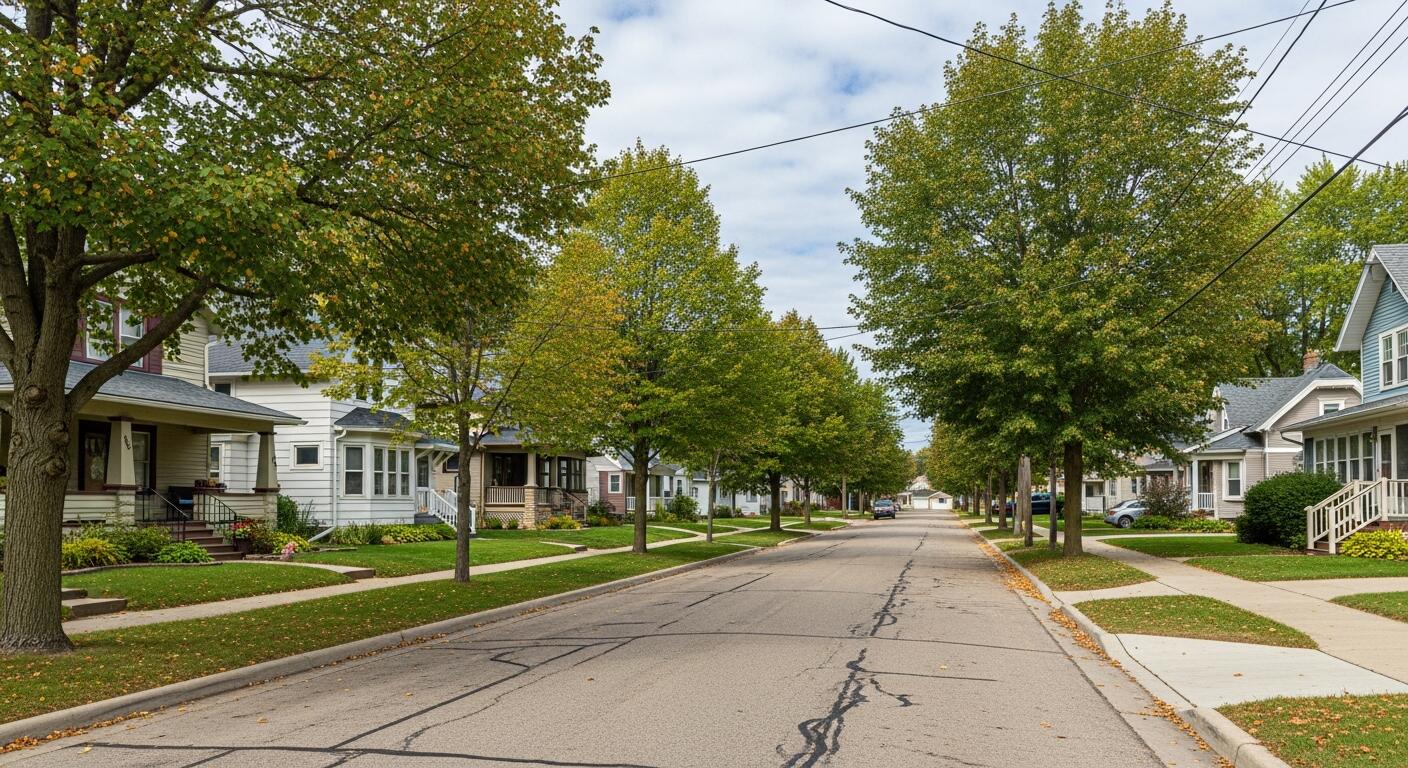
The Wisconsin River runs straight through the middle of Wisconsin Rapids, and the city sits on sandy central Wisconsin soil that once formed the bed of glacial Lake Wisconsin - a combination that means groundwater sits closer to basement floors here than in many parts of the state. When a sump pump quits during a March thaw or a supply line splits behind a wall, the water has nowhere convenient to go but into finished living space.
Property owners across Wood County rely on a full spectrum of restoration work, delivered by trained technicians using commercial extraction, drying, and air-filtration equipment:
- Water damage restoration - extraction, structural drying, moisture mapping, and controlled rebuild of affected materials
- Flooded basement recovery - pumping standing water, drying slabs and block walls, and salvaging stored belongings
- Sewage cleanup - removal of contaminated water and porous materials, followed by antimicrobial treatment and deodorization
- Fire damage restoration - securing the structure, removing char and debris, and coordinating repairs from framing to finishes
- Smoke damage restoration - soot removal from surfaces and contents, HVAC cleaning, and odor neutralization
- Mold removal - containment, source correction, safe removal of colonized materials, and post-remediation verification
Fast response limits secondary damage, protects indoor air quality, and keeps a manageable loss from turning into a gut-and-rebuild project.
Common Damage Restoration Issues in Wisconsin Rapids, Wisconsin
Local geography, an aging housing stock, and a genuinely harsh climate combine to create predictable patterns of loss. Knowing what triggers each type of damage helps homeowners act before small problems spread.
Frequent Causes of Water and Sewage Damage
- Spring snowmelt and Wisconsin River backwater raising groundwater against foundation walls
- Sump pump failure or discharge lines freezing shut during late-winter freeze-thaw swings
- Frozen and burst supply lines in uninsulated crawl spaces, garages, and exterior walls
- Sanitary sewer surcharge during heavy summer downpours, pushing wastewater up floor drains
- Failed floor drain backflow valves in older Rapids-area homes with combined drainage
- Water heaters, washing machine hoses, and dishwasher fittings reaching end of life
Frequent Causes of Fire, Smoke, and Mold Problems
- Wood stoves, fireplaces, and supplemental heaters running hard from November through March
- Overloaded circuits and original knob-and-tube or aluminum wiring in pre-1970 houses
- Dryer vent lint accumulation and unattended cooking fires
- Hidden mold behind finished basement paneling, under vinyl flooring, and inside wall cavities
- Condensation on cold block walls during humid July and August stretches
Warning Signs Worth Investigating
- Musty odor that intensifies when the furnace or AC cycles on
- Tide lines, bubbling paint, or cupped hardwood near exterior walls
- Efflorescence - white chalky mineral deposits - on basement block
- Persistent smoke smell weeks after a minor kitchen or furnace puffback
- Gurgling floor drains or slow fixtures throughout the house at once
Neighborhoods We Serve in Wisconsin Rapids
Crews respond throughout the city on both sides of the river and across the surrounding Wood County communities.
- East Side - established neighborhoods near Lincoln High School, East Grand Avenue, and the Baker Street corridor
- West Side - homes around Witter Field, Ninth Street South, and the West Grand Avenue business district
- Riverside and downtown - older residences and mixed-use buildings close to the Wisconsin River banks
- Biron and Port Edwards - riverfront properties with elevated groundwater exposure
- Nekoosa, Rudolph, Vesper, and Grand Rapids Township - rural parcels on private wells and septic systems
- Plover, Marshfield, and Stevens Point - surrounding service areas within the central Wisconsin corridor
Rural properties bring their own considerations, including septic backups and long private drives that complicate equipment staging - both handled as part of routine planning.
Seasonal Damage Patterns in Wisconsin Rapids
Winter (December - February)
- Burst pipes during subzero cold snaps and wind-driven chill
- Ice dams forcing meltwater under shingles and into ceilings
- Peak season for heating-related fire and smoke damage, including furnace puffbacks
Spring (March - May)
- Highest volume of flooded basements as snowmelt saturates sandy soils
- Sump pump overload and failure during sustained rain-on-snow events
- Sewer backups when the sanitary system takes on infiltration
Summer (June - August)
- Thunderstorm downpours, wind damage, and roof leaks
- Mold growth accelerating in humid basements and crawl spaces
- Air conditioner condensate line clogs quietly wetting drywall and joists
Fall (September - November)
- Clogged gutters directing runoff against foundations
- First furnace startups revealing cracked heat exchangers and soot discharge
- Ideal window for waterproofing, drain tile checks, and mold inspections before freeze-up
Housing Characteristics & Restoration Considerations
Wisconsin Rapids grew alongside the paper mills, and much of the housing stock reflects that history. A large share of homes date from the 1920s through the 1960s, with newer subdivisions added on the edges of the city and in Biron, Rudolph, and Plover.
Construction Types and What They Mean for Restoration
- Full basements with concrete block or poured walls - porous block wicks moisture upward, so drying requires cavity ventilation rather than surface fans alone
- Plaster over wood lath - common in pre-war homes; holds water far longer than modern drywall and demands careful moisture readings before any repair
- Balloon-frame walls - open cavities let water and smoke travel between floors, requiring inspection well beyond the visible damage
- Finished basement rec rooms - paneling, carpet pad, and framing against block walls trap moisture and frequently conceal mold
- Older galvanized and cast-iron drain lines - corrosion and root intrusion raise sewage backup risk
- Newer tight-envelope construction - excellent efficiency, but reduced air exchange means humidity and smoke odor linger without mechanical intervention
Contents Protection During Any Loss
Protecting personal belongings sits at the top of the priority list on every job. Field crews move electronics, upholstered furniture, and irreplaceable items out of the hazard zone early, then set protective barriers and secure staging areas so possessions stay clean and dry while structural work continues. Documented inventories support insurance claims and keep families informed at each step.
Environmental Conditions & Damage Implications
Central Wisconsin's climate and geology shape how damage develops and how drying must be approached.
Climate Factors
- Roughly 32 inches of annual precipitation, much of it concentrated in spring and summer storms
- Snowfall commonly exceeding 40 inches, feeding heavy spring runoff
- Summer dew points regularly in the 60s, pushing basement relative humidity into the mold growth range
- Deep winter frost that stresses foundations, water services, and sump discharge lines
Soil and Groundwater
- Sandy, well-drained outwash soils that transmit water rapidly toward foundations
- Shallow water tables near the river corridor, raising hydrostatic pressure on basement floors
- Localized clay lenses that trap water against footings and stall natural drainage
- Iron-rich groundwater that stains materials and can clog drain tile over time
Air and Water Quality Effects
- Winter's tightly sealed homes concentrate smoke odor, soot particles, and mold spores indoors
- Rural properties on private wells and septic systems face contamination concerns after flooding
- Floodwater and sewage carry bacteria that require antimicrobial treatment, not simple cleaning
- Radon-prone geology in the region makes basement work an occasion to check ventilation and sealing
Cleaning products used in occupied homes are selected with households in mind, including families with pets and young children, and technicians explain what is being applied and where.
Start-to-Finish Recovery for Wisconsin River Corridor Properties
Properties near the Wisconsin River - from downtown Rapids to Biron, Port Edwards, and Nekoosa - face a distinct combination of elevated groundwater, storm runoff, and aging drainage infrastructure. Recovery works best when one team handles the entire arc, from the first extraction hose to the last coat of paint, so nothing falls through the gaps between mitigation and repair.
How a Complete Restoration Project Unfolds
- Emergency response - stop the source, shut off affected utilities, and make the structure safe to enter
- Assessment and documentation - moisture meters, thermal imaging, and photo records establish the true extent of damage behind walls and under floors
- Contents protection - vulnerable belongings relocated to secure staging areas with protective barriers in place
- Water extraction or debris removal - standing water pumped out, or char, soot, and unsalvageable materials removed after a fire
- Controlled demolition - saturated drywall, insulation, carpet pad, and contaminated porous materials cut back to sound substrate
- Sanitizing and deodorizing - antimicrobial application for sewage and flood losses, thermal fogging or hydroxyl treatment for smoke odor
- Structural drying - air movers, commercial dehumidifiers, and daily moisture logs until materials return to dry standard
- Mold remediation when needed - containment barriers, negative air, HEPA filtration, and verification before rebuilding
- Reconstruction - insulation, drywall, trim, flooring, and paint to restore the space
- Final walkthrough - documentation packaged for the insurance carrier and reviewed with the homeowner
Most mitigation and drying phases wrap up within three to five days, though final drywall and finish work depends on the scope and the building materials involved. Whether families stay in the home during the process depends on the affected areas, utility status, and the nature of the contamination - a decision made together after the initial assessment. Around-the-clock availability matters here, because a burst pipe on a January night in Wood County does not wait for business hours.





