Damage Restoration in Manitowoc County, WI
- Damage Restoration Services Overview
- Common Damage Restoration Issues in Manitowoc County, Wisconsin
- Neighborhoods We Serve in Manitowoc County
- Seasonal Damage Patterns in Manitowoc County
- Housing Characteristics & Restoration Considerations
- Environmental Conditions & Damage Implications
- Basement Flooding and Sewer Backup Preparedness Along the Lakeshore
Damage Restoration Services Overview
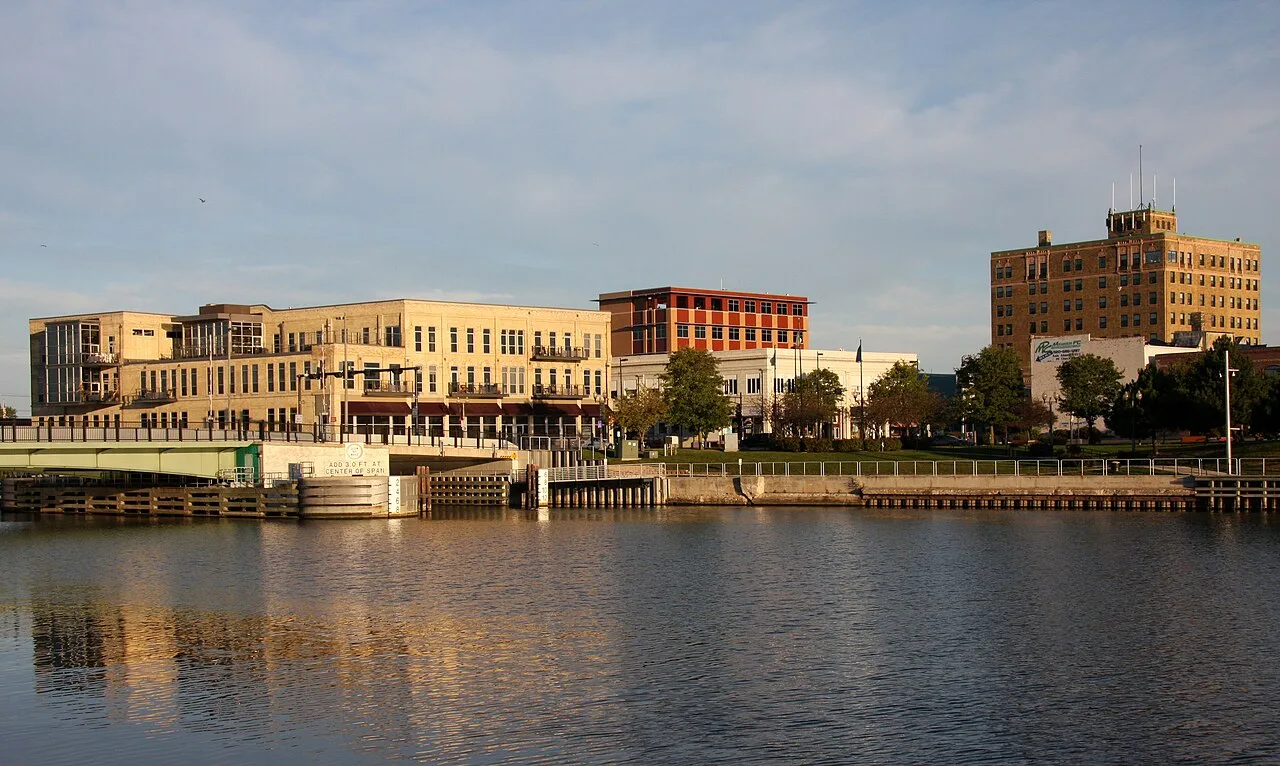
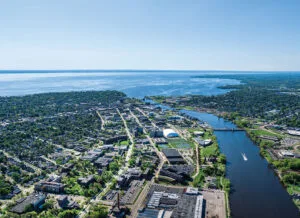
Manitowoc County sits on roughly 30 miles of Lake Michigan shoreline, and that proximity to the largest freshwater system in North America shapes nearly every restoration call placed here. Lake-effect snow, high humidity off the water, and older housing stock combine to create moisture problems that inland Wisconsin counties rarely see at the same scale.
Restoration work in this county covers a full spectrum of emergencies, and most properties eventually need at least one of them:
- Water damage restoration - burst supply lines, failed water heaters, ice-dam leaks, and appliance overflows
- Flooded basement cleanup - sump pump failure, hydrostatic pressure through block foundations, and spring melt intrusion
- Sewage cleanup - sanitary backups, floor drain surcharges, and septic failures in rural townships
- Fire damage restoration - structural cleaning, soot removal, board-up, and contents recovery
- Smoke damage restoration - odor neutralization, HVAC decontamination, and surface deodorizing after furnace puffbacks
- Mold removal - containment, HEPA filtration, and remediation of affected materials
The benefit of fast, coordinated response is straightforward: drying a structure before microbial growth begins costs far less than rebuilding it. Local crews working 24/7 across Manitowoc, Two Rivers, Kiel, and the surrounding townships can reach most addresses quickly, document conditions for insurance, and begin stabilization while damage is still contained.
Common Damage Restoration Issues in Manitowoc County, Wisconsin
Geography and building age drive most of the emergencies reported here. Clay-heavy soils hold water against foundations, and the county's combined age of housing means many drain tiles and sanitary laterals are well past their intended service life.
Frequent Causes
- Frozen and split pipes in uninsulated crawl spaces and porch walls during January cold snaps
- Sump pump failure during heavy spring rain, especially on homes without battery backup
- Sanitary sewer surcharge in older neighborhoods where storm and sanitary systems share capacity during downpours
- Ice dams along the eaves of steep-roofed farmhouses, pushing meltwater under shingles
- Furnace puffbacks and chimney fires in homes still using older oil or wood-burning appliances
- Septic system backups on rural properties in Cato, Franklin, and Mishicot townships
- Hidden mold behind finished basement paneling and under vinyl flooring
Warning Signs Worth Acting On
- Musty odor that intensifies when the furnace or AC cycles on
- Efflorescence, chalky white staining, or bubbling paint on basement block walls
- Gurgling floor drains or slow-draining fixtures during rain events
- Soot filming on walls near registers, or a persistent smoky smell after a small kitchen fire
- Cupped hardwood, soft subfloor, or tack strips pulling loose near exterior walls
- Unexplained increases in water usage suggesting a concealed supply leak
Ignoring any of these for even a few days allows Category 1 clean water to degrade into Category 2 or 3, which changes the scope, the safety requirements, and the cost of the entire project.
Neighborhoods We Serve in Manitowoc County
Coverage extends across the entire county, from the lakeshore to the western farm communities:
- City of Manitowoc - downtown, the Eighth Street corridor, Silver Creek, North Side, and neighborhoods near Lincoln Park
- Two Rivers - including Neshotah Beach area homes and the historic near-lakefront blocks
- Kiel and New Holstein edge - western county residential and light industrial properties
- Mishicot, Francis Creek, Reedsville, Valders, Whitelaw, St. Nazianz, Cleveland, and Kellnersville
- Rural townships - Cato, Rockland, Manitowoc Rapids, Newton, Gibson, Two Creeks, and Maple Grove
Farm properties, lakefront cottages, downtown commercial buildings, and multifamily rentals each present different access and drying challenges, and crews arrive equipped for all of them - including properties along County Highway B and the shoreline stretches where wind-driven rain is a recurring factor.
Seasonal Damage Patterns in Manitowoc County
Winter (December - February)
- Frozen pipe bursts during subzero stretches and wind chills off the lake
- Ice dam leaks into attic insulation and second-floor ceilings
- Heating-related fires, chimney fires, and furnace puffbacks producing widespread smoke damage
Spring (March - May)
- Snowmelt combined with rain saturating clay soils and flooding basements
- Sump pump overload and sewage backups during peak runoff
- Mold growth beginning in basements that were wet over winter
Summer (June - August)
- Severe thunderstorms, straight-line winds, and roof damage leading to interior water intrusion
- Condensation-driven mold in humid, poorly ventilated crawl spaces
- Air conditioning condensate line clogs damaging ceilings below
Fall (September - November)
- Clogged gutters and downspouts redirecting water toward foundations
- First-use heating system fires and smoke odor complaints
- Pre-winter mold discoveries as homes close up and humidity gets trapped
Scheduling a pump test and foundation inspection in early March and again in October heads off the majority of seasonal claims.
Housing Characteristics & Restoration Considerations
A large share of Manitowoc County homes were built before 1970, with substantial pockets of pre-1940 construction in the older sections of Manitowoc and Two Rivers. That age profile directly influences how restoration is planned and executed.
Common Construction Types
- Cream city brick and stone foundations - porous, prone to lateral moisture wicking, and slow to dry
- Concrete block basements - hollow cores trap water and require drilled weep holes or base trim removal for proper drying
- Balloon-frame farmhouses - open wall cavities allow water, smoke, and fire to travel vertically between floors
- Post-war ranches - plaster and lath walls that hold moisture differently than modern drywall
- Finished basements added in the 1980s and 1990s - paneling, carpet, and studs directly against block, a frequent mold source
How Age Changes the Restoration Scope
- Asbestos and lead-paint testing may be required before demolition on older homes
- Cast iron and clay sewer laterals crack and root-intrude, raising sewage backup risk
- Knob-and-tube or ungrounded wiring increases fire risk and complicates post-fire electrical clearance
- Original hardwood and trim often warrants specialty drying rather than replacement
- Older HVAC ductwork distributes smoke residue and mold spores throughout the structure, requiring separate cleaning
Documenting these conditions up front keeps the insurance scope accurate and prevents surprises mid-project.
Environmental Conditions & Damage Implications
The lakeshore climate is the defining environmental factor. Manitowoc County averages roughly 32 inches of precipitation and more than 40 inches of snow annually, with summer dew points that regularly push indoor relative humidity above the 60 percent threshold where mold thrives.
Local Conditions That Drive Restoration Work
- Lake Michigan moderation - cooler summers but persistently higher humidity, slowing natural drying and extending equipment run times
- Lake-effect snow - heavy, wet accumulation that loads roofs and feeds ice dams
- Clay and clay-loam soils - poor percolation, standing water near foundations, and high hydrostatic pressure after rain
- High groundwater tables near river corridors including the Manitowoc and East Twin Rivers
- Hard, mineral-rich water - scale buildup that shortens the life of water heaters and supply lines, a common leak source
- Agricultural surroundings - runoff and manure-adjacent contamination raising the biological risk profile of rural flood water
What This Means for Each Service
- Water and basement flood jobs need aggressive dehumidification, not just air movement, because ambient air offers little drying capacity
- Sewage cleanup in rural areas is treated as Category 3 with full containment and antimicrobial application
- Mold remediation requires humidity control after remediation, or regrowth is likely within a season
- Fire and smoke work benefits from thermal fogging and hydroxyl or ozone treatment, since damp air holds odor molecules longer
Basement Flooding and Sewer Backup Preparedness Along the Lakeshore
Basement water is the single most common restoration call in Manitowoc County, and it is also the most preventable. Older neighborhoods near the Manitowoc River and in Two Rivers were built when stormwater volumes were lower and lot grading standards were looser, leaving many homes with drainage systems that struggle during modern cloudburst events.
Practical Prevention Steps
- Install a battery or water-powered backup sump pump - primary pumps fail exactly when power goes out during storms
- Add a backwater valve on the sanitary lateral if your home has experienced any floor drain backup
- Extend downspouts at least six feet from the foundation and regrade soil to slope away
- Have the lateral scoped for root intrusion if the home predates 1970
- Keep window wells covered and clear of leaf debris
- Store valuables on shelving at least a foot above the slab, never directly on the floor
What to Do in the First Hours
- Shut off power to the affected area at the panel before entering standing water
- Do not run floor drains or use plumbing if a sewer backup is suspected
- Photograph everything before moving items - insurers rely heavily on original-condition documentation
- Call for emergency extraction rather than waiting for water to recede on its own
- Avoid using household fans on contaminated water, which aerosolizes bacteria
How the Response Unfolds
- Emergency assessment, moisture mapping, and safety classification of the water category
- Extraction, removal of unsalvageable porous materials, and containment where contamination exists
- Antimicrobial treatment and structural drying with monitored dehumidification
- Daily moisture readings until materials return to documented dry standard
- Reconstruction coordination and a final clearance walkthrough with the homeowner
Certified, insured technicians follow IICRC standards throughout and provide the documentation adjusters expect - which shortens claim timelines for families and businesses across the county.