
Damage Restoration in Two Rivers, WI
- Damage Restoration Services Overview
- Common Damage Restoration Issues in Two Rivers, Wisconsin
- Neighborhoods We Serve in Two Rivers
- Seasonal Damage Patterns in Two Rivers
- Housing Characteristics & Restoration Considerations
- Environmental Conditions & Damage Implications
- Storm Recovery and Insurance Documentation on the Lakeshore
Damage Restoration Services Overview
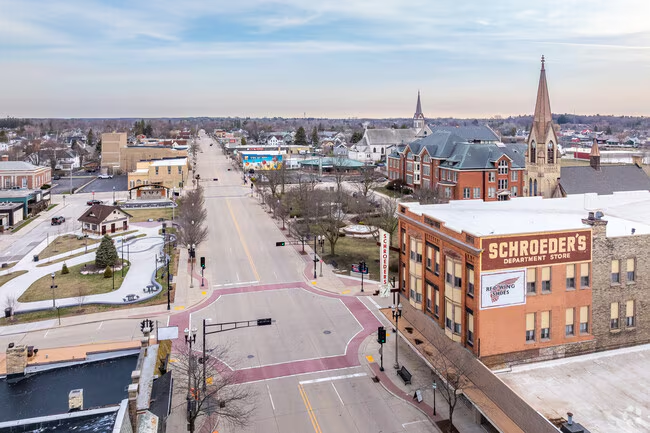
Two Rivers sits where the East and West Twin Rivers meet Lake Michigan - a location that gives the city its name and also gives property owners three separate water sources to think about during heavy rain. Add lake-effect snow, spring thaw, and aging municipal storm infrastructure, and it becomes clear why restoration work here is a year-round trade rather than a seasonal one.
Lakeshore Restoration LLC at 1620 22nd St handles the full range of property damage emergencies for homes and businesses across the lakeshore. Services include:
- Water damage restoration - extraction, structural drying, and moisture mapping after burst pipes, appliance failures, and roof leaks
- Flooded basement cleanup - pump-out, content triage, and drying for below-grade spaces common in older Two Rivers housing stock
- Sewage cleanup - containment and disinfection for backups from municipal lines, floor drains, and failed lift stations
- Fire damage restoration - board-up, debris removal, structural cleaning, and coordination of rebuild work
- Smoke damage restoration - soot removal, odor neutralization, and HVAC decontamination in areas far from the burn site
- Mold removal - containment, remediation, and moisture-source correction
Benefits for local property owners are practical: faster arrival times from a nearby base, familiarity with Manitowoc County building styles, and direct documentation support for insurance claims.
Common Damage Restoration Issues in Two Rivers, Wisconsin
Lakeshore weather and older construction combine to create a predictable set of problems. Knowing the warning signs early keeps a small repair from becoming a gut-and-rebuild project.
Local causes of damage
- Lake-effect snow loads that stress roofs and create ice dams along north-facing eaves
- High groundwater near the river corridors, pushing moisture through block foundation walls
- Combined storm surges that overwhelm floor drains and cause sanitary backups
- Severe summer thunderstorms producing wind-driven rain, downed limbs, and debris piles that city crews may take weeks to clear
- Space heaters, wood stoves, and dated electrical panels contributing to winter structure fires
- Kitchen grease fires that spread smoke and soot through open stairwells and return ducts
Warning signs worth acting on
- Musty or earthy odors in basements, crawl spaces, or closets on exterior walls
- Efflorescence - white chalky residue - on foundation block
- Staining rings on ceilings below bathrooms or roof valleys
- Floor drains that gurgle or drain slowly during rainfall
- Buckling laminate, cupping hardwood, or soft spots in subfloor
- Persistent smoke odor that returns when the furnace or AC cycles on
- Recurring allergy symptoms that ease when occupants leave the building
Sewage backups deserve particular caution. Category 3 water carries bacteria and viruses, and porous materials it touches - carpet pad, drywall, upholstered furniture - generally cannot be salvaged. Professional containment protects the rest of the home during removal.
Neighborhoods We Serve in Two Rivers
Response covers the entire city and the surrounding lakeshore region. Frequently served areas include:
- Downtown Two Rivers and the Washington Street business district
- The Neshotah Beach and lakefront residential blocks
- The 22nd Street and Jackson Street corridors
- Neighborhoods bordering the East and West Twin Rivers
- Woodland Dunes and the northern city edge
- Rural properties along County Highway B and Highway 42
Coverage extends throughout Manitowoc County and nearby communities, including Manitowoc, Mishicot, Kiel, Valders, Francis Creek, Reedsville, Cleveland, and the surrounding townships. Being based in Two Rivers rather than dispatching from Green Bay or Appleton means shorter drive times when standing water or active smoke damage makes every hour count.
Seasonal Damage Patterns in Two Rivers
Winter (December - February)
- Frozen and burst supply lines in unheated crawl spaces and exterior walls
- Ice dams forcing meltwater under shingles and into ceilings
- Peak season for heating-related fires and resulting smoke damage
Spring (March - May)
- Snowmelt plus rain saturating soil and flooding basements
- Sump pump failures during extended runtime
- Sewage backups when municipal lines run at capacity
- First mold growth appearing from winter moisture left unaddressed
Summer (June - August)
- Severe thunderstorms, wind damage, and debris requiring emergency tarping
- Humidity above 60 percent driving rapid mold colonization
- Air conditioner condensate line clogs causing hidden ceiling leaks
Fall (September - November)
- Clogged gutters redirecting water toward foundations
- Chimney and fireplace fires as heating season begins
- Slow leaks discovered during winterizing that have been active for months
Housing Characteristics & Restoration Considerations
Two Rivers carries a housing stock shaped by its manufacturing and commercial fishing history. A large share of homes date to the early and mid-twentieth century, with newer subdivisions on the city's western and northern edges.
Common construction features
- Full basements with concrete block or poured foundation walls, many with original clay tile drain systems
- Balloon-frame construction in pre-1940 homes, which allows fire and smoke to travel vertically inside wall cavities
- Plaster and lath walls that hold moisture differently than modern drywall
- Hardwood flooring under later carpet or vinyl layers
- Knob-and-tube or early cloth-insulated wiring in unrenovated properties
- Asbestos-containing materials in older floor tile, pipe wrap, and siding
- Cape Cod and bungalow styles with finished attic spaces and limited ventilation
How age affects the restoration approach
- Moisture mapping with thermal imaging locates water trapped behind plaster before demolition begins
- Suspect materials are identified and tested before any cutting or sanding - a step that matters given the prevalence of asbestos in lakeshore-era homes
- Smoke deodorization accounts for balloon-frame cavities, where odor migrates far from the fire origin
- Basement drying targets porous block walls, which release moisture slowly and require extended dehumidification
- Mold remediation addresses tight attic and knee-wall spaces where insulation upgrades have reduced airflow
Environmental Conditions & Damage Implications
Sitting directly on Lake Michigan gives Two Rivers a climate distinct from inland Wisconsin, and those conditions shape how buildings absorb, hold, and release moisture.
Climate and moisture
- Lake-moderated temperatures produce prolonged shoulder seasons with damp, cool air that slows natural drying
- Summer dew points frequently sit in the mid-60s, keeping indoor relative humidity high in unconditioned basements
- Annual snowfall well above the state average creates heavy meltwater loads in March and April
- Frequent fog and onshore winds add surface moisture to exterior wall assemblies
Soil and groundwater
- Lakebed clay and silty loam soils drain poorly and hold water against foundations
- Sandy pockets near the beach and dune areas allow rapid infiltration during storms
- Shallow water tables close to the Twin Rivers keep hydrostatic pressure high on basement walls
- Frost heave during freeze-thaw cycles opens hairline foundation cracks that widen each season
Practical implications
- Structural drying often takes longer than in drier climates, and equipment placement must account for high ambient humidity
- Mold spores stay active nearly year-round in basements without dedicated dehumidification
- Smoke odor lingers in humid conditions because moisture reactivates soot residues
- Sewage cleanup requires careful drainage planning, since saturated clay limits where extracted water can go
Storm Recovery and Insurance Documentation on the Lakeshore
When a major storm system moves across Manitowoc County, damage rarely stays contained to one issue. A single event can mean roof breaches, water intrusion through ceilings, a flooded basement from an overwhelmed sump, and a sewer backup all at the same address. Municipal debris collection and street repairs can stretch on for weeks after a large storm, which means property owners cannot wait for the city before starting their own recovery.
What emergency response looks like locally
- Immediate stabilization - emergency tarping, board-up, and shutoff of compromised utilities
- Water extraction and standing water removal from basements and lower levels
- Containment of any Category 3 sewage contamination before it spreads to clean areas
- Placement of air movers, dehumidifiers, and air scrubbers sized to the affected square footage
- Daily moisture readings logged until materials return to dry standard
- Antimicrobial treatment and mold prevention on remaining structural materials
- Coordination of reconstruction with local contractors and suppliers
Documentation that supports a claim
- Photographic and video records taken before any material is removed
- Moisture meter and thermal imaging logs showing the extent of intrusion
- Itemized inventory of damaged contents with salvage assessment
- Written scope aligned with the estimating platforms adjusters use
- Notes distinguishing storm-driven water from long-term seepage, a distinction that affects coverage
Local familiarity matters here. Knowing which Two Rivers streets historically back up, which subdivisions sit on heavy clay, and how the older housing stock is framed allows crews to find hidden moisture faster and give adjusters a clearer picture of what actually happened. Lakeshore Restoration LLC operates from 1620 22nd St and can be reached at (920) 221-1440 for emergencies across Two Rivers, Manitowoc, Kiel, Valders, and the surrounding county.





