Damage Restoration in Waukesha, WI
- Damage Restoration Services Overview
- Common Damage Restoration Issues in Waukesha, Wisconsin
- Neighborhoods We Serve in Waukesha
- Seasonal Damage Patterns in Waukesha
- Housing Characteristics & Restoration Considerations
- Environmental Conditions & Damage Implications
- 24-Hour Emergency Response Network in Waukesha
Damage Restoration Services Overview
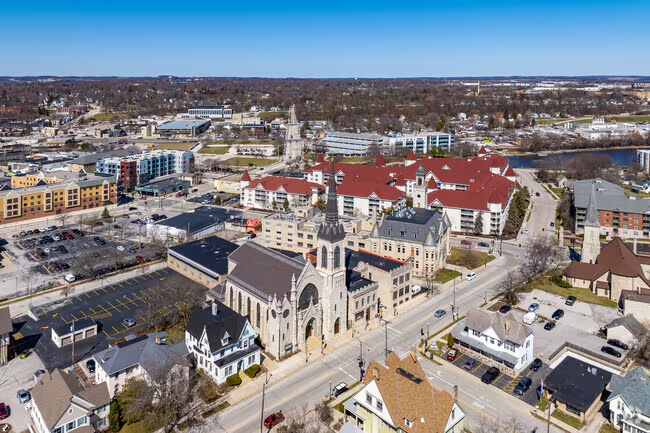
Waukesha County experiences over 35 inches of annual precipitation, making water damage the leading cause of property insurance claims in the area. When disaster strikes your home or business, professional restoration services can mean the difference between minor repairs and complete reconstruction.
Our comprehensive damage restoration services address the full spectrum of property emergencies that affect Waukesha residents:
- Water Damage Restoration - From burst pipes to storm flooding, rapid water extraction and structural drying
- Flooded Basement - Specialized basement water removal and moisture control systems
- Sewage Cleanup - Safe removal and sanitization of contaminated water and materials
- Fire Damage Restoration - Structural repairs and content restoration after fire incidents
- Smoke Damage Restoration - Odor elimination and surface cleaning throughout affected areas
- Mold Removal - Complete remediation and prevention strategies for fungal growth
Professional restoration services protect your property value while ensuring the health and safety of your family. Advanced moisture detection equipment, industrial-grade drying systems, and certified remediation techniques restore your property to pre-damage conditions efficiently.
Common Damage Restoration Issues in Waukesha, Wisconsin
Waukesha's location in southeastern Wisconsin creates unique challenges for property owners. The Fox River watershed and numerous lakes in the area contribute to elevated groundwater levels, particularly during spring thaw and heavy rainfall periods.
Local damage patterns include:
- Basement flooding from overwhelmed storm drains and high water tables
- Ice dam formation causing roof leaks and interior water damage during winter months
- Sump pump failures during power outages from severe thunderstorms
- Sewage backups when municipal systems become overloaded during heavy rains
- Furnace malfunctions leading to smoke damage in older homes
- Mold growth in basements and crawl spaces due to high humidity levels
Warning signs requiring immediate attention:
- Standing water in basements or crawl spaces
- Musty odors indicating hidden moisture problems
- Discolored walls or ceilings suggesting water intrusion
- Persistent smoke smells after heating system operation
- Visible mold growth on surfaces or in HVAC systems
Early intervention prevents minor issues from becoming major restoration projects. Professional assessment within 24-48 hours of water exposure significantly reduces long-term damage and associated costs.
Neighborhoods We Serve in Waukesha
Our restoration services extend throughout Waukesha and surrounding communities, addressing the unique needs of each neighborhood's housing stock and environmental conditions.
Primary service areas include:
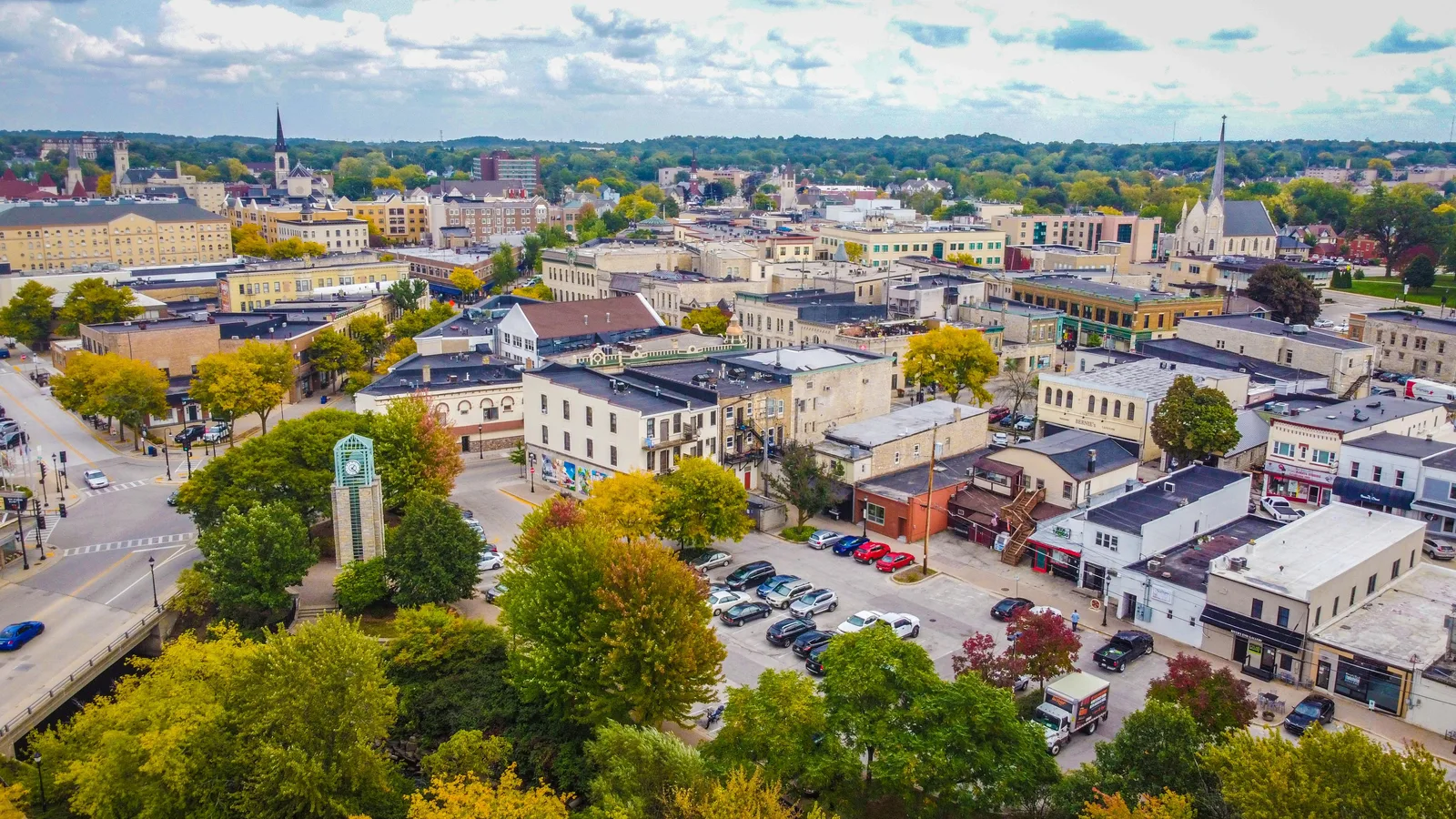
- Downtown Waukesha - Historic commercial and residential districts
- Hadfield Highlands - Established residential neighborhoods
- Prairie Home - Mixed residential and commercial areas
- Brookfield - Adjacent suburban communities
- New Berlin - Newer residential developments
- Pewaukee - Lakefront and inland properties
- Delafield - Rural and lake community homes
- Hartland - Growing residential areas
Each area presents distinct challenges, from older downtown buildings with aging infrastructure to newer subdivisions with modern construction materials. Our technicians understand local building codes, soil conditions, and municipal systems that affect restoration approaches.
Seasonal Damage Patterns in Waukesha
Wisconsin's four-season climate creates predictable patterns of property damage throughout the year, allowing homeowners to prepare for seasonal risks.
Spring (March-May):
- Snowmelt flooding affects basements and foundations
- Ice dam damage becomes apparent as temperatures rise
- Sump pump testing reveals winter-related failures
Summer (June-August):
- Severe thunderstorms cause flash flooding and power outages
- High humidity levels promote mold growth in basements
- Air conditioning failures lead to moisture problems
Fall (September-November):
- Heating system startup reveals smoke damage issues
- Roof maintenance needs become apparent before winter
- Basement moisture increases as temperatures drop
Winter (December-February):
- Frozen pipes burst during extreme cold snaps
- Ice dams form on roofs with inadequate insulation
- Furnace malfunctions create fire and smoke damage risks
Understanding seasonal patterns helps property owners schedule preventive maintenance and respond quickly when damage occurs.
Housing Characteristics & Restoration Considerations
Waukesha's housing stock reflects over 150 years of development, with construction spanning from 1800s farmhouses to modern subdivisions. This diversity creates unique restoration challenges requiring specialized approaches.
Historic Properties (Pre-1940):
- Stone and brick foundations prone to water seepage
- Plaster walls requiring careful moisture extraction techniques
- Knob-and-tube wiring increasing fire damage risks
- Limited insulation contributing to ice dam formation
Mid-Century Homes (1940-1980):
- Concrete block foundations with potential settling issues
- Drywall construction allowing faster water damage spread
- Original plumbing systems reaching replacement age
- Asbestos materials requiring specialized handling during restoration
Modern Construction (Post-1980):
- Engineered lumber sensitive to moisture exposure
- Complex HVAC systems requiring professional cleaning after smoke damage
- Synthetic materials producing toxic fumes during fires
- Tighter building envelopes trapping moisture and promoting mold growth
Each construction type requires specific restoration protocols, from traditional drying methods for historic homes to advanced moisture detection systems for modern buildings. Understanding material properties and construction techniques ensures proper restoration without causing additional damage.
Environmental Conditions & Damage Implications
Waukesha's continental climate and geographic location create environmental conditions that significantly impact property damage patterns and restoration requirements.
Climate Factors:
- Average annual humidity of 70% promotes mold growth in damp conditions
- Temperature fluctuations from -20°F to 90°F stress building materials
- Annual snowfall of 45 inches creates ice dam and roof load concerns
- Severe weather events including tornadoes and derechos cause widespread damage
Soil and Water Conditions:
- Clay-rich soils expand and contract, affecting foundation stability
- High groundwater tables increase basement flooding risks
- Hard water deposits in plumbing systems contribute to pipe failures
- Natural limestone bedrock affects drainage patterns around foundations
Air Quality Considerations:
- Industrial activities in nearby Milwaukee affect indoor air quality after smoke damage
- Agricultural areas contribute to seasonal allergen levels
- Vehicle emissions along I-94 corridor impact outdoor air infiltration
These environmental factors influence restoration timelines and techniques. High humidity requires extended drying periods, while soil conditions affect foundation waterproofing strategies. Professional restoration teams adjust their approaches based on local environmental data to achieve optimal results.
24-Hour Emergency Response Network in Waukesha
Waukesha's position along major transportation corridors and its role as a regional commercial hub demands rapid emergency response capabilities for damage restoration services. The city's proximity to Milwaukee and access via Interstate 94 enables quick deployment of specialized equipment and personnel during large-scale disasters.
Advanced Response Technologies:
- Thermal imaging cameras detect hidden moisture in walls and ceilings
- Industrial-grade dehumidifiers remove thousands of gallons daily
- Hydroxyl generators eliminate smoke odors without harmful chemicals
- Negative air pressure systems contain mold spores during remediation
- Moisture meters provide precise readings in various building materials
Coordinated Emergency Services:
- Initial damage assessment within one hour of contact
- Water extraction begins immediately to prevent secondary damage
- Structural drying equipment placement within four hours
- Daily monitoring ensures proper drying progression
- Final moisture verification before restoration completion
Local partnerships with Waukesha Fire Department, municipal utilities, and insurance providers streamline the restoration process. Pre-established relationships with suppliers ensure equipment availability during peak demand periods, such as spring flooding or severe storm seasons.
Modern restoration techniques include antimicrobial treatments that prevent mold growth, advanced drying systems that reduce restoration time by 40%, and air scrubbing technology that removes contaminants during fire and smoke damage cleanup. These innovations minimize disruption to families and businesses while ensuring thorough restoration to pre-loss conditions.