Damage Restoration in Milwaukee, WI
- Damage Restoration Services Overview
- Common Damage Restoration Issues in Milwaukee, Wisconsin
- Neighborhoods We Serve in Milwaukee
- Seasonal Damage Patterns in Milwaukee
- Housing Characteristics & Restoration Considerations
- Environmental Conditions & Damage Implications
- Historic Building Restoration Challenges in Milwaukee
Damage Restoration Services Overview
Property damage can strike without warning, leaving Milwaukee homeowners and business owners feeling overwhelmed and uncertain about next steps. When disaster hits your property, professional restoration services provide the expertise and equipment needed to return your space to its pre-damage condition safely and efficiently.
Our comprehensive damage restoration services address the full spectrum of property emergencies throughout Milwaukee:
- Water Damage Restoration - Rapid extraction, drying, and structural repair
- Flooded Basement - Complete basement water removal and moisture control
- Sewage Cleanup - Safe sanitization and contamination removal
- Fire Damage Restoration - Structural repair and soot removal
- Smoke Damage Restoration - Odor elimination and air quality restoration
- Mold Removal - Professional remediation and prevention strategies
Milwaukee residents benefit from 24/7 emergency response, advanced moisture detection technology, and restoration teams experienced with local building codes and insurance requirements. Professional restoration prevents secondary damage, reduces health risks, and helps properties retain their value through proper remediation techniques.
Common Damage Restoration Issues in Milwaukee, Wisconsin
Milwaukee's location along Lake Michigan and its continental climate create specific challenges for property owners. The city's aging infrastructure and weather patterns contribute to recurring restoration needs throughout the year.
Frequent water damage sources in Milwaukee include:
- Burst pipes during harsh winter freezes
- Spring snowmelt overwhelming basement drainage systems
- Summer thunderstorms causing roof leaks and flooding
- Sewer backups during heavy rainfall periods
- Ice dam formation on older homes with insufficient insulation
Fire and smoke damage often results from:
- Heating system malfunctions during cold months
- Electrical issues in older Milwaukee homes
- Kitchen fires and cooking accidents
- Fireplace and chimney problems
Mold growth thrives in Milwaukee's humid summers and occurs frequently in:
- Basements with poor ventilation
- Areas affected by previous water damage
- Homes near the lake with elevated moisture levels
- Properties with inadequate HVAC systems
Early warning signs include musty odors, visible water stains, peeling paint, warped flooring, and respiratory symptoms among occupants. Prompt professional assessment prevents minor issues from becoming major restoration projects.
Neighborhoods We Serve in Milwaukee
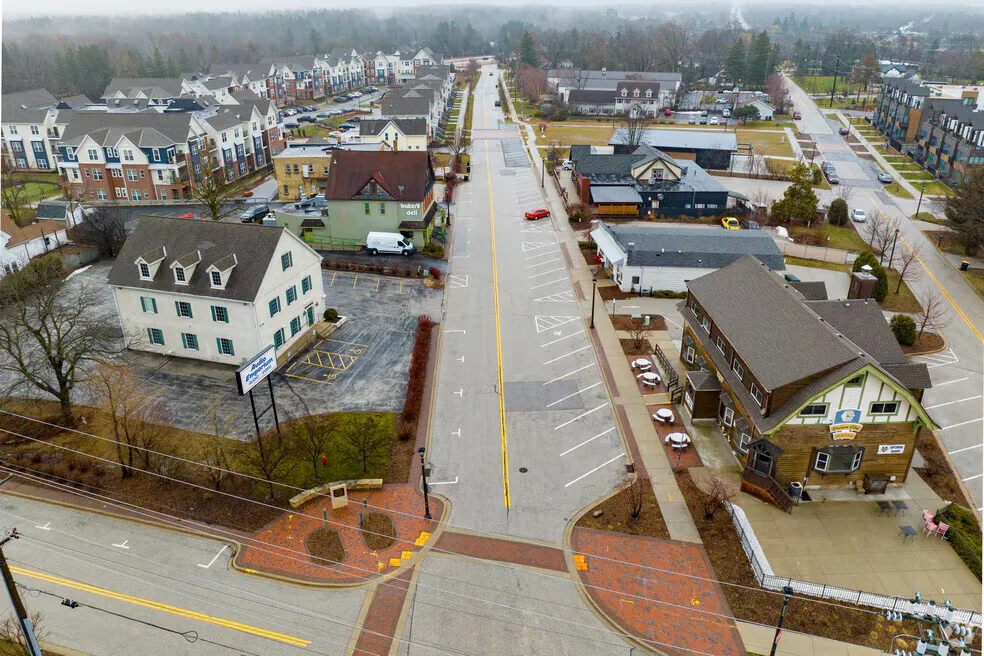
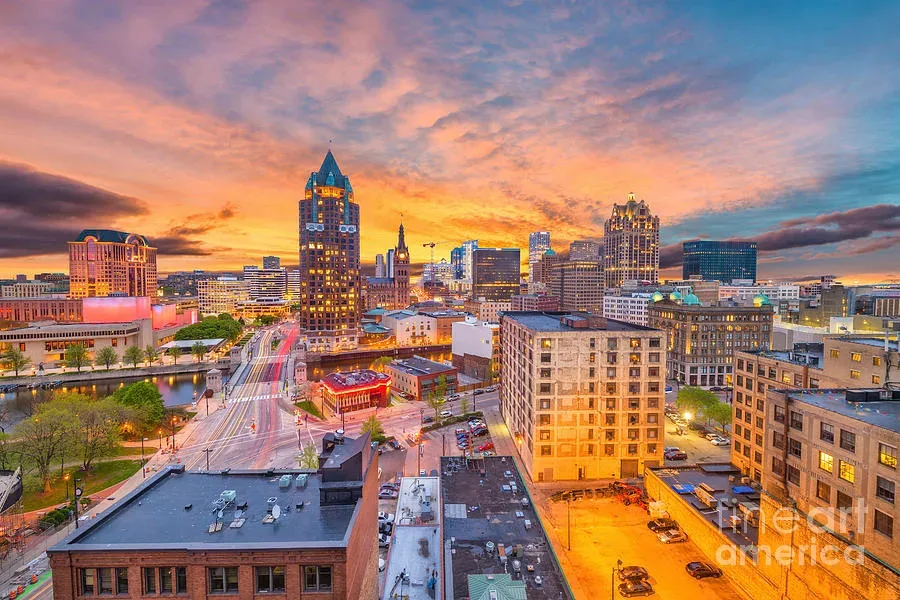
Our damage restoration services extend throughout Milwaukee's diverse neighborhoods and surrounding communities. We serve both historic districts with unique restoration challenges and newer developments with modern building materials.
Primary service areas include:
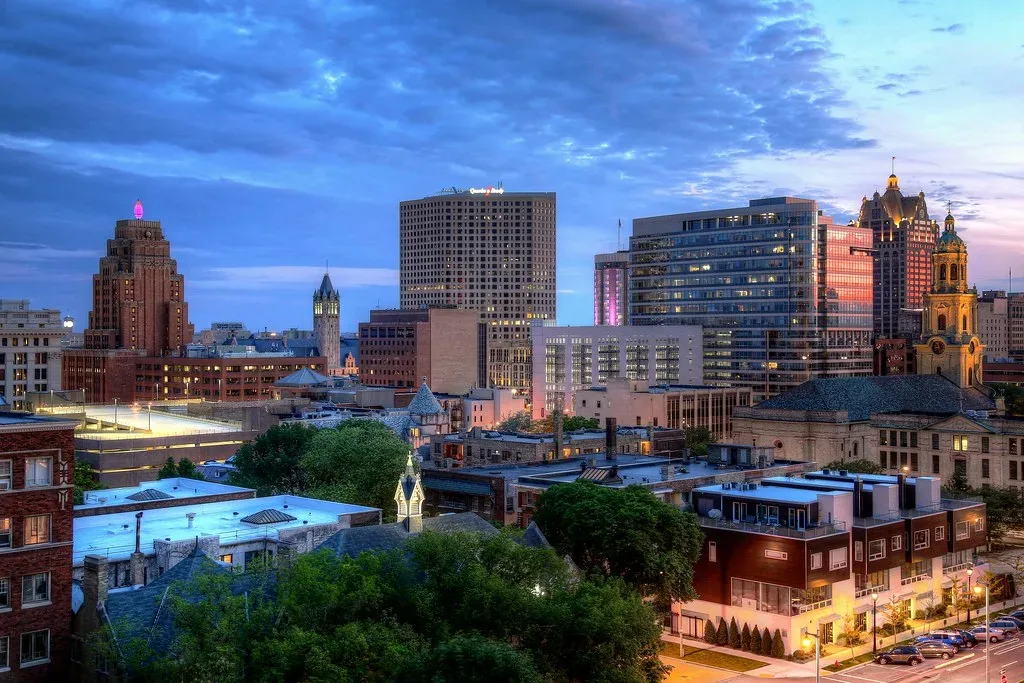
- Downtown Milwaukee - High-rise buildings and commercial properties
- East Side - Historic homes and lakefront properties
- Riverwest - Older residential buildings requiring specialized care
- Bay View - Mixed residential and commercial restoration needs
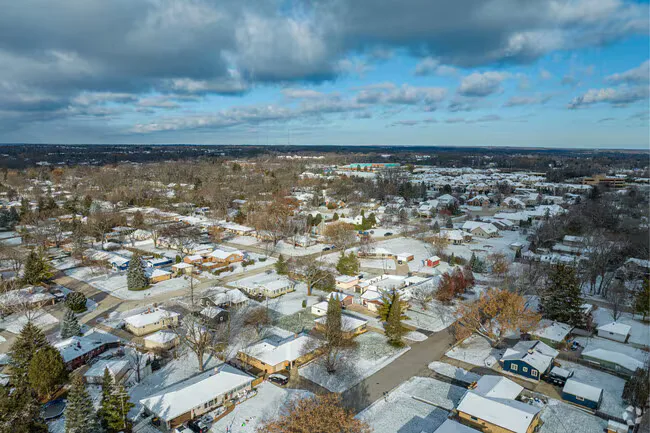
- Wauwatosa - Suburban homes and family properties
- West Allis - Diverse housing stock and commercial facilities
- Shorewood - Upscale homes with unique architectural features
- Greenfield - Newer construction and family neighborhoods
Our teams understand the specific challenges each neighborhood presents, from historic preservation requirements in older districts to modern building systems in newer developments. Local knowledge helps us provide appropriate restoration solutions for every Milwaukee community.
Seasonal Damage Patterns in Milwaukee
Milwaukee's four-season climate creates predictable patterns of property damage throughout the year, allowing homeowners to prepare for common restoration needs.
Winter (December - February):
- Frozen pipe bursts peak during extreme cold snaps
- Ice dam formation causes roof leaks and water damage
- Heating system failures lead to fire risks
- Poor ventilation increases indoor mold growth
Spring (March - May):
- Snowmelt overwhelms basement waterproofing systems
- Roof damage becomes apparent as ice melts
- Sewer backups occur during heavy rainfall
- Mold growth accelerates with increasing humidity
Summer (June - August):
- Severe thunderstorms cause flooding and wind damage
- High humidity promotes mold development
- Air conditioning failures create moisture problems
- Lightning strikes increase fire risks
Fall (September - November):
- Preparation for winter reveals hidden damage
- Furnace startups sometimes cause fires
- Falling leaves clog drainage systems
- Temperature fluctuations stress building materials
Housing Characteristics & Restoration Considerations
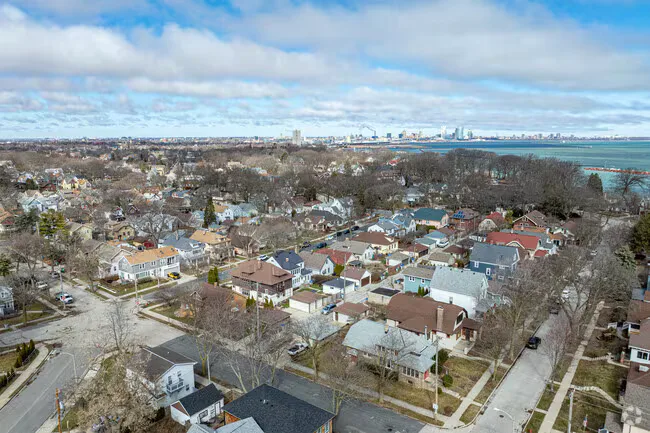
Milwaukee's housing stock reflects over 150 years of development, creating unique restoration challenges based on construction era and building materials. Understanding these characteristics helps property owners anticipate potential damage scenarios and restoration needs.
Historic homes built before 1940 often feature:
- Plaster walls that require specialized water damage techniques
- Knob-and-tube electrical systems prone to fire hazards
- Cast iron plumbing susceptible to sewage backups
- Balloon frame construction that spreads fire quickly
- Limited insulation increasing freeze damage risks
Mid-century homes (1940-1980) commonly have:
- Drywall construction that absorbs water rapidly
- Galvanized steel pipes prone to corrosion and leaks
- Asbestos materials requiring special handling during restoration
- Basement foundations susceptible to water infiltration
Modern construction (1980-present) typically includes:
- Synthetic materials that may off-gas when damaged
- Complex HVAC systems that can spread contamination
- Engineered lumber that behaves differently when wet
- Advanced electrical systems requiring specialized fire restoration
Each construction type demands specific restoration approaches. Historic homes may need period-appropriate materials and techniques, while modern homes require understanding of contemporary building systems and materials. Professional restoration teams adapt their methods to match the specific characteristics of each property.
Environmental Conditions & Damage Implications
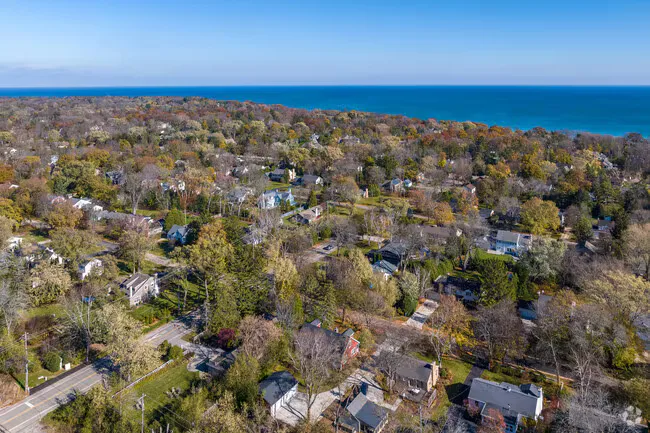
Milwaukee's environmental conditions significantly influence both damage patterns and restoration requirements. The city's location on Lake Michigan's western shore creates a unique microclimate that affects how properties experience and recover from various types of damage.
Climate factors affecting restoration include:
- Lake Effect Weather - Increased precipitation and humidity near the lake
- Temperature Extremes - Winter lows below zero and summer highs in the 80s
- High Humidity Summers - Average relative humidity above 70% promotes mold growth
- Freeze-Thaw Cycles - Repeated freezing damages building materials and plumbing
Soil conditions impact basement water damage and foundation issues:
- Clay-rich soils retain water and create hydrostatic pressure
- Poor drainage in many neighborhoods increases flood risks
- Expansive soils shift with moisture changes, affecting structures
- High water tables in lakefront areas complicate basement restoration
Air quality considerations during restoration:
- Industrial history requires testing for legacy contamination
- Urban air pollution affects indoor air quality after fire damage
- Lake breezes can carry moisture and contaminants into buildings
- Seasonal pollen and allergens complicate mold remediation timing
Water quality affects cleanup and restoration processes. Milwaukee's municipal water system provides clean water for restoration activities, but older homes may have lead service lines requiring special precautions during water damage restoration. Understanding these environmental factors helps restoration professionals select appropriate equipment, materials, and techniques for each project.
Historic Building Restoration Challenges in Milwaukee
Milwaukee's rich architectural heritage presents unique restoration challenges that require specialized knowledge and techniques. The city's collection of historic homes, commercial buildings, and industrial structures demands restoration approaches that preserve historical integrity while meeting modern safety standards.
Common historic building materials requiring specialized restoration include:
- Cream City Brick - Milwaukee's signature building material needs careful cleaning after fire or water damage
- Cast Iron Architecture - Downtown buildings feature ornate metalwork requiring specialized fire damage restoration
- Hardwood Flooring - Century-old maple and oak floors need expert water damage treatment
- Plaster and Lath Walls - Traditional wall systems require different drying techniques than modern drywall
- Slate and Tile Roofing - Historic roofing materials need period-appropriate replacement after storm damage
Restoration considerations for historic properties:
- Historical Preservation Requirements - Many Milwaukee properties are listed on historic registries requiring approved restoration methods
- Lead Paint and Asbestos - Pre-1978 buildings often contain hazardous materials requiring certified removal during restoration
- Structural Integrity - Older building techniques may not meet current codes, requiring careful evaluation during restoration
- Moisture Management - Historic buildings often lack modern vapor barriers, making water damage restoration more complex
- Insurance Coordination - Historic property insurance may have special requirements for restoration contractors and materials
Successful historic building restoration in Milwaukee requires teams experienced with period construction techniques, familiar with local preservation guidelines, and equipped with specialized tools for working with traditional materials. Professional restoration preserves Milwaukee's architectural character while protecting property values and ensuring occupant safety.