Damage Restoration in Chippewa County, WI
- Damage Restoration Services Overview
- Common Damage Restoration Issues in Chippewa County, Wisconsin
- Neighborhoods We Serve in Chippewa County
- Seasonal Damage Patterns in Chippewa County
- Housing Characteristics & Restoration Considerations
- Environmental Conditions & Damage Implications
- Emergency Response and the FEMA Four-Phase Approach in Chippewa County
Damage Restoration Services Overview
What happens in the first few hours after water pours through a basement window or smoke settles into every room of your home? Those hours often decide whether materials get saved or hauled to the curb. Property owners across Chippewa County face a mix of hard winters, spring snowmelt, and severe summer storms - conditions that create the full spectrum of restoration needs.
A full-service restoration response covers every stage of a loss, from extraction through reconstruction:
- Water Damage Restoration - extraction, structural drying, moisture mapping, and monitoring of framing, subfloor, and drywall.
- Flooded Basement - pump-out, contents handling, sanitizing of concrete and block walls, and dehumidification of below-grade space.
- Sewage Cleanup - removal of contaminated material, antimicrobial treatment, and safe disposal following Category 3 water protocols.
- Fire Damage Restoration - emergency board-up, roof tarping, debris removal, soot cleaning, and structural rebuild.
- Smoke Damage Restoration - odor neutralization, HVAC cleaning, and treatment of porous surfaces where residue hides.
- Mold Removal - containment, filtration, removal of affected materials, and correction of the moisture source.
Benefits for local homeowners and business owners include reduced secondary damage, documentation that supports insurance claims, IICRC-trained technicians, and one point of contact from the first phone call through the final walkthrough.
Common Damage Restoration Issues in Chippewa County, Wisconsin
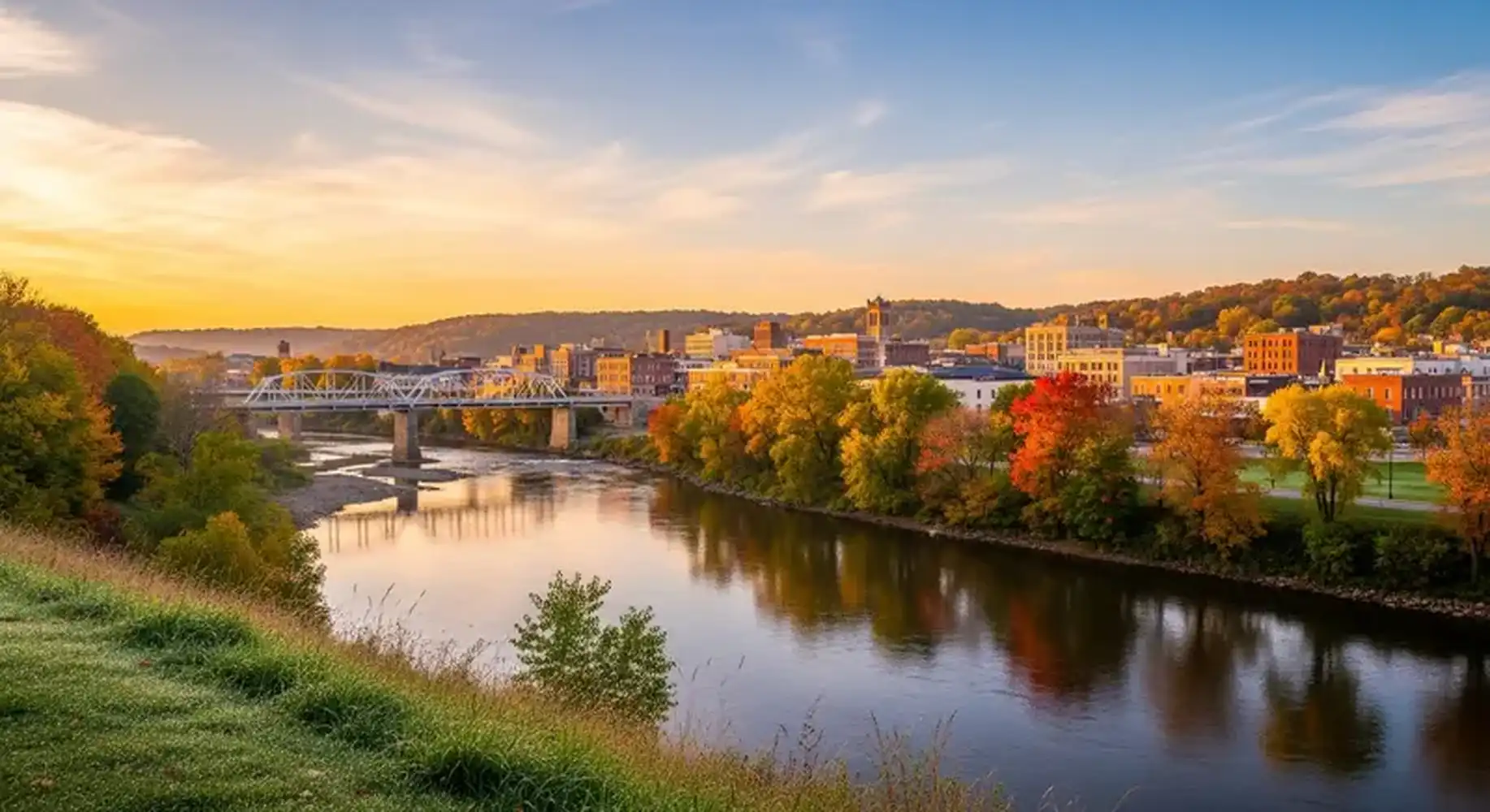
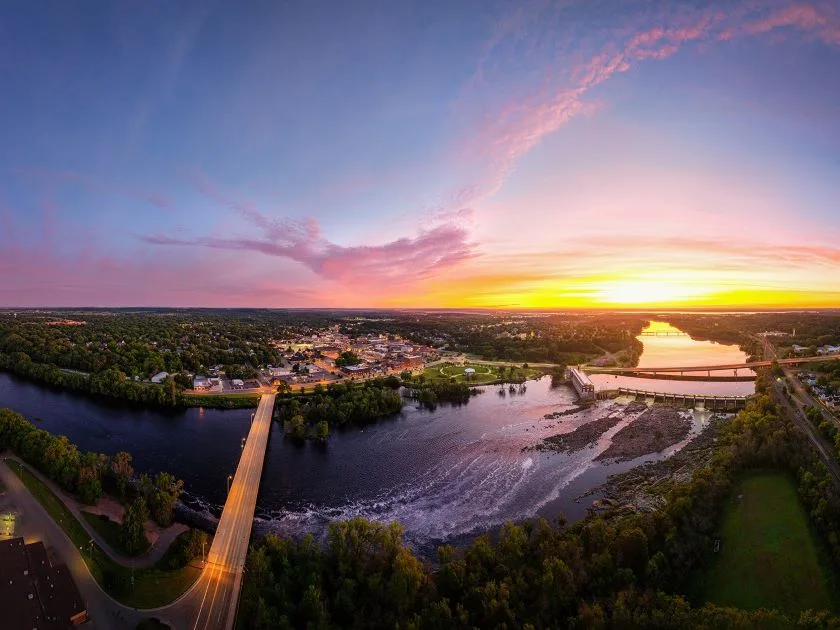
Geography drives much of the damage seen here. The Chippewa River, Duncan Creek, Lake Wissota, and a network of low-lying farm drainages all influence groundwater levels and how quickly runoff reaches foundations.
Frequent Causes of Loss
- Frozen and burst supply lines in unheated crawl spaces, garages, and seasonal cabins.
- Ice dams forcing meltwater beneath shingles and into wall cavities.
- Spring snowmelt combined with saturated or still-frozen soil, overwhelming sump pumps.
- Hail and straight-line wind opening roofs, siding, and windows to rain.
- Municipal main backups and failed private septic systems pushing sewage into basements.
- Heating equipment, wood stoves, and kitchen fires during long heating seasons.
- Hidden mold growth behind paneling, under carpet pad, and inside insulated rim joists.
Warning Signs Worth Acting On
- Musty odor that intensifies during humid stretches or after heavy rain.
- Efflorescence, white powder, or dark staining along block foundation walls.
- Buckling laminate, cupped hardwood, or soft spots near exterior doors.
- Sump pump running constantly - or unusually silent during wet weather.
- Slow floor drains, gurgling toilets, or sewer odor near basement fixtures.
- Yellow-brown staining on ceilings after a wind event, indicating roof intrusion.
- Lingering smoke smell that returns when the furnace or air conditioning cycles.
Catching these early usually means drying rather than demolition, which keeps disruption and material loss to a minimum.
Neighborhoods We Serve in Chippewa County
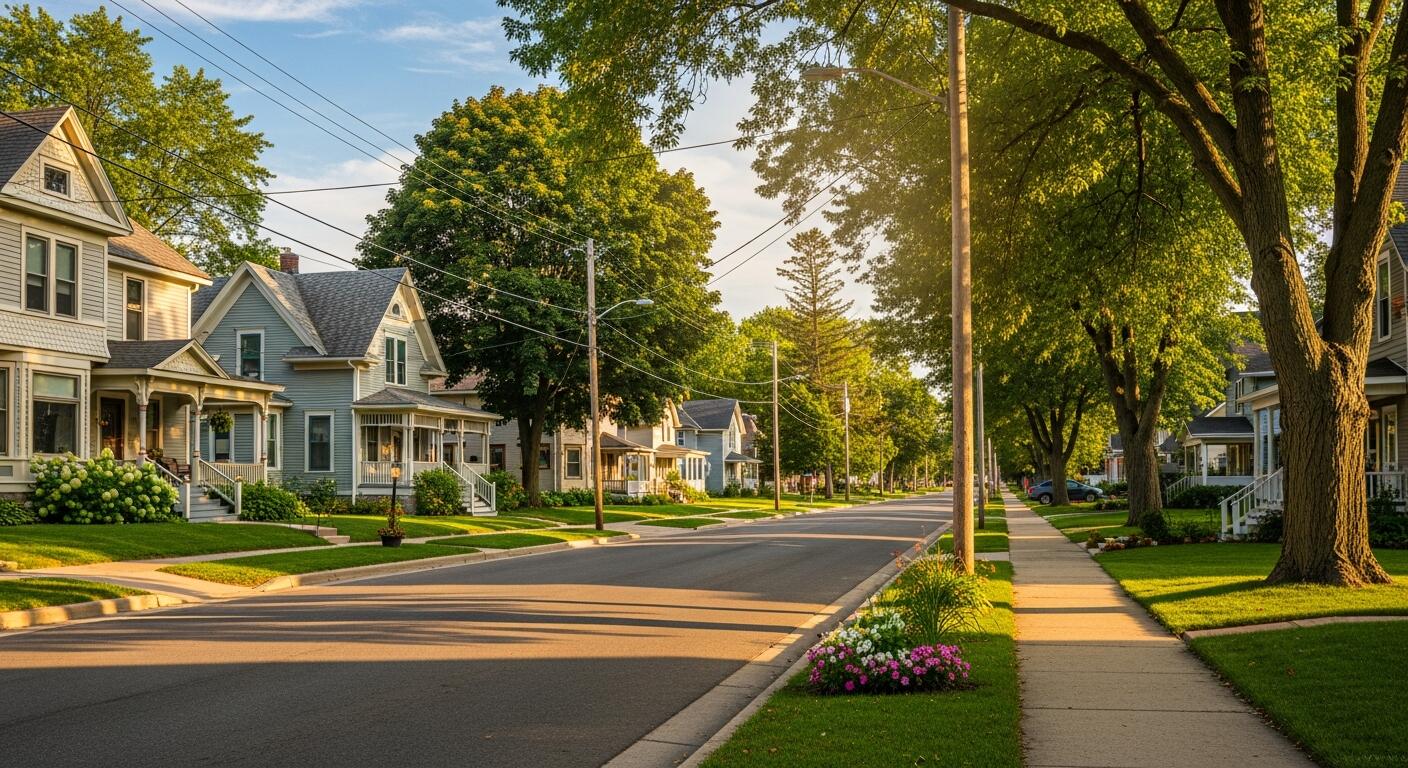
Coverage extends across the county, from riverfront neighborhoods to rural township properties on private wells and septic systems.
- Chippewa Falls - downtown historic district, Irvine Park area, Riverview, and older neighborhoods along the Chippewa River.
- Lake Hallie and Hallie - newer subdivisions and manufactured housing communities near Highway 53.
- Bloomer, Cornell, Stanley, and Boyd - small-town residential blocks, farmsteads, and Main Street commercial buildings.
- Cadott, New Auburn, Tilden, and Jim Falls - rural homes, hobby farms, and shop buildings.
- Lake Wissota area - year-round residences, seasonal cabins, and shoreline properties.
- Surrounding townships - Anson, Eagle Point, Wheaton, Colburn, Sigel, and Goetz.
Crews also respond to adjacent Eau Claire and Dunn County properties when a regional storm affects multiple communities at once.
Seasonal Damage Patterns in Chippewa County
Each season brings its own restoration profile across west-central Wisconsin.
- December through February - burst pipes, ice dams, and heating-related fires dominate. Smoke damage calls rise with wood stove and furnace use, and closed-up homes trap odor in fabrics and ductwork.
- March through April - snowmelt over frozen ground produces the year's heaviest volume of flooded basements. Sump pump failures and sewer backups peak as systems handle sustained flow.
- May through July - severe thunderstorms bring hail, wind, and roof breaches. Water intrusion from above leads to attic and ceiling drying, plus emergency tarping and board-up work.
- July through September - high dew points and warm basements create prime conditions for mold growth. Small unnoticed leaks from spring often surface as visible colonies now.
- October through November - grilling, fireplace startup, and chimney issues drive fire and smoke calls. Outdoor hose bibs left connected set up the first freeze failures.
Preparedness matters year-round: seasonal inspections of sump pumps, water heaters, dryer vents, and roof flashing prevent a large share of these losses.
Housing Characteristics & Restoration Considerations
Chippewa County housing spans well over a century of construction styles, and each era responds differently to water, fire, and microbial damage.
Older Homes (pre-1950)
- Common in Chippewa Falls, Bloomer, Cornell, and Stanley - often balloon-framed, which lets water and smoke travel vertically through open wall cavities.
- Fieldstone and unsealed block foundations wick groundwater and stay damp long after visible water is gone.
- Plaster and lath hold moisture differently than drywall and require slower, controlled drying.
- Potential asbestos or lead-containing materials call for careful testing before demolition.
Mid-Century and Modern Construction
- Poured concrete basements with finished rec rooms - carpet, pad, and framed walls trap water behind the finish.
- Tighter building envelopes hold humidity indoors, raising mold risk after any unresolved leak.
- Engineered flooring and MDF trim swell quickly and rarely recover once saturated.
- Sealed HVAC systems circulate soot and odor throughout the structure during a fire event.
Rural and Seasonal Properties
- Private septic systems and well water introduce contamination concerns during sewage cleanup.
- Crawl spaces and pier foundations near Lake Wissota need targeted dehumidification and vapor barriers.
- Unoccupied cabins may go weeks before a loss is discovered, expanding mold and structural damage.
Restoration plans account for these variables so drying targets, containment, and rebuild materials match the actual structure rather than a generic template.
Environmental Conditions & Damage Implications
Local climate and soil conditions shape how damage develops and how restoration is approached.
Climate
- Long subzero stretches drive freeze-thaw cycles that crack foundations and split plumbing.
- Summer dew points frequently climb into the 60s and 70s, feeding mold in basements without dehumidification.
- Annual snowfall totals produce substantial spring runoff over ground that thaws from the top down.
- Wide humidity swings mean drying equipment must be adjusted throughout a project rather than set once.
Soil and Groundwater
- Sandy outwash soils along the Chippewa River drain quickly but allow rapid groundwater rise during flood stages.
- Clay-heavy areas in the outlying townships shed water toward foundations and hold hydrostatic pressure against block walls.
- Shallow water tables near Lake Wissota and Duncan Creek keep basement slabs cool and prone to condensation.
Water and Air Quality
- Hard water and iron content are common on private wells, leaving staining that complicates post-flood cleaning.
- Agricultural runoff can add contaminants to floodwater, warranting stricter sanitizing protocols.
- Regional wildfire smoke drift and heating-season particulates affect indoor air, making HEPA filtration part of both fire and mold work.
Understanding these conditions guides equipment selection, containment design, and the moisture targets used before a structure is declared dry.
Emergency Response and the FEMA Four-Phase Approach in Chippewa County
Chippewa County Emergency Management structures its planning around the four phases used nationwide - mitigation, preparedness, response, and recovery. Restoration work fits directly into that framework, and property owners benefit when their own actions follow the same sequence.
How the Four Phases Apply to Your Property
- Mitigation - reduce hazards before they cause loss: install a battery backup sump pump, add backflow prevention on sewer laterals, insulate exposed pipes, clean chimneys and dryer vents, and grade soil away from the foundation.
- Preparedness - know where the main water shutoff and electrical panel are, photograph rooms and contents for claim documentation, keep insurance policy details accessible, and store a restoration contact number before you need it.
- Response - stop the source if safely possible, avoid contact with sewage or standing water near electrical service, and call for emergency board-up, roof tarping, or extraction. Rapid dispatch limits how far water and soot migrate.
- Recovery - controlled drying, cleaning, deodorization, mold remediation, and rebuild that returns the structure to pre-loss condition.
What Rapid Local Response Delivers
- Round-the-clock availability for storm, fire, and water emergencies countywide.
- Emergency board-up, roof tarping, tree and debris removal after wind and hail events.
- Truck-mounted extraction, commercial dehumidifiers, air movers, and HEPA air scrubbers.
- Moisture readings and photo documentation shared with your insurance adjuster.
- Contents pack-out, cleaning, and storage while structural work proceeds.
- IICRC-trained technicians familiar with Chippewa County construction and municipal requirements.
When a storm system moves through Chippewa Falls, Bloomer, or Cadott and multiple properties are affected at once, having a crew already staged in the region shortens the wait between the damage and the first piece of drying equipment on the floor.