Damage Restoration in Monroe County, WI
- Damage Restoration Services Overview
- Common Damage Restoration Issues in Monroe County, Wisconsin
- Neighborhoods We Serve in Monroe County
- Seasonal Damage Patterns in Monroe County
- Housing Characteristics & Restoration Considerations
- Environmental Conditions & Damage Implications
- Insurance Documentation and the Restoration Timeline in Monroe County
Damage Restoration Services Overview

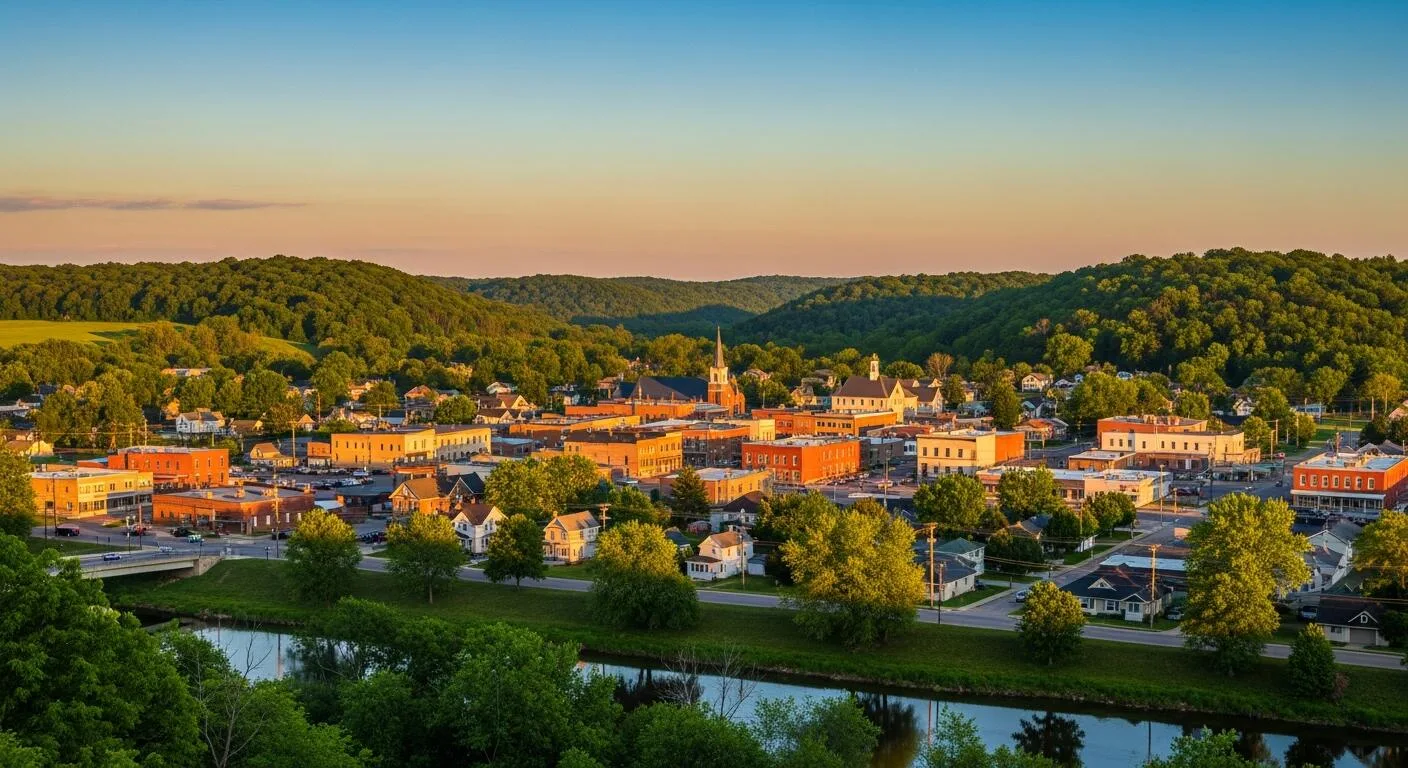
Monroe County sits in Wisconsin's Driftless Area - a region the last glaciers never flattened. That means steep coulees, sandstone bluffs, and spring-fed creeks that push runoff downhill fast, straight toward basements in Sparta, Tomah, and the valley communities between them.
Property damage here rarely arrives politely. A frozen supply line, a backed-up floor drain, or a chimney fire can turn a normal Tuesday into an emergency, and the clock starts running immediately on secondary damage.
Restoration teams serving Monroe County handle a full spectrum of property emergencies:
- Water damage restoration - burst pipes, appliance overflows, roof leaks, and foundation seepage
- Flooded basement cleanup - extraction, structural drying, and moisture mapping below grade
- Sewage cleanup - contaminated water removal, disinfection, and safe disposal of porous materials
- Fire damage restoration - structural stabilization, debris removal, and rebuild coordination
- Smoke damage restoration - soot removal, thermal fogging, and odor neutralization
- Mold removal - containment, HEPA filtration, remediation, and moisture source correction
The benefit of a single restoration provider handling all six is continuity. Water events feed mold growth. Fire suppression leaves standing water behind. Sewage backups create biohazard conditions that overlap with both. Addressing them under one coordinated plan - with documentation for your insurance carrier - shortens the path back to a dry, safe, breathable home.
Common Damage Restoration Issues in Monroe County, Wisconsin
Geography drives most of the damage patterns here. Sandy loam soils drain quickly until they saturate, and then coulee runoff has nowhere to go but toward foundations sitting at the bottom of a slope.
Frequent Causes Across the County
- Snowmelt combined with early spring rain overwhelming La Crosse River and Lemonweir River tributaries
- Frozen and burst supply lines in unheated crawlspaces, garages, and older farmhouse additions
- Sump pump failure or power loss during summer thunderstorm cells
- Sewer main surcharge in Sparta and Tomah during heavy rainfall events
- Septic system backups on rural acreages with saturated drain fields
- Wood stove, chimney, and space heater fires during long heating seasons
- Kitchen grease fires that spread smoke and soot through every room of the house
Warning Signs Worth Acting On
- Efflorescence - a chalky white residue - on block or poured foundation walls
- Musty odors that intensify after rainfall or when the HVAC system cycles
- Slow floor drains, gurgling toilets, or sewage odor near basement fixtures
- Cupping or darkening hardwood, and baseboards separating from the wall
- Yellow-brown staining on ceilings below bathrooms or attic spaces
- Persistent smoke odor weeks after a small fire, indicating soot in ductwork or insulation
- Visible mold at rim joists, behind vinyl wallpaper, or under carpet padding
Mold colonization can begin within a day or two of a water event in warm conditions, which is why extraction and drying take priority over cosmetic repairs.
Neighborhoods We Serve in Monroe County
Coverage extends across the county's cities, villages, townships, and the rural stretches between them.
- Sparta - the county seat, including neighborhoods along the La Crosse River and the Elroy-Sparta Trail corridor
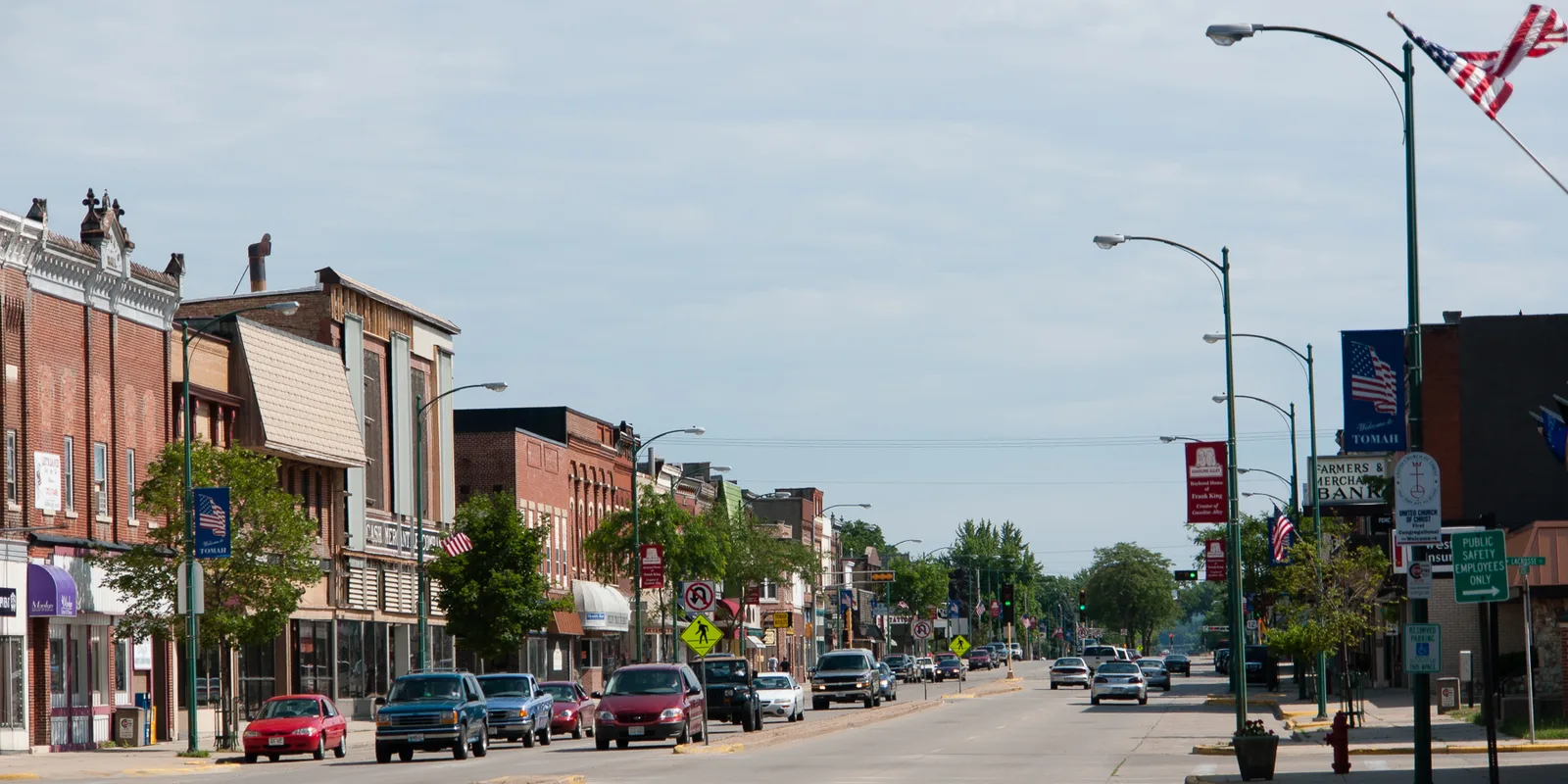
- Tomah - residential districts near Lake Tomah, Superior Avenue, and the I-90/I-94 junction area
- Norwalk, Wilton, Kendall, and Cashton - village properties and surrounding farmsteads
- Warrens, Oakdale, and Melvina - including cranberry marsh country and nearby acreages
- Wyeville, Little Falls, and Leon - township homes on well and septic systems
- Fort McCoy and adjacent housing - military-connected families and rental properties
Service also reaches neighboring communities in Jackson, Vernon, Juneau, and La Crosse counties. Rural response matters here - a farmhouse fifteen minutes outside Wilton needs the same equipment and urgency as a home three blocks off Water Street in Sparta.
Seasonal Damage Patterns in Monroe County
Winter (December - February)
- Frozen and ruptured pipes in exterior walls and unheated spaces
- Ice damming on north-facing roofs pushing meltwater into attics and ceilings
- Peak heating-season fires from wood stoves, furnaces, and portable heaters
- Smoke damage that lingers because windows stay sealed shut
Spring (March - May)
- Snowmelt plus rainfall producing the year's heaviest flooded basement volume
- Frost-heaved foundation cracks admitting groundwater
- Sewer and septic backups as saturated ground blocks drainage
- First mold growth from winter moisture finally warming up
Summer (June - August)
- Severe thunderstorms, hail, and wind-driven rain
- Sump pump overload and power-outage failures
- Rapid mold colonization in humid, unconditioned basements
- Grilling and outdoor fire incidents spreading to structures
Fall (September - November)
- Clogged gutters directing water against foundations
- Chimney and flue fires during the first burns of the season
- Hidden mold discovered as homes are closed up and heating begins
- Early hard freezes catching unwinterized outdoor plumbing
Housing Characteristics & Restoration Considerations
Monroe County's housing stock skews older than the national average, with a substantial share of homes built before 1970 and a meaningful number of farmhouses dating to the late 1800s and early 1900s.
Common Construction Types
- Century farmhouses - balloon framing, fieldstone or rubble foundations, and dirt or partial-slab cellars
- Post-war bungalows and ranches - concrete block basements, plaster walls, and original cast iron drain lines
- 1970s-1990s split-levels - below-grade living space and finished lower levels vulnerable to total loss when flooded
- Newer subdivision homes - poured foundations, engineered lumber, and tightly sealed envelopes that trap humidity
- Manufactured and modular housing - crawlspace moisture and limited cavity drying access
How Age Shapes the Restoration Plan
- Balloon-framed walls let smoke and fire travel vertically between floors, so soot inspection must extend well beyond the visible burn area
- Stone and block foundations wick moisture through mortar joints, requiring vapor management alongside drying
- Homes built before 1980 may contain asbestos or lead-based materials, prompting testing before demolition
- Plaster and lath dries far more slowly than drywall and often needs targeted injection drying
- Original clay or cast iron sewer laterals crack and root-intrude, driving repeat sewage backups until replaced
- Finished basements with carpet, paneling, and framed walls conceal moisture long after the surface feels dry
Moisture meters and thermal imaging identify what visual inspection misses - a step that separates real drying from surface-level cleanup.
Environmental Conditions & Damage Implications
The county's climate delivers roughly 33 to 35 inches of precipitation annually, with summer humidity that regularly pushes indoor dew points into mold-friendly territory.
Climate and Moisture
- Deep winter cold with sustained subzero stretches - a primary driver of pipe failures
- Freeze-thaw cycling that widens foundation cracks year over year
- Humid summers where basements hold 65 to 80 percent relative humidity without dehumidification
- Intense convective storms dropping several inches of rain in a short window
Soil and Groundwater
- Sandy and loamy Driftless soils drain fast but saturate during prolonged rain, raising the water table against footings
- Shallow bedrock in coulee areas forces runoff laterally toward foundations
- Hydrostatic pressure pushing water through cove joints and cold seams in block walls
- Karst-influenced areas where groundwater moves quickly, carrying contaminants after septic overflows
Air Quality and Indoor Health
- Agricultural dust and pollen loading HVAC filters, which then trap and recirculate smoke particulate
- Radon-prone geology across much of western Wisconsin, meaning basement work should preserve existing mitigation systems
- Well water on rural properties - sewage events near wellheads warrant testing after cleanup
- Wood-heat prevalence contributing to creosote buildup and chronic light smoke residue
These conditions explain why drying targets in Monroe County must account for outdoor dew point, not just a surface reading on a wall.
Insurance Documentation and the Restoration Timeline in Monroe County
The difference between a smooth claim and a frustrating one usually comes down to documentation created in the first hours - long before an adjuster arrives.
What Thorough Documentation Includes
- Photo and video record of every affected room before any material is removed
- Moisture readings logged by location and repeated daily throughout drying
- Thermal imaging showing water migration behind walls and under flooring
- Written scope identifying category of water - clean, gray, or sewage-contaminated
- Inventory of damaged contents with condition notes for each item
- Equipment logs showing air movers and dehumidifiers placed and run times
How the Process Typically Unfolds
- Emergency contact and dispatch - crews mobilize with extraction and containment equipment
- Safety assessment - electrical hazards, structural concerns, and contamination levels evaluated
- Source control - the water, sewage, or smoke source is stopped or isolated
- Extraction and debris removal - standing water pulled, unsalvageable porous materials removed
- Cleaning and decontamination - antimicrobial application, soot removal, duct and surface cleaning
- Structural drying - air movement and dehumidification monitored to documented dry standards
- Mold verification - containment and remediation if growth is present, followed by clearance
- Reconstruction - drywall, flooring, trim, and finish work to return the space to pre-loss condition
Working With Your Carrier
- Standard Wisconsin homeowners policies often cover sudden pipe bursts but exclude surface flooding
- Sewer backup protection is typically a separate endorsement - worth reviewing before spring
- Mold coverage frequently carries sublimits tied to whether the water event was covered
- Detailed drying logs support the claim when coverage questions arise
Restoration crews that communicate directly with adjusters reduce the number of decisions you have to make while your household is displaced.