Damage Restoration in Ozaukee, WI
- Damage Restoration Services Overview
- Common Damage Restoration Issues in Ozaukee, Wisconsin
- Neighborhoods We Serve in Ozaukee
- Seasonal Damage Patterns in Ozaukee
- Housing Characteristics & Restoration Considerations
- Environmental Conditions & Damage Implications
- Lake Michigan Moisture Management and Restoration Challenges
Damage Restoration Services Overview
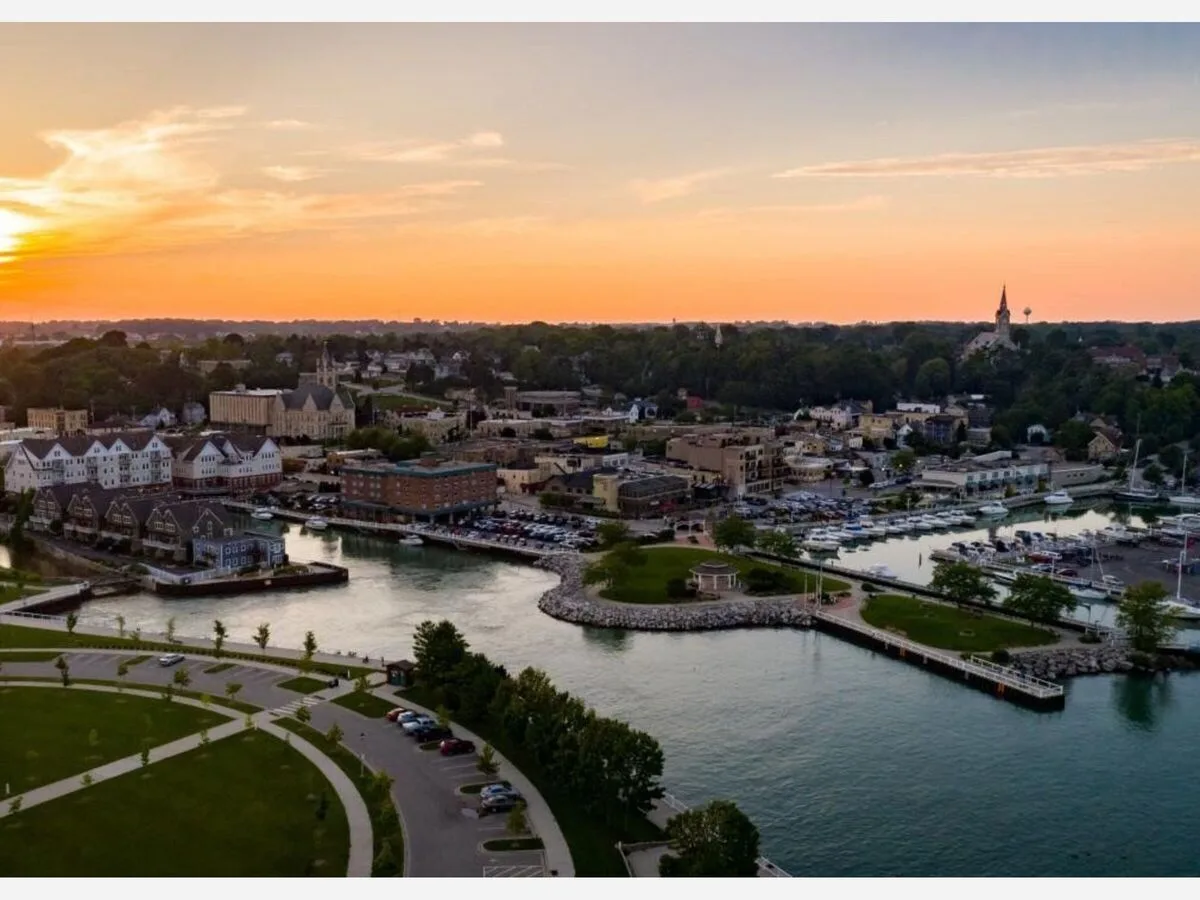
Did you know that Ozaukee County experiences some of Wisconsin's most dramatic seasonal temperature swings, with winter lows reaching -20°F and summer highs exceeding 85°F? These extreme fluctuations create perfect conditions for property damage, making professional restoration services essential for homeowners and businesses throughout the region.
Our comprehensive damage restoration services address the full spectrum of property emergencies that affect Ozaukee residents:
- Water Damage Restoration - Advanced moisture detection and drying techniques using psychrometry science
- Flooded Basement - Specialized equipment for below-grade water extraction and structural drying
- Sewage Cleanup - Safe containment and sanitization of contaminated areas
- Fire Damage Restoration - Complete structural assessment and smoke odor elimination
- Smoke Damage Restoration - Thorough cleaning of soot residue and air purification
- Mold Removal - Professional remediation with containment protocols
Each service combines cutting-edge technology with local expertise. We understand how Ozaukee's unique climate conditions - from Lake Michigan's moisture influence to rapid freeze-thaw cycles - impact restoration timelines and techniques. Our 24/7 emergency response ensures immediate action when disasters strike, minimizing secondary damage and protecting your property investment.
Common Damage Restoration Issues in Ozaukee, Wisconsin
Ozaukee County's proximity to Lake Michigan and diverse topography create specific challenges for property owners. The region's clay-heavy soil retains moisture, while elevation changes from lakefront to inland areas affect drainage patterns.
Most frequent damage scenarios include:
- Spring flooding - Rapid snowmelt overwhelms drainage systems, causing basement flooding
- Ice dam formation - Roof ice buildup leads to water infiltration and interior damage
- Sump pump failures - Power outages during storms leave basements vulnerable
- Frozen pipe bursts - Extreme cold snaps cause plumbing failures
- Chimney fires - Heavy fireplace use during long winters increases fire risk
- Humidity-related mold - Lake moisture creates year-round mold growth conditions
Warning signs requiring immediate attention:
- Musty odors indicating hidden moisture or mold growth
- Discolored walls or ceilings suggesting water intrusion
- Warped flooring from moisture exposure
- Smoke residue on surfaces after any fire incident
- Standing water in basements or crawl spaces
- Sewage backups during heavy rain events
Early intervention prevents minor issues from becoming major restoration projects. Our thermal imaging cameras detect moisture migration patterns that often start at floor level and travel into wall cavities, allowing us to address problems before they spread throughout your property.
Neighborhoods We Serve in Ozaukee
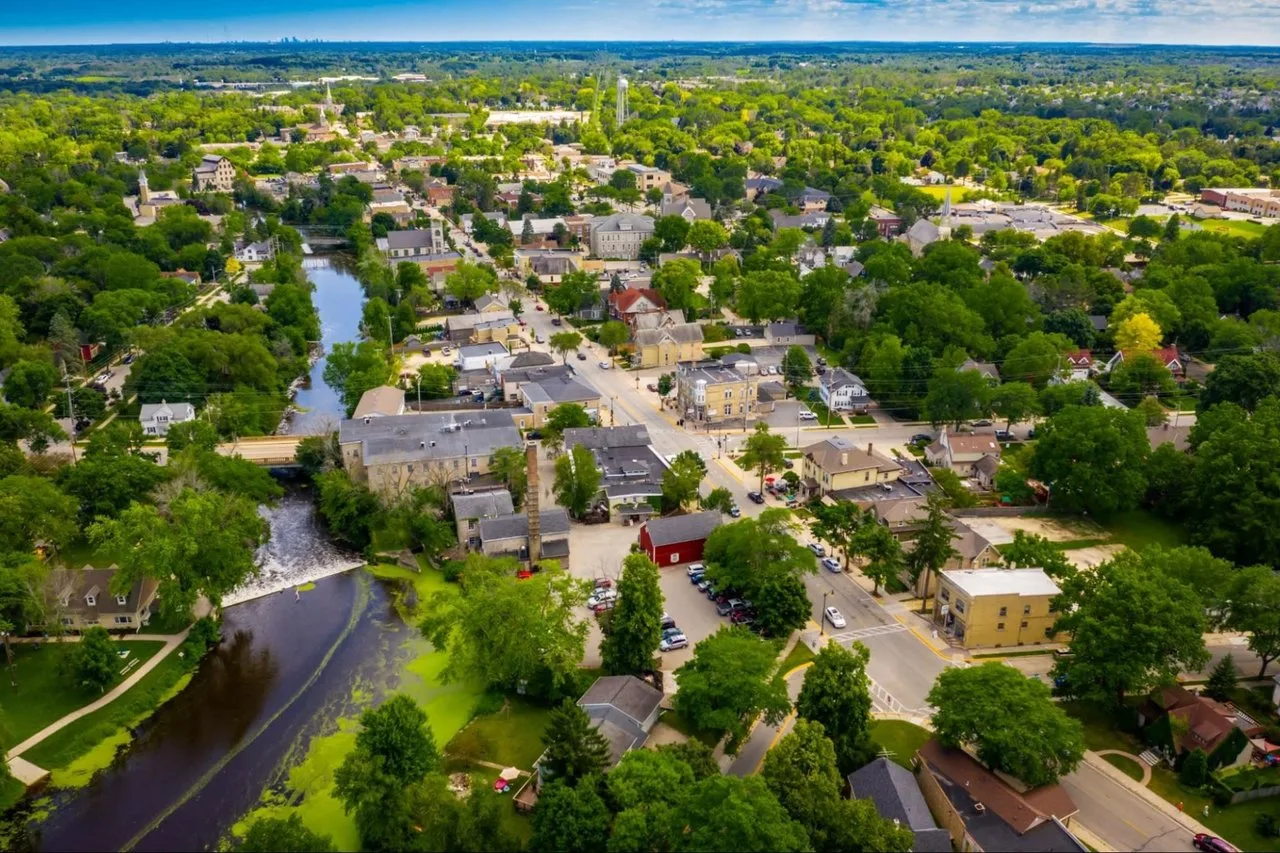
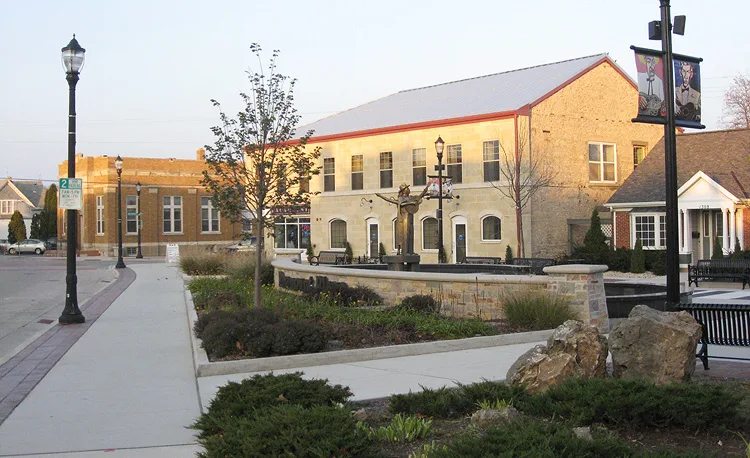
Our restoration services extend throughout Ozaukee County's diverse communities, each presenting unique challenges based on geography and housing characteristics.
Primary service areas include:
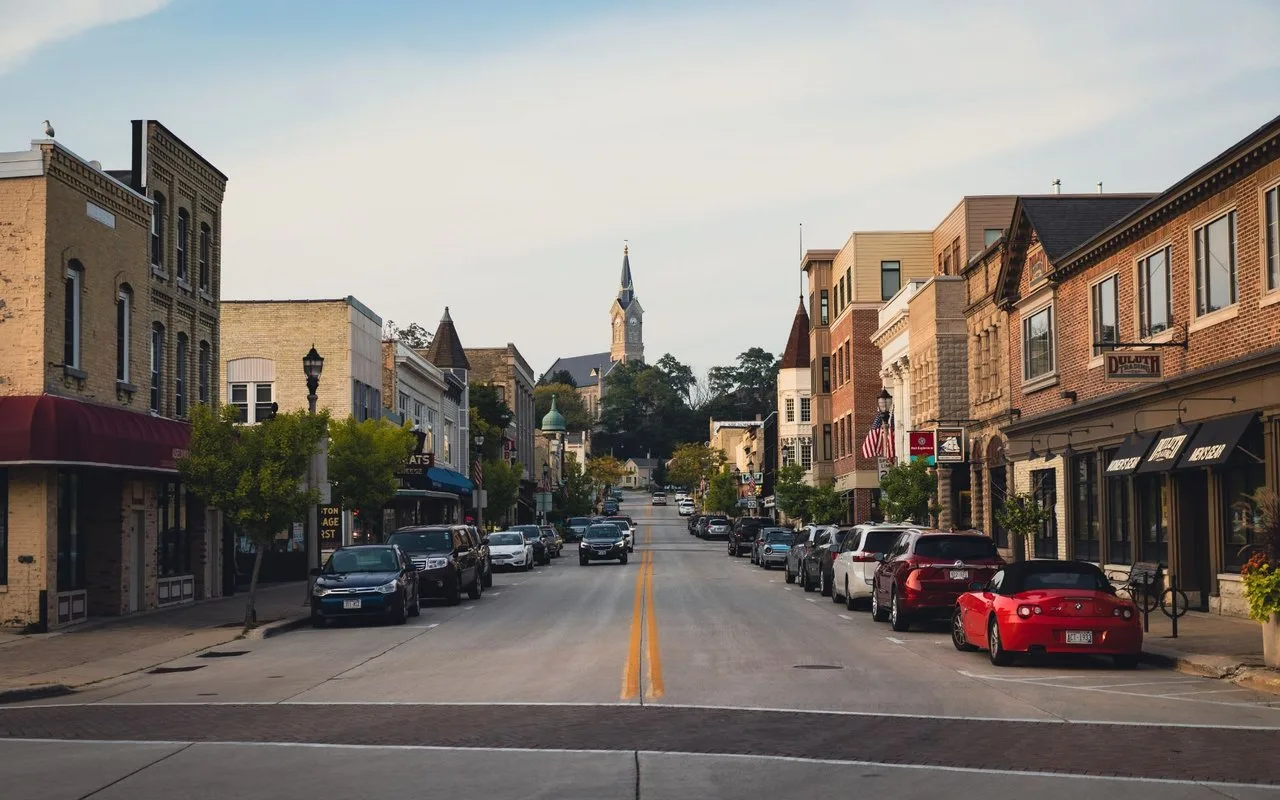
- Cedarburg - Historic downtown and surrounding residential areas
- Port Washington - Lakefront properties and inland neighborhoods
- Mequon - Suburban developments and rural properties
- Grafton - Mixed residential and commercial districts
- Thiensville - Established neighborhoods and new construction
- Fredonia - Rural homes and agricultural properties
- Belgium - Small-town residential and business areas
- Saukville - Riverfront and inland communities
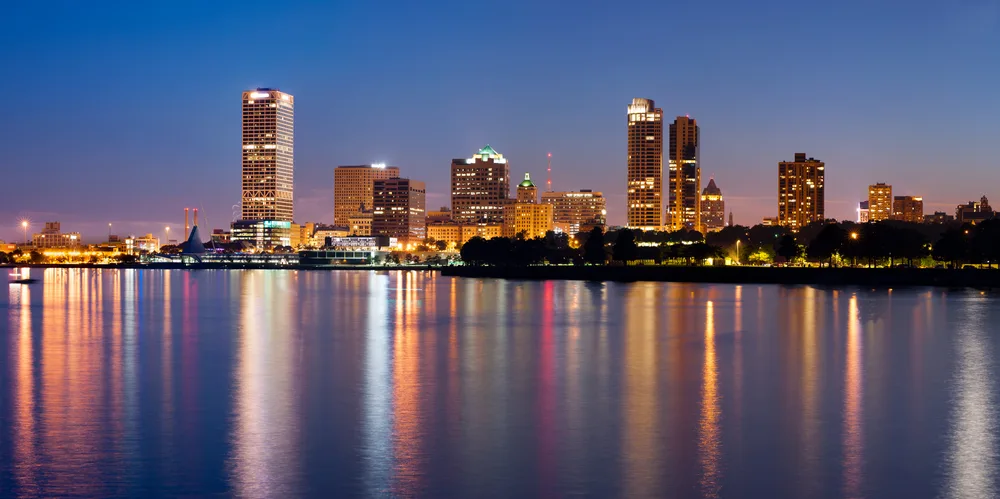
We also serve surrounding areas in Washington, Milwaukee, and Sheboygan counties. Our local presence means faster response times and intimate knowledge of regional construction styles, soil conditions, and weather patterns that affect restoration approaches. Whether addressing lakefront moisture issues in Port Washington or basement flooding in Cedarburg's lower elevations, our team adapts techniques to each location's specific needs.
Seasonal Damage Patterns in Ozaukee
Ozaukee County's seasonal damage patterns follow predictable cycles, allowing property owners to prepare for high-risk periods.
Winter (December-February):
- Frozen pipe bursts peak during January cold snaps
- Ice dam formation causes roof leaks and water damage
- Chimney fires increase with heavy fireplace usage
- Furnace malfunctions lead to smoke damage incidents
Spring (March-May):
- Rapid snowmelt overwhelms drainage systems
- Basement flooding spikes during March thaw periods
- Sump pump failures coincide with increased groundwater
- Mold growth accelerates in damp conditions
Summer (June-August):
- Severe thunderstorms cause wind and water damage
- High humidity promotes mold development
- Lightning strikes increase fire damage risk
- Sewage backups occur during heavy rainfall events
Fall (September-November):
- Heating system startups reveal smoke damage issues
- Leaf-clogged gutters cause water overflow problems
- Early freeze events catch unprepared plumbing systems
- Preparation period for winter damage prevention
Housing Characteristics & Restoration Considerations
Ozaukee County's housing stock reflects diverse architectural periods and construction methods, each requiring specialized restoration approaches.
Predominant housing characteristics:
- Historic homes (pre-1940) - Solid masonry construction with plaster walls and hardwood floors
- Post-war construction (1940s-1960s) - Frame construction with basement foundations
- Contemporary builds (1970s-present) - Modern materials and improved insulation
- Lakefront properties - Specialized moisture management systems
Restoration considerations by housing type:
- Older homes require careful moisture management to prevent structural damage to original materials
- Plaster walls need specialized drying techniques to avoid cracking and deterioration
- Hardwood floors demand precise moisture control during water damage restoration
- Basement foundations in clay soil require enhanced waterproofing approaches
- Modern construction benefits from advanced building materials but may trap moisture
Our restoration techniques adapt to each property's construction era and materials. Historic Cedarburg homes receive different treatment protocols than modern Mequon developments. We understand how original building materials react to moisture, fire, and smoke damage, ensuring restoration methods preserve structural integrity while meeting current safety standards. Clay soil throughout the county affects foundation drainage, requiring specialized approaches for basement water damage and mold prevention.
Environmental Conditions & Damage Implications
Ozaukee County's environmental conditions significantly influence damage restoration approaches and timelines. Lake Michigan's proximity creates a unique microclimate affecting moisture levels year-round.
Key environmental factors:
- Humidity levels - Lake influence maintains 60-80% relative humidity during summer months
- Clay soil composition - Poor drainage increases basement flooding risk
- Temperature fluctuations - 100+ degree annual range stresses building materials
- Precipitation patterns - 32 inches annual average with spring flooding potential
- Lake effect conditions - Enhanced moisture and snow accumulation
Environmental impacts on restoration services:
- Water damage restoration requires extended drying times due to high ambient humidity
- Mold removal demands aggressive moisture control in lake-influenced areas
- Flooded basement recovery complicated by clay soil water retention
- Fire damage restoration benefits from lower humidity during winter months
- Smoke damage restoration requires enhanced air filtration due to moisture retention
- Sewage cleanup faces challenges from saturated soil conditions
Our restoration protocols account for these environmental realities. Dehumidification systems run longer in lake-adjacent properties. Clay soil conditions require specialized basement drying techniques. We monitor atmospheric conditions continuously, adjusting equipment and timelines based on real-time environmental data. This scientific approach ensures complete moisture removal and prevents secondary damage that could occur from rushing the drying process in challenging conditions.
Lake Michigan Moisture Management and Restoration Challenges
Lake Michigan's influence on Ozaukee County creates unique restoration challenges that require specialized expertise and equipment. The lake's massive thermal mass moderates temperatures but significantly increases atmospheric moisture, affecting every aspect of damage restoration work.
Lake-specific restoration challenges include:
- Extended drying periods - High ambient humidity slows moisture evaporation rates
- Persistent condensation - Temperature differentials between lake air and building surfaces
- Accelerated mold growth - Consistent moisture provides ideal growing conditions
- Corrosion acceleration - Salt air affects metal components and HVAC systems
- Material degradation - Constant moisture exposure weakens building materials
Our specialized lake-region restoration protocols:
- Enhanced dehumidification systems - Industrial-grade equipment designed for high-moisture environments
- Psychrometric monitoring - Scientific measurement of air moisture content and drying progress
- Thermal imaging technology - Detection of hidden moisture migration patterns
- Antimicrobial treatments - Preventive applications to inhibit mold growth
- Specialized ventilation - Strategic air movement to combat lake humidity
- Extended monitoring periods - Longer observation to ensure complete drying
Properties within five miles of Lake Michigan receive customized treatment plans acknowledging the lake's impact. Water damage restoration projects require 20-30% longer drying times compared to inland properties. Fire and smoke damage restoration benefits from our understanding of how lake moisture interacts with soot and residue. Sewage cleanup demands enhanced sanitization protocols due to elevated humidity supporting bacterial growth. Our team's local experience with lake-influenced properties ensures effective restoration that prevents recurring problems common in coastal environments.