Damage Restoration in Portage County, WI
- Damage Restoration Services Overview
- Common Damage Restoration Issues in Portage County, Wisconsin
- Neighborhoods We Serve in Portage County
- Seasonal Damage Patterns in Portage County
- Housing Characteristics & Restoration Considerations
- Environmental Conditions & Damage Implications
- Insurance Claims and the First 48 Hours After Damage in Portage County
Damage Restoration Services Overview
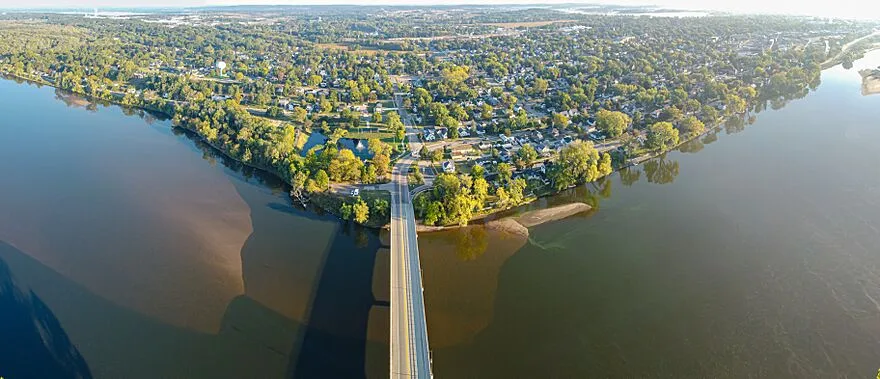
Portage County sits atop the Central Sands - a region where the groundwater table can rest just a few feet below the surface in some townships. That geological quirk means a basement in Plover or Hull can take on water even when the Wisconsin River never leaves its banks. Property damage here rarely announces itself in advance.
Restoration work in this county covers a connected set of emergencies, each requiring different equipment, drying science, and safety protocols:
- Water Damage Restoration - extraction, structural drying, and moisture mapping after supply line breaks, appliance failures, roof leaks, and storm intrusion.
- Flooded Basement Cleanup - pumping standing water, drying foundation walls and slabs, salvaging contents stored below grade.
- Sewage Cleanup - Category 3 contamination response, including removal of porous materials, antimicrobial treatment, and disinfection of affected surfaces.
- Fire Damage Restoration - emergency board-up, roof tarping, soot removal, structural cleaning, and coordination of rebuild work.
- Smoke Damage Restoration - odor neutralization, HVAC and duct decontamination, contents cleaning for items touched by smoke but spared by flame.
- Mold Removal - containment, air filtration, affected material removal, and correction of the moisture source feeding growth.
The benefit for Portage County homeowners and business operators is straightforward: fast containment limits secondary damage, protects indoor air quality, and keeps a manageable loss from becoming a gut renovation.
Common Damage Restoration Issues in Portage County, Wisconsin
Local geography and building stock create recurring patterns. Sandy, fast-draining soils behave unpredictably around foundations, and the county's mix of century-old farmhouses and newer subdivisions produces very different failure points.
Frequent Causes of Loss
- Frozen and burst supply lines in unheated crawl spaces, garages, and older uninsulated exterior walls
- Sump pump failure or power loss during spring melt and heavy summer downpours
- Municipal sewer backups and private septic surcharges in rural townships
- Ice dams pushing meltwater under shingles into attic insulation and ceilings
- Kitchen fires, wood stove and fireplace incidents, and space heater failures during long heating seasons
- Lightning strikes and grass or brush fires during dry late-summer stretches
- Hidden mold behind vinyl-wrapped basement walls and under carpet padding
Warning Signs Worth Acting On
- A musty smell that intensifies when the furnace or AC cycles on - often duct-borne mold spores.
- Efflorescence, chalky white staining, or bubbling paint on block foundation walls.
- Floor tile lifting or hardwood cupping without an obvious spill.
- Gurgling floor drains or slow basement fixtures, a common precursor to sewage backup.
- Yellow-brown ceiling rings that reappear after painting.
- Persistent smoke odor weeks after a small kitchen fire, indicating soot residue in porous surfaces.
Any of these justify a professional moisture reading or air sample before the problem spreads through framing and insulation.
Neighborhoods We Serve in Portage County
Coverage extends across the county's cities, villages, and rural townships, including:
- Stevens Point - downtown historic district, the Old Main and university area, and near-east side neighborhoods
- Plover - Village Park area, Springville, and newer residential developments near the Little Plover River
- Whiting and Park Ridge - established village neighborhoods bordering Stevens Point
- Amherst, Amherst Junction, and Nelsonville - eastern county villages with older housing stock
- Rosholt, Junction City, and Almond - outlying communities on private wells and septic systems
- Bancroft, Custer, Blaine, and Polonia - rural crossroads and farm properties
- Townships including Hull, Stockton, Linwood, Dewey, Sharon, Carson, Grant, and Buena Vista
Surrounding areas of Wood, Waupaca, Marathon, and Waushara counties fall within the same response region, which matters when a regional storm generates simultaneous calls.
Seasonal Damage Patterns in Portage County
Winter (December - February)
- Burst pipes during subzero cold snaps, especially in vacant or seasonal properties
- Ice dam leaks into attics, ceilings, and exterior wall cavities
- Peak fire and smoke damage season from heating equipment, chimneys, and holiday cooking
Spring (March - May)
- Snowmelt combined with saturated ground driving flooded basement calls
- Sump pump overload and sewer backups when melt coincides with rainfall
- First mold discoveries as homes warm and dormant growth reactivates
Summer (June - August)
- Severe thunderstorms, straight-line winds, hail, and wind-driven rain through roofs and windows
- Power outages disabling sump pumps and dehumidifiers
- High humidity accelerating mold in basements, crawl spaces, and closed cottages
- Lightning-related structure fires
Fall (September - November)
- Clogged gutters and downspouts redirecting water to foundations
- Furnace startup releasing dust, odors, and evidence of prior smoke residue
- Final window before freeze to correct grading and drainage issues
Housing Characteristics & Restoration Considerations
The county's housing mix spans well over a century of building practice, and each era responds differently to water, fire, and mold.
Pre-1940 Farmhouses and Historic Stevens Point Homes
- Stone or rubble foundations that wick moisture and resist conventional sealing
- Balloon framing that lets fire, smoke, and odor travel vertically between floors
- Plaster and lath that holds water far longer than drywall and requires patient, monitored drying
- Potential asbestos and lead-era materials demanding careful handling during demolition
Mid-Century Ranches and Split-Levels
- Poured or block basements often finished with paneling, carpet, and framed walls that trap moisture
- Original cast iron and clay sewer laterals prone to root intrusion and backup
- Undersized attic ventilation contributing to ice dams and condensation-driven mold
Newer Plover and Suburban Construction
- Tighter building envelopes that hold humidity and smoke odor without mechanical ventilation
- Engineered wood products, OSB, and laminate flooring that swell quickly and rarely dry successfully
- Finished lower-level living spaces where a modest water intrusion becomes a high-value contents loss
- PEX and copper manifold systems where a single fitting failure can release water for hours
Rural properties add another layer: private wells and septic fields mean sewage cleanup often involves surcharged drain fields rather than municipal main issues, and well contamination testing may be part of recovery.
Environmental Conditions & Damage Implications
Climate
Portage County experiences roughly 45 inches of annual snowfall, prolonged subzero stretches, and summer dew points that regularly push indoor humidity past the 60 percent threshold where mold thrives. That freeze-thaw-humidity cycle stresses foundations, roofs, and plumbing every single year.
Soil and Groundwater
- Central Sands soils drain rapidly but offer little resistance once the water table rises, allowing hydrostatic pressure against foundation walls
- Shallow water tables in parts of Plover, Buena Vista, and Almond raise the risk of chronic basement seepage
- Heavy irrigation across agricultural areas influences local groundwater levels seasonally
- Sandy backfill around foundations funnels roof runoff straight down to footings when gutters discharge too close to the house
Water Quality
Nitrate and bacterial concerns in private wells across the county mean any sewage or flood event near a wellhead deserves testing before the water is considered safe. Iron and mineral content also affects staining on textiles and surfaces during water damage cleanup.
Air Quality
- Agricultural dust and pollen loads increase filtration demands after fire or smoke events
- Regional wildfire smoke drift in recent summers has raised awareness of particulate infiltration
- Tight winter sealing concentrates smoke odor, VOCs, and mold spores indoors
Drying plans, containment design, and air scrubbing all get adjusted to these conditions rather than applied from a generic template.
Insurance Claims and the First 48 Hours After Damage in Portage County
What happens in the first two days shapes the entire outcome of a claim. Documentation, moisture control, and clear communication with your carrier carry as much weight as the equipment on the floor.
Immediate Steps for Homeowners
- Address safety first - shut off electricity to affected areas, avoid contact with sewage-contaminated water, and leave a fire-damaged structure until it is cleared.
- Stop the source if it is safe to do so: main water shutoff, sump pump backup power, or a tarped roof opening.
- Photograph and video everything before moving items, including serial numbers on damaged appliances and electronics.
- Contact a restoration provider for emergency mitigation - most policies require reasonable steps to prevent further damage.
- Notify your insurance carrier and record the claim number, adjuster name, and contact information.
- Keep damaged materials available for inspection when practical, and save receipts for any out-of-pocket expenses.
What Adjusters Typically Want to See
- Moisture readings and drying logs documenting daily progress
- Photo records of pre-existing conditions versus new damage
- Category and class designation for water losses, which affects what can be dried versus removed
- Air sampling or surface testing results supporting mold remediation scope
- Itemized contents inventory for smoke and fire claims
Coverage Nuances Common in This Region
- Sewer and drain backup coverage is frequently a separate endorsement, not part of a standard policy - worth confirming before spring melt.
- Surface flooding from overland water generally falls outside standard homeowner policies.
- Mold coverage is often capped, which makes fast moisture control a financial decision as much as a health one.
- Rural properties with detached outbuildings may carry different limits for barns, garages, and stored equipment.
Working with a restoration team that communicates directly with adjusters, uses recognized estimating software, and follows IICRC standards reduces friction and keeps the recovery moving.