
Damage Restoration in Lake Hallie, WI
- Damage Restoration Services Overview
- Common Damage Restoration Issues in Lake Hallie, Wisconsin
- Neighborhoods We Serve in Lake Hallie
- Seasonal Damage Patterns in Lake Hallie
- Housing Characteristics & Restoration Considerations
- Environmental Conditions & Damage Implications
- Sump Pumps, Drain Tile, and Preventing the Next Flooded Basement
Damage Restoration Services Overview
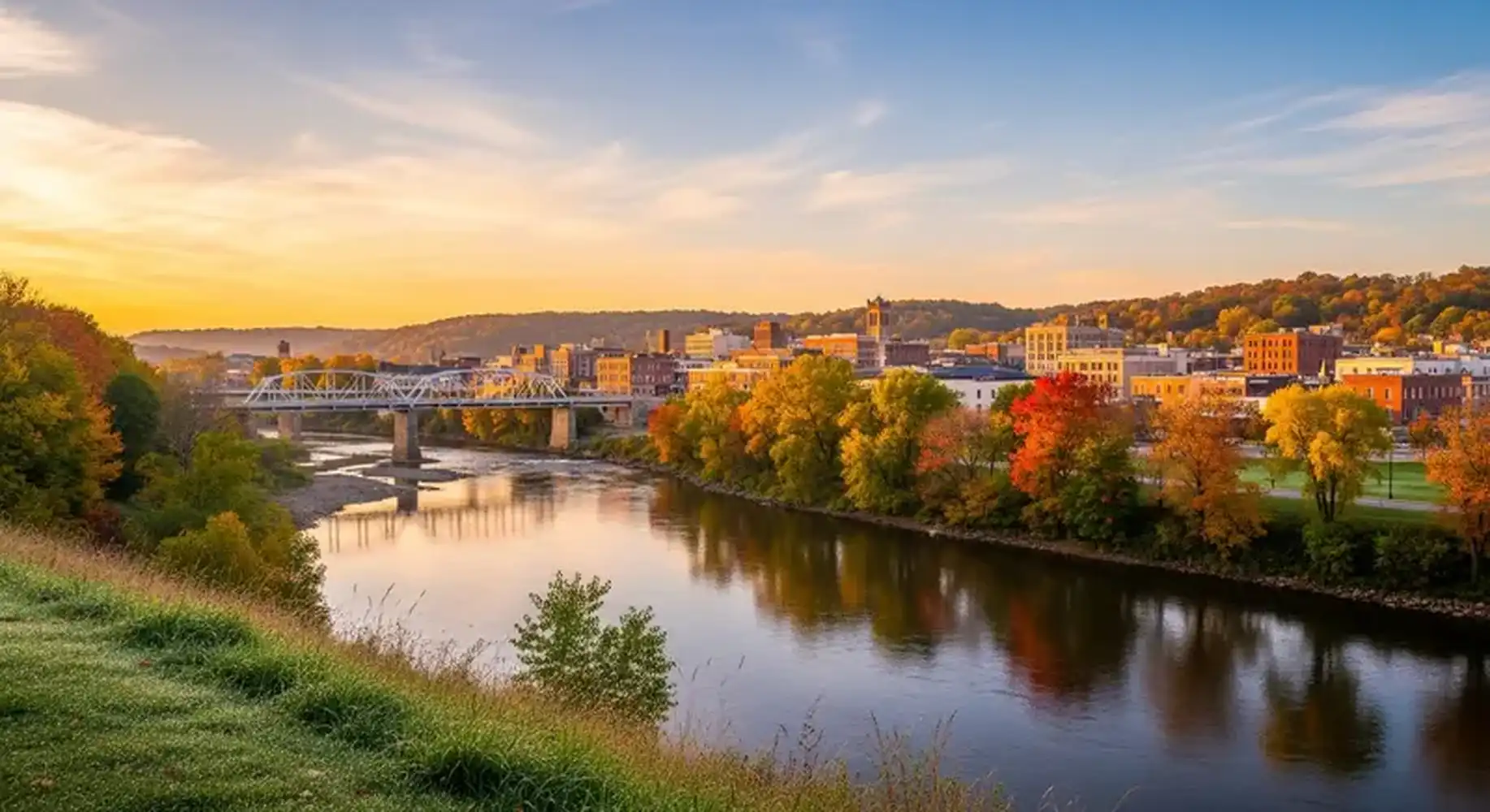
Lake Hallie sits between the Chippewa River corridor and the low, wet ground that gives the village its name - a setting that produces a very particular mix of restoration calls. High water tables, spring snowmelt, and freeze-thaw cycles put pressure on basements here in ways that drier parts of Wisconsin never see.
Property owners in Lake Hallie rely on a full range of emergency and reconstruction services:
- Water Damage Restoration - burst supply lines, failed water heaters, appliance hoses, ice dam leaks, and roof intrusion after wind events
- Flooded Basement Cleanup - sump pump failures, hydrostatic seepage through block walls, window well overflow
- Sewage Cleanup - backed-up floor drains, lateral line blockages, septic surcharge on rural parcels
- Fire Damage Restoration - structural stabilization, debris removal, contents pack-out, and rebuild coordination
- Smoke Damage Restoration - soot removal, thermal fogging, HVAC decontamination, odor neutralization
- Mold Removal - containment, HEPA filtration, affected material removal, and moisture source correction
Fast response matters most in the first hours. Standing water migrates into wall cavities and subfloor within a day, and microbial growth can follow shortly after. Handling extraction, drying, cleaning, and rebuild under one coordinated plan keeps timelines shorter and documentation cleaner for insurance purposes.
Common Damage Restoration Issues in Lake Hallie, Wisconsin
West-central Wisconsin weather drives most of the emergency calls in and around Lake Hallie. Storms roll in off the plains during summer, while winter brings deep frost and heavy roof loads.
Frequent Causes of Loss
- Sump pump burnout during extended spring rain or rapid snowmelt
- Frozen and split pipes in crawl spaces, garages, and unheated additions
- Ice dams that force meltwater under shingles and into ceilings
- Hail and straight-line wind damage to roofing, followed by interior water intrusion
- Sanitary sewer backups when heavy inflow overwhelms municipal lines
- Kitchen and chimney fires, plus space heater incidents during cold snaps
- Hidden mold behind finished basement paneling and under carpet pad
Warning Signs Worth Acting On
- A musty smell in the lower level that intensifies after rainfall
- Efflorescence - white chalky residue - on block foundation walls
- Baseboards that feel soft, or flooring that cups and lifts at seams
- Staining on ceiling drywall near exterior walls after a thaw
- Persistent smoke odor that returns when humidity rises, indicating soot still embedded in porous materials
- Gurgling floor drains or slow fixtures throughout the house at once
Small signs rarely stay small in this climate. Moisture that would evaporate in a dry region tends to linger in tightly built Wisconsin homes, so early inspection with moisture meters and thermal imaging often prevents a much larger loss.
Neighborhoods We Serve in Lake Hallie
Crews cover the entire village and the developments that fan out from Highway 53 and County Road OO, including residential streets near Lake Hallie itself, the Seymour Road corridor, and the newer subdivisions along the Chippewa Falls border.
- Immediate area: Lake Hallie, Chippewa Falls, Eau Claire, Altoona, Tilden
- Chippewa County: Jim Falls, Cornell, Bloomer, Cadott, Boyd, Stanley
- Surrounding counties: Elk Mound, Dunn County, Clark County, Barron County, Pepin County
- Extended Wisconsin coverage: La Crosse, Wausau, Milwaukee Metro
- Regional Midwest response: Chicago Metro and Springfield, IL, plus South Bend, IN
Mobile home parks, lakeside cottages, farmsteads on private septic, and commercial properties along the retail corridor each present different access and drying challenges. Not sure whether your address falls inside the service map? Call (800) 792-0212 and coverage gets confirmed immediately.
Seasonal Damage Patterns in Lake Hallie
- March through May - peak basement season. Snowmelt combines with spring rain, saturating soil around foundations. Sump pumps run continuously, seepage appears at cove joints, and sewer backups spike when groundwater infiltrates municipal lines.
- June through August - storm and humidity season. Hail, straight-line winds, and downed limbs open roofs to water intrusion. Dew points climb, and mold growth accelerates in basements and crawl spaces that never fully dried out from spring.
- September through November - transition risks. Heating systems restart, producing the season's first furnace puff-backs and smoke damage. Falling leaves clog gutters and window wells, redirecting water toward foundations.
- December through February - freeze losses and fire risk. Pipe freezes in unheated spaces cause sudden, high-volume flooding. Ice dams push water under shingles. Wood stoves, fireplaces, and portable heaters raise structure fire and smoke damage frequency.
Each season calls for different equipment - desiccant dehumidification in cold months, high-capacity air movers and negative air machines in humid stretches, and thermal deodorization after heating-season fires.
Housing Characteristics & Restoration Considerations
Lake Hallie's housing stock spans several eras, and the construction type dictates how a loss is handled.
Common Building Types
- Mid-century ranches (1950s-1970s): concrete block foundations, finished basements added later, original cast iron drain lines prone to blockage and backup
- 1980s-2000s two-story and split-level homes: poured foundations, wood-frame construction, carpeted lower levels that trap moisture in pad and subfloor
- Recent subdivision builds: tighter envelopes and mechanical ventilation, which limit air exchange and let humidity and smoke odor concentrate
- Manufactured and mobile homes: shallow underbellies, vulnerable skirting, and insulation that holds water once saturated
- Rural farmhouses and cottages: stone or rubble foundations, knob-and-tube remnants, and private septic systems
How Construction Affects the Work
- Block foundations wick moisture laterally, so drying often requires wall cavity ventilation rather than surface air movement alone
- Older plaster holds soot differently than drywall and needs gentler cleaning methods after a fire
- Blown-in and batt insulation in finished basements usually must be removed once contaminated by sewage or prolonged saturation
- Homes with vermiculite, asbestos tile, or lead paint require testing before demolition begins
- Sealed modern envelopes concentrate smoke odor in HVAC ductwork, making full system cleaning part of the scope
Documenting these details up front helps adjusters understand why certain materials must be removed instead of dried in place.
Environmental Conditions & Damage Implications
The land around Lake Hallie was shaped by glacial outwash, leaving sandy and gravelly soils in some areas and dense clay pockets in others. That inconsistency explains why one street drains freely while the next holds water against foundation walls.
Local Conditions That Shape Restoration
- High water table: proximity to the Chippewa River and wetland areas keeps groundwater close to basement floor level, increasing hydrostatic pressure and seepage
- Clay-heavy pockets: slow percolation directs runoff toward footings instead of away from them
- Deep frost line: frost heave stresses foundation joints and buried utility lines through winter
- Summer humidity: dew points regularly support mold growth on cellulose materials without any active leak present
- Hard well water in rural areas: mineral scale shortens the life of supply lines and water heaters
- Seasonal wildfire smoke drift and agricultural dust: both load HVAC filters and complicate post-fire air quality testing
Practical Effects
- Drying plans must account for outdoor humidity - open windows often make conditions worse from June through August
- Sewage cleanup near shallow groundwater requires careful containment to avoid contaminating well systems
- Mold remediation includes correcting the moisture source, whether that is grading, downspout discharge, or a failed drain tile
- Post-fire cleaning uses HEPA filtration to capture fine soot particles that ordinary vacuums recirculate
Sump Pumps, Drain Tile, and Preventing the Next Flooded Basement
More basement losses in Lake Hallie trace back to a single failed pump than to any other cause. When spring runoff peaks or a summer downpour drops several inches in an hour, a pump that cannot keep up leaves inches of water across a finished lower level within a couple of hours.
Steps Homeowners Can Take Before Trouble Starts
- Test the pump by pouring water into the pit until the float triggers - do this each spring and again in late summer.
- Clear the discharge line where it exits the house, and verify it terminates well away from the foundation, not next to it.
- Add a battery backup or water-powered secondary pump, since power outages and storms tend to arrive together.
- Extend downspouts a minimum of several feet from the wall and re-grade any soil that has settled toward the house.
- Install a backwater valve if the property has a history of sewer backups through the floor drain.
- Keep stored belongings off the floor on shelving or pallets in any below-grade space.
What Happens When Water Does Get In
- Assessment and safety check - power isolation, contamination category determination, and moisture mapping
- Extraction - truck-mounted or portable units pull standing water, including from carpet pad and under-slab cavities where possible
- Controlled demolition - saturated drywall, insulation, and unsalvageable flooring come out, especially when sewage is involved
- Sanitizing - antimicrobial application on all affected surfaces after category two or three losses
- Structural drying - air movers and dehumidifiers run with daily moisture readings logged for the insurance file
- Reconstruction - drywall, trim, paint, and flooring restored to pre-loss condition
The same crews handle fire and smoke jobs, so if a furnace failure causes both a puff-back and a water release, one team manages soot cleaning, odor control, and drying together instead of juggling separate contractors.





