
Damage Restoration in Beaver Dam, WI
- Damage Restoration Services Overview
- Common Damage Restoration Issues in Beaver Dam, Wisconsin
- Neighborhoods We Serve in Beaver Dam
- Seasonal Damage Patterns in Beaver Dam
- Housing Characteristics & Restoration Considerations
- Environmental Conditions & Damage Implications
- Emergency Response and the First 48 Hours in Beaver Dam
Damage Restoration Services Overview
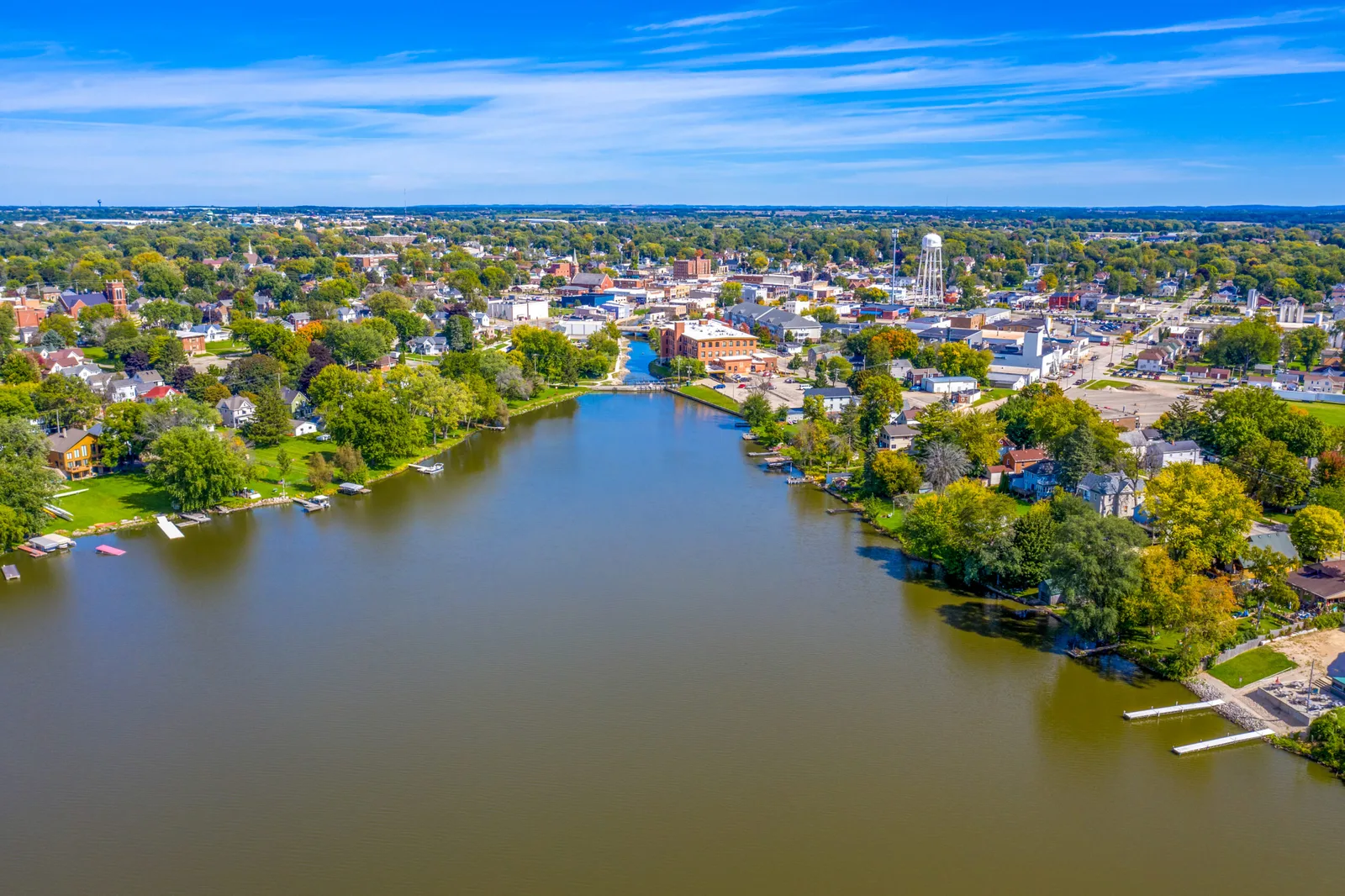
You come home from a weekend at Horicon Marsh, open the basement door, and hear water running where no water should be. Or you smell smoke long after a kitchen fire was put out. These moments happen fast in Beaver Dam, and what you do in the first hours shapes the repair bill and whether your family can stay in the house.
Restoration work covers a connected set of problems that often arrive together:
- Water Damage Restoration - extraction, structural drying, and moisture mapping after burst pipes, appliance failures, and roof leaks
- Flooded Basement - pump-out, sump and drain tile evaluation, and drying of block and poured foundation walls
- Sewage Cleanup - containment and disinfection after backups from floor drains, laterals, and lift station surcharges
- Fire Damage Restoration - board-up, debris removal, structural cleaning, and content triage
- Smoke Damage Restoration - soot removal, thermal fogging, and odor treatment in areas the flames never touched
- Mold Removal - containment, HEPA filtration, and removal of colonized materials
The benefit of handling these under one roof is sequencing. Water pulled out quickly means fewer mold calls later. Smoke neutralized properly means the odor does not return in July humidity. For Beaver Dam homeowners, that coordination protects both the building and the documentation your insurer will ask for.
Common Damage Restoration Issues in Beaver Dam, Wisconsin
Dodge County sits in a landscape shaped by water. The Beaver Dam River, Beaver Dam Lake, and the wetland systems feeding Horicon Marsh keep groundwater tables high across much of the city, and that single fact drives a large share of local restoration calls.
Water and Basement Problems
- Hydrostatic pressure pushing moisture through block foundation walls during spring melt
- Sump pump failure during multi-day rain events or power outages
- Frozen and split supply lines in unheated crawl spaces and older additions
- Failed water heaters and washing machine hoses in finished lower levels
- Beaver activity on tributaries and drainage ditches raising local water levels and backing up culverts near rural properties
Sewage and Sanitation
- Floor drain backups when combined stormwater overwhelms aging laterals
- Root intrusion in clay sewer pipe common under mature tree canopy
- Septic surcharge on properties outside city sewer service
Fire, Smoke, and Mold
- Heating equipment and wood stove fires during long Wisconsin winters
- Puff-back soot from oil and older forced-air furnaces coating walls and fabrics
- Smoke odor trapped in balloon-framed wall cavities of pre-1940 homes
- Mold behind paneling, under carpet pad, and in cold-side insulation after any unaddressed leak
Warning signs worth acting on: musty smells that strengthen when the furnace runs, tide lines on drywall, cupping hardwood, rusty streaks at the base of foundation walls, and soot shadows around registers.
Neighborhoods We Serve in Beaver Dam
Response covers the full city and the surrounding Dodge County communities that share the same watershed and weather patterns.
- Downtown and the Front Street corridor - older mixed-use buildings with shared walls and basement storage
- Swan City Park and Tahoe Park areas - established single-family homes near the river
- Lakeside neighborhoods along Beaver Dam Lake - seasonal and year-round properties with elevated groundwater
- North Spring Street and University Avenue corridors - a mix of mid-century and newer construction
- South Side and Industrial Park vicinity - residential and light commercial structures
- Trenton and Beaver Dam Township - rural properties on wells and septic systems
Service also extends to Juneau, Horicon, Mayville, Fox Lake, Randolph, Waupun, Hustisford, Lowell, Reeseville, Burnett, Columbus, and the farmsteads between them.
Seasonal Damage Patterns in Beaver Dam
- January - February: Frozen and burst pipes peak during deep cold snaps. Ice damming on north-facing roofs sends water into ceilings and exterior walls. Heating-related fire calls climb.
- March - April: Snowmelt combined with still-frozen ground overwhelms sump systems. Flooded basement calls and sewer backups cluster here, followed weeks later by mold discovered behind finished walls.
- May - June: Thunderstorm season brings wind-driven rain, roof leaks, and lightning-related fires. Saturated soils keep hydrostatic pressure high.
- July - August: High dew points feed mold growth in basements and crawl spaces even without a leak. Air conditioning condensate line failures cause slow, hidden water damage.
- September - October: Heavy fall rains test gutters and grading. First furnace cycles reveal puff-back soot and smoke odor issues.
- November - December: Cooking and holiday decoration fires increase. Vacant seasonal lake properties are vulnerable to undetected pipe failures.
Housing Characteristics & Restoration Considerations
Beaver Dam's housing stock spans more than a century, and each era carries its own restoration challenges.
Pre-1940 Homes
- Limestone and rubble foundations that wick moisture and resist conventional sealing
- Plaster over wood lath, which holds water far longer than drywall and requires slower, monitored drying
- Balloon framing that lets smoke and odor travel from basement to attic through open wall cavities
- Possible asbestos and lead-containing materials requiring careful handling during fire and water demolition
Post-War and Mid-Century Homes
- Concrete block basements finished with wood paneling and carpet - a frequent mold discovery zone
- Original galvanized supply lines prone to pinhole leaks
- Clay sewer laterals susceptible to root intrusion and sewage backups
Modern Construction
- Tighter building envelopes that trap moisture and concentrate smoke odor
- Engineered wood subfloors and I-joists that lose strength when saturated
- Finished lower-level living space, which raises the stakes on any basement water event
Practical implication: drying plans differ by structure. A plaster-and-stone house near downtown needs different equipment placement, dwell time, and moisture targets than a 2005 build on the north side. Documenting material moisture content daily protects both the home and the claim.
Environmental Conditions & Damage Implications
Local ground and climate conditions explain why some problems repeat year after year.
- Soils: Glacial till with clay-rich subsoil across much of Dodge County drains slowly, holding water against foundation walls long after rain stops.
- Groundwater: Proximity to Beaver Dam Lake, the Beaver Dam River, and marsh systems keeps water tables shallow in many neighborhoods, increasing seepage and sump run times.
- Humidity: Summer dew points regularly support mold growth on cool basement surfaces without any plumbing failure at all.
- Freeze-thaw cycling: Repeated expansion opens foundation cracks and mortar joints, creating new entry points each spring.
- Agricultural surroundings: Field runoff can carry sediment and biological contaminants into flooded basements, raising the cleanup category.
- Well and septic properties: Rural homes need water testing after flooding and careful containment during sewage cleanup to protect drinking supplies.
These conditions also shape indoor air quality after fire. Soot particles bond aggressively to cold surfaces, so winter smoke damage spreads farther through a house than the same fire would in August. Effective restoration accounts for temperature, humidity, and airflow rather than applying a single fixed method.
Emergency Response and the First 48 Hours in Beaver Dam
Speed is the single biggest variable in restoration outcomes. Clean water becomes contaminated within roughly a day. Mold colonies establish quickly on wet cellulose. Soot turns acidic and etches metal, glass, and finishes if left in place. Waiting turns a drying job into a rebuild.
What Happens on Arrival
- Safety assessment - electrical hazards, structural stability, and contamination category are evaluated before anyone works in the space.
- Source control - shutting off supply lines, tarping roofs, boarding openings, or stopping the intrusion at its origin.
- Extraction and removal - standing water pumped out, saturated carpet pad and unsalvageable materials removed, sewage-affected porous items discarded under containment.
- Moisture mapping - thermal imaging and meters locate hidden water in wall cavities, under cabinets, and beneath flooring.
- Drying and filtration - air movers, dehumidifiers, and HEPA scrubbers set to the structure's material profile.
- Cleaning and treatment - antimicrobial application, soot removal, and odor neutralization appropriate to the affected surfaces.
- Daily monitoring - readings logged until materials reach dry standard, then reconstruction planning begins.
What Homeowners Can Do Before Help Arrives
- Shut off water at the main valve if a supply line failed
- Stay out of standing water in basements until power is confirmed off
- Never walk through sewage without protective equipment
- Photograph everything for the insurance claim
- Move undamaged contents and documents to a dry upper level
- Leave soot alone - wiping it grinds particles into finishes
Because Beaver Dam storms often hit the entire county at once, having a local crew already familiar with area drainage, sewer behavior, and housing types shortens the gap between the call and the first dehumidifier running.





