
Damage Restoration in Mayville, WI
- Damage Restoration Services Overview
- Common Damage Restoration Issues in Mayville, Wisconsin
- Neighborhoods We Serve in Mayville
- Seasonal Damage Patterns in Mayville
- Seasonal Damage Patterns in Mayville
- Housing Characteristics & Restoration Considerations
- Environmental Conditions & Damage Implications
- Storm and Tornado Recovery: What Comes After the Debris Is Cleared
Damage Restoration Services Overview
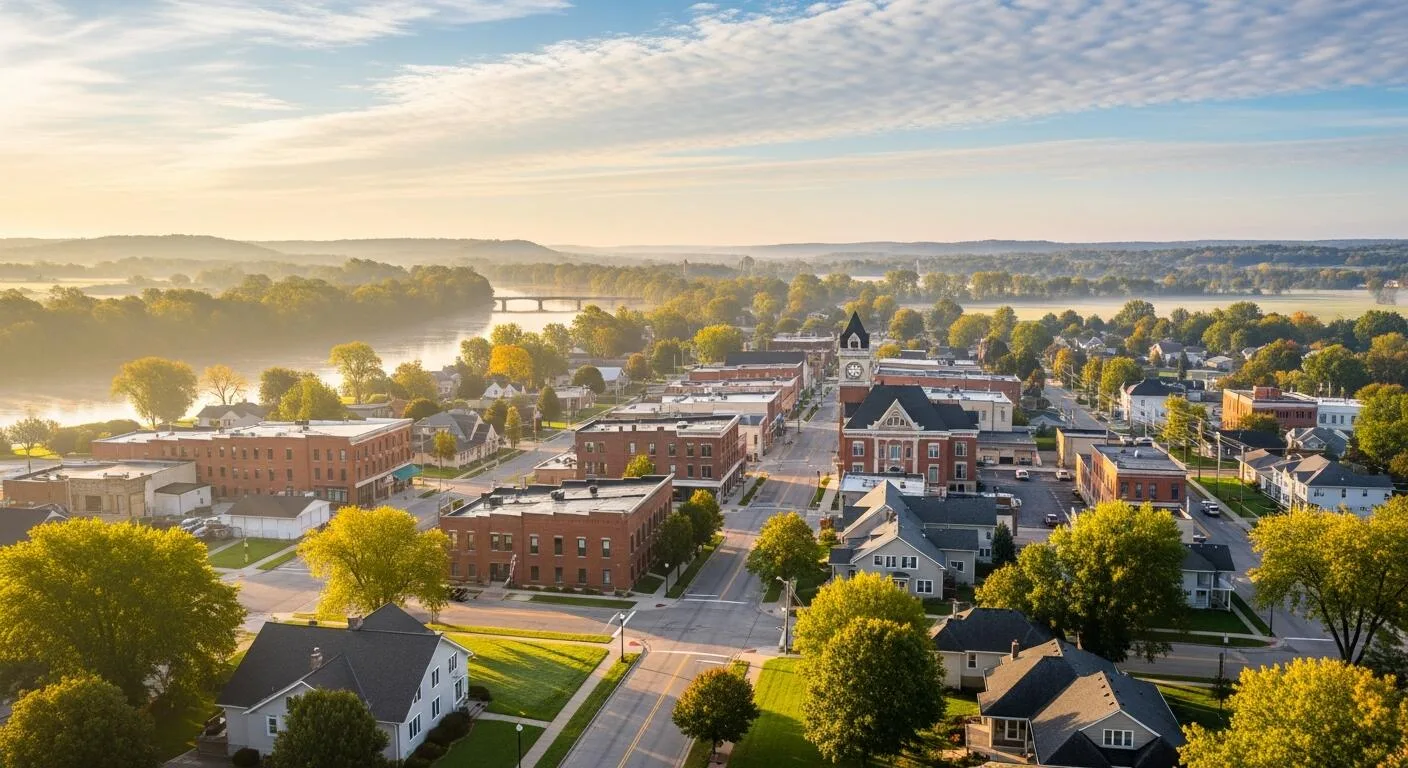
When a tornado tore through Mayville on a Thursday night, students who had been given the day off school spent Friday clearing debris from driveways, parks, and neighbors' yards - a reminder that in a city of roughly 5,000 along the Rock River, recovery is a community effort. Restoration crews worked alongside residents to clear collapsed garages and torn-open building walls, but the visible debris is only the first layer of damage a storm leaves behind.
Properties across Mayville and Dodge County need a full range of restoration work, including:
- Water Damage Restoration - extraction, structural drying, and moisture mapping after storms, roof breaches, and supply line failures
- Flooded Basement - pump-out and drying for the deep, older basements common throughout Mayville's historic neighborhoods
- Sewage Cleanup - safe removal and disinfection after backups from municipal lines or failed floor drains
- Fire Damage Restoration - board-up, debris removal, structural cleaning, and rebuild coordination
- Smoke Damage Restoration - soot removal, odor neutralization, and treatment of contents in rooms far from the fire itself
- Mold Removal - containment, remediation, and drying of the source that allowed growth to start
Handled together, these services shorten displacement, protect building materials that are hard to replace in century-old homes, and keep a small problem from turning into a gutted interior.
Common Damage Restoration Issues in Mayville, Wisconsin
Mayville sits on the Rock River just downstream of Horicon Marsh, one of the largest freshwater cattail marshes in the country. That geography, combined with Wisconsin's freeze-thaw swings, drives most local damage calls.
Local Causes We See Repeatedly
- Severe storms and tornadoes - wind-torn roofs and missing wall sections let rain into attics and upper floors within minutes
- Rock River and marsh-influenced groundwater - high water tables push moisture through basement walls and floor slabs
- Downed power lines and outages - when sump pumps lose power during the exact storm that floods a basement, water rises fast
- Frozen and burst pipes - unheated crawl spaces, porch walls, and vacant rental units are frequent failure points
- Sanitary sewer surcharge - heavy rain overwhelms older laterals, sending contaminated water up through floor drains and laundry tubs
- Heating equipment and wood stove fires - a common winter ignition source in older rural and in-town homes
Warning Signs Worth Acting On
- Musty odor in the basement that gets stronger after rainfall
- Efflorescence, chalky white powder, or flaking paint on limestone or block foundation walls
- Staining on ceilings after a wind event, even if the roof looks intact from the ground
- Sump pump cycling far more often than it did last season
- Soot film on window glass, lampshades, or the tops of door casings after a small kitchen or furnace fire
- Warped baseboards, cupped hardwood, or drywall that feels cool and soft to the touch
Neighborhoods We Serve in Mayville
Coverage extends across Mayville proper and the surrounding Dodge County communities that share the same weather systems and river corridor.
- Downtown Mayville and the Main Street corridor - older mixed-use storefronts with apartments above and shared party walls
- Historic districts near the Rock River - limestone and brick homes dating to the iron-works era
- North and east side residential streets - mid-century ranches and split-levels with block foundations
- Industrial and commercial areas - manufacturing buildings along the rail and highway corridors
- Rural properties along County highways - farmsteads, outbuildings, and homes on private well and septic
Nearby service areas include Kekoskee, Horicon, Theresa, Iron Ridge, Lomira, Brownsville, Hustisford, Juneau, Clyman, Neosho, Knowles, and the townships bordering Horicon Marsh.
Seasonal Damage Patterns in Mayville
Seasonal Damage Patterns in Mayville
Each season brings a distinct mix of restoration work in Dodge County.
- March through May - snowmelt combines with spring rain, saturating clay soils and marsh-adjacent ground. Flooded basements, seepage through foundation cracks, and sewer backups peak.
- June through August - severe thunderstorms, straight-line winds, hail, and tornado activity. Roof breaches lead to fast water intrusion, and humidity above 60 percent lets mold colonize wet drywall in days.
- September through October - lingering warm humidity keeps mold active while heating systems fire up for the first time, producing puff-back soot and early furnace-related smoke damage.
- November through December - space heaters, fireplaces, and holiday cooking drive fire and smoke damage calls upward.
- January through February - deep freezes burst supply lines in exterior walls and crawl spaces; ice dams push meltwater under shingles and into upper-floor ceilings.
Year-round, any power outage that stops a sump pump can flood a basement regardless of the calendar - which is why standby power and battery backup matter in this part of Wisconsin.
Housing Characteristics & Restoration Considerations
Mayville's building stock spans more than 150 years, and construction era shapes nearly every restoration decision.
Common Construction Types
- Pre-1900 limestone and cream brick homes - porous masonry and rubble foundations wick moisture and require slower, gentler drying to avoid spalling
- Balloon-framed Victorians - open wall cavities run floor to attic, letting smoke, soot, and fire travel vertically with no stops
- Early 1900s farmhouses - lath and plaster walls hold water far longer than drywall and often conceal knob-and-tube wiring
- Post-war ranches and 1970s split-levels - concrete block basements prone to lateral seepage at the cove joint
- Newer subdivisions and manufactured homes - tighter envelopes that trap humidity when drying is incomplete
How Age Affects the Work
- Homes built before 1980 may contain asbestos in floor tile, pipe wrap, or textured ceilings, and lead paint on trim - both require testing before demolition
- Old cast iron and clay sewer laterals crack and root-intrude, raising sewage backup risk
- Finished basements added decades ago often used untreated framing and paper-faced drywall directly against masonry, a reliable mold generator
- Original woodwork, floors, and plaster are frequently worth salvaging through controlled drying rather than replacing
- Multi-unit downtown buildings need containment so smoke odor and moisture do not migrate to neighboring tenants
Environmental Conditions & Damage Implications
Mayville's environment is defined by water - the Rock River running through town and the vast Horicon Marsh wetland just upstream.
Climate
- Humid continental pattern with hot, muggy summers and long subfreezing winters
- Roughly 33 to 35 inches of annual precipitation plus significant snowfall
- Summer dew points frequently in the 60s, which slows evaporative drying and accelerates mold growth
- Repeated freeze-thaw cycles that open mortar joints and foundation cracks each spring
Soil and Groundwater
- Glacial till with heavy clay content that drains slowly and holds water against foundations
- Elevated water tables near the river and marsh, increasing hydrostatic pressure on basement walls
- Shallow dolomite bedrock in parts of Dodge County, which limits infiltration and pushes runoff sideways
- Iron-rich groundwater that leaves orange staining and can foul sump pumps and drain tile
Air and Water Quality Effects
- Rural properties on private wells face contamination risk when floodwater reaches the wellhead - testing after sewage or flood events is standard practice
- Agricultural runoff can add bacteria and nutrients to floodwater entering low-lying basements
- Smoke odor lingers longer in tightly sealed winter homes with limited ventilation
- Marsh-adjacent humidity means dehumidification often has to run longer here than in drier parts of the state
Storm and Tornado Recovery: What Comes After the Debris Is Cleared
After the tornado that collapsed garages and stripped walls from buildings including Gleason Reel, Mayville residents moved quickly - neighbors, students, and restoration crews clearing debris from homes, driveways, and parks while Alliant Energy worked around the clock to bring the last section of town back online. Clearing debris is visible progress. The damage inside the structure usually is not.
What Wind Damage Leaves Behind
- Rain driven through a compromised roof soaks attic insulation, which then sags into ceilings for days afterward
- Blown-in moisture travels down wall cavities and pools at the sill plate, out of sight
- Extended outages shut down sump pumps, refrigeration, and dehumidifiers at the worst possible moment
- Downed trees fracture sewer laterals and buried drain tile through root heave
- Broken windows and missing siding admit rain with every subsequent storm until board-up is complete
A Practical Order of Operations
- Make the site safe - stay clear of downed lines, unstable garages, and leaning trees until utilities confirm the area is de-energized
- Document everything - photograph exterior damage, interior water lines, and damaged contents before anything is moved
- Stabilize the envelope - tarping, board-up, and temporary shoring stop ongoing intrusion
- Remove water and unsalvageable materials - wet insulation, saturated carpet pad, and contaminated drywall come out first
- Dry with equipment, then verify - air movers and dehumidifiers run until moisture meter readings match dry standards, not until surfaces feel dry
- Address mold, soot, and odor - containment and remediation where growth has started, and full source removal where smoke is involved
- Rebuild - drywall, trim, flooring, and finishes restored to match the original construction
Insurance carriers generally want prompt mitigation and clear documentation. Starting drying early, keeping damaged materials on site for adjuster review, and maintaining a written moisture log all support a smoother claim - and get Mayville families back into their homes sooner.





