
Damage Restoration in Muncie, IN
- Damage Restoration Services Overview
- Common Damage Restoration Issues in Muncie, Indiana
- Neighborhoods We Serve in Muncie
- Seasonal Damage Patterns in Muncie
- Housing Characteristics & Restoration Considerations
- Environmental Conditions & Damage Implications
- Storm Surge, Sump Pumps, and Sewer Backups Along the White River Corridor
Damage Restoration Services Overview
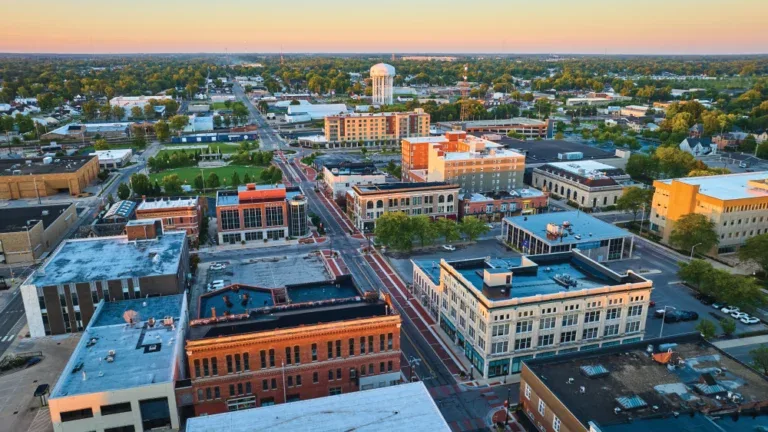
Water spreads through a Muncie home faster than most homeowners expect. Within hours, drywall wicks moisture upward, hardwood flooring cups, and porous contents begin absorbing contaminants. Fire and smoke behave the same way - soot residue keeps etching surfaces long after the flames are out.
Restoration work in Delaware County covers a connected set of services, and most losses require more than one:
- Water Damage Restoration - extraction, structural drying, and moisture mapping after burst pipes, appliance failures, and roof leaks
- Flooded Basement - sump pump failures, foundation seepage, and storm runoff in the older basements common across the city
- Sewage Cleanup - Category 3 black water removal, disinfection, and safe disposal of contaminated materials
- Fire Damage Restoration - debris removal, structural stabilization, and reconstruction of damaged framing and finishes
- Smoke Damage Restoration - soot cleaning, thermal fogging, HVAC decontamination, and odor neutralization
- Mold Removal - containment, HEPA filtration, antimicrobial treatment, and removal of colonized materials
Key benefits for Muncie property owners include reduced secondary damage, better documentation for insurance claims, and healthier indoor air. Firms serving the area - including IICRC-certified teams operating around the clock at (765) 287-0565 - respond to residential and commercial calls throughout Muncie, Anderson, New Castle, and neighboring communities.
Common Damage Restoration Issues in Muncie, Indiana
Muncie sits along the White River in east-central Indiana, where flat terrain, clay-heavy soil, and an aging housing stock combine to create predictable restoration problems.
Frequent Causes of Loss
- Frozen and burst supply lines during January and February cold snaps
- Sump pump failure during spring thunderstorms and power outages
- Basement seepage through foundation cracks and window wells
- Sewer backups when combined lines surge during heavy rain
- Appliance failures - water heaters, dishwashers, washing machine hoses, and refrigerator lines
- Toilet and bathtub overflows in homes with older plumbing
- Air conditioner condensate line clogs that saturate ceilings and closets
- Kitchen fires, space heater fires, and electrical faults in older wiring
Warning Signs Worth Acting On
- Musty odors in basements, crawlspaces, or behind furniture
- Staining, bubbling paint, or soft spots on drywall and baseboards
- Cupped, buckling, or discolored hardwood planks
- Gurgling floor drains or slow-draining basement fixtures
- Persistent smoke odor that returns when humidity rises
- Visible growth on joists, subfloor, or the back side of stored boxes
Water is not always what it appears to be. Clean, grey, and black water can look identical, and only a qualified contractor can classify the loss and determine which materials are salvageable. That distinction drives the entire scope of work, from what gets dried in place to what has to be removed.
Neighborhoods We Serve in Muncie
Restoration crews cover the full city and the surrounding countryside, with response routes built around Delaware County's mix of historic districts, university housing, and rural properties.
- Downtown Muncie and Emily Kimbrough Historic District - century-old homes with stone foundations and original plaster
- Riverside/Normal City and the Ball State area - rentals, duplexes, and student housing with heavy fixture use
- Halteman Village and Westside - mid-century ranch and split-level homes with finished basements
- Northwest Muncie and Yorktown - newer subdivisions with slab and poured-wall construction
- Southside, Industry, and Thomas Park/Avondale - older bungalows and cottages
- Congerville and McKinley - established neighborhoods near the White River corridor
Service also extends to Albany, Selma, Daleville, Gaston, Eaton, Chesterfield, Anderson, New Castle, and unincorporated areas of Delaware, Madison, and Henry counties.
Seasonal Damage Patterns in Muncie
Winter (December - February)
- Frozen pipes in crawlspaces, garages, and uninsulated exterior walls
- Ice dams forcing meltwater under shingles and into ceilings
- Peak fire and smoke damage season from furnaces, fireplaces, and space heaters
Spring (March - May)
- Highest volume of flooded basement calls as snowmelt meets saturated clay soil
- Sewage backups during severe thunderstorm cells
- Sump pump overload and failure during multi-day rain events
Summer (June - August)
- Mold growth accelerating in humid basements and crawlspaces
- Air conditioner condensate leaks and clogged drain pans
- Wind-driven rain and hail damage from derechos and severe storms
Fall (September - November)
- Clogged gutters directing water against foundations
- First furnace runs producing puff-back soot and smoke odor
- Hidden summer moisture surfacing as visible mold once homes are closed up
Housing Characteristics & Restoration Considerations
A large share of Muncie's housing predates 1960, and many homes near downtown and the Ball State corridor were built before 1940. Age shapes nearly every restoration decision.
Construction Types and What They Mean
- Stone and block foundations - porous mortar joints allow seepage, so flooded basement work often includes drainage correction alongside drying
- Plaster over wood lath - holds moisture longer than drywall and requires targeted drying to avoid unnecessary demolition
- Balloon framing - open wall cavities let water, smoke, and odor travel between floors quickly
- Original hardwood floors - frequently salvageable with specialty drying mats when addressed fast
- Unconditioned crawlspaces - a leading source of mold, wood rot, and elevated humidity throughout the home above
- Finished basements in mid-century ranches - carpet pad, paneling, and framed walls trap water behind finishes
Restoration Implications
- Moisture meters and thermal imaging locate water inside plaster and closed cavities before demolition begins
- Older cast iron and clay sewer laterals raise the likelihood of Category 3 contamination
- Homes built before 1980 may contain asbestos or lead-based materials requiring careful handling
- Knob-and-tube or aluminum wiring increases fire risk and complicates reconstruction
- Smoke odor embeds in original woodwork and requires sealing after cleaning
- Rental and student properties often need coordinated scheduling between owners and occupants
Environmental Conditions & Damage Implications
East-central Indiana's humid continental climate creates a wide temperature swing and long stretches of high humidity - conditions that favor both structural moisture problems and microbial growth.
Local Conditions
- Rainfall - roughly 40 inches annually, concentrated in spring and early summer storm systems
- Summer humidity - dew points regularly climbing into the 60s and 70s, keeping basements damp
- Winter extremes - repeated freeze-thaw cycles that crack foundations and stress plumbing
- Soil - glacial till with dense clay that drains slowly and holds hydrostatic pressure against basement walls
- Groundwater - a relatively high water table near the White River and its tributaries
- Air quality - seasonal pollen and agricultural dust that load HVAC filters and worsen post-fire particulate issues
How This Affects Restoration Work
- Clay soil means basement drying alone rarely solves recurring water intrusion - grading, gutters, and sump systems get evaluated too
- High ambient humidity requires dehumidification sized to the space, not just air movers
- Warm, damp conditions can support mold growth within 24 to 48 hours of a water loss
- Storm-driven sewer surcharges push contaminated water into basement drains, calling for full disinfection protocols
- Soot and smoke particles circulate through duct systems, so HVAC cleaning is standard after fire damage
- Crawlspace encapsulation and vapor barriers reduce repeat moisture and mold problems
Storm Surge, Sump Pumps, and Sewer Backups Along the White River Corridor
Heavy rain is the single most common trigger for restoration calls in Muncie. When several inches fall in a short window, the White River and Buck Creek rise, saturated clay stops absorbing runoff, and water finds the lowest opening in a structure - almost always a basement.
What Happens During a Major Rain Event
- Sump pits fill faster than a single pump can discharge
- Power outages disable pumps at the exact moment they are needed most
- Municipal lines surcharge, pushing sewage back through floor drains and laundry standpipes
- Window wells and stairwell drains overflow against foundation walls
- Storm damage to roofs and siding lets wind-driven rain into upper levels
Response Sequence for a Flooded Basement or Sewage Backup
- Safety assessment - electrical hazards, gas appliances, and contamination category are identified first
- Water extraction with truck-mounted and portable units
- Removal of unsalvageable porous materials such as carpet pad, saturated drywall, and insulation
- Cleaning and antimicrobial application to all affected hard surfaces
- Structural drying with air movers and dehumidifiers, monitored daily with moisture readings
- Contents evaluation - documents, electronics, furniture, and textiles sorted for cleaning or disposal
- Reconstruction of flooring, walls, and trim once target moisture levels are confirmed
Reducing the Odds of a Repeat
- Install a battery backup or water-powered secondary sump pump
- Add a backwater valve on the sewer lateral
- Extend downspouts well away from the foundation
- Regrade soil so it slopes away from the house
- Test the sump pump before spring storm season each year
- Store valuables on shelving rather than directly on basement floors
Documentation matters just as much as drying. Photographs, moisture logs, and itemized scopes give Muncie homeowners a clear record to submit with an insurance claim, whether the loss involves floodwater, sewage, fire, smoke, or mold discovered weeks later.





