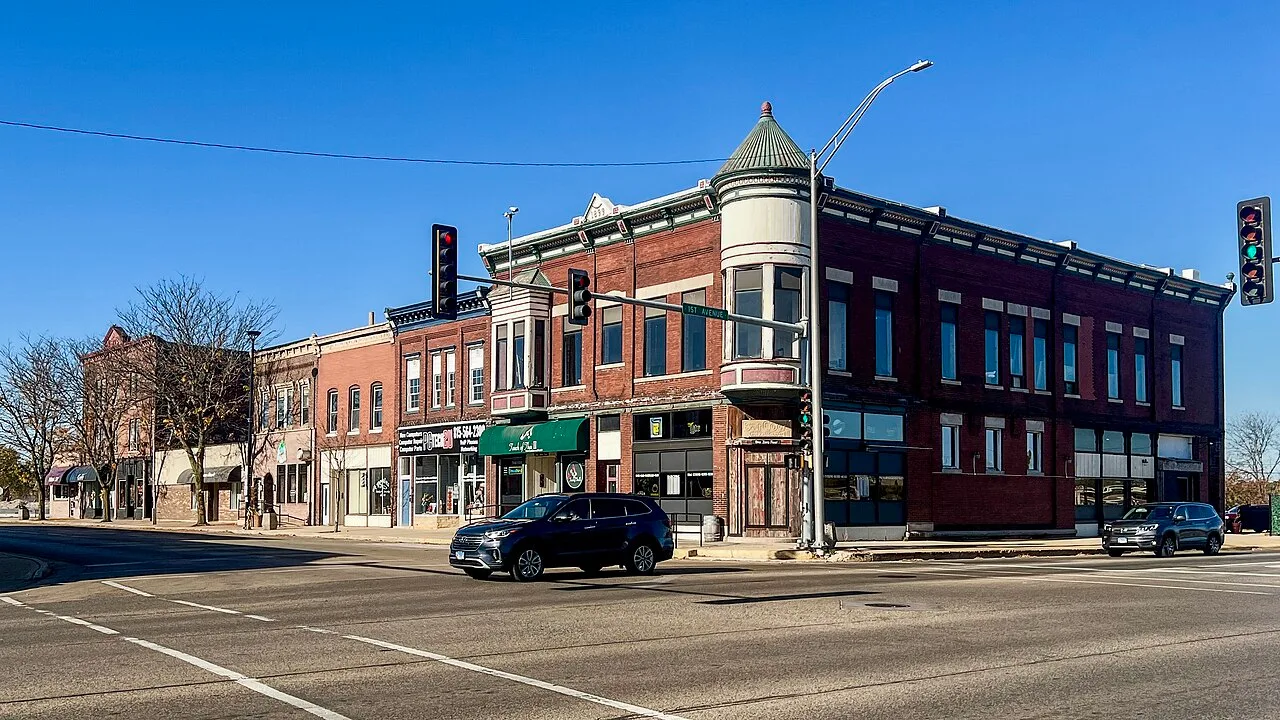
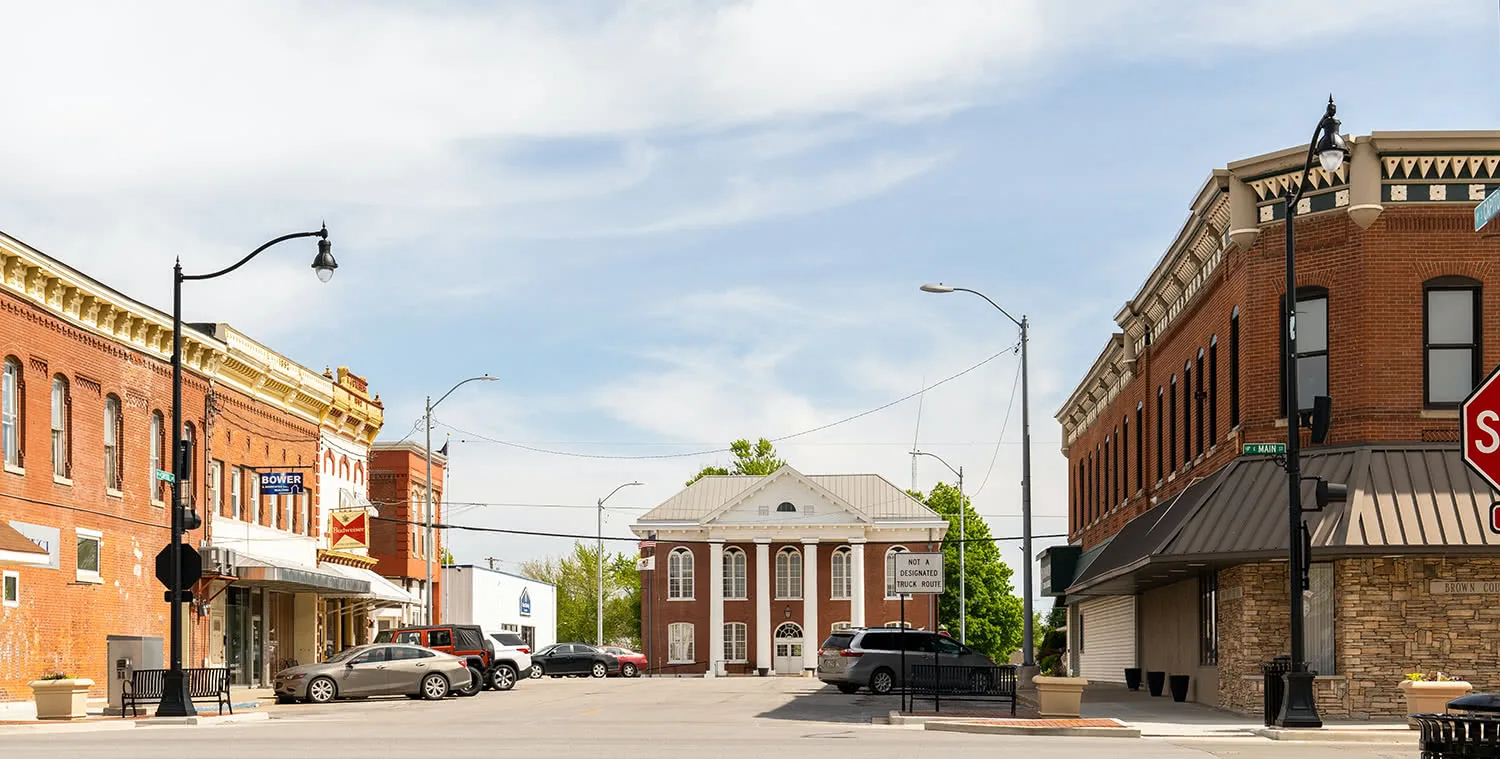
Damage Restoration in Whiteside County, IL
- Damage Restoration Services Overview
- Common Damage Restoration Issues in Whiteside County, Illinois
- Neighborhoods We Serve in Whiteside County
- Seasonal Damage Patterns in Whiteside County
- Housing Characteristics & Restoration Considerations
- Environmental Conditions & Damage Implications
- Sewage Backups and Contaminated Water: Standards That Protect Whiteside County Households
Damage Restoration Services Overview
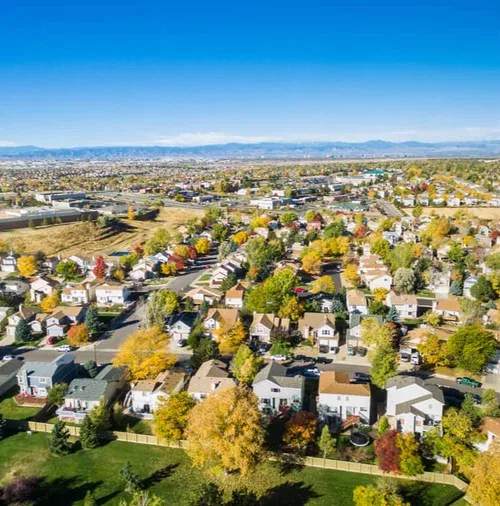
Whiteside County sits along a 25-mile stretch of the Mississippi River, and the Rock River cuts straight through its eastern communities - meaning two major waterways influence groundwater levels beneath homes in Sterling, Rock Falls, Morrison, and Fulton. That hydrology, combined with a housing stock where a large share of homes predate 1960, creates conditions where basement seepage, sump failures, and hidden moisture problems are routine rather than rare.
Restoration work here spans far more than pumping out water. Property owners across the county rely on a connected set of services:
- Water Damage Restoration - extraction, structural drying, and dehumidification after pipe breaks, appliance failures, and roof leaks
- Flooded Basement Cleanup - removal of standing water, saturated storage, and compromised finishes below grade
- Sewage Cleanup - containment and disinfection following backups from floor drains and municipal lines
- Fire Damage Restoration - stabilization, debris removal, and rebuilding of charred assemblies
- Smoke Damage Restoration - soot removal, odor neutralization, and duct cleaning throughout affected areas
- Mold Removal - containment, remediation, and correction of the moisture source feeding growth
The benefit of coordinated response is simple: faster drying limits secondary damage, and documented work supports a smoother insurance claim.
Common Damage Restoration Issues in Whiteside County, Illinois
Local geography and building age drive most of the calls that come in from across the county. The same causes repeat season after season.
Frequent Causes of Loss
- Spring snowmelt and Rock River backwater raising groundwater against foundation walls
- Sump pump failure during extended power outages tied to summer thunderstorms
- Frozen and burst supply lines in unheated crawl spaces and older farmhouse additions
- Combined or aging sanitary lines surcharging during heavy rain, pushing sewage through floor drains
- Tree root intrusion into clay lateral lines common in mature neighborhoods
- Space heater, wood stove, and chimney-related fires during long heating seasons
- Grain dust, agricultural equipment, and outbuilding fires on rural properties
Warning Signs Worth Acting On
- Efflorescence - white chalky residue - on block foundation walls
- Musty odor that intensifies when the HVAC system cycles on
- Cupping or darkening at the edges of hardwood flooring
- Slow floor drains or gurgling fixtures after rainfall
- Peeling paint, blistered drywall tape, or soft baseboards
- Persistent smoke odor returning weeks after a small kitchen or furnace puffback
Each of these points to moisture or contamination that will continue spreading through building materials until the source is corrected. Damage from a broken pipe behaves very differently from flooding driven by rain, wind, and snowmelt, so assessment always precedes equipment placement.
Neighborhoods We Serve in Whiteside County
Coverage extends across the county's cities, villages, townships, and unincorporated farmland.
- Sterling - including the historic Broadway district, Central Park area, and east side residential streets
- Rock Falls - riverfront properties, Lawrence Park vicinity, and neighborhoods south of the dam
- Morrison - the county seat, plus surrounding Union Grove Township acreages
- Fulton - Mississippi riverfront homes near the levee and windmill district
- Prophetstown, Tampico, Erie, and Albany - smaller river communities with older housing stock
- Coleta, Deer Grove, Lyndon, and Montmorency - rural properties on private wells and septic
Response also reaches adjacent areas in Lee, Carroll, Ogle, and Henry counties, along with the Clinton, Iowa corridor across the river. Rural addresses with long lanes and outbuildings are handled with equipment sized for barns, shops, and multi-structure properties.
Seasonal Damage Patterns in Whiteside County
Restoration demand in northwestern Illinois follows a predictable annual rhythm.
- December through February - Frozen pipe bursts peak during hard freezes and wind chills. Furnace puffbacks and chimney fires spike as heating systems run continuously, driving smoke damage restoration calls.
- March and April - Snowmelt combined with saturated, still-frozen ground sends water toward foundations. Flooded basement calls climb sharply, along with sump pump overloads and river-related seepage.
- May through July - Severe thunderstorms, straight-line winds, and derecho-type events cause roof damage, power outages, and sewage backups when storm volume overwhelms sanitary systems.
- July through September - High dew points and humidity feed mold growth in basements and crawl spaces, especially where earlier water intrusion was never properly dried.
- October and November - Harvest season brings agricultural fires, while first freezes catch unwinterized hose bibs and outbuilding plumbing.
Off-season months are the right window for preventive work - sump backup batteries, backflow valves, gutter extensions, and dryer vent cleaning all reduce the odds of an emergency call later.
Housing Characteristics & Restoration Considerations
Whiteside County's building stock is older than the national average, with a substantial share of homes built before 1940 in Sterling, Morrison, and Fulton. Construction details from those eras shape every restoration plan.
Common Construction Types
- Balloon-framed Victorians and foursquares with continuous wall cavities that let fire and smoke travel between floors
- Limestone and unreinforced concrete block foundations prone to lateral seepage
- Post-war ranches with finished basements, paneling, and carpeted lower levels
- Farmhouses with dirt-floor or partial crawl spaces holding persistent ground moisture
- Plaster-and-lath walls that hold water far longer than modern drywall
How Age Affects the Work
- Pre-1980 materials may contain asbestos or lead, requiring testing before demolition
- Cast iron and clay sewer laterals crack with age, increasing backup risk
- Knob-and-tube or early wiring complicates fire origin assessment and rebuild scope
- Hardwood over subfloor demands specialty drying mats rather than replacement when caught early
- Limited insulation in older walls allows moisture to condense inside cavities during winter
Restoration is often phased so occupants can return to unaffected areas while structural repairs continue. Whether individual rooms need refinishing or entire lower levels require rebuilding - carpeting, drywall, trim, and paint - the goal is returning the property to pre-loss condition with workmanship that matches the original character.
Environmental Conditions & Damage Implications
The physical environment of northwestern Illinois directly influences how damage develops and how long drying takes.
Climate
- Humid continental pattern with summer dew points frequently in the 60s and 70s
- Winter temperatures well below freezing for extended stretches, stressing plumbing
- Annual precipitation in the mid-30-inch range, concentrated in spring and early summer
- Wide freeze-thaw cycling that opens cracks in foundations and mortar joints
Soil and Water
- Silt loam and clay-rich glacial soils that drain slowly and hold water against footings
- Sandy alluvial deposits near the Mississippi and Rock Rivers with high, fluctuating water tables
- Hard groundwater with elevated mineral content, contributing to scale and pinhole leaks in supply lines
- Agricultural runoff that can carry nutrients and bacteria into floodwater entering basements
What This Means for Restoration
- High ambient humidity slows evaporation, so desiccant or low-grain refrigerant dehumidifiers are often required rather than fans alone
- Floodwater from river or field sources is treated as contaminated, triggering the same disinfection protocols as sewage cleanup
- Clay soils resist infiltration, pushing surface water toward foundation walls during downpours
- Smoke residues combine with humidity to form acidic films that etch metal, glass, and finishes if cleaning is delayed
- Mold colonies establish quickly once relative humidity inside a structure exceeds roughly 60 percent
Sewage Backups and Contaminated Water: Standards That Protect Whiteside County Households
Backups through basement floor drains are among the most common calls in Sterling and Rock Falls, particularly during intense rain events when aging sanitary infrastructure carries more volume than it was designed to handle. Sewage is classified as Category 3 water - grossly contaminated - and it is handled under an entirely different protocol than a clean supply line break.
The Response Sequence
- Emergency arrival, 24/7 - technicians assess contamination boundaries and confirm the source has stopped
- Containment - plastic barriers and negative air machines with HEPA filtration isolate the affected zone from living space
- Extraction - standing water and solids removed with dedicated contaminated-water equipment
- Controlled demolition - porous materials such as carpet, pad, particleboard, and wicked drywall are cut out and disposed of properly
- Cleaning and disinfection - hard surfaces washed and treated with EPA-registered antimicrobials
- Structural drying - air movers and dehumidifiers run until moisture meters confirm materials have returned to dry standard
- Verification and rebuild - documented readings before any reconstruction begins
Why Standards Matter
- Work follows IICRC S500 water damage and S520 mold remediation guidance, the recognized industry benchmarks
- Moisture mapping and daily logs create the documentation adjusters expect for claim approval
- Duct cleaning is frequently needed after backups and fires alike, since particles and odor migrate through the HVAC system
- Correcting the cause - backflow prevention, lateral repair, sump backup power - prevents a repeat event
Assistance with insurance paperwork runs alongside the technical work, so property owners are not managing photos, scope sheets, and adjuster calls on their own while the drying equipment is still running.