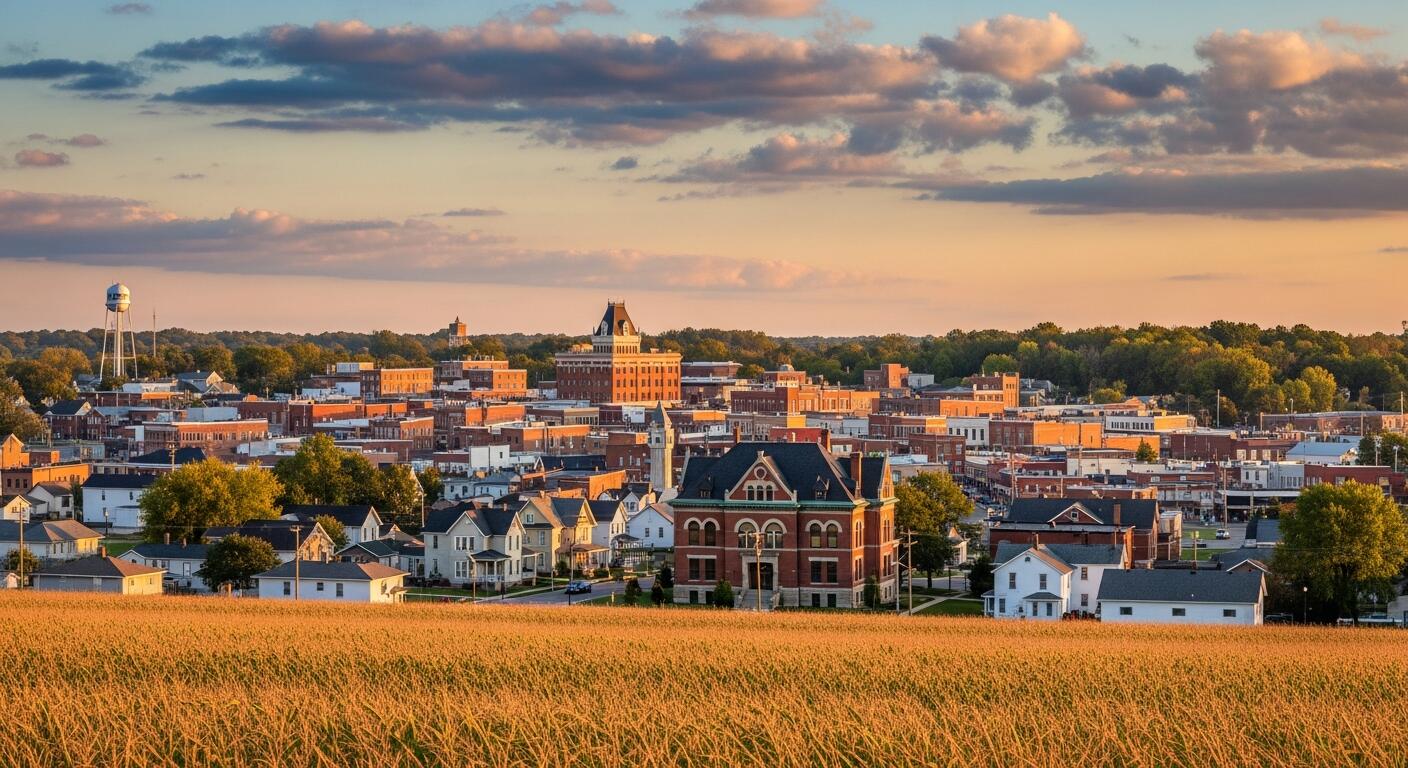
Damage Restoration in Coles County, IL
- Damage Restoration Services Overview
- Common Damage Restoration Issues in Coles County, Illinois
- Neighborhoods We Serve in Coles County
- Seasonal Damage Patterns in Coles County
- Housing Characteristics & Restoration Considerations
- Environmental Conditions & Damage Implications
- Storm and Tornado Recovery: From Emergency Tarping to Final Rebuild
Damage Restoration Services Overview
You come home after a storm rolls through Charleston, flip on the basement light, and see two inches of water spreading across the floor - along with a musty smell that wasn't there yesterday. That moment happens more often than most Coles County homeowners expect, and what you do in the first few hours shapes how much of your home can be saved.
Restoration work in this part of central Illinois covers a connected range of emergencies, and most jobs involve more than one at once:
- Water damage restoration - storm intrusion, burst supply lines, failed water heaters, roof leaks after wind damage
- Flooded basement recovery - sump pump failures, foundation seepage, saturated ground after heavy rain
- Sewage cleanup - backed-up floor drains, sanitary line surcharges, septic overflows in rural areas
- Fire damage restoration - structural cleaning, debris removal, contents recovery, board-up and tarping
- Smoke damage restoration - soot removal, odor neutralization, HVAC and duct decontamination
- Mold removal - containment, affected material removal, air scrubbing, moisture source correction
The benefit of addressing these together is simple: water left behind after a fire becomes mold, and sewage left in a basement contaminates everything it touches. Handling extraction, drying, cleaning, and rebuilding as one continuous process protects your structure, your belongings, and your family's health.
Common Damage Restoration Issues in Coles County, Illinois
Severe weather drives the majority of restoration calls here, and the county has seen firsthand how quickly a single storm system changes everything. When an EF-2 tornado with peak winds near 116 mph touched down at the northeast edge of Charleston, trees were uprooted, power lines came down across the county, and countless buildings were left damaged - the Coles County Speedway among the properties shut down for the foreseeable future. Homeowners described watching water pour in through compromised roofs and pool where it never had before.
Recurring problems local property owners face include:
- Wind-opened building envelopes - missing shingles, blown-out windows, and lifted roof decking that let rain into attics and wall cavities
- Mobile and manufactured home damage - lighter construction takes the worst of high winds and often suffers total moisture saturation
- Basement flooding - flat farmland drainage and clay-heavy soils push groundwater against foundations during prolonged rain
- Sewer backups - older combined and undersized municipal lines surcharge during downpours, sending contaminated water up floor drains
- Electrical and heating fires - aging wiring, space heaters, and generator misuse during outages after storms
- Smoke odor migration - soot travels through ductwork and settles in insulation, carpet padding, and upholstery far from the burn area
Warning signs worth acting on immediately: cupping hardwood, staining along baseboards, a persistent earthy odor, condensation on ductwork, bubbling paint, or a sump pump that runs constantly. Mold colonies can establish within a day or two of unaddressed moisture in a humid Illinois summer.
Neighborhoods We Serve in Coles County
Coverage extends across the entire county and into neighboring communities, including:
- Charleston - historic districts near the square, neighborhoods around Eastern Illinois University, and the storm-affected northeast edge of town
- Mattoon - established residential streets, Lake Land College area, and older housing stock near the rail corridor
- Oakland, Ashmore, Humboldt, and Lerna - small-town homes and rural properties on private wells and septic systems
- Rardin, Trilla, and Etna - unincorporated crossroads communities and surrounding farmsteads
- Lake Charleston and Fox Ridge areas - properties where proximity to water and wooded terrain raises moisture and tree-fall risk
Farm outbuildings, rental properties near campus, churches, and small commercial buildings along Lincoln Avenue and Broadway are served alongside single-family residences. Familiarity with local building departments, county permitting, and area insurance adjusters keeps projects moving without unnecessary delays.
Seasonal Damage Patterns in Coles County
Each season brings a distinct mix of emergencies to central Illinois properties.
- March through May - peak severe weather. Tornadoes, straight-line winds, hail, and heavy rain produce roof breaches, flooded basements, and sewer backups. Spring snowmelt combined with saturated fields raises groundwater pressure against foundations.
- June through August - high humidity and warm temperatures accelerate mold growth in any space that stayed damp. Derecho-style wind events and thunderstorm downpours continue. Lightning strikes cause attic and structure fires.
- September through November - furnaces come back online after months idle, and dust burn-off or cracked heat exchangers lead to smoke damage calls. Clogged gutters full of leaves send water down foundation walls.
- December through February - frozen and burst pipes in crawl spaces, unheated garages, and exterior walls. Space heater, fireplace, and holiday cooking fires spike. Ice damming pushes meltwater under shingles into ceilings.
Late winter thaw and early spring together account for the heaviest volume of water and sewage work, while mold remediation requests typically follow six to eight weeks after major flooding events.
Housing Characteristics & Restoration Considerations
Coles County housing skews older than the national average, and building age directly determines how restoration is approached. A large share of homes in Charleston and Mattoon were built before 1970, with a meaningful number dating to the early 1900s.
- Pre-1940 homes - balloon framing allows water, smoke, and fire to travel vertically inside wall cavities without visible signs at the surface. Plaster and lath holds moisture far longer than drywall.
- Stone and block foundations - porous mortar joints let groundwater seep in during wet stretches, making basement waterproofing part of any lasting flood solution.
- Mid-century ranches - crawl spaces with exposed soil and minimal vapor barriers become mold reservoirs after flooding.
- Manufactured and mobile homes - concentrated in rural areas and parks, these take severe wind damage and have belly wrap insulation that traps water beneath the floor.
- Student rentals near EIU - multi-unit conversions with shared plumbing stacks where one sewage backup affects several living spaces.
- Farm properties - detached shops, grain storage, and outbuildings with different construction demand separate drying and cleaning strategies.
Older homes also carry the possibility of asbestos-containing floor tile, pipe wrap, and lead-based paint. Any demolition tied to water, fire, or mold work in these structures requires careful material identification and controlled removal so that a cleanup does not create a second hazard.
Environmental Conditions & Damage Implications
Central Illinois conditions actively work against drying, which is why professional equipment matters more here than in drier climates.
- Humid continental climate - summer dew points regularly climb into the 70s, meaning outside air brought into a wet basement adds moisture rather than removing it. Sealed containment with commercial dehumidification is the effective approach.
- Heavy clay and silt loam soils - the county's prairie soils drain slowly and expand when saturated, holding water against foundation walls and forcing it through cracks and cove joints.
- Flat topography with limited natural runoff - agricultural tile drainage moves field water efficiently, but residential lots often lack the grade to shed heavy rainfall away from structures.
- Surface water sources - Lake Charleston, the Embarras River, and Kickapoo Creek influence water tables in nearby neighborhoods after prolonged rainfall.
- Agricultural airborne particulates - field dust, pollen, and harvest-season debris load HVAC systems, which compounds smoke odor problems and spreads mold spores once contamination is present.
- Hard, mineral-heavy water - scale buildup stresses water heaters, supply lines, and appliance connections, contributing to sudden failures and interior flooding.
These factors mean drying targets must be verified with moisture meters and thermal imaging rather than assumed. Materials that feel dry to the touch in an Illinois August frequently still hold enough moisture to support mold growth inside the assembly.
Storm and Tornado Recovery: From Emergency Tarping to Final Rebuild
After a tornado or severe wind event, damage rarely stays in one category - and neither should the response. Property owners across Coles County saw this firsthand when structural collapses, destroyed mobile homes, and damaged roofs, windows, and vehicles were reported across the area, leaving owners standing in their yards wondering what came next. Rain follows wind, water follows rain, and mold follows water. A start-to-finish process prevents the gaps where secondary damage takes hold.
A complete storm recovery generally moves through these stages:
- Emergency response and safety assessment - evaluating structural stability, electrical hazards, and downed lines before anyone enters
- Board-up and roof tarping - sealing the building envelope so the next rain band does not multiply the loss
- Debris and tree removal - clearing fallen limbs and building material blocking access to damaged areas
- Water extraction and structural drying - removing standing water from basements and living space, then placing air movers and dehumidifiers with daily moisture monitoring
- Contamination handling - treating any sewage-affected area as a biohazard with proper containment, removal of porous materials, and antimicrobial application
- Fire and smoke cleanup - soot removal from surfaces, HVAC decontamination, and odor neutralization when storm-related electrical fires or generator incidents occur
- Mold inspection and remediation - containment, controlled removal, HEPA filtration, and clearance verification
- Contents recovery - cleaning, deodorizing, and storing salvageable furniture, documents, and personal belongings
- Reconstruction - framing, drywall, flooring, paint, and finish work returning the property to pre-loss condition
Documentation runs alongside every step - photos, moisture logs, and material inventories that support your insurance claim. In a community where neighbors handed out free food to storm victims and crews worked through local emergency orders to clear roads, restoration work is part of the same effort: helping families and businesses move forward.