Damage Restoration in Macoupin County, IL
- Damage Restoration Services Overview
- Common Damage Restoration Issues in Macoupin County, Illinois
- Neighborhoods We Serve in Macoupin County
- Seasonal Damage Patterns in Macoupin County
- Housing Characteristics & Restoration Considerations
- Environmental Conditions & Damage Implications
- Storm Outages, Sump Pump Failure, and Protecting Your Belongings
Damage Restoration Services Overview
You come home to Carlinville after a long day, flip on the basement light, and hear that unmistakable squelch underfoot. The sump pump quit sometime during the afternoon downpour, and now three inches of water are creeping toward the water heater. Every minute counts - and knowing who to call matters just as much as knowing what to do.
Property owners across Macoupin County face a wide spectrum of damage events, and each one demands a different response plan:
- Water Damage Restoration - extraction, structural drying, and moisture mapping after supply line breaks, roof leaks, and appliance failures
- Flooded Basement - pump-outs, content removal, and dehumidification when groundwater or sump failure overwhelms lower levels
- Sewage Cleanup - containment, disinfection, and safe disposal after backups from septic systems or municipal lines
- Fire Damage Restoration - debris removal, structural cleaning, and rebuilding after kitchen, electrical, or chimney fires
- Smoke Damage Restoration - soot removal, odor neutralization, and HVAC decontamination in areas the flames never touched
- Mold Removal - containment barriers, antimicrobial treatment, and moisture-source correction
The benefit of a single restoration partner covering all six is continuity. Water damage that sits too long becomes a mold problem. Fire suppression leaves behind standing water. Handling the whole chain under one plan protects your property, your belongings, and your timeline.
Common Damage Restoration Issues in Macoupin County, Illinois
Illinois weather is anything but predictable. Summer storms roll across the prairie with little warning, winter blizzards knock out power for days, and both leave restoration work in their wake.
What Drives Damage Locally
- Power outages during storms - when electricity fails, sump pumps stop, and basements in Gillespie, Staunton, and Bunker Hill fill quickly
- Flash flooding along creek corridors - Macoupin Creek and its tributaries swell fast after heavy rainfall
- Aging septic and rural sewer systems - saturated drain fields push wastewater back into lower-level fixtures
- Frozen and burst pipes - uninsulated crawl spaces and older plumbing runs split during January cold snaps
- Wood stoves, space heaters, and chimney fires - common in rural properties heated with supplemental sources
- Field burning and agricultural dust - contributes to lingering odor and air quality issues after any smoke event
Warning Signs Worth Acting On
- Musty odor near floor drains, laundry areas, or finished basement walls
- Efflorescence - white chalky residue - on foundation block
- Buckling laminate, cupping hardwood, or soft spots in subfloor
- Slow drains that gurgle when other fixtures run, hinting at a main line backup
- Yellow or brown staining on ceilings and around window headers
- Soot film on light switch plates or a smoke smell that returns when the furnace kicks on
Catching any one of these early usually means a smaller scope of work and fewer materials removed.
Neighborhoods We Serve in Macoupin County
Coverage extends across the full county and into neighboring communities, including:
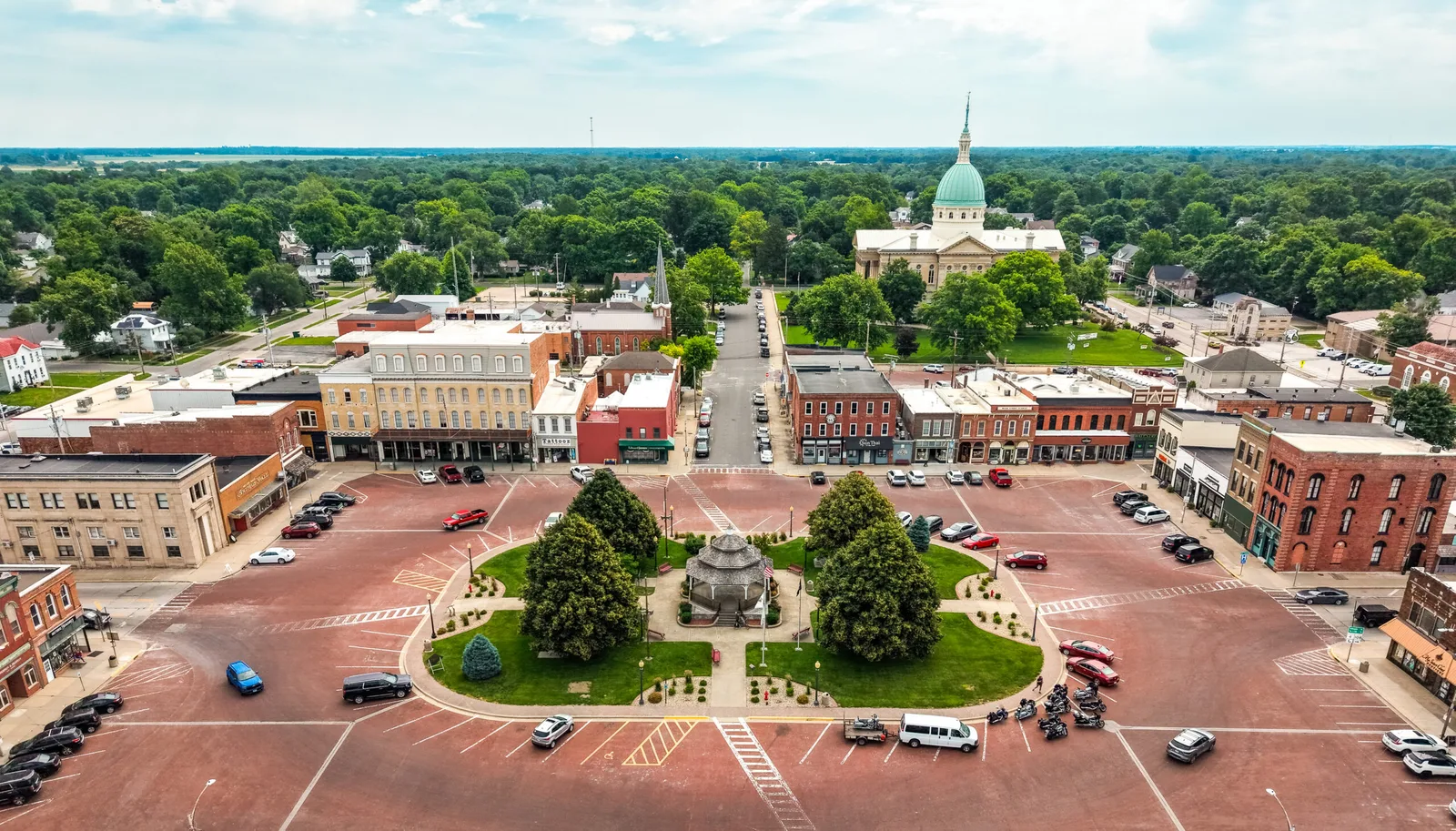
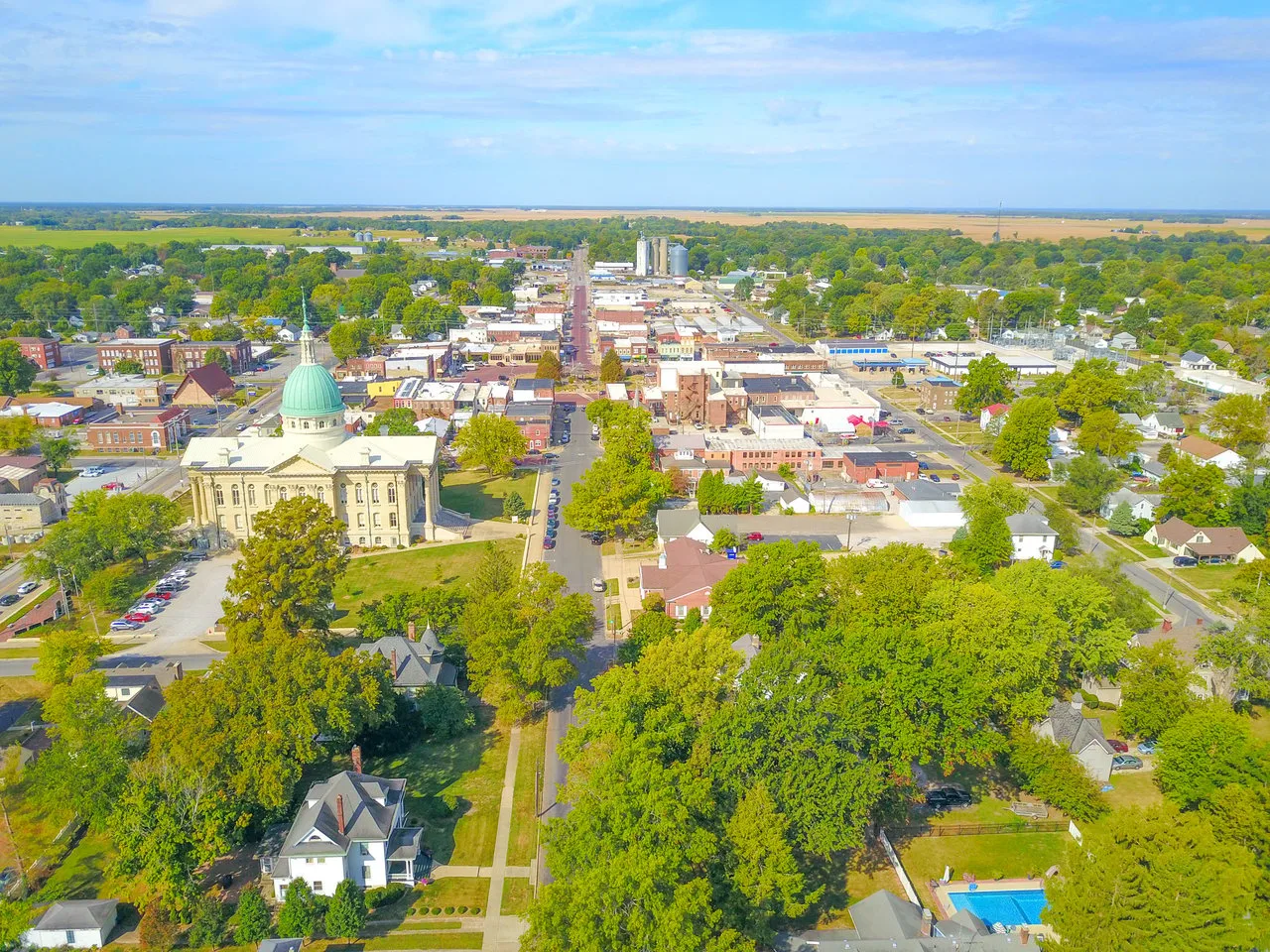
- Carlinville - the county seat, with its historic square and Blackburn College district
- Staunton and Livingston - southern county communities near the I-55 corridor
- Gillespie, Benld, and Sawyerville - former coal-mining towns with older housing stock
- Bunker Hill and Brighton - southwestern areas closer to the Metro East
- Girard, Virden, and Nilwood - northern communities along the Route 4 and I-55 stretch
- Mount Olive, Wilsonville, and Eagarville
- Palmyra, Modesto, Chesterfield, and Medora - rural western and northwestern townships
- Shipman, Hettick, Scottville, and Standard City
Service also reaches surrounding Sangamon, Morgan, Cass, Montgomery, Greene, Jersey, and Madison County communities, along with the farmsteads and acreages scattered between them where response times often matter most.
Seasonal Damage Patterns in Macoupin County
Winter (December - February)
- Frozen and burst supply lines in crawl spaces, garages, and exterior walls
- Heating-related fire damage from furnaces, wood stoves, and space heaters
- Ice dams forcing meltwater under shingles and into attic insulation
- Smoke damage from chimney flue buildup
Spring (March - May)
- Peak season for flooded basements as saturated soil meets heavy rainfall
- Sewage backups when combined and rural systems reach capacity
- Severe thunderstorms and straight-line wind damage opening roofs to water intrusion
- Mold growth beginning in areas that stayed damp through winter
Summer (June - August)
- Mold removal calls climb as humidity settles into basements and crawl spaces
- Air conditioning condensate line clogs causing hidden ceiling damage
- Storm outages disabling sump pumps during the heaviest downpours
- Lightning strikes leading to attic and electrical fires
Fall (September - November)
- First furnace runs circulating dust and old soot, revealing lingering smoke odor
- Clogged gutters redirecting water against foundations
- Grain and field fire risk spreading to outbuildings
- Pre-freeze plumbing failures during early cold snaps
Housing Characteristics & Restoration Considerations
Macoupin County housing skews older than the national average. Many homes in Carlinville, Gillespie, and Mount Olive date to the coal-boom era of the early 1900s, while post-war ranches and newer subdivisions fill in around Staunton, Brighton, and Girard.
Construction Types and What They Mean for Restoration
- Fieldstone and limestone foundations - porous mortar joints wick groundwater, so drying requires targeted airflow and often interior wall cavity access
- Balloon-framed farmhouses - open wall cavities let smoke, soot, and water travel from basement to attic unchecked, expanding inspection scope
- Plaster over wood lath - holds moisture far longer than drywall and can support hidden mold behind intact surfaces
- Finished basements with paneling and carpet - common in 1970s and 1980s remodels, these assemblies rarely dry in place after a flood
- Knob-and-tube or early wiring - increases electrical fire risk and complicates power isolation during water extraction
- Rural properties on septic - backups involve category three contamination requiring full containment and antimicrobial treatment
- Detached garages, barns, and machine sheds - often uninsulated, with fuel and chemical storage that changes fire cleanup protocols
Practical Implications
- Older homes may contain asbestos-wrapped ductwork or lead paint, requiring testing before demolition
- Sub-slab drainage is uncommon in pre-1960 construction, so basement water needs mechanical removal
- Original hardwood and millwork frequently justify restoration rather than replacement
- Documenting pre-existing conditions helps insurance claims move forward cleanly
Environmental Conditions & Damage Implications
The county sits in the Illinois prairie belt with a humid continental climate - hot, sticky summers and cold, wet winters. That swing shapes nearly every restoration job here.
Soil and Groundwater
- Heavy clay-loam prairie soils drain slowly and hold water against foundation walls after storms
- Clay expands when saturated and shrinks in drought, opening hairline foundation cracks that later admit water
- Historic underground coal mining across parts of the county has caused subsidence in some areas, stressing foundations and buried sewer lines
- Shallow water tables in creek-bottom areas keep basements damp even between rain events
Humidity and Air Quality
- Summer relative humidity regularly exceeds the threshold where mold colonies activate on organic building materials
- Agricultural dust, pollen, and seasonal field burning load indoor air and settle into HVAC systems
- After a fire, that existing particulate load combines with soot and demands full duct cleaning rather than surface wiping alone
Water Conditions
- Hard water is typical throughout the region, leaving mineral scale that stresses water heaters, softeners, and supply connections
- Private wells and septic systems on rural parcels can cross-contaminate during flooding, raising the safety bar for sewage cleanup
- Iron and sulfur content in some groundwater leaves staining that requires specific cleaning agents during restoration
Understanding these local conditions means drying plans account for real ambient humidity rather than textbook assumptions - and mold prevention starts during extraction, not afterward.
Storm Outages, Sump Pump Failure, and Protecting Your Belongings
The single most common restoration trigger in Macoupin County is not a burst pipe - it is a sump pump that had no power when it needed it most. Storms here arrive fast, knock down lines across rural stretches, and leave homes dark for hours or days while rain keeps falling.
Reducing Your Risk Before the Next Storm
- Install a battery backup or water-powered secondary sump pump and test it seasonally
- Confirm the discharge line runs well away from the foundation and stays clear of ice and debris
- Add a backwater valve on the main sewer line if your home has experienced any backup history
- Elevate furnaces, water heaters, and electrical panels above the historic flood line where feasible
- Store keepsakes, photographs, and documents in sealed containers on shelving, never directly on basement floors
- Keep gutters clean and extend downspouts at least six feet from the foundation
When Damage Reaches Your Belongings
Floods, wind, and debris ruin more than drywall. Furniture, electronics, family keepsakes, and important documents often take the worst of it. Contents can be transported to a secure storage and restoration facility where specialized cleaning happens off-site:
- Every item is inventoried and photographed before it leaves your property
- Textiles, upholstery, and clothing receive treatment matched to the type of contamination
- Documents and photographs are handled with specialized drying methods
- Electronics are evaluated separately from general contents
- Restored items are returned once the structure is dry and safe
The Response Sequence
- Emergency contact and hazard assessment
- Water extraction or fire debris removal and containment setup
- Contents pack-out and inventory
- Structural drying with monitored moisture readings
- Antimicrobial application and odor neutralization
- Repairs, reconstruction, and contents return
Restoration crews carrying IICRC industry certifications bring ongoing training and specialized equipment to each of these steps, which is what separates a dried-out basement from one that grows mold three weeks later.