Damage Restoration in Grundy County, IL
- Damage Restoration Services Overview
- Common Damage Restoration Issues in Grundy County, Illinois
- Neighborhoods We Serve in Grundy County
- Seasonal Damage Patterns in Grundy County
- Housing Characteristics & Restoration Considerations
- Environmental Conditions & Damage Implications
- Rapid Damage Assessment and Insurance Documentation in Grundy County
Damage Restoration Services Overview

When water pours into a basement in Morris or smoke settles into the walls of a farmhouse outside Gardner, the fastest path back to normal starts with trained restoration technicians. Professional crews stabilize the property, document the loss for insurance, and rebuild what the disaster took.
Grundy County homeowners face an average restoration cost near $12,900 - a figure that climbs quickly when drying is delayed or contamination spreads unchecked.
- Water Damage Restoration - extraction, structural drying, and dehumidification after burst pipes, supply line failures, and roof leaks
- Flooded Basement Cleanup - pump-outs, content removal, and moisture mapping after sump pump failure or groundwater intrusion
- Sewage Cleanup - containment, removal of contaminated porous materials, and antimicrobial treatment after backups
- Fire Damage Restoration - debris removal, soot cleaning, structural stabilization, and content pack-outs
- Smoke Damage Restoration - odor neutralization, HVAC cleaning, and treatment of surfaces far from the burn area
- Mold Removal - containment barriers, HEPA filtration, safe material removal, and moisture source correction
Key benefits for local property owners include:
- Faster drying that limits secondary mold growth
- Detailed moisture and photo documentation for claims
- Reduced tear-out through targeted, in-place drying
- Coordinated scheduling online, without long phone queues
Common Damage Restoration Issues in Grundy County, Illinois
Grundy County sits where the Illinois, Kankakee, and Mazon rivers converge, and that geography shapes the losses restoration crews see most. Add severe convective storms, aging rural infrastructure, and hard freezes, and the pattern becomes predictable.
Frequent Causes of Damage
- Burst pipes and frozen supply valves in unheated crawl spaces and garages
- Sump pump failure during heavy rain or a power outage
- Appliance failures - washing machine hoses, dishwashers, and water heater tank ruptures
- Sanitary sewer backups when combined flows overwhelm village lines
- Tornado and straight-line wind damage that opens roofs to rainfall
- Chimney, wood stove, and space heater fires during winter months
- Grain dust, machinery, and outbuilding fires on agricultural properties
Warning Signs Worth Acting On
- Musty odors in basements that intensify after rain
- Efflorescence, chalky white staining, or dampness along foundation walls
- Buckling laminate, cupping hardwood, or bubbling drywall paint
- Gurgling floor drains or slow-draining basement fixtures
- Persistent smoke odor that returns when the furnace or AC runs
- Dark speckling on joists, subfloor edges, or behind stored boxes
The county's 2015 tornado response proved how much speed matters - officials deployed the first mobile damage assessment application used in Illinois so that damage information reached every responding agency immediately. The same principle applies to individual homes: early assessment shortens the recovery.
Neighborhoods We Serve in Grundy County
Coverage extends across the county seat and every surrounding village, farm road, and river community.
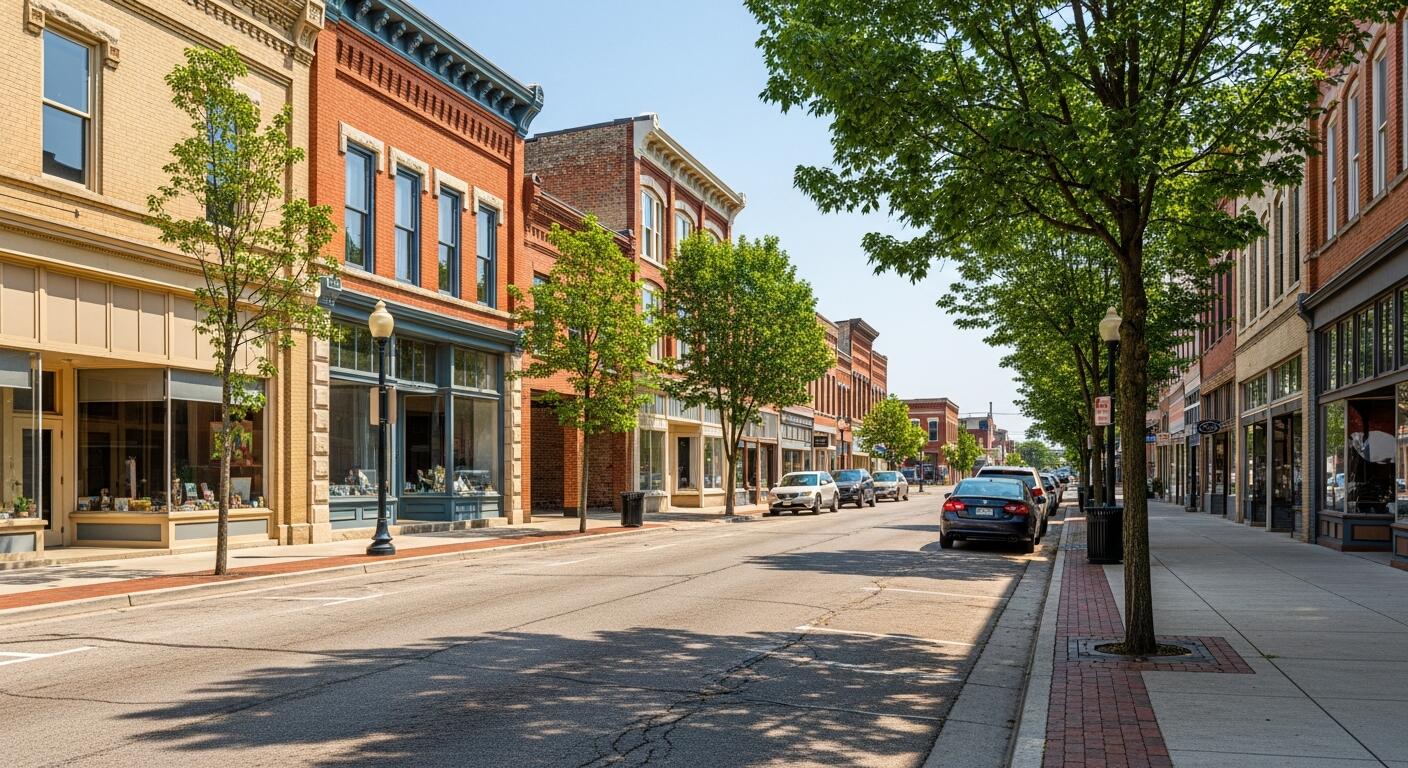
- Morris - downtown historic homes, riverfront properties near the Illinois River, and newer subdivisions on the south side
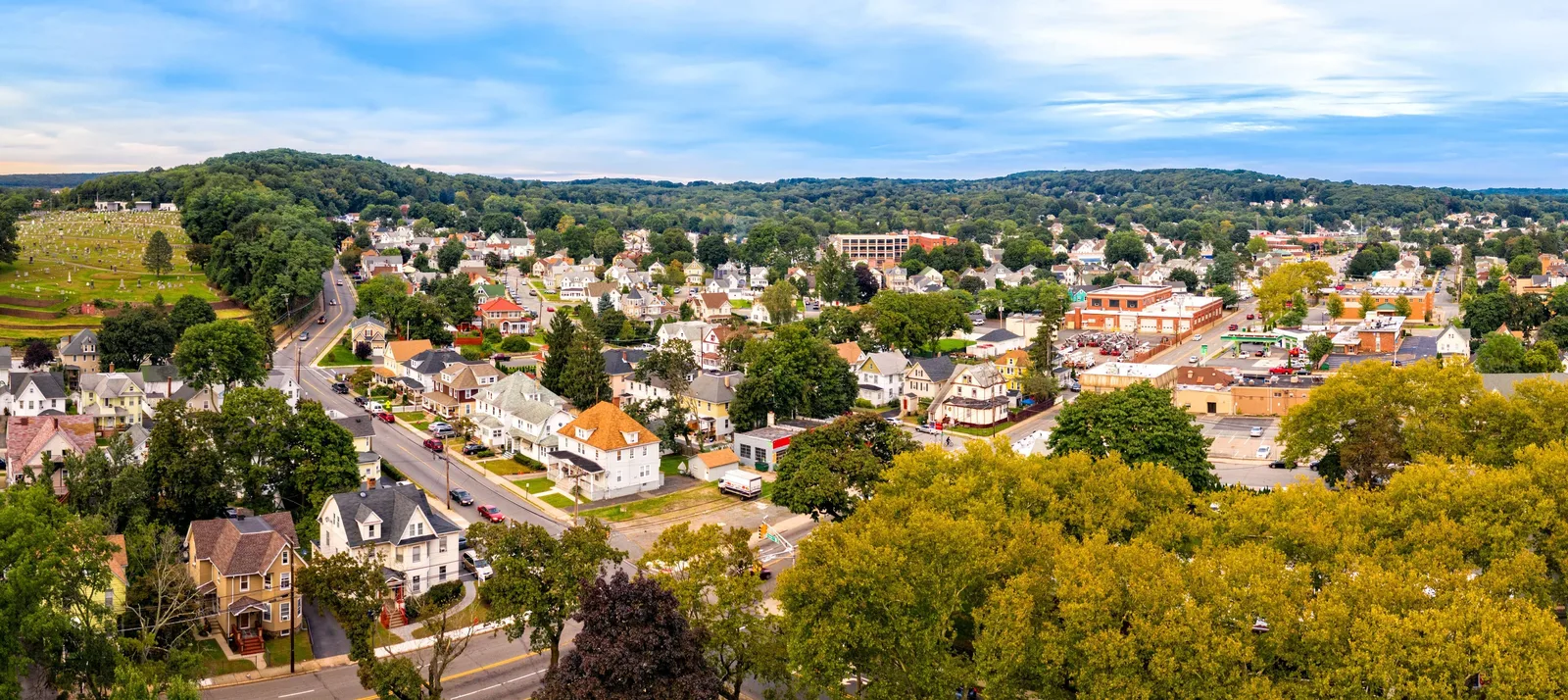
- Coal City and Diamond - older housing stock plus post-tornado rebuilt neighborhoods
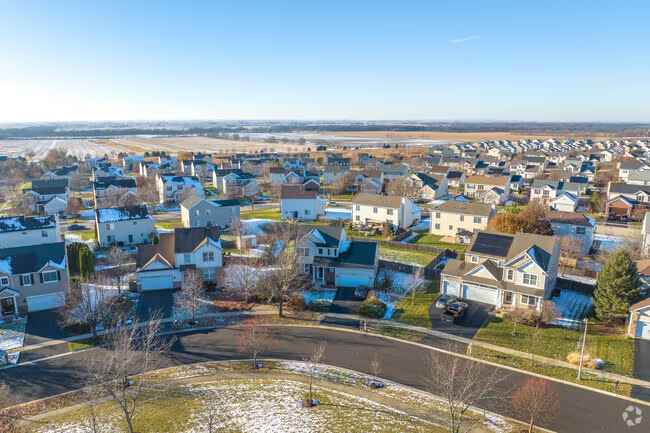
- Minooka - fast-growing subdivisions with finished basements
- Braceville, Godley, and Carbon Hill - small-lot village homes and mobile home communities
- Gardner and South Wilmington - rural properties and farmsteads
- Mazon, Verona, and Kinsman - creek-adjacent homes prone to seasonal flooding
- Seneca and East Brooklyn - canal and river corridor structures
Service also reaches unincorporated areas along Route 47, Route 6, I-80, and the Illinois & Michigan Canal corridor, plus properties bordering Goose Lake Prairie and Heidecke Lake.
Seasonal Damage Patterns in Grundy County
Winter (December - February)
- Frozen and burst pipes in exterior walls and crawl spaces
- Peak season for heating-related fire and smoke damage
- Ice damming that pushes meltwater into attics and ceilings
Spring (March - May)
- Snowmelt plus rainfall raising groundwater and flooding basements
- Sump pump overload and sewage backups during saturated ground conditions
- Severe storm and tornado season opening roofs to water intrusion
Summer (June - August)
- Humidity above 70 percent driving mold growth in basements and crawl spaces
- Power outages that disable sump pumps during downpours
- Lightning strikes and electrical fires
Fall (September - November)
- Clogged gutters and downspouts routing water to foundations
- First furnace runs circulating dust, soot, and lingering odors
- Fireplace and chimney fires as heating resumes
- Field burning and agricultural smoke affecting nearby structures
Housing Characteristics & Restoration Considerations
Grundy County housing spans more than a century of construction, and each era responds differently to water, fire, and mold.
Older Homes (pre-1960)
- Stone, block, or rubble foundations that wick moisture and resist sealing
- Plaster and lath walls that hold water far longer than drywall
- Balloon framing that lets smoke and fire travel vertically between floors
- Possible asbestos-containing floor tile, pipe wrap, and mastic requiring testing before demolition
- Cast iron and clay sewer laterals prone to root intrusion and backups
Mid-Century and Rural Properties
- Poured concrete basements with cove joint seepage
- Well and septic systems that complicate sewage cleanup and water testing
- Detached garages, barns, and pole buildings with limited fire separation
Newer Subdivisions
- Deep, fully finished basements where carpet, pad, and drywall absorb water quickly
- Tight building envelopes that trap humidity and smoke odor
- Engineered wood flooring and MDF trim that swell permanently once wet
- PEX and CPVC lines that split at fittings during hard freezes
Restoration planning accounts for these differences: plaster walls may be dried in place with injection systems, while saturated carpet pad and wet insulation come out immediately. Manufactured homes in Braceville, Godley, and South Wilmington need special attention to belly wrap and underfloor insulation, which can hold water invisibly for weeks and feed hidden mold colonies.
Environmental Conditions & Damage Implications
Local climate and ground conditions influence how quickly damage spreads and how drying is approached.
Climate
- Roughly 36 - 38 inches of annual precipitation, much of it in intense spring and summer bursts
- Summer dew points that keep indoor humidity high without dehumidification
- Winter temperatures well below freezing, stressing plumbing on exterior walls
- Location within a corridor that regularly produces severe thunderstorms and tornadoes
Soils and Groundwater
- Silty clay loam prairie soils that drain slowly and hold water against foundations
- High water tables near the Illinois, Kankakee, Mazon, and Aux Sable corridors
- Frost heave and seasonal soil movement that opens foundation cracks
- Former strip-mine ground in the county's southern reaches with irregular drainage
Air and Water Quality
- Agricultural dust and pollen that load HVAC systems and complicate post-fire cleaning
- Hard well water leaving mineral scale that accelerates fixture and supply line failure
- Rural septic systems that can surcharge during saturated soil conditions
These conditions mean mold spores are always present in the surrounding environment - they simply need moisture. Drying to documented moisture content targets, not just surface dryness, is what prevents a water loss from becoming a mold project weeks later.
Rapid Damage Assessment and Insurance Documentation in Grundy County
Grundy County set a statewide example after its 2015 tornadoes, deploying the first mobile damage assessment application used in Illinois. Data flowed directly to every agency involved, speeding awareness of the damage and delivery of services to residents.
As GIS director Dave Ostrander noted, assessment works best immediately after a disaster, when damage is fresh and residents are home cleaning up. That timing principle carries straight into property restoration.
How Documented Assessment Protects You
- Initial inspection - moisture meters, thermal imaging, and photographs establish the full scope before anything is removed
- Category and class determination - clean water, gray water, or sewage contamination dictates what can be dried versus discarded
- Containment and safety setup - barriers, negative air, and HEPA filtration for mold and sewage work
- Extraction and stabilization - standing water removed, contents relocated, tarping or board-up after fire
- Daily monitoring logs - moisture readings recorded and shared until drying goals are met
- Cleaning and deodorization - soot removal, antimicrobial application, HVAC cleaning, and odor treatment
- Reconstruction - drywall, flooring, trim, and finishes returned to pre-loss condition
What Homeowners Can Do Immediately
- Photograph every damaged room and item before moving anything
- Shut off water at the main valve or power at the panel when safe
- Keep receipts for lodging, fans, and emergency supplies
- Avoid entering sewage-affected areas without protective equipment
- Never run HVAC after a fire until ducts are inspected
- Schedule an assessment online rather than waiting for damage to worsen
As one Grundy County homeowner hit by two tornadoes put it: "It's just money. Life, you only have one." Property can be rebuilt - and thorough documentation makes that rebuild far less painful.