Damage Restoration in Bureau County, IL
- Damage Restoration Services Overview
- Common Damage Restoration Issues in Bureau County, Illinois
- Neighborhoods We Serve in Bureau County
- Seasonal Damage Patterns in Bureau County
- Housing Characteristics & Restoration Considerations
- Environmental Conditions & Damage Implications
- Insurance Documentation and Moisture Verification for Bureau County Property Owners
Damage Restoration Services Overview
You come home to a Princeton farmhouse after a weekend away and hear water running where no faucet is on. A supply line behind the washer let go Friday night, and by Sunday the basement has three inches of standing water, soaked insulation, and a smell that already hints at mold. That kind of moment calls for trained help, not a shop vac and hope.
Restoration work in Bureau County covers a wide range of emergencies, and each one demands different equipment, containment, and drying strategy:
- Water Damage Restoration - extraction, structural drying, moisture mapping, and repair of affected building materials
- Flooded Basement - pump-out, sump and drain assessment, foundation moisture control, and content recovery
- Sewage Cleanup - Category 3 contamination removal, disinfection, and safe disposal of porous materials
- Fire Damage Restoration - debris removal, structural stabilization, soot cleaning, and rebuild coordination
- Smoke Damage Restoration - odor neutralization, HVAC cleaning, and treatment of surfaces far from the burn area
- Mold Removal - containment, HEPA filtration, antimicrobial treatment, and correction of the moisture source
With more than 30 years restoring residential, commercial, and industrial properties across Illinois and Southern Wisconsin, experienced crews understand what rural and small-town properties in this part of the Illinois Valley need most: fast response, honest documentation for insurance, and drying that reaches behind walls rather than stopping at the surface.
Common Damage Restoration Issues in Bureau County, Illinois
Bureau County sits in north-central Illinois where the Illinois River, Bureau Creek, and miles of agricultural drainage tile shape how water moves. Heavy rain has nowhere to go quickly when fields are saturated, and older village sewer systems can surcharge into basements.
Frequent Causes of Loss
- Spring snowmelt combined with river-valley rain events pushing groundwater against foundations
- Sump pump failures during power outages caused by summer storms rolling across open farmland
- Combined or aging sanitary sewer lines backing up through floor drains in Princeton, Spring Valley, and Depue
- Frozen and burst supply lines in unheated crawl spaces, porches, and outbuildings
- Wood stove, fireplace, and space heater fires during long heating seasons
- Kitchen grease fires that leave smoke residue throughout an entire home
- Farm equipment, shop, and garage fires that spread to attached living space
- Hidden mold behind paneling, under carpet pad, and inside stone or block foundation walls
Warning Signs Worth Acting On
- Musty odor that gets stronger after rain or when the furnace runs
- Efflorescence, chalky white residue, or peeling paint on basement walls
- Cupping hardwood, soft baseboards, or stained drywall seams
- Sewer gas smell near floor drains or slow-draining fixtures on the lowest level
- Soot streaking above outlets and around ceiling registers after a small fire
- Smoke odor returning on humid days even after cleaning
Waiting turns a contained water loss into a mold remediation project, usually within a couple of days.
Neighborhoods We Serve in Bureau County
Service reaches homes, farms, and businesses across the entire county and into neighboring communities along the I-80 and Route 6 corridors.
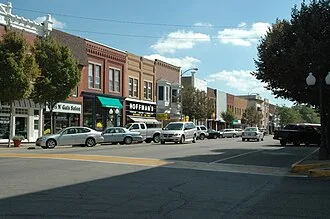
- Princeton - historic downtown district, Peru Street corridor, and surrounding residential blocks
- Spring Valley and Depue - riverfront neighborhoods and older brick housing stock
- Ladd, Cherry, and Dalzell - former mining-era villages with block foundations
- Walnut, Ohio, and Wyanet - farmsteads and small-town residential areas
- Tiskilwa and Bureau Junction - creek-valley properties prone to flash flooding
- Sheffield, Buda, Neponset, and Manlius - rural acreages and grain-country homes
- Malden, Arlington, Van Orin, and Seatonville - outlying townships
Crews also respond to adjacent areas including Peru, LaSalle, Kewanee, Mendota, and communities along the Hennepin Canal, so agricultural buildings and commercial properties outside town limits receive the same response as in-town addresses.
Seasonal Damage Patterns in Bureau County
Each season brings a predictable shift in the kinds of calls that come in.
- January - February: Frozen pipe breaks in crawl spaces and unheated additions; chimney and wood stove fires; ice dams forcing meltwater under shingles into upper-floor ceilings.
- March - April: Snowmelt plus spring rain saturating soil, driving basement seepage, sump overload, and sewage backups when systems surcharge.
- May - June: Severe thunderstorms and straight-line winds; roof breaches leading to interior water damage; power outages that disable sump pumps mid-storm.
- July - August: Peak mold season as humidity climbs; condensation on cool basement walls and ductwork; lingering smoke odor reactivating in humid air.
- September - October: Harvest-season dust and equipment fires; furnace startup pushing stale smoke and mold spores through the home.
- November - December: Heating equipment fires, holiday cooking incidents, and first hard freezes cracking exterior spigots and hose bibs.
Scheduling gutter cleaning, sump testing, and dryer vent inspection ahead of these windows prevents a large share of avoidable losses.
Housing Characteristics & Restoration Considerations
Much of Bureau County's housing predates 1960, with a strong concentration of late-1800s and early-1900s construction in Princeton, Tiskilwa, and the former mining villages. That age directly affects how restoration is planned.
Construction Types and Their Restoration Impact
- Limestone and rubble-stone foundations - porous, absorbent, and slow to dry; require extended dehumidification and often antimicrobial treatment after flooding
- Unglazed clay tile and cast iron sewer lines - prone to root intrusion and collapse, a common source of repeat sewage backups
- Balloon-frame walls - allow water and smoke to travel vertically from basement to attic without visible signs at the entry point
- Plaster and wood lath - holds moisture longer than drywall and absorbs smoke odor deeply, needing specialized cleaning rather than replacement wherever possible
- Knob-and-tube or early wiring - demands careful electrical evaluation before drying equipment is energized
- Wood paneling over studs in finished basements - a frequent hiding place for mold growth after minor seepage
- Farmhouses with additions - multiple roof planes, mixed foundation types, and unheated connectors that freeze first
Newer subdivisions near Princeton and along the I-80 corridor feature poured concrete foundations, engineered flooring, and tighter building envelopes. These homes dry faster but trap humidity and odor more aggressively, so air scrubbing and controlled ventilation carry more weight. Documentation of pre-loss finishes matters in both cases, particularly where original millwork, hardwood, or stained trim deserves restoration instead of demolition.
Environmental Conditions & Damage Implications
Local climate and ground conditions shape nearly every restoration decision made in this county.
Climate
- Humid continental pattern with summer dew points regularly in the 60s and 70s, feeding mold growth in basements and crawl spaces
- Winter lows well below freezing, creating pipe-freeze and ice-dam risk from December through February
- Roughly three feet of annual precipitation, much of it in intense spring and early-summer storms
Soil and Groundwater
- Deep, clay-rich prairie soils that hold water and swell against foundation walls after saturation
- Illinois River valley and creek-bottom properties with elevated water tables and slow drainage
- Agricultural tile networks that can discharge unexpectedly toward low-lying yards and basements
- Radon-prone geology, meaning sub-slab work during restoration should account for soil gas pathways
Air and Water Quality
- Seasonal field dust, pollen, and controlled burn smoke that settle in HVAC systems and complicate post-fire air quality
- Hard well water in rural areas that scales fixtures and shortens water heater life, a recurring source of tank failures and flooding
- Private septic systems that back up during saturated ground conditions, producing contaminated water losses
These realities mean drying targets are set against local baseline humidity, mold remediation includes correcting exterior grading and downspout discharge, and sewage cleanup accounts for well and septic proximity before any disinfection or disposal begins.
Insurance Documentation and Moisture Verification for Bureau County Property Owners
A restoration project succeeds or stalls based on how carefully it is documented. Rural and small-town claims often involve outbuildings, private wells, and older finishes that adjusters have not seen before, so detailed evidence protects the property owner.
How a Thorough Project Unfolds
- Emergency response - stop the source, address safety hazards, and secure the structure against further loss
- Initial assessment - moisture meters, thermal imaging, and hygrometer readings map the full extent of migration, including wall cavities and subfloor
- Photo and written record - room-by-room images, affected material inventory, and category classification for water or contamination level
- Containment - poly barriers and negative air machines isolate sewage or mold work areas from clean living space
- Removal and cleaning - unsalvageable porous materials come out, salvageable surfaces receive appropriate cleaning agents, soot sponges, or antimicrobial treatment
- Structural drying - air movers and dehumidifiers positioned by calculation, with daily readings logged until materials reach dry standard
- Verification - independent moisture confirmation and, where warranted, post-remediation clearance before rebuild begins
- Reconstruction - drywall, flooring, trim, paint, and finish work matched to pre-loss condition
What Detailed Records Give You
- Clear proof of scope when a claim covers both a flooded basement and resulting mold growth
- Daily drying logs that show materials reached dry standard rather than just feeling dry
- Separate documentation for smoke damage in rooms untouched by flame, which insurers often overlook
- Contents inventories for items sent out for cleaning, deodorization, or disposal
- Justification for restoring original woodwork and plaster instead of tearing it out
Skipping verification is how homeowners end up with recurring odor, cupped floors, or mold behind fresh paint. Careful measurement at every stage is what keeps a single repair from becoming a second claim.