Damage Restoration in Macon County, IL
- Damage Restoration Services Overview
- Common Damage Restoration Issues in Macon County, Illinois
- Neighborhoods We Serve in Macon County
- Seasonal Damage Patterns in Macon County
- Seasonal Damage Patterns in Macon County
- Housing Characteristics & Restoration Considerations
- Environmental Conditions & Damage Implications
- Insurance Documentation and Start-to-Finish Restoration in Macon County
Damage Restoration Services Overview
Water that sits for a few days rarely stays a small problem. Saturated framing warps, drywall wicks moisture upward, subfloors delaminate, and mold colonies take hold inside wall cavities where no one sees them until the smell arrives.
Fire and sewage losses follow the same pattern. Soot residues turn acidic and etch metal, glass, and finishes, while contaminated water leaves bacteria behind in porous materials long after the visible mess is gone.
Macon County property owners have access to a full range of restoration work handled by trained crews:
- Water Damage Restoration - extraction, structural drying, and repair after burst pipes, supply line failures, appliance leaks, and roof intrusion
- Flooded Basement - pump-out, content triage, and moisture control for below-grade spaces
- Sewage Cleanup - removal of Category 3 water, disinfection, and safe disposal of contaminated materials
- Fire Damage Restoration - stabilization, debris removal, structural cleaning, and rebuild
- Smoke Damage Restoration - soot removal, thermal fogging, HVAC cleaning, and odor neutralization
- Mold Removal - containment, HEPA filtration, antimicrobial treatment, and moisture source correction
The benefit of acting early is straightforward: fewer materials removed, lower repair scope, cleaner insurance documentation, and a safer home for the people living in it.
Common Damage Restoration Issues in Macon County, Illinois
Central Illinois weather swings hard, and homes around Decatur, Mount Zion, and Forsyth absorb the punishment. Flat prairie terrain, clay-heavy soil, and aging municipal infrastructure combine to send water where it does not belong.
Frequent Causes of Loss
- Spring thunderstorm cells that drop several inches of rain in an hour, overwhelming yard grading and window wells
- Sump pump failure during power outages, a leading cause of flooded basement calls
- Sanitary sewer backups when combined lines surcharge during heavy rain
- Frozen and burst supply lines in unheated crawlspaces, garages, and vacant rentals during January cold snaps
- Kitchen fires, space heater incidents, and electrical faults in older wiring systems
- Roof and siding breaches from straight-line winds and hail, leading to slow attic leaks
Warning Signs Worth Investigating
- Musty or earthy odor in the basement, especially after rain
- Efflorescence - white chalky residue - on foundation walls
- Cupping or crowning hardwood floors near dishwashers, refrigerators, or exterior doors
- Ceiling stains that change shape or darken after storms
- Persistent smoke odor that returns on humid days after a small fire
- Allergy symptoms that improve when occupants leave the house
- Slow floor drains or gurgling toilets, which often precede a sewage backup
Any one of these signals deserves a moisture reading and a look behind finishes before repairs begin.
Neighborhoods We Serve in Macon County
Coverage extends across the county, from established city neighborhoods to rural properties on well and septic systems.
- Decatur - South Shores, Lincoln Park, West End, Fairview, Torrence Park, and the downtown commercial corridor
- Forsyth - newer subdivisions near Barnett Avenue and Hickory Point
- Mount Zion - residential streets surrounding the school campus and Lake Decatur's east side
- Argenta, Oreana, and Maroa - farmsteads and small-town homes north of the county
- Warrensburg, Niantic, and Illiopolis edge properties to the west
- Blue Mound, Macon, and Moweaqua area in the southern townships
- Long Creek, Harristown, and Boody along the outlying corridors
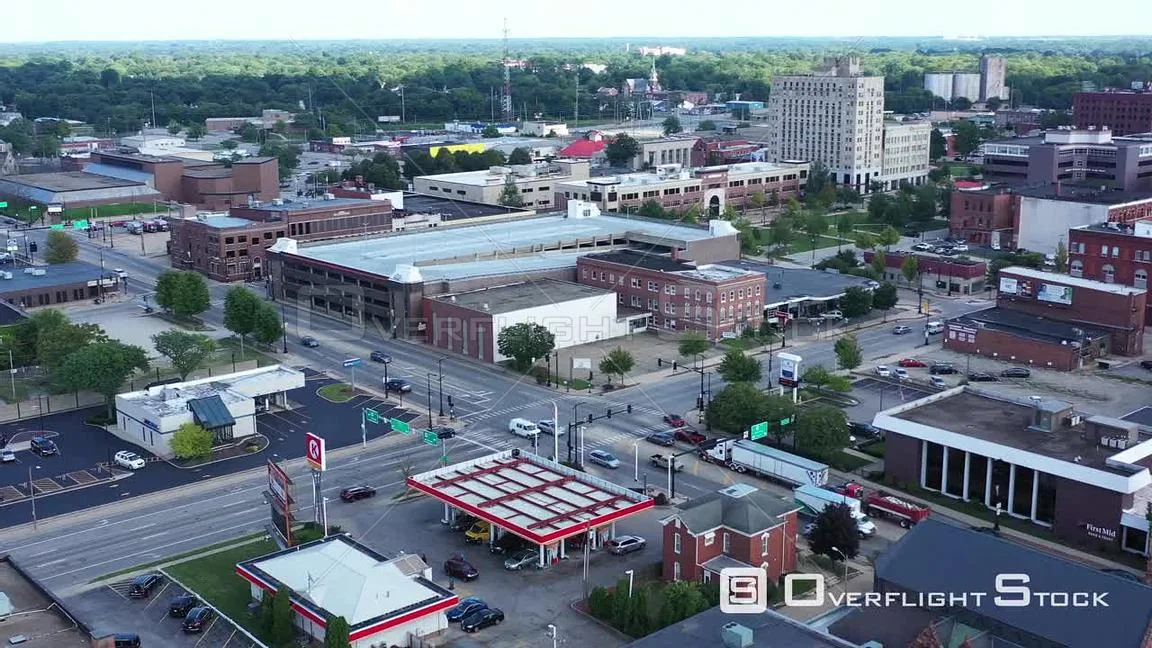
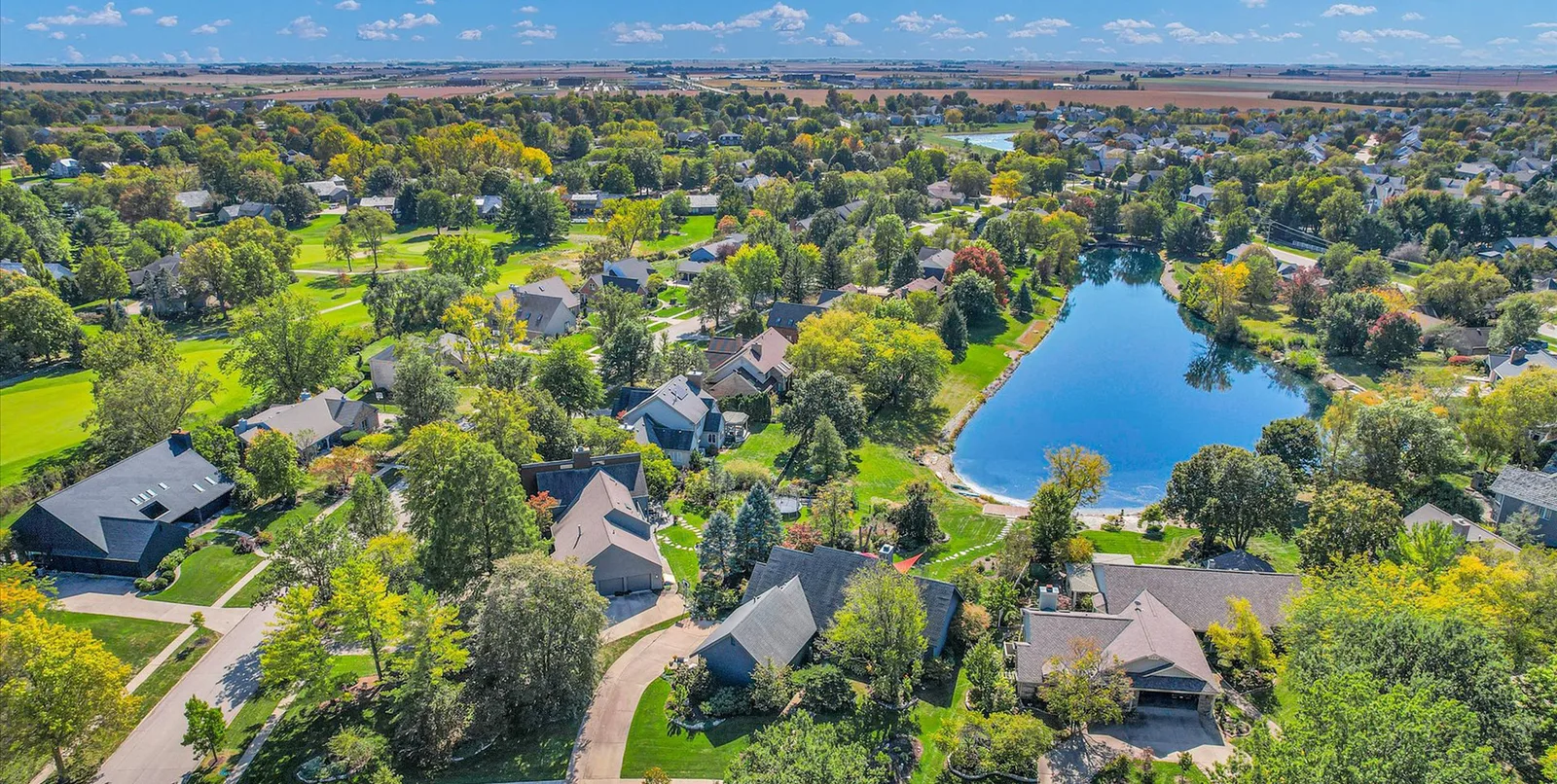
Lakefront homes along Lake Decatur, rural properties with private lift stations, and multi-unit buildings near Millikin University each present different access and drying challenges, and crews plan equipment placement accordingly.
Seasonal Damage Patterns in Macon County
Seasonal Damage Patterns in Macon County
Restoration demand in central Illinois follows a predictable rhythm. Knowing what season brings helps owners prepare instead of react.
- January - February: Frozen pipe bursts peak. Supply lines in exterior walls and crawlspaces split, releasing water for hours before discovery. Heating equipment and fireplace fires also cluster here, driving smoke damage restoration work.
- March - April: Snowmelt plus spring rain saturates clay soil. Flooded basement calls and sump pump failures dominate. Mold growth begins as temperatures climb.
- May - June: Severe thunderstorms, hail, and wind breach roofs. Sewage cleanup requests rise as sanitary lines surcharge during downpours.
- July - August: High dew points push indoor humidity up. Hidden mold in basements, crawlspaces, and behind bathroom tile becomes visible and odorous.
- September - October: Slower season for water, busier for fire as heating systems restart without maintenance and dry vegetation ignites near outbuildings.
- November - December: Cooking fires and holiday electrical loads increase fire and smoke losses. Early freezes catch outdoor spigots and vacant properties.
Housing Characteristics & Restoration Considerations
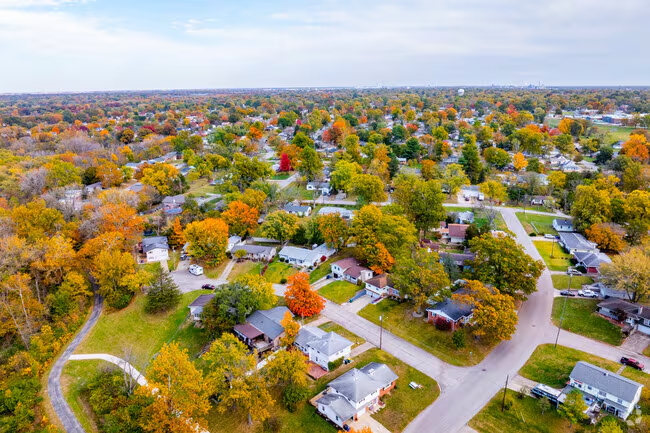
Macon County housing stock skews older than the national average. Large portions of Decatur were built between the 1900s and 1960s, with postwar ranches and bungalows making up much of the inventory, while Forsyth and Mount Zion carry newer construction from the 1980s forward.
How Construction Age Shapes the Work
- Plaster and lath walls hold moisture differently than drywall and often need injection drying rather than removal
- Unfinished or partially finished basements with block foundations allow lateral seepage through mortar joints
- Cast iron and clay sewer laterals in older neighborhoods crack and root-intrude, increasing backup risk
- Balloon framing in pre-1940 homes lets fire, smoke, and water travel vertically between floors with no fire stops
- Asbestos-containing floor tile, mastic, and pipe wrap require testing before demolition in mid-century homes
- Knob-and-tube or early wiring remnants raise electrical fire risk and demand caution during water extraction
- Crawlspaces with dirt floors feed constant vapor into the structure, sustaining mold after the visible problem is corrected
Newer Homes Have Their Own Issues
- Tighter envelopes trap moisture and smoke odor with less natural air exchange
- Engineered wood subfloors and MDF trim swell fast and rarely recover
- Finished lower levels put carpet, drywall, and cabinetry directly in the flood path
- Upper-floor laundry rooms turn a single hose failure into a three-level water loss
Environmental Conditions & Damage Implications
Macon County sits in a humid continental climate with roughly 38 to 40 inches of annual precipitation and long stretches of summer humidity. Those conditions shape every drying plan.
Soil and Groundwater
- Heavy silty clay loam drains slowly, holding water against foundation walls after storms
- Expansive clay shrinks in drought and swells when wet, opening foundation cracks that later admit water
- Flat prairie grading gives runoff nowhere to go, sending it toward window wells and stairwells
- Shallow water tables near Lake Decatur and the Sangamon River corridor increase hydrostatic pressure on basement slabs
Air and Humidity
- Summer dew points frequently exceed 65 degrees, so uncontrolled outdoor air makes drying worse rather than better
- Agricultural dust and seasonal field burning add particulate load that combines with soot after a fire
- Basements below 60 percent relative humidity resist mold; above 60 percent, colonization can begin within days
Water Quality Factors
- Hard water mineral content leaves scale that shortens water heater and supply line life
- Municipal combined sewer sections raise backup risk during peak rain events
- Rural septic systems can surcharge into basements when drain fields saturate
Because of these conditions, crews rely on desiccant or refrigerant dehumidification matched to the season, along with containment that keeps humid outside air out of the drying chamber.
Insurance Documentation and Start-to-Finish Restoration in Macon County
Most Macon County homeowners are handling a claim and a wrecked house at the same time. The paperwork side determines how much of the repair gets covered, and it starts on day one.
What Thorough Documentation Includes
- Photo and video record of conditions before any material is removed
- Moisture mapping with meter readings logged by room and material
- Thermal imaging to locate water behind finishes and above ceilings
- Daily drying logs showing temperature, humidity, and equipment placement
- Categorization of water - clean, gray, or black - which drives what can be saved
- Itemized inventory of damaged contents with condition notes
- Air sampling results when mold is suspected or confirmed
The Full Sequence
- Emergency contact and dispatch - crews mobilize around the clock, including weekends and holidays
- Safety assessment - electrical hazards, structural stability, and contamination levels are checked before entry
- Source control - the leak is stopped, the sewer line is cleared, or the roof is tarped
- Extraction and debris removal - standing water pumped out, unsalvageable materials removed under containment
- Cleaning and disinfection - antimicrobial application for sewage losses, soot removal and HVAC cleaning for fire losses
- Structural drying - air movers and dehumidifiers run until materials return to dry standard, verified by meter
- Odor treatment - hydroxyl or ozone treatment, sealing, and encapsulation as conditions require
- Reconstruction - drywall, flooring, trim, cabinetry, and paint returning the space to pre-loss condition
- Final walkthrough - clearance readings and a documentation package handed to the owner and adjuster
Working with one team from the first pump to the last coat of paint removes the gaps where responsibility gets lost between a mitigation contractor and a separate rebuild crew.