
Damage Restoration in Decatur, IL
- Damage Restoration Services Overview
- Common Damage Restoration Issues in Decatur, Illinois
- Neighborhoods We Serve in Decatur
- Seasonal Damage Patterns in Decatur
- Housing Characteristics & Restoration Considerations
- Environmental Conditions & Damage Implications
- Emergency Response Timelines for Decatur Storm and Water Losses
Damage Restoration Services Overview
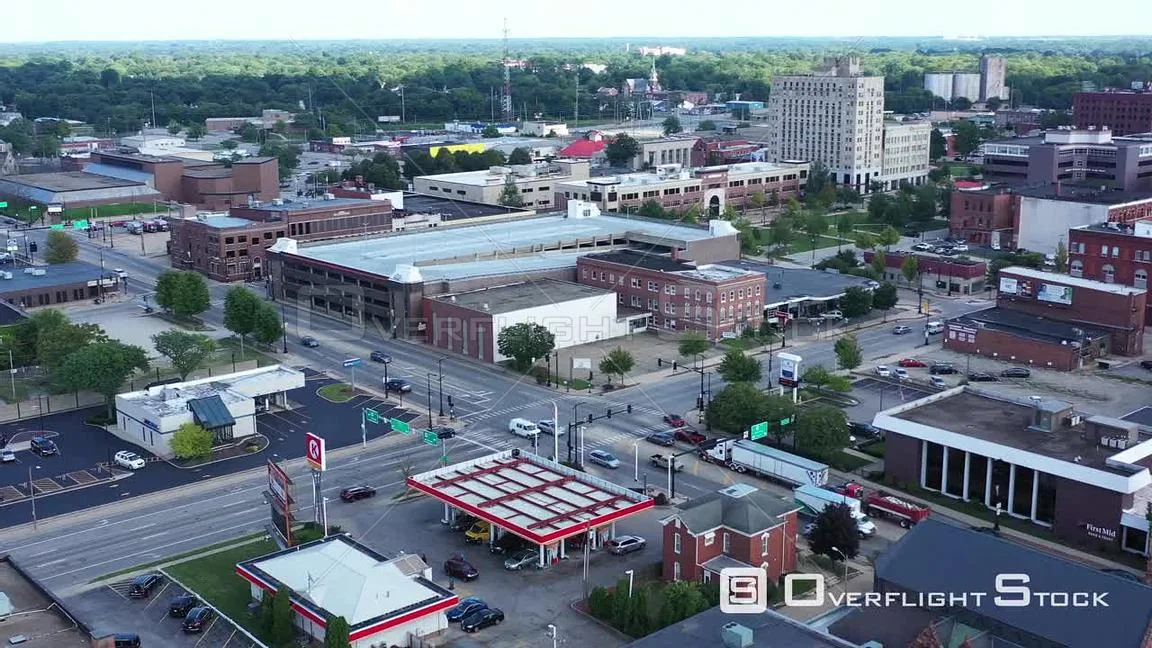
What would you do if you walked into your Decatur home tomorrow morning and found two inches of standing water across the basement floor? Property damage rarely announces itself, and the hours immediately after discovery shape how much of your building materials, flooring, and belongings can be saved.
Restoration work in Macon County covers a connected set of emergencies, each requiring different equipment and drying strategies:
- Water Damage Restoration - extraction, structural drying, and moisture mapping after burst pipes, appliance failures, and roof leaks
- Flooded Basement - pump-out, sump pit troubleshooting, and drying of block foundation walls and subfloors
- Sewage Cleanup - removal of contaminated materials, antimicrobial treatment, and disinfection following backups
- Fire Damage Restoration - debris removal, structural stabilization, board-up, and content cleaning
- Smoke Damage Restoration - soot removal from surfaces and HVAC systems plus odor neutralization
- Mold Removal - containment, controlled removal of affected materials, and correcting the moisture source
The benefits for Decatur property owners are practical: less material replacement, shorter disruption, cleaner indoor air, and documentation that supports an insurance claim. Fast response also limits secondary problems - warped hardwood, delaminated cabinetry, and mold colonies that begin forming within a day or two of a water event.
Common Damage Restoration Issues in Decatur, Illinois
Central Illinois weather and aging infrastructure drive most of the emergency calls in the Decatur area. Heavy thunderstorm cells, wind-driven rain, hail, and rapid freeze-thaw cycles all leave their mark on local structures.
Frequent Local Causes
- Spring and summer storms producing roof and shingle damage that lets water into attics and upper ceilings
- Hail and wind damage that compromises flashing, siding, and vent boots
- Saturated clay soils forcing groundwater through foundation cracks and cove joints
- Municipal and lateral sewer line surcharges during intense downpours, pushing wastewater into floor drains
- Failed sump pumps and battery backups during power outages
- Frozen supply lines in crawl spaces, garages, and unheated additions during January cold snaps
- Kitchen fires, furnace puff-backs, and electrical faults in older wiring systems
Warning Signs Worth Acting On
- Musty odors near basement stairwells, closets, or behind finished walls
- Efflorescence, chalky white staining, or bubbling paint on foundation walls
- Ceiling stains that change shape or darken after rainfall
- Gurgling floor drains or slow-draining fixtures on the lowest level
- Soot film on window glass, lampshades, or HVAC return grilles
- Persistent smoke odor that intensifies with humidity or heating
- Buckling laminate, cupped hardwood, or soft spots near baseboards
Catching any of these early usually means targeted drying or cleaning rather than demolition and rebuild.
Neighborhoods We Serve in Decatur
Response covers the full Decatur metropolitan area and the smaller communities that surround it.
- Downtown Decatur and the Near West Side
- Lake Decatur shoreline neighborhoods and South Shores
- Fairview Park, West End, and the Johns Hill area
- North End, Northeast Decatur, and the Pershing Road corridor
- Mount Zion, Forsyth, and Long Creek
- Boody, Harristown, Morrisburg, Maroa, Argenta, and Warrensburg
- Blue Mound, Macon, Niantic, and Oreana
Service extends across Macon County and into Moultrie, Shelby, DeWitt, Piatt, and Christian counties. Rural properties on septic systems, farmsteads with outbuildings, and lakefront homes with walkout lower levels each present distinct drying challenges, and crews arrive equipped for well water, private septic, and municipal connections alike.
Seasonal Damage Patterns in Decatur
Knowing what the calendar typically brings helps property owners prepare before the emergency call.
- December through February - frozen and burst pipes, ice dams along north-facing eaves, furnace malfunctions and puff-backs, chimney and space heater fires, and dry indoor air that pushes smoke odor deeper into fabrics.
- March through May - snowmelt combined with heavy spring rain saturates clay soil, producing flooded basements, sump pump overload, and sewer backups. Severe storm season begins, bringing hail and wind-driven roof leaks.
- June through August - humidity climbs and mold growth accelerates in basements, crawl spaces, and closed-up vacation properties. Air conditioning condensate line clogs cause ceiling and wall damage. Grilling and outdoor fires add summer fire calls.
- September through November - clogged gutters from falling leaves force water behind fascia and into soffits. Heating systems restart, releasing accumulated soot and revealing dormant smoke odors. Late-season storms continue to test aging roofs.
Sewage cleanup requests cluster around the heaviest rainfall events in spring and midsummer, when the ground can no longer absorb runoff.
Housing Characteristics & Restoration Considerations
Decatur's housing stock skews older than the national average, with a large share of homes built between the 1920s and the 1970s during the city's manufacturing growth. That age influences nearly every restoration decision.
Common Construction Types and Their Impact
- Full basements with poured or block foundations - typical across the city and the primary collection point for groundwater and sewer backups; block cavities hold water and require targeted drying access
- Plaster and lath walls - found in pre-war homes; they absorb water slowly but release it just as slowly, often needing extended drying with specialty equipment
- Balloon-frame construction - allows fire, smoke, and water to travel vertically inside wall cavities, so inspection must extend well beyond the visible damage
- Original hardwood flooring - frequently salvageable with floor drying mats if extraction begins quickly
- Finished basements added later - paneling, carpet padding, and framed walls trap moisture against foundation surfaces and are common mold sources
- Cast iron and clay sewer laterals - prone to root intrusion and collapse, contributing to repeat backup events
- Ranch homes and split-levels from the 1960s and 1970s - crawl spaces beneath additions often lack vapor barriers
Newer construction in Mount Zion, Forsyth, and outlying subdivisions relies on engineered wood, drywall, and tighter building envelopes. These homes dry faster but hold humidity longer without mechanical ventilation, which makes post-loss dehumidification and moisture verification a required step rather than an optional one.
Environmental Conditions & Damage Implications
Local climate and ground conditions explain why some restoration jobs in Decatur take longer than the same loss would elsewhere.
Climate and Humidity
- Humid continental climate with hot, sticky summers and freezing winters
- Summer dew points regularly high enough to stall passive drying, making commercial dehumidification necessary
- Annual precipitation concentrated in intense spring and early summer events rather than spread evenly
- Freeze-thaw cycling that widens foundation cracks year after year
Soil and Groundwater
- Deep, fertile prairie soils with heavy clay subsoil that drains slowly and holds water against foundations
- Hydrostatic pressure buildup after storms, forcing seepage through cove joints and cold joints
- Clay expansion and contraction that stresses buried sewer laterals and drain tile
- Flat terrain across much of the area, limiting natural surface drainage away from structures
Water and Air Quality Factors
- Lake Decatur as the municipal source, with seasonal treatment variations that occasionally affect water clarity
- Agricultural dust and field burning that add particulates to outdoor air and complicate post-fire air scrubbing
- Pollen and mold spore counts that rise sharply in late summer and fall
Combined, these conditions mean mold colonization after a water event can begin quickly, sewage contamination spreads through porous clay-adjacent materials, and smoke particles bond tightly to surfaces in humid air - all reasons drying and cleaning protocols are verified with meters and moisture logs rather than by appearance.
Emergency Response Timelines for Decatur Storm and Water Losses
When a storm cell rolls across Macon County, dozens of properties can be affected within the same hour. The order in which work begins determines what survives.
What Happens in the First Hours
- Safety assessment - electrical hazards, structural instability, and contamination category are identified before anyone enters the affected area.
- Source control - water is shut off, roofs are tarped, and openings are boarded to stop additional intrusion.
- Extraction and pump-out - truck-mounted units and submersible pumps clear standing water from basements and lower levels.
- Contaminated material removal - for sewage losses, saturated carpet, padding, drywall, and insulation are removed and disposed of under proper handling procedures.
- Antimicrobial application - surfaces are cleaned and treated to suppress bacterial and fungal growth.
- Drying setup - air movers, dehumidifiers, and containment are positioned based on affected square footage and material type.
- Daily monitoring - moisture readings are logged until materials return to dry standards, then the rebuild conversation begins.
Why Speed Matters Here
- Mold growth can begin within roughly 24 to 48 hours in Decatur's humid conditions
- Soot becomes acidic as it sits, permanently etching metal, glass, and finished surfaces
- Sewage bacteria multiply rapidly in warm, saturated materials
- Wet drywall and insulation lose structural integrity and are far less likely to be salvageable after prolonged saturation
Steps Property Owners Can Take Immediately
- Photograph and video all damage before moving anything
- Shut off the water main or electrical panel only if it is safe to reach
- Stay out of any area with standing water and live power
- Avoid running the HVAC system after a fire to prevent soot circulation
- Keep receipts for temporary lodging and emergency supplies for the claim file
IICRC-certified technicians document each phase so the insurance carrier receives clear evidence of the loss, the scope, and the drying results.





