Damage Restoration in Peoria, IL
Damage Restoration Services Overview
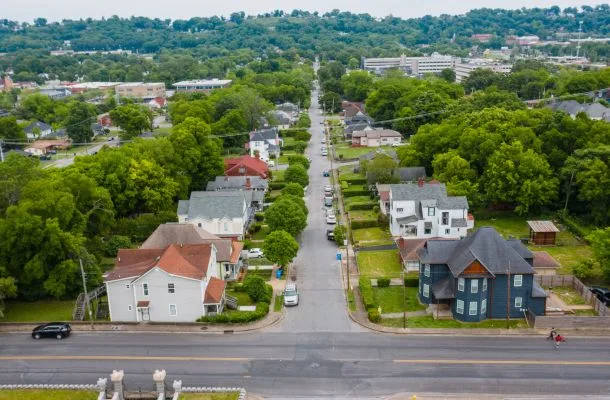
Delaying damage restoration in your Peoria home can lead to devastating long-term consequences. Water damage spreads rapidly through building materials, creating ideal conditions for mold growth within 24-48 hours. Fire and smoke residues become permanently embedded in surfaces when left untreated, while sewage contamination poses serious health risks that compound over time.
Professional restoration services address these urgent needs through specialized techniques and equipment. Our comprehensive damage restoration services in Peoria include:
- Water Damage Restoration - Rapid extraction, structural drying, and moisture control
- Flooded Basement - Complete water removal and foundation protection
- Sewage Cleanup - Safe contamination removal and sanitization
- Fire Damage Restoration - Structural repair and debris removal
- Smoke Damage Restoration - Odor elimination and surface cleaning
- Mold Removal - Complete remediation and prevention strategies
These services protect your property value while safeguarding your family's health. Professional restoration teams use advanced moisture detection equipment, industrial-grade dehumidifiers, and specialized cleaning agents to restore your home to pre-damage conditions.
Common Damage Restoration Issues in Peoria, Illinois
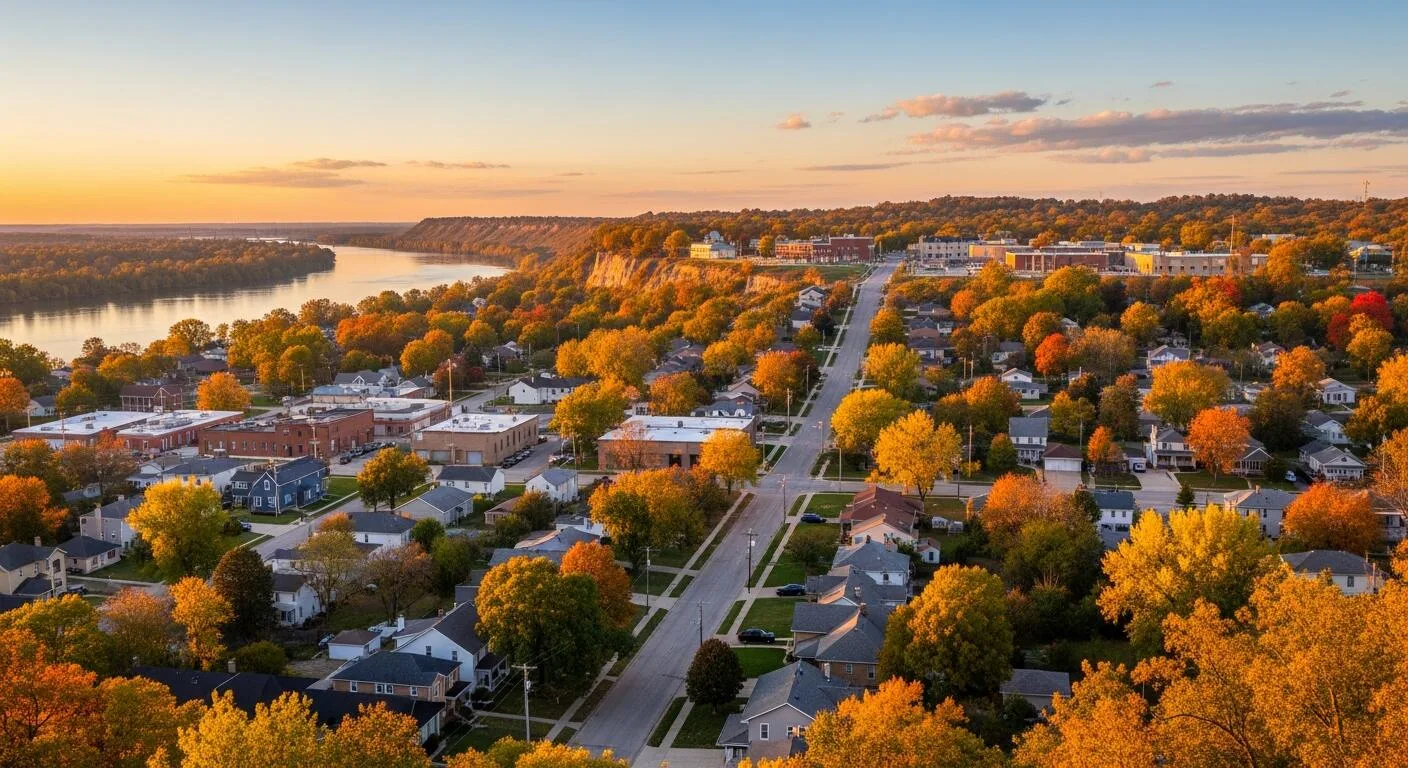
Peoria's location along the Illinois River creates unique challenges for property owners. The city's proximity to waterways increases flood risks during heavy rainfall periods, particularly affecting lower-level areas and basements.
Local factors contributing to damage include:
- Seasonal flooding - Spring snowmelt and summer storms overwhelm drainage systems
- Aging infrastructure - Older sewer lines backup during peak usage
- Temperature fluctuations - Freeze-thaw cycles cause pipe bursts and foundation shifts
- High humidity - River proximity creates moisture problems and mold growth
- Wind damage - Prairie winds drive rain into structures and fuel fires
Warning signs requiring immediate attention include:
- Standing water in basements or crawl spaces
- Musty odors indicating hidden moisture or mold
- Discolored walls or ceilings from water infiltration
- Persistent smoke smells after fires
- Sewage backups in floor drains
- Visible mold growth on surfaces
- Buckled flooring or warped wood
Early detection and professional intervention prevent minor issues from becoming major restoration projects. Regular inspections help identify vulnerabilities before damage occurs.
Neighborhoods We Serve in Peoria
Our damage restoration services cover all Peoria neighborhoods and surrounding communities. We respond quickly to calls throughout the greater Peoria area, including:
- Central Peoria - Downtown, Warehouse District, Medical District
- West Peoria - Residential areas near Farmington Road
- North Peoria - Neighborhoods along War Memorial Drive
- East Peoria - Riverfront properties and commercial districts
- Peoria Heights - Hillside homes with unique drainage challenges
- Morton - Suburban developments and rural properties
- Washington - Historic homes requiring specialized restoration
- Chillicothe - Rural areas prone to well water issues
Each neighborhood presents distinct challenges based on elevation, soil conditions, and housing types. Our local knowledge helps us respond appropriately to area-specific damage patterns.
Seasonal Damage Patterns in Peoria
Peoria experiences distinct seasonal damage patterns that property owners should anticipate:
Spring (March-May)
- Snowmelt flooding affects basements and foundations
- Severe thunderstorms cause wind and water damage
- Increased mold growth from rising humidity levels
Summer (June-August)
- Heavy rainfall overwhelms storm drains
- Air conditioning failures create moisture problems
- Fire risks increase during dry periods
Fall (September-November)
- Clogged gutters cause water infiltration
- Heating system startups may trigger fires
- Temperature drops reveal hidden water damage
Winter (December-February)
- Frozen pipes burst when temperatures fluctuate
- Ice dams force water under roofing materials
- Increased indoor heating creates fire hazards
- Poor ventilation leads to moisture accumulation
Understanding these patterns helps homeowners prepare for seasonal risks and respond quickly when damage occurs.
Housing Characteristics & Restoration Considerations
Peoria's diverse housing stock presents unique restoration challenges based on construction era and building materials. The city features homes ranging from Victorian-era structures to modern developments, each requiring specialized approaches.
Historic Homes (Pre-1940)
- Original plaster walls absorb water quickly during floods
- Knob-and-tube wiring increases fire risks
- Lead pipes corrode and burst more frequently
- Basement stone foundations allow water seepage
- Original hardwood floors require careful drying techniques
Mid-Century Homes (1940-1980)
- Asbestos materials require specialized removal during restoration
- Cast iron sewer lines prone to backups and breaks
- Forced-air systems spread smoke damage throughout homes
- Concrete block foundations develop cracks over time
Modern Construction (1980-Present)
- Synthetic materials may release toxic fumes during fires
- Tighter construction traps moisture and promotes mold
- Complex HVAC systems require professional cleaning after damage
- Engineered lumber swells significantly when wet
Professional restoration teams adapt their techniques based on these construction characteristics, using appropriate materials and methods for each home type.
Environmental Conditions & Damage Implications
Peoria's environmental conditions significantly impact damage restoration needs and timelines. The city's continental climate creates temperature extremes that stress building materials and systems.
Climate Factors
- Average humidity levels of 70-80% promote mold growth
- Temperature swings from -10°F to 90°F cause material expansion
- Annual precipitation of 36 inches creates ongoing moisture challenges
- Prevailing winds from the southwest drive weather patterns
Soil Conditions
- Clay-rich soil expands when wet, shifting foundations
- Poor drainage in low-lying areas increases flood risks
- Seasonal soil movement affects basement waterproofing
- High water table in riverfront areas complicates drying
Water Quality Issues
- Hard water minerals leave deposits in damaged pipes
- Iron content stains surfaces during water damage events
- Chlorine levels affect restoration chemical compatibility
- Well water contamination requires specialized testing
These environmental factors influence restoration strategies, equipment selection, and timeline expectations. Professional teams monitor conditions continuously to adjust their approaches and achieve optimal results.
Illinois River Flooding & Basement Protection
The Illinois River poses ongoing flood risks for Peoria properties, particularly those in low-lying areas and near tributaries. River flooding creates unique challenges that require specialized restoration approaches and preventive measures.
Flood Damage Patterns
- Basement flooding occurs rapidly when river levels rise
- Contaminated floodwater carries debris and pollutants
- Sewer systems backup during peak flood events
- Foundation walls experience hydrostatic pressure
- Electrical systems suffer damage from standing water
Immediate Response Protocol
- Safety assessment and power disconnection
- Rapid water extraction using truck-mounted equipment
- Contamination testing and classification
- Structural drying with industrial dehumidifiers
- Antimicrobial treatment to prevent mold growth
- Documentation for insurance claims
Prevention Strategies
- Sump pump installation and backup systems
- Foundation waterproofing and drainage improvements
- Elevated utility placement above flood levels
- Emergency preparedness plans for rapid response
- Regular maintenance of drainage systems
Professional restoration teams understand river flooding dynamics and work quickly to minimize damage. They coordinate with local emergency services and insurance adjusters to streamline the recovery process while protecting property values and family safety.