
Damage Restoration in Mount Zion, IL
- Damage Restoration Services Overview
- Common Damage Restoration Issues in Mount Zion, Illinois
- Neighborhoods We Serve in Mount Zion
- Seasonal Damage Patterns in Mount Zion
- Housing Characteristics & Restoration Considerations
- Environmental Conditions & Damage Implications
- Storm-Damaged Roofs and the Water Intrusion That Follows in Mount Zion
Damage Restoration Services Overview
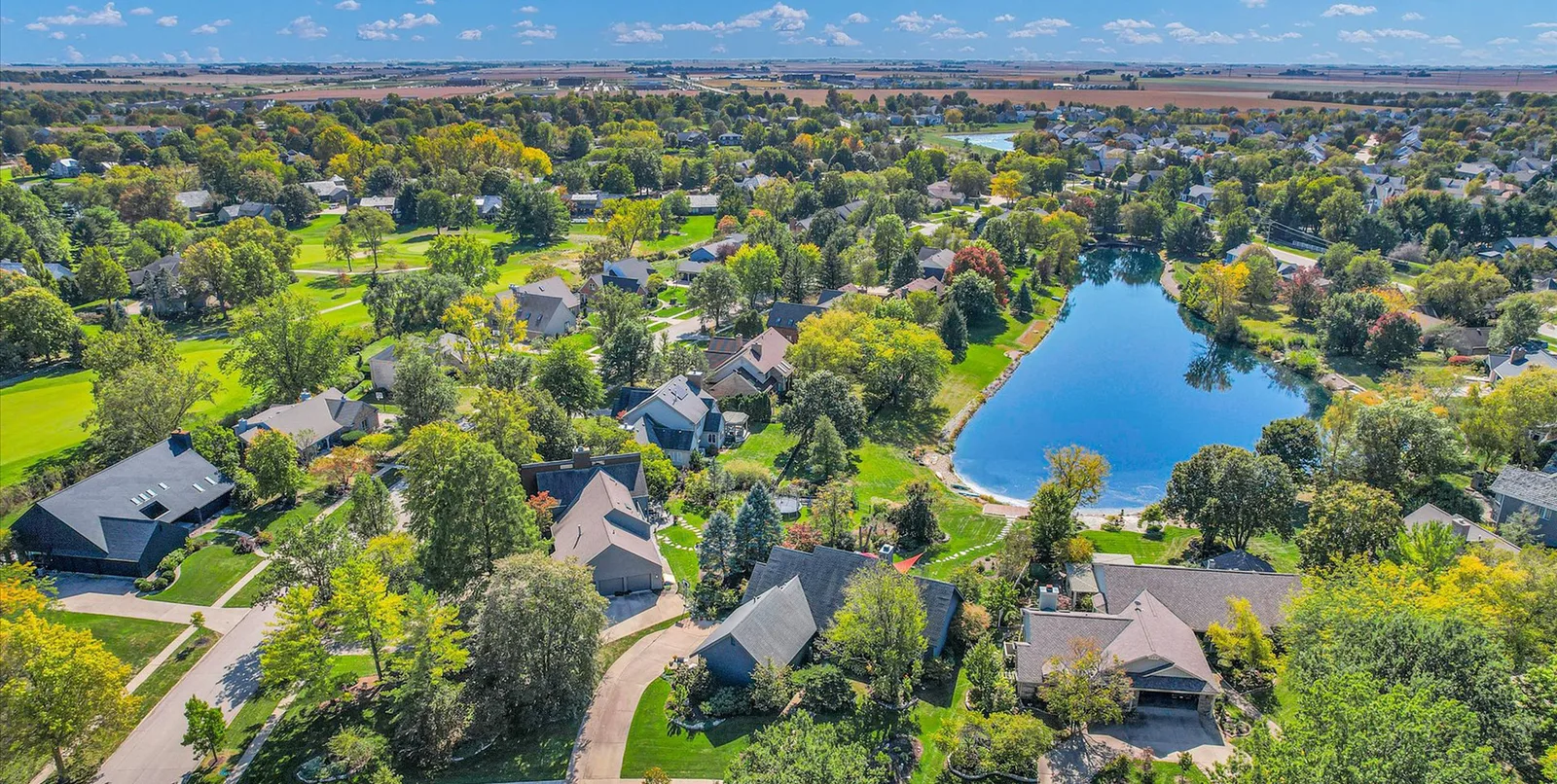
Mount Zion sits in the heart of Macon County, where flat prairie ground, heavy clay soils, and a front-row seat to Central Illinois storm systems combine to put homes at real risk. Village residents learned that firsthand when a tornado tore through the area north of town, damaging roofs, tearing open attics, and leaving properties exposed to driving rain within minutes.
Restoration here rarely involves a single problem. Wind opens a roof, water follows, and mold begins colonizing wet drywall within days. That is why full-service response matters for Mount Zion households.
- Water Damage Restoration - extraction, structural drying, and moisture mapping after roof breaches, plumbing failures, or appliance leaks
- Flooded Basement - pump-out, content removal, and drying for below-grade spaces along Lake Decatur drainage areas
- Sewage Cleanup - safe removal of Category 3 contamination from backed-up floor drains and septic overflows
- Fire Damage Restoration - stabilization, debris removal, soot cleaning, and structural repair planning
- Smoke Damage Restoration - odor neutralization, HVAC decontamination, and surface treatment for homes with smoke residue but no burn damage
- Mold Removal - containment, HEPA filtration, and antimicrobial treatment for hidden growth in crawl spaces and finished basements
The benefit for homeowners is simple: one coordinated response protects the structure, the contents, and indoor air quality before secondary damage multiplies repair costs.
Common Damage Restoration Issues in Mount Zion, Illinois
Local damage patterns follow local conditions. Mount Zion homes contend with severe convective storms, aging sanitary infrastructure, and expansive clay soil that pushes groundwater toward foundations.
Leading Causes of Property Damage
- Tornado and straight-line wind events - cracked tiles, lifted shingles, torn flashing, and compromised underlayment or roof decking allow rain into attics and wall cavities
- Spring and early summer downpours - saturated clay soil sheds water toward foundations rather than absorbing it
- Sump pump failure during power outages - a common cause of flooded basements after severe storms
- Sanitary sewer surcharge - heavy rain overwhelms lines and pushes wastewater back through basement floor drains
- Frozen and burst supply lines - unheated crawl spaces and garage walls are frequent failure points in January and February
- Heating and cooking fires - furnaces, space heaters, and kitchen incidents spike during colder months
Warning Signs Worth Acting On
- Musty odor in a finished basement or along baseboards
- Bubbling paint, stained ceiling tiles, or soft drywall near exterior walls
- Water stains around chimney flashing or roof valleys after storms
- Gurgling floor drains or slow-draining basement fixtures
- Persistent smoke smell that returns when the furnace or air conditioning runs
- Visible dark spotting on joists, subfloor, or behind stored boxes
Catching these early keeps a drying job from turning into a demolition and mold remediation project.
Neighborhoods We Serve in Mount Zion
Crews respond throughout the village and the surrounding rural stretches of Macon County, including areas hit hardest by recent storm activity north of town.
- Central Mount Zion near the village center, Main Street, and the school campus corridor
- Established subdivisions off Route 121 and Mount Zion Road
- Newer residential developments on the village's south and east edges
- Rural acreages and farmsteads north toward the Lake Decatur shoreline
- Neighboring communities including Decatur, Long Creek, Macon, Blue Mound, Dalton City, and Moweaqua
Familiarity with local building stock matters. A 1970s ranch with a block foundation dries differently than a newer two-story with poured walls and a finished lower level. Knowing which streets sit low, which subdivisions rely heavily on sump systems, and which older homes still have unsealed crawl spaces shortens response time and improves drying outcomes.
Seasonal Damage Patterns in Mount Zion
Central Illinois delivers a distinct restoration calendar, and knowing what each season brings helps homeowners prepare instead of react.
- March through June - peak severe weather. Tornadoes, hail, and straight-line winds damage roofs, followed immediately by water intrusion calls and flooded basements from saturated ground.
- July and August - humidity drives mold growth. Damp crawl spaces, condensation on ductwork, and slow leaks produce microbial growth quickly in warm conditions.
- September and October - remnant tropical systems and heavy rain events push sewer systems past capacity, increasing sewage backup calls.
- November and December - heating season begins. Furnace puff-backs, chimney issues, and space heater incidents raise fire and smoke damage volume. Late-season tornadoes remain possible, as the December event near Mount Zion showed.
- January and February - freeze-thaw cycles burst pipes in exterior walls and crawl spaces, often flooding multiple levels before anyone is home to shut off the water.
Off-season preparation - sealing crawl space vents, testing sump pumps, cleaning gutters, and servicing the furnace - reduces the odds of an emergency call during the busiest weeks.
Housing Characteristics & Restoration Considerations
Mount Zion's housing stock spans mid-century ranches, 1970s through 1990s subdivision homes, and newer construction on the village outskirts. Each era brings its own restoration challenges.
Older Homes (pre-1980)
- Concrete block or poured foundations with minimal exterior waterproofing, prone to seepage during heavy rain
- Original cast iron or clay sewer laterals subject to root intrusion and collapse, raising sewage backup risk
- Plaster and older drywall that holds moisture longer and requires careful drying or controlled removal
- Possible asbestos-containing floor tile or insulation requiring testing before demolition after fire or flood
- Balloon-framed wall cavities that let smoke and soot travel between floors
Newer Construction
- Finished basements with carpet, padding, and framed walls that trap water behind vapor barriers
- Engineered wood subfloors and I-joists that swell and lose structural integrity when saturated
- Tighter building envelopes that hold smoke odor and humidity, making mechanical dehumidification and air scrubbing more important
- Tile and architectural roofing systems where cracked tiles, damaged flashing, and worn underlayment allow slow leaks into decking
Restoration planning accounts for these differences. Drying a plaster wall assembly, a finished basement, and an open crawl space each require distinct equipment placement, airflow strategy, and moisture verification before rebuilding begins.
Environmental Conditions & Damage Implications
The local environment shapes how quickly damage spreads and how aggressively it must be treated.
Climate
- Humid continental pattern with hot, muggy summers and cold winters
- Summer dew points regularly high enough to support mold growth on any damp surface within 24 to 48 hours
- Roughly 38 to 40 inches of annual precipitation, much of it in concentrated spring and summer downpours
- Freeze-thaw cycling that stresses foundations, roof flashing, and water supply lines
Soil and Water
- Heavy silt loam and clay subsoil with poor drainage, holding water against foundation walls after storms
- Hydrostatic pressure that forces moisture through block joints and floor-wall seams
- Proximity to Lake Decatur and the Sangamon River watershed influencing groundwater levels in low-lying areas
- Hard water that contributes to appliance and supply line failures over time
Air Quality Effects
- Agricultural dust and seasonal pollen load HVAC filters, worsening particulate spread after a fire
- Soot particles bond to cool surfaces and circulate through duct systems, requiring HEPA filtration and duct cleaning
- Elevated indoor humidity after flooding keeps mold spores viable, so dehumidification continues until moisture readings match dry standards
Documenting temperature, relative humidity, and material moisture content throughout the drying process confirms the structure is genuinely dry - not just dry to the touch.
Storm-Damaged Roofs and the Water Intrusion That Follows in Mount Zion
The most common restoration sequence in Mount Zion starts overhead. When tornadic winds or hail strike, the roof takes the first hit - and every hour that a breach stays open, water travels deeper into the structure.
What Roof Damage Leads To
- Cracked or displaced tiles and shingles that expose underlayment to rain
- Bent or torn flashing around chimneys, valleys, and vent stacks
- Saturated roof decking that delaminates and loses fastener hold
- Wet blown-in insulation that compresses, loses R-value, and holds moisture against framing
- Water tracking down wall cavities into main floors and basements
- Mold colonization in attics within days during warm, humid stretches
The Response Sequence
- Emergency stabilization - tarping and board-up to stop additional water entry
- Assessment and documentation - moisture meters, thermal imaging, and photo records for the insurance claim
- Water extraction and removal - pulling standing water, wet insulation, and unsalvageable materials
- Structural drying - air movers and low-grain refrigerant dehumidifiers positioned according to affected material class
- Antimicrobial application - treating exposed framing and sheathing to prevent microbial growth
- Verification - daily moisture readings until materials reach documented dry standards
- Repair and reconstruction - roof deck replacement, underlayment, flashing, tile or shingle work, insulation, drywall, and finishes
Work follows recognized industry standards for water damage restoration and mold remediation, including containment barriers, negative air pressure, and HEPA filtration where contamination is present. That discipline matters most in Mount Zion, where a single storm can generate roof repair, water extraction, basement pumping, and mold prevention needs on the same property in the same week.





