
Damage Restoration in Rock Falls, IL
- Damage Restoration Services Overview
- Common Damage Restoration Issues in Rock Falls, Illinois
- Neighborhoods We Serve in Rock Falls
- Seasonal Damage Patterns in Rock Falls
- Housing Characteristics & Restoration Considerations
- Environmental Conditions & Damage Implications
- Modern Drying Technology and 24/7 Emergency Response Along the Rock River
Damage Restoration Services Overview
You head downstairs to grab something from the storage shelves and hear a sound no Rock Falls homeowner wants to hear - water splashing under your shoes. Within hours, that inch of standing water has soaked drywall, saturated carpet padding, and started working its way into subflooring.
Property damage rarely announces itself in advance. Whether it starts with a failed sump pump, a backed-up sewer line, or a kitchen fire, the response in the first hours shapes how much of your home can be saved.
Full-service restoration for Rock Falls properties covers:
- Water Damage Restoration - extraction, structural drying, and moisture mapping after leaks, burst pipes, and storm intrusion
- Flooded Basement Cleanup - pump-out, content handling, and dehumidification for below-grade spaces
- Sewage Cleanup - removal of contaminated material, disinfection, and odor control after backups
- Fire Damage Restoration - debris removal, structural stabilization, and rebuilding after flame damage
- Smoke Damage Restoration - soot cleaning, HVAC decontamination, and deodorization
- Mold Removal - containment, remediation, and moisture-source correction
The benefit for residents along the Rock River is straightforward: help is available around the clock, damage gets contained before it spreads, and documentation supports the insurance process.
Common Damage Restoration Issues in Rock Falls, Illinois
Sitting on the south bank of the Rock River in Whiteside County, Rock Falls has a geography that keeps water on everyone's mind. Add the Hennepin Canal running through the east side, and groundwater pressure becomes a year-round factor for basements.
Water and Basement Problems
- River-driven groundwater rise pushing through foundation cracks and cove joints
- Sump pump failure during multi-inch rainfall events or power outages
- Ice damming on older rooflines forcing meltwater into attics and ceilings
- Frozen and burst supply lines in uninsulated crawl spaces and exterior walls
- Storm and derecho damage that opens roofs and windows to wind-driven rain
Sewage and Sanitation Issues
- Municipal line surcharge during heavy rain, pushing wastewater into floor drains
- Root intrusion in older clay lateral lines under mature tree canopy
- Failed backwater valves in basements finished decades ago
Fire and Smoke
Wildfire isn't a local concern, but structure fires certainly are. Common origins include aging electrical wiring in mid-century homes, unattended stovetops, space heaters during January cold snaps, and autumn leaf burning when conditions turn dry.
Warning Signs Worth Acting On
- Musty odor in basements or closets that returns after cleaning
- Bubbling paint, cupping hardwood, or stained baseboards
- Persistent smoke smell that intensifies with humidity
- Slow floor drains or gurgling fixtures
- Visible dark spotting on joists, sill plates, or behind furniture
Neighborhoods We Serve in Rock Falls
Service extends across the city and into surrounding Whiteside County communities, with crews familiar with the housing stock and drainage patterns in each area.
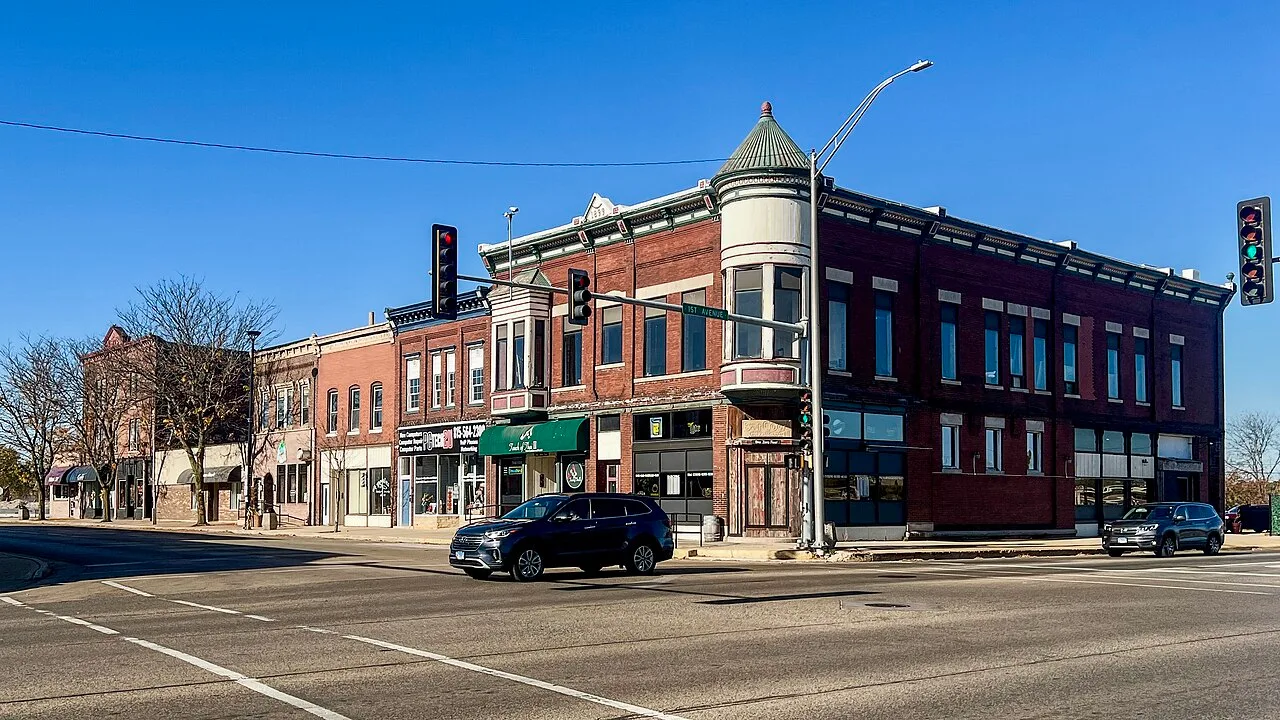
- Downtown Rock Falls and the riverfront district - older commercial buildings and mixed-use structures near the Rock River
- South side residential areas along and near Illinois Route 40
- East side neighborhoods near the Hennepin Canal corridor
- West end and Route 30 corridor properties
- Neighborhoods near the I-88 interchanges and outlying county parcels
Nearby communities also covered include Sterling directly across the river, Harmon, Tampico, Prophetstown, Morrison, Deer Grove, Coleta, Erie, and rural addresses throughout eastern Whiteside County and northern Lee County.
Knowing which streets sit on low-lying ground and which have older sewer laterals means crews arrive with the right equipment loaded rather than making a second trip.
Seasonal Damage Patterns in Rock Falls
Northern Illinois weather creates a predictable cycle of restoration needs.
Winter (December - February)
- Frozen pipe bursts during extended sub-zero stretches
- Ice damming pushing water into ceilings and wall cavities
- Heating-related fires from furnaces, space heaters, and fireplaces
- Smoke damage from puffbacks in older oil and gas systems
Spring (March - May)
- Snowmelt combined with rain raising Rock River and groundwater levels
- Peak flooded basement calls and sump pump overload
- Sewer backups during saturated-ground rainfall events
Summer (June - August)
- Severe thunderstorms, derechos, and wind-driven rain through damaged roofing
- Power outages disabling sump systems
- Rapid mold growth in humid, poorly ventilated basements and crawl spaces
Fall (September - November)
- Leaf-burning and outdoor fire incidents during dry stretches
- Clogged gutters directing water toward foundations
- First-use furnace fires and smoke odor complaints
- Hidden mold discovered as homes close up for the season
Housing Characteristics & Restoration Considerations
Rock Falls was founded in 1867, and its housing reflects that long history. The city's roughly 8,600 residents live in a mix of late-19th-century homes, post-war bungalows, mid-century ranches, and newer construction on the outskirts.
What Local Construction Means for Restoration
- Stone and rubble foundations in the oldest homes are porous and hold moisture, complicating basement drying and inviting mold at sill plates
- Balloon-frame walls in Victorian-era houses let smoke, soot, and water travel vertically between floors with no fire stops
- Plaster and lath holds moisture far longer than drywall and requires different drying strategies
- Knob-and-tube or early wiring remains in some attics and walls, contributing to electrical fire risk
- Finished basements from the 1960s-1980s often use wood paneling and organic-backed carpet that must be removed after any water event
- Clay sewer laterals under mature parkway trees crack and admit roots, leading to backups
Restoration Adjustments for Older Properties
- Moisture readings taken behind plaster and inside wall cavities rather than surface-only
- Careful containment when disturbing materials that may contain asbestos or lead paint
- Targeted cavity drying with injection systems instead of wholesale demolition
- Soot removal matched to the substrate - painted plaster, varnished trim, and brick each need different methods
- Crawl space vapor barrier evaluation as part of any mold remediation plan
Newer subdivisions near the interchanges bring their own issues - poured foundations that crack at cove joints and tighter building envelopes that trap humidity.
Environmental Conditions & Damage Implications
The local environment shapes how damage develops and how restoration is planned.
Climate
- Humid continental pattern with hot, sticky summers and hard winter freezes
- Summer dew points regularly high enough to sustain mold growth without mechanical dehumidification
- Deep frost line increasing risk to shallow water lines and exterior spigots
- Freeze-thaw cycling that widens foundation cracks year after year
Water and Soil
- Proximity to the Rock River and Hennepin Canal keeps the water table high in east and low-lying areas
- Silty and clay-heavy soils common to the region drain slowly and hold water against foundation walls
- Hydrostatic pressure becomes the primary driver of basement seepage after prolonged rain
- Hard water contributes to appliance supply line corrosion and pinhole leaks
Air Quality Implications
- Agricultural dust and seasonal pollen add load to HVAC systems already stressed by soot
- Smoke particles bond to cold surfaces and circulate through ductwork long after a fire is out
- Mold spore counts climb during humid stretches, worsening symptoms for allergy-sensitive occupants
How This Changes the Work
- Dehumidification is sized for regional humidity, not generic square footage
- Sewage cleanup includes full disinfection because contaminated water spreads readily in porous soils and cracked slabs
- Mold remediation always addresses the moisture source - drainage, grading, or ventilation - not just the visible growth
- Air scrubbing with HEPA filtration runs throughout fire and mold projects to protect indoor air
Modern Drying Technology and 24/7 Emergency Response Along the Rock River
Living near flowing water is part of Rock Falls life, and so is the reality that water finds its way into buildings. What has changed is the equipment and science used to reverse it.
Equipment That Shortens Recovery
- Truck-mounted and portable extractors that pull standing water from basements and remove moisture from carpet and pad
- Low-grain refrigerant dehumidifiers capable of pulling moisture from air even in cool basement conditions
- Axial and centrifugal air movers positioned to create directed airflow across wet surfaces
- Injectidry cavity systems that dry inside walls and under hardwood without removing finishes
- Thermal imaging cameras and penetrating moisture meters that reveal hidden saturation behind plaster and beneath tile
- HEPA air scrubbers and negative air machines for mold containment and post-fire particulate capture
- Hydroxyl and ozone generators plus thermal fogging for smoke odor at the molecular level
- Ultrasonic cleaning tanks for restoring soot-covered contents and household items
How an Emergency Call Progresses
- Round-the-clock dispatch with crews responding to Rock Falls and surrounding Whiteside County addresses
- Safety assessment covering electrical hazards, structural stability, and contamination category
- Water extraction or fire debris removal, plus board-up and tarping when the envelope is compromised
- Moisture mapping and documentation photographed for the insurance claim
- Controlled drying with daily readings logged until materials reach dry standard
- Antimicrobial application, soot cleaning, and deodorization as the loss type requires
- Reconstruction - drywall, flooring, trim, and paint - returning the space to pre-loss condition
Why Speed Matters Here
Mold can establish in as little as a day or two under summer humidity. Sewage contamination spreads through porous materials fast, and soot turns acidic, etching metal and glass within days.
Werner Restoration provides water damage repair, fire and smoke restoration, sewage cleanup, and mold remediation throughout Rock Falls. Call (309) 792-0912 when the unexpected happens.





