
Damage Restoration in Sterling, IL
- Damage Restoration Services Overview
- Common Damage Restoration Issues in Sterling, Illinois
- Neighborhoods We Serve in Sterling
- Seasonal Damage Patterns in Sterling
- Housing Characteristics & Restoration Considerations
- Environmental Conditions & Damage Implications
- Sump Pump Failure and Sewage Backup Response in Sterling Basements
Damage Restoration Services Overview
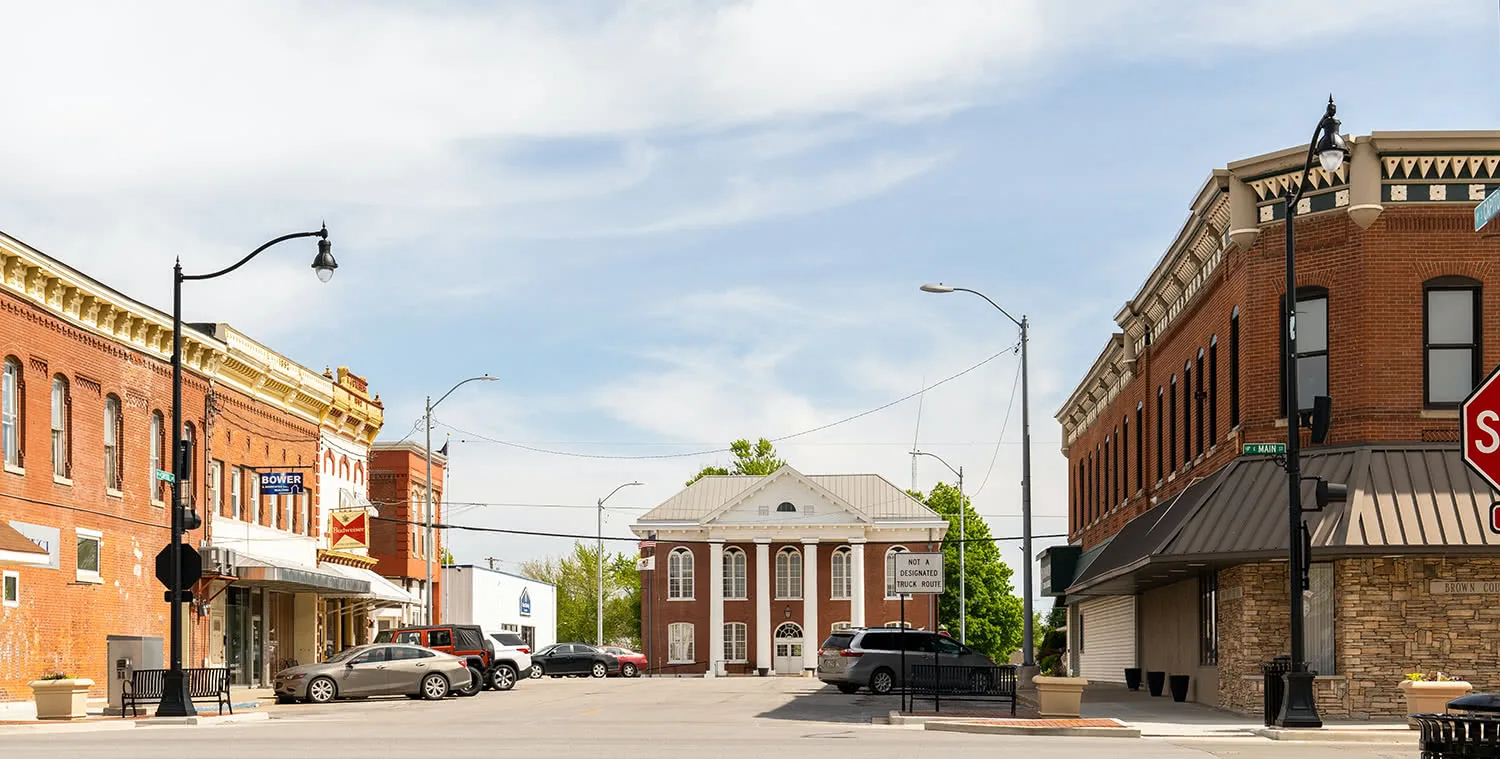
When water pours into a basement at midnight or smoke fills a kitchen in seconds, knowing that trained help is close by changes everything. Werner Restoration works throughout Sterling, IL, helping homeowners and business owners move from crisis to recovery with clear steps and steady communication.
Our restoration work covers the full range of property emergencies seen along the Rock River corridor:
- Water Damage Restoration - extraction, structural drying, and moisture mapping after burst pipes, appliance failures, and roof leaks
- Flooded Basement Cleanup - pump-outs, sump pump failure response, and drying of finished lower levels
- Sewage Cleanup - safe removal of contaminated water, disinfection, and disposal of affected porous materials
- Fire Damage Restoration - board-up, debris removal, structural cleaning, and contents recovery
- Smoke Damage Restoration - soot removal from surfaces, HVAC cleaning, and odor neutralization
- Mold Removal - containment, source correction, and removal of affected building materials
Benefits Sterling property owners gain from professional response include faster drying, reduced secondary damage, documentation that supports insurance claims, and healthier indoor air once the work is finished. Call (309) 792-0912 any time a loss occurs.
Common Damage Restoration Issues in Sterling, Illinois
Sterling sits in Whiteside County where the Rock River, flat farmland drainage, and a wide temperature swing between seasons all shape the kinds of losses we respond to.
Local Causes of Property Damage
- Heavy spring rain overwhelming yard drainage and older foundation drain tile
- Sump pump failures during power outages tied to summer thunderstorms
- Frozen and burst supply lines in unheated crawl spaces and porch walls during January cold snaps
- Combined and aging sanitary lines that back up into floor drains after saturating rainfall
- Cooking fires, space heater fires, and wiring faults in homes with original electrical service
- Hidden humidity in basements and behind vinyl wallpaper that feeds mold growth
Warning Signs Worth Acting On
- Musty odor that grows stronger near the basement stairs or in a closet on an exterior wall
- Efflorescence, chalky white staining, or peeling paint on block foundation walls
- Gurgling floor drains or slow-draining laundry standpipes, both early sewage warning signs
- Cupping hardwood, soft baseboard, or carpet tack strips that stay damp days after a spill
- Yellow-brown staining on ceilings after a wind-driven rain event
- Lingering smoke odor that returns on humid days after a small kitchen fire was wiped down
Each of these signals a problem that spreads if left alone. Water migrates through wall cavities within hours, mold colonies establish within a couple of days in warm humid conditions, and acidic soot etches metal, glass, and finished surfaces the longer it sits.
Neighborhoods We Serve in Sterling
Our crews respond across Sterling and the surrounding Whiteside and Lee County communities, including:
- Downtown Sterling and the East Third Street business district
- Neighborhoods surrounding Sterling High School and Centennial Park
- Riverside and Lawrence Park areas near the Rock River
- West End and Locust Street corridor residential blocks
- Sinnissippi Park and Northland neighborhoods
- Rock Falls, just across the river
- Dixon, Prophetstown, Morrison, Tampico, and Coleta
- Rural properties and farmsteads along Route 40, Route 30, and Route 2
Commercial clients include storefronts, medical offices, churches, warehouses, apartment buildings, and manufacturing facilities. Whether the call is a flooded basement in a century-old home near the river or sewage backup in a Rock Falls rental duplex, response follows the same disciplined process.
Seasonal Damage Patterns in Sterling
Winter (December - February)
- Frozen pipe breaks in crawl spaces, garages, and vacant properties
- Ice dams pushing meltwater under shingles and into ceilings
- Heating equipment and fireplace fires, plus puffback soot from furnaces
Spring (March - May)
- Thaw plus rainfall driving flooded basements and hydrostatic seepage
- Sewage backups when saturated ground overloads sanitary lines
- Storm damage from severe weather season across northwest Illinois
Summer (June - August)
- Peak mold season as humidity climbs and basements stay damp
- Sump pump failures during outage-causing thunderstorms
- Air conditioning condensate line clogs soaking ceilings and closets
- Grilling and outdoor fires that spread to structures
Fall (September - November)
- Clogged gutters from leaf drop pushing water against foundations
- First furnace runs releasing smoke odor and soot into ductwork
- Mold discovered during pre-winter cleaning and storage projects
Housing Characteristics & Restoration Considerations
Sterling's housing stock leans older than the national average, with a large share of homes built between the 1890s and the 1960s during the city's manufacturing growth. That history shapes how restoration work is planned.
Construction Types Common in Sterling
- Pre-1940 wood frame homes with limestone or brick foundations, plaster walls over wood lath, and balloon framing that lets water and smoke travel between floors
- Mid-century ranches with poured concrete or block basements, finished rec rooms, and original drain tile
- Post-1990 subdivisions with drywall, engineered flooring, and sealed building envelopes that hold moisture when drying is delayed
- Brick commercial buildings downtown with shared party walls and multi-tenant plumbing stacks
How Age Affects Each Service
- Water and flooded basement work - block foundations wick moisture, so drying often requires wall cavity ventilation rather than surface air movement alone
- Sewage cleanup - cast iron and clay laterals in older neighborhoods crack and root-intrude, making backups repeat events without line repair
- Fire and smoke restoration - open stud bays and plaster keys hold odor, requiring sealing and sometimes selective demolition
- Mold removal - homes with knob-and-tube era insulation upgrades often trap moisture, so containment and source correction go hand in hand
Asbestos-containing floor tile, mastic, and lead paint appear in many pre-1978 Sterling homes, so testing and proper handling are built into project planning.
Environmental Conditions & Damage Implications
Sterling's humid continental climate delivers roughly 37 inches of precipitation a year, hot muggy summers, and winters that regularly drop below zero. Those extremes influence how quickly damage develops and how drying is approached.
Local Conditions That Matter
- High summer dew points - indoor relative humidity above 60 percent supports mold growth on drywall paper, cardboard storage boxes, and framing lumber
- Rock River proximity - a high water table in riverside neighborhoods raises hydrostatic pressure against basement walls
- Silty clay loam soils - common across Whiteside County farmland, these drain slowly and hold water against foundations after heavy rain
- Deep frost line - freeze-thaw cycling opens hairline cracks in block and poured walls, creating new seepage paths each spring
- Hard groundwater - mineral content leaves scale and staining that requires specific cleaning agents after a water loss
- Agricultural dust and seasonal field burning - adds particulate load to HVAC systems, which compounds smoke odor issues after a fire
Practical Implications
- Dehumidification is sized for local humidity, not generic room-count formulas
- Moisture readings are taken in concrete, framing, and insulation - not just surfaces
- Air scrubbers with HEPA filtration run during mold and fire work to protect occupied areas
- Post-drying verification confirms materials reach dry standard before rebuilding starts
Sump Pump Failure and Sewage Backup Response in Sterling Basements
Finished basements are a staple of Sterling homes - extra bedrooms, family rooms, laundry areas, and decades of stored belongings. They are also the single most common site of loss we respond to, and the failure point is usually the sump pump or the sanitary lateral.
Why Sterling Basements Flood
- Pump motors reach end of life after several years of heavy cycling
- Storm-related power outages leave pumps idle exactly when they are needed
- Discharge lines freeze shut in winter, causing water to back into the pit
- Original clay drain tile collapses or silts in around older foundations
- Heavy rain infiltrates sanitary lines, pushing sewage up through floor drains
Our Response Sequence
- Safety assessment - power shutoff where needed, contamination category identified, and containment established
- Water extraction - truck-mounted and portable extraction removes standing water from concrete, carpet, and pad
- Controlled removal - saturated carpet pad, drywall bottoms, base trim, and porous contents in sewage losses are removed and documented
- Cleaning and disinfection - hard surfaces receive antimicrobial application appropriate to the contamination level
- Structural drying - air movers and dehumidifiers are positioned and monitored daily with readings logged
- Verification and rebuild planning - materials confirmed dry, then repairs coordinated
Prevention Steps for Sterling Homeowners
- Test the sump pump quarterly by pouring water into the pit
- Add a battery backup or water-powered secondary pump
- Install a backwater valve if your home has a history of sewer backups
- Extend downspouts at least six feet from the foundation
- Store basement belongings on shelving rather than the floor
If water is already rising, call Werner Restoration at (309) 792-0912 - the sooner extraction and drying begin, the less of your basement is lost.





