
Damage Restoration in Anacortes, WA
- Damage Restoration Services Overview
- Common Damage Restoration Issues in Anacortes, Washington
- Neighborhoods We Serve in Anacortes
- Seasonal Damage Patterns in Anacortes
- Housing Characteristics & Restoration Considerations
- Environmental Conditions & Damage Implications
- Marine Environment Restoration Challenges
Damage Restoration Services Overview
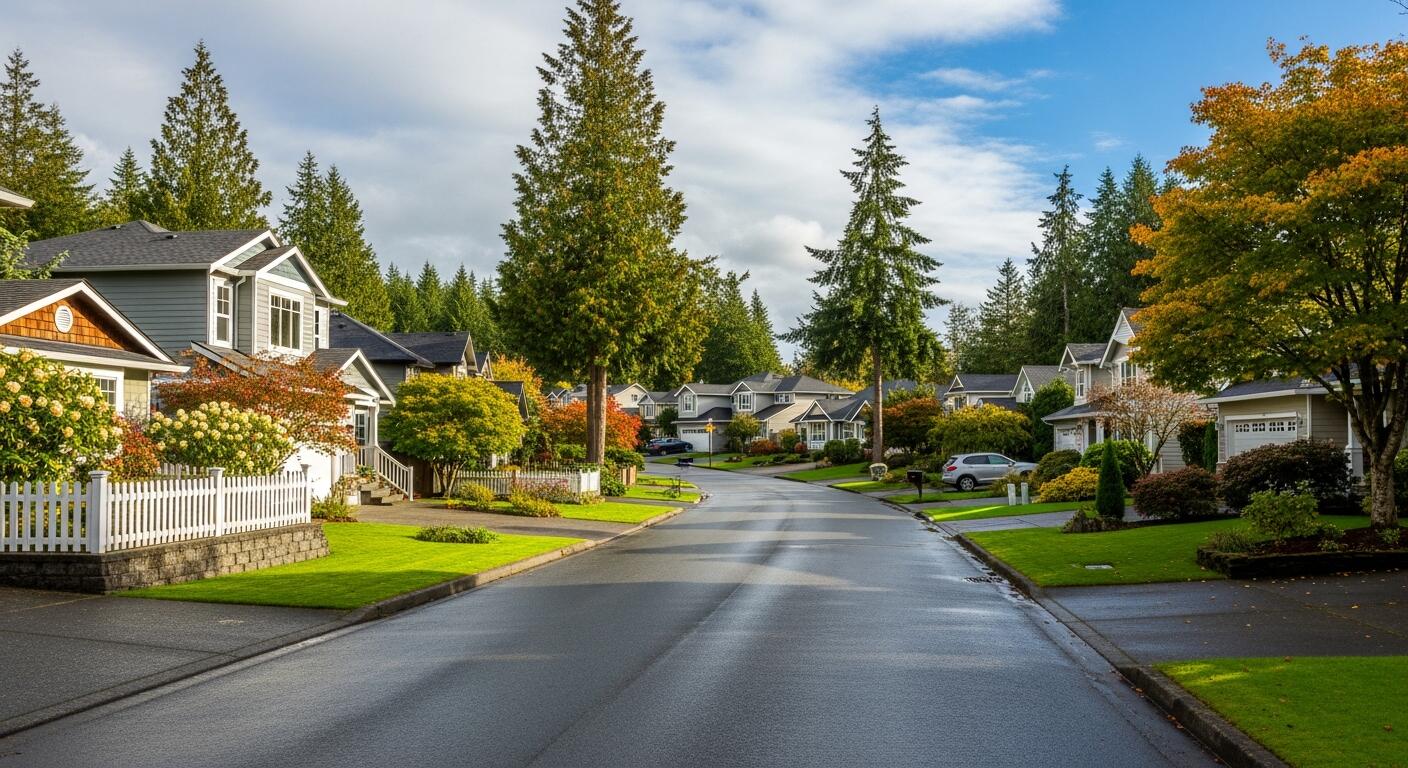
When disaster strikes your Anacortes home - whether from a burst pipe flooding your basement, a kitchen fire spreading smoke throughout your house, or discovering mold growing behind your bathroom walls - quick action makes all the difference. Professional restoration services can mean the difference between minor repairs and major reconstruction, saving you thousands of dollars and weeks of displacement.
Anacortes residents have access to comprehensive damage restoration services that address the full spectrum of property emergencies:
- Water Damage Restoration - Emergency water extraction, structural drying, and moisture control
- Flooded Basement - Specialized basement water removal and waterproofing solutions
- Sewage Cleanup - Safe removal and sanitization of contaminated water
- Fire Damage Restoration - Structural repairs, debris removal, and content restoration
- Smoke Damage Restoration - Odor elimination, soot removal, and air quality restoration
- Mold Removal - Professional remediation and prevention strategies
IICRC-certified technicians serving Skagit County respond 24/7 to minimize damage and begin the restoration process immediately. These services protect your property value while ensuring your family's health and safety during the recovery process.
Common Damage Restoration Issues in Anacortes, Washington
Anacortes' unique island location and Pacific Northwest climate create specific challenges for property owners. The combination of marine air, seasonal storms, and aging infrastructure contributes to various damage scenarios throughout the year.
Weather-Related Damage
- Winter Storm Flooding - Heavy rainfall overwhelms drainage systems, causing basement flooding and foundation water intrusion
- Wind Damage - Strong coastal winds can damage roofing, allowing water penetration and subsequent mold growth
- Power Outages - Extended outages during storms can lead to sump pump failures and basement flooding
Marine Environment Challenges
- High Humidity - Constant moisture from Puget Sound creates ideal conditions for mold development in poorly ventilated areas
- Salt Air Corrosion - Accelerated deterioration of pipes and fixtures increases risk of water damage
- Condensation Issues - Temperature variations between indoor and outdoor environments cause condensation problems
Warning Signs to Watch
- Musty odors indicating hidden mold growth
- Water stains on ceilings or walls
- Unexplained increases in water bills
- Persistent dampness in basements or crawl spaces
- Smoke odors that won't dissipate after cooking incidents
Neighborhoods We Serve in Anacortes
Professional restoration services cover all Anacortes neighborhoods and surrounding communities throughout Skagit County, Island County, Whatcom County, and San Juan County.
Primary Service Areas
- Downtown Anacortes - Historic commercial district and waterfront properties
- Fidalgo Island - Residential communities and rural properties
- Mount Erie - Hillside homes with unique drainage challenges
- Skyline - Newer developments with modern construction
- Heart Lake - Lakefront properties with moisture considerations
Extended Service Region
- La Conner and Skagit Valley communities
- Oak Harbor and Whidbey Island locations
- San Juan Islands ferry-accessible properties
- Bellingham and Whatcom County areas
- Burlington, Mount Vernon, and Sedro-Woolley
Seasonal Damage Patterns in Anacortes
Understanding seasonal damage patterns helps Anacortes property owners prepare for and prevent common restoration issues throughout the year.
Fall and Winter (October - March)
- Peak Water Damage Season - Heavy rainfall and storm systems cause flooding, roof leaks, and basement water intrusion
- Heating System Issues - Increased furnace use can lead to carbon monoxide concerns and fire risks
- Pipe Freeze Damage - Occasional cold snaps cause burst pipes in unheated areas
Spring (April - June)
- Mold Growth Season - Warming temperatures and residual moisture create ideal mold conditions
- Roof Damage Discovery - Winter damage becomes apparent as homeowners assess their properties
- Sewage Backup Risk - Snowmelt and spring rains can overwhelm municipal systems
Summer (July - September)
- Fire Risk Period - Dry conditions and increased outdoor activities elevate fire danger
- Appliance Failures - Air conditioning stress and vacation home issues become more common
- Construction Damage - Summer renovation projects sometimes result in water or fire damage
Housing Characteristics & Restoration Considerations
Anacortes housing stock presents unique restoration challenges based on construction era, materials, and architectural styles common to the Pacific Northwest coastal region.
Historic Properties (Pre-1950)
- Construction Materials - Wood frame construction with plaster walls and hardwood floors
- Water Damage Concerns - Older plumbing systems prone to leaks; original foundations may lack moisture barriers
- Fire Restoration Challenges - Knob-and-tube wiring and original materials require specialized restoration techniques
- Mold Considerations - Limited insulation and ventilation create moisture retention issues
Mid-Century Homes (1950-1980)
- Common Features - Post-and-beam construction, single-pane windows, and minimal insulation
- Basement Flooding Risk - Many homes have finished basements susceptible to water damage
- Smoke Damage Factors - Open floor plans can allow rapid smoke distribution throughout the home
- Sewage Cleanup Issues - Original sewer connections may be compromised by tree root intrusion
Modern Construction (1980-Present)
- Building Standards - Improved moisture barriers and modern electrical systems
- Restoration Advantages - Better access for water extraction and more resilient materials
- Special Considerations - Complex HVAC systems require specialized smoke damage restoration
Environmental Conditions & Damage Implications
Anacortes' marine environment and Pacific Northwest climate create specific conditions that influence damage restoration approaches and long-term property protection strategies.
Climate Factors
- Annual Rainfall - 30+ inches annually, with peak precipitation during winter months
- Humidity Levels - Consistently high humidity from Puget Sound marine influence
- Temperature Variations - Mild winters but occasional freezing create freeze-thaw cycles affecting structures
- Wind Patterns - Prevailing westerly winds can drive moisture into building exteriors
Water Quality and Soil Conditions
- Groundwater Levels - High water table in low-lying areas increases basement flooding risk
- Soil Composition - Clay-rich soils retain moisture and can cause foundation settlement
- Municipal Water - Generally high quality, but older distribution systems may contribute to pipe corrosion
- Saltwater Proximity - Coastal location accelerates metal corrosion in plumbing and HVAC systems
Air Quality Considerations
- Marine Air - Salt content can affect indoor air quality and accelerate material degradation
- Wildfire Smoke - Seasonal smoke from regional fires requires specialized filtration during restoration
- Industrial Sources - Refinery operations may contribute to air quality concerns during certain weather conditions
- Mold Spore Levels - High ambient humidity maintains elevated mold spore counts year-round
Marine Environment Restoration Challenges
Anacortes' location on Fidalgo Island presents unique restoration challenges that require specialized knowledge of marine environments and their effects on building materials and restoration processes.
Salt Air Corrosion Effects
- Accelerated Metal Deterioration - Plumbing fixtures, HVAC components, and electrical systems corrode faster than inland properties
- Water Damage Amplification - Corroded pipes fail more frequently, creating recurring water damage issues
- Fire System Impacts - Sprinkler systems and fire suppression equipment require more frequent maintenance and replacement
- Restoration Timeline Considerations - Salt damage assessment must be factored into all restoration planning
Tidal and Storm Surge Considerations
- Assess Flood Zone Status - Determine if property falls within FEMA flood zones for appropriate restoration standards
- Evaluate Foundation Exposure - Check for saltwater intrusion in below-grade areas during high tides
- Plan for Future Events - Incorporate storm surge protection into restoration designs
- Document Pre-Existing Conditions - Establish baseline conditions for insurance and future damage assessment
Specialized Marine Restoration Techniques
- Saltwater Contamination Cleanup - Requires different sanitization protocols than freshwater flooding
- Corrosion-Resistant Materials - Restoration projects should specify marine-grade components when possible
- Enhanced Ventilation Systems - Combat constant moisture infiltration with improved air circulation
- Protective Coatings - Apply specialized sealants and finishes designed for marine environments
Professional restoration teams familiar with Anacortes' marine environment understand these unique challenges and incorporate appropriate solutions into every water damage, fire damage, mold removal, and sewage cleanup project to ensure long-lasting results.





