
Damage Restoration in Chehalis, WA
- Damage Restoration Services Overview
- Common Damage Restoration Issues in Chehalis, Washington
- Neighborhoods We Serve in Chehalis
- Seasonal Damage Patterns in Chehalis
- Housing Characteristics & Restoration Considerations
- Environmental Conditions & Damage Implications
- Emergency Response Along the Chehalis River Corridor
Damage Restoration Services Overview
What happens in the first hour after water starts spreading across your floor? In Chehalis, that answer often decides whether a property needs light drying or full reconstruction. Fast, correctly sequenced restoration keeps small failures from becoming structural problems.
Property damage rarely arrives alone. A burst supply line becomes saturated subfloor, then mold. A kitchen fire leaves soot residue plus water from suppression efforts. Handling each layer in the right order matters.
- Water Damage Restoration - emergency extraction, moisture mapping with thermal imaging, and structural drying with industrial dehumidifiers.
- Flooded Basement - pumping standing water, removing saturated materials, and drying below-grade concrete and framing.
- Sewage Cleanup - containment, removal of contaminated porous materials, antimicrobial treatment, and disinfection of affected surfaces.
- Fire Damage Restoration - securing the structure, debris removal, and rebuilding damaged framing, drywall, and finishes.
- Smoke Damage Restoration - soot removal from walls and HVAC systems, odor neutralization, and content cleaning.
- Mold Removal - containment barriers, negative air pressure, removal of colonized materials, and correcting the moisture source.
Benefits for Chehalis property owners include documented insurance billing, in-house crews from mitigation through reconstruction, and 24/7 dispatch so response begins while the damage is still contained.
Common Damage Restoration Issues in Chehalis, Washington
The Chehalis River corridor drives most of the water-related restoration work in Lewis County. Properties near the river and in the older downtown courthouse district have absorbed repeated flood exposure, and each unremediated event compounds moisture damage already present in framing and crawlspaces.
Frequent Causes We Respond To
- River and stormwater flooding that overwhelms crawlspaces and below-grade rooms
- Groundwater seepage through foundation walls during extended Pacific Northwest rainfall
- Burst or frozen supply lines during winter cold snaps
- Failed water heaters, washing machine hoses, dishwashers, and refrigerator lines
- Sewer line backups from root intrusion in older clay laterals
- Chimney, woodstove, and space heater fires during the heating season
- Kitchen grease fires that push smoke and soot through the entire HVAC system
Warning Signs Worth Acting On
- Musty or earthy odor in a basement, crawlspace, or closet
- Cupping hardwood, bubbling paint, or drywall that feels soft near the baseboard
- Dark staining along the base of foundation walls after heavy rain
- Slow drains in multiple fixtures at once - often the first hint of a main line backup
- Moss and algae growth spreading onto siding, indicating chronic exterior moisture
- Lingering smoke odor that returns when the furnace runs
- Condensation on windows that never fully clears in autumn and winter
Anything involving sewage or standing water more than a day old should be treated as a contamination issue, not a cleanup chore.
Neighborhoods We Serve in Chehalis
We cover Chehalis and the surrounding Lewis County communities, with response crews staged nearby for quick arrival.
- Downtown Chehalis and the historic courthouse district
- Older residential blocks along the Chehalis River corridor
- West Chehalis and neighborhoods near Recreation Park
- Areas surrounding the Robin Road and Bishop Road corridors
- Properties along National Avenue and the Market Boulevard business area
- Rural acreage and farm properties toward Adna, Napavine, and Newaukum
- Neighboring Centralia, Chehalis-Centralia airport vicinity, and I-5 corridor commercial sites
Our local address at 100 Robin Rd E, Chehalis, WA 98532 keeps equipment and crews close to the neighborhoods most affected by river flooding and heavy seasonal rainfall. Commercial buildings, rentals, churches, and multi-unit properties receive the same 24-hour dispatch as single-family homes.
Seasonal Damage Patterns in Chehalis
Restoration demand in Chehalis follows the rain. Understanding when each damage type peaks helps property owners prepare before the call becomes an emergency.
- November through February - peak flooding season. Flooded basements, crawlspace saturation, and storm-driven water intrusion dominate. Frozen pipe breaks appear during cold snaps, and heating equipment fires rise sharply.
- March through April - snowmelt and continued rain keep groundwater tables high. Sewage backups increase as saturated soil pressures aging laterals. Mold from winter moisture starts becoming visible.
- May through June - warming temperatures activate mold growth in materials that stayed damp through winter. This is the busiest window for mold removal inspections.
- July through September - drier months bring appliance failures, irrigation and hose bib leaks, and the highest risk of outdoor and structure fires. Smoke damage from regional wildfire haze can affect indoor air quality.
- October - the first sustained storms expose roof, gutter, and foundation weaknesses, producing a wave of water intrusion calls.
Scheduling gutter clearing, sump pump testing, and crawlspace inspections in early autumn prevents a large share of winter emergencies.
Housing Characteristics & Restoration Considerations
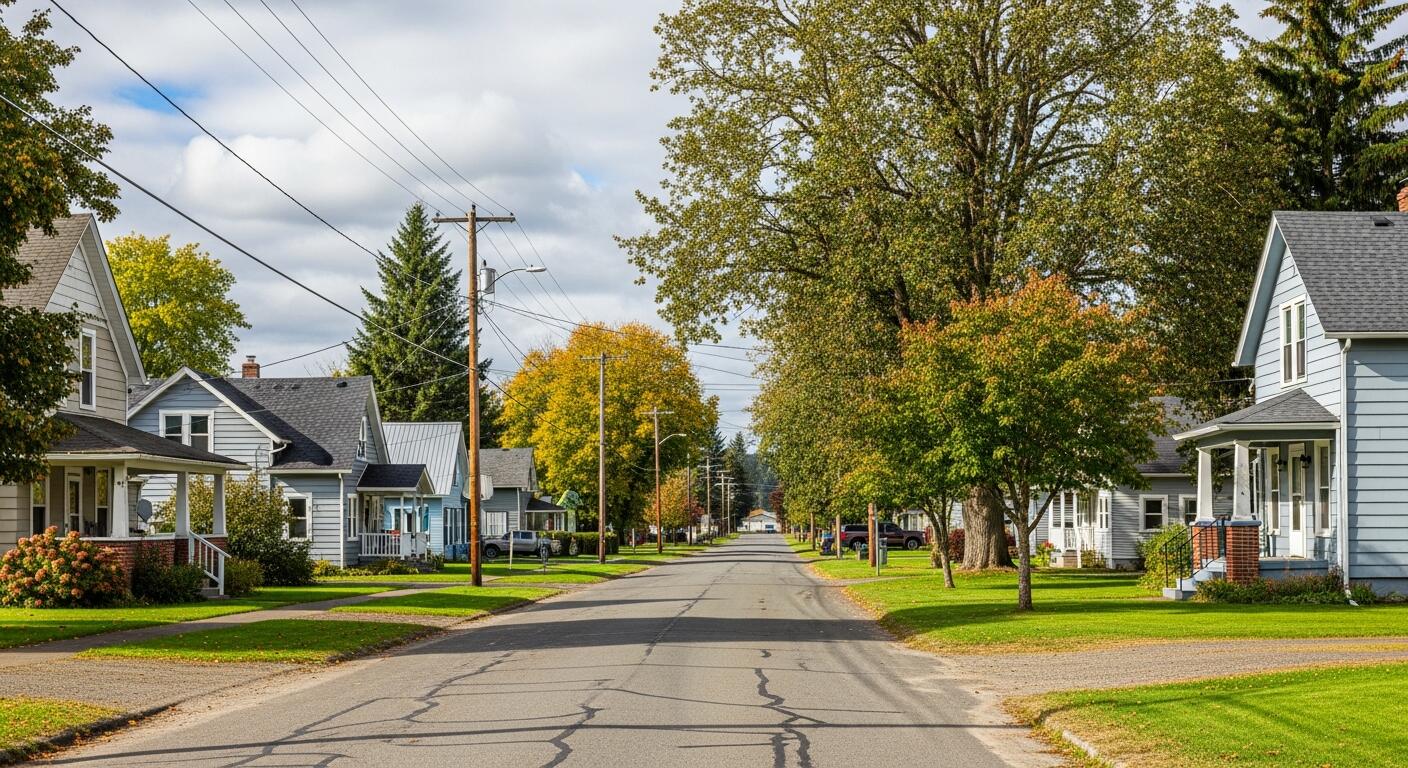
Chehalis housing skews older than the regional average, and that construction history shapes every restoration plan. Many homes near the courthouse district date to the early and mid-1900s, built with dimensional lumber, lath and plaster, and shallow crawlspaces rather than full basements.
How Local Construction Affects Restoration
- Vented crawlspaces - common in Chehalis and prone to standing water and vapor barrier failure, requiring targeted drying and often full liner replacement.
- Plaster and lath walls - hold moisture longer than drywall and need extended drying with careful monitoring to avoid cracking.
- Board subfloors over joists - absorb water across seams, so drying must reach the underside from the crawlspace.
- Older clay or cast iron sewer laterals - vulnerable to root intrusion and collapse, a leading source of indoor sewage backups.
- Knob-and-tube or updated-but-mixed wiring - demands electrical safety checks before extraction equipment is energized.
- Unsealed concrete basements - wick groundwater through walls and floors, needing specialized drying rather than surface wiping.
- Wood siding and shake roofs - support moss growth in Pacific Northwest conditions, driving chronic exterior moisture behind cladding.
Newer subdivisions on the outskirts use slab or engineered joist systems with drywall interiors. These dry faster but hide moisture inside wall cavities and insulation, which is why thermal imaging and meter readings guide the work rather than visual inspection alone. Fire and smoke restoration in older homes also requires attention to original millwork and hardwood that can often be cleaned and preserved rather than replaced.
Environmental Conditions & Damage Implications
Chehalis sits in a wet valley with heavy annual rainfall, mild temperatures, and soils that drain slowly - a combination that keeps moisture in buildings long after the storm passes.
Local Conditions That Shape Restoration Work
- High annual rainfall - saturates ground for months, pushing hydrostatic pressure against foundation walls and flooding basements even without river overflow.
- Mild year-round temperatures - mold colonies stay active nearly all year instead of going dormant.
- Silty and clay-heavy floodplain soils - drain poorly, hold water against footings, and leave sediment behind after flood events.
- Elevated indoor humidity - slows natural drying, making mechanical dehumidification necessary rather than optional.
- Persistent moss and algae growth - traps water on roofs, siding, and decking, feeding hidden rot behind exterior surfaces.
- Seasonal wildfire smoke - deposits fine particulate in HVAC systems and soft goods, sometimes requiring air scrubbing and duct cleaning.
- River flood sediment - carries agricultural runoff and sewage contaminants, so floodwater is treated as contaminated by default.
These conditions change the drying standard. A property in a drier climate might air out on its own; here, materials that read as dry on the surface frequently hold elevated moisture deeper in the assembly. Crews verify with meters and record readings daily until values return to established dry standards, then address the source - grading, drainage, vapor barriers, or plumbing - so the same failure does not repeat next winter.
Emergency Response Along the Chehalis River Corridor
When the Chehalis River rises, minutes matter. Water spreads through flooring, wicks up drywall, and reaches wall cavities within hours - and contaminated floodwater begins degrading materials immediately. Our 24/7 dispatch means a trained specialist answers the phone at any hour and crews head out as soon as we have the address.
What Happens After You Call
- Live intake - a specialist gathers the address, damage type, and safety concerns, then dispatches immediately.
- Rapid arrival - crews stage locally in the Chehalis and Centralia area, arriving with extraction equipment loaded and ready.
- Safety assessment - electrical hazards, structural stability, and contamination category are evaluated before work begins.
- Emergency extraction - commercial-grade truck-mounted and portable units remove standing water from basements, crawlspaces, and living areas.
- Moisture mapping - thermal imaging cameras and penetrating meters locate hidden water behind walls and under flooring.
- Containment and stabilization - for sewage or fire events, affected zones are isolated with barriers and negative air pressure.
- Structural drying - industrial dehumidifiers and air movers run with daily monitoring until readings hit dry standard.
- Remediation and rebuild - mold removal, soot and odor treatment, content restoration, and reconstruction handled in-house.
Insurance Handled for You
- Moisture maps, thermal images, and photo documentation captured from day one
- Direct billing to your carrier so you are not chasing paperwork mid-emergency
- Detailed scope written in the format adjusters expect
- Coordination between mitigation and reconstruction phases under one file
Whether it is a sewage backup at 2 a.m., a flooded basement during a December storm, or smoke damage after a chimney fire, call as soon as you discover it. Waiting until morning turns a drying job into a demolition and rebuild.





